The record Russia cannot deny
One place for the documented record: United Nations findings first, Ukrainian national data second, independent investigations third — always labelled, always dated.
Status · 23 Oct 2026
In the last 24 hours: three Russian aerial bombs on a residential area of Kramatorsk on 23 October killed one person and injured six, three of them children (regional prosecutor's office); strikes on Dnipro destroyed a private house, killing one person and injuring eight, with three more injured in Pidhorodne community (regional military administration, as of 18:30). Overnight Russia launched 176 drones, with hits at 19 locations (Air Force). The White House announced a US-brokered local ceasefire in occupied Oleshky from 29 October to let aid in and civilians out; the Kremlin confirmed it, saying the evacuation will take at least several days.
Newest first, from the strike log: Air Force of Ukraine morning counts and regional administrations · preliminary B
New on the site
Update logWhat was added or changed, newest first. Each line opens the page it refers to.
Latest
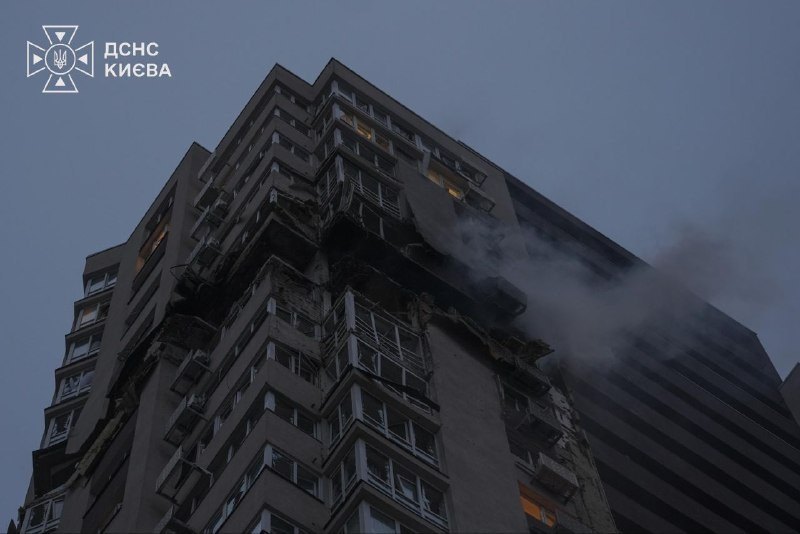
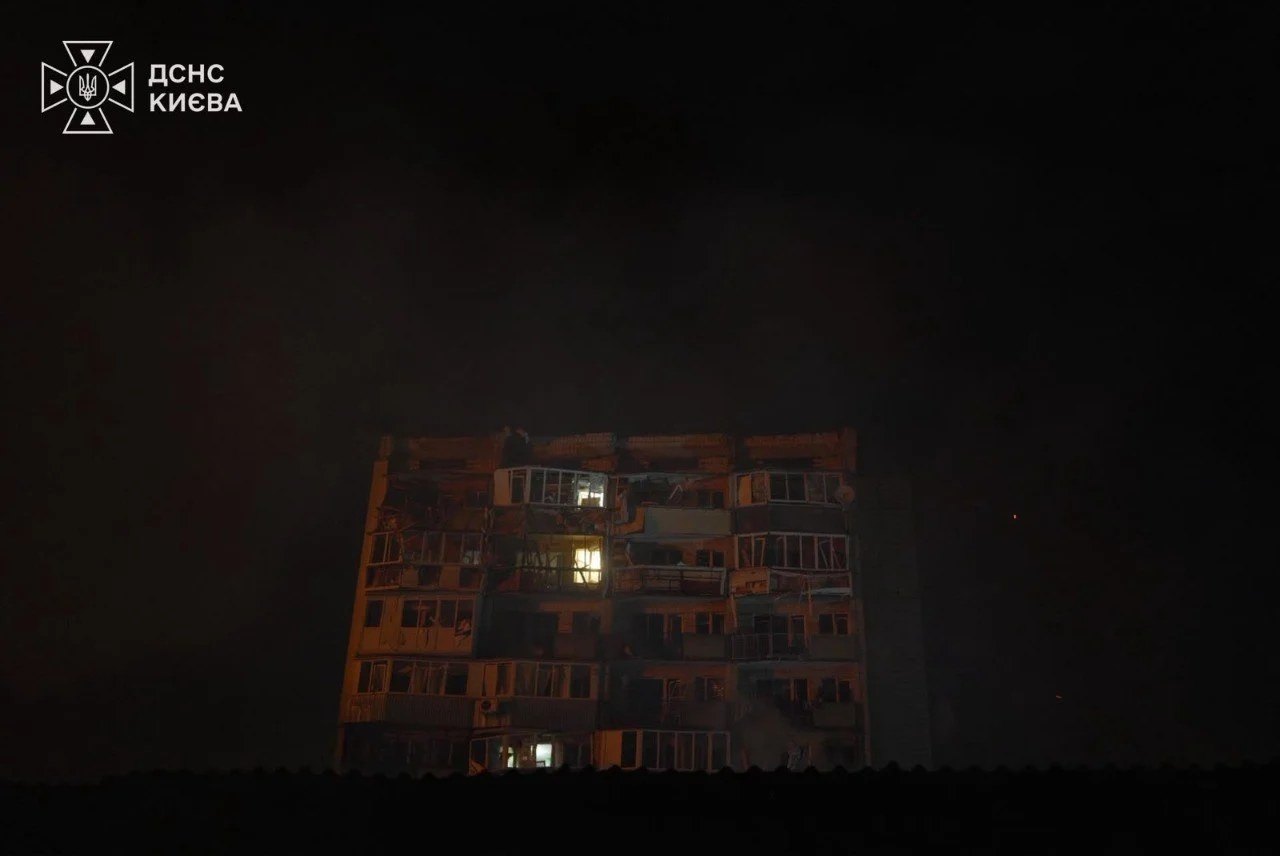
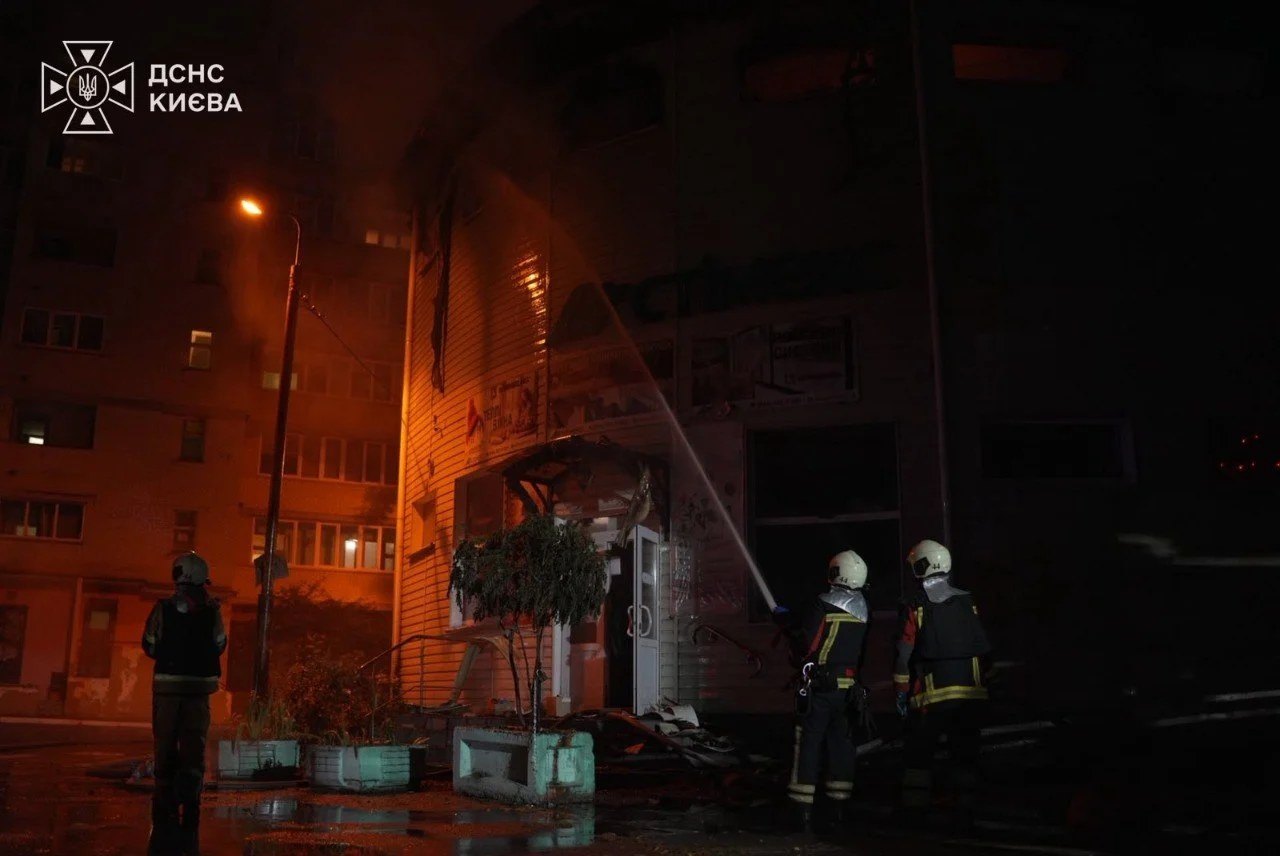
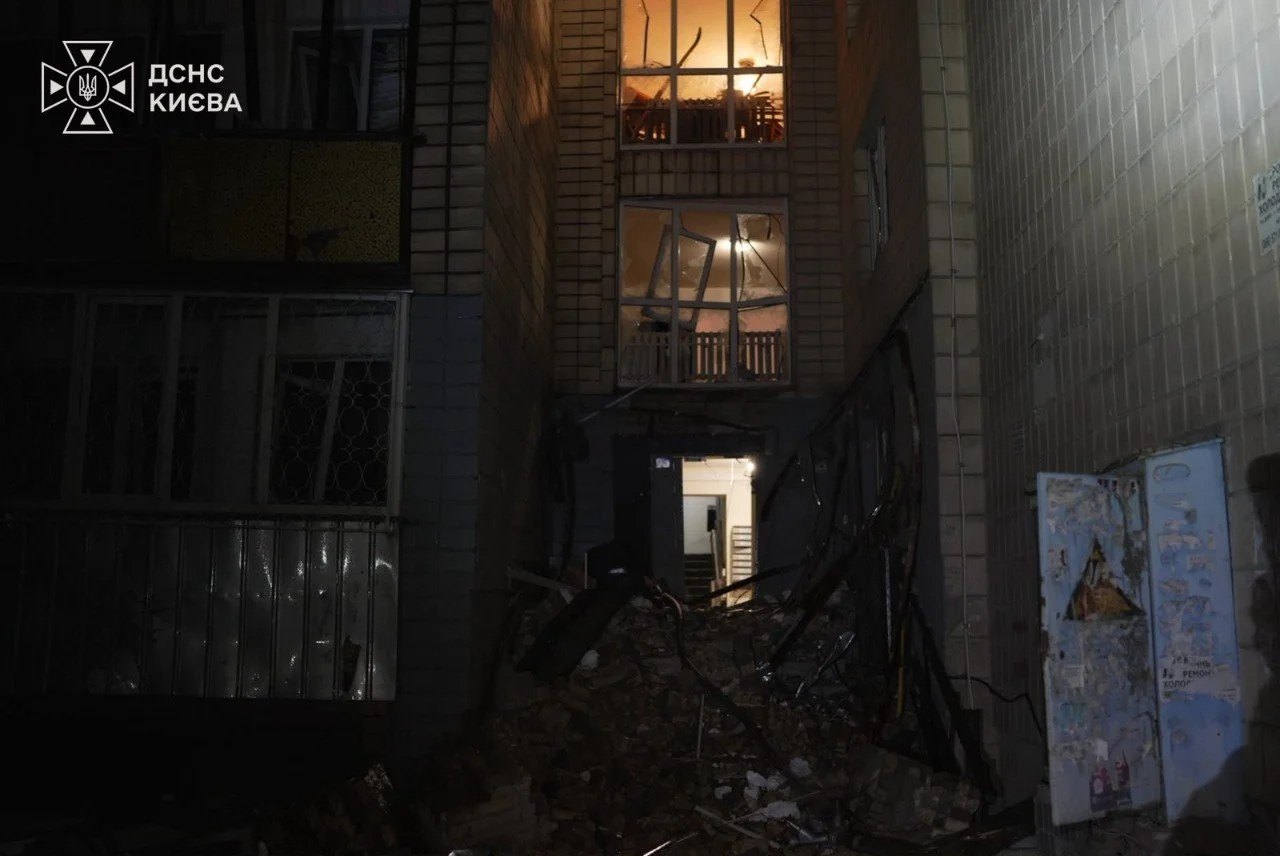
6 killed · 2 medical facilities hit in daylight. A drone hit the operating theatre of the Strazhesko Institute of Cardiology, wounding a patient — the second strike on the institute. Three killed by a highway in Chabany, one at a petrol station, two in a 24-storey apartment block overnight.
Prime Minister; Kyiv mayor and city military administration; Kyiv regional prosecutor's office · Tier B · preliminary
The UN records both sides — Russia lets it see only one. 75 of 134 Russian POWs held by Ukraine and 124 of 129 Ukrainian POWs released by Russia described ill-treatment. Nebenzia misquoted the Committee against Torture; none of the 14 other members backed the claims.
OHCHR, 29 Jun 2026 · CAT/C/UKR/CO/7 · UN Web TV · Tier A
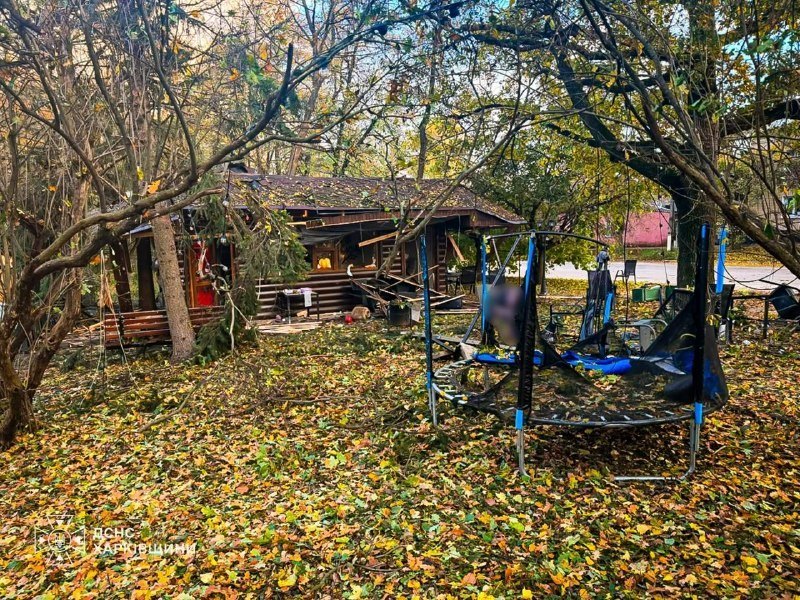
6 killed, two of them children, girls aged 1 and 11 · 15 injured, seven of them children. A Geran-3 attack drone hit the central park while families were walking there. No military object has been named.
Kharkiv regional military administration; regional prosecutor's office · Tier B · preliminary
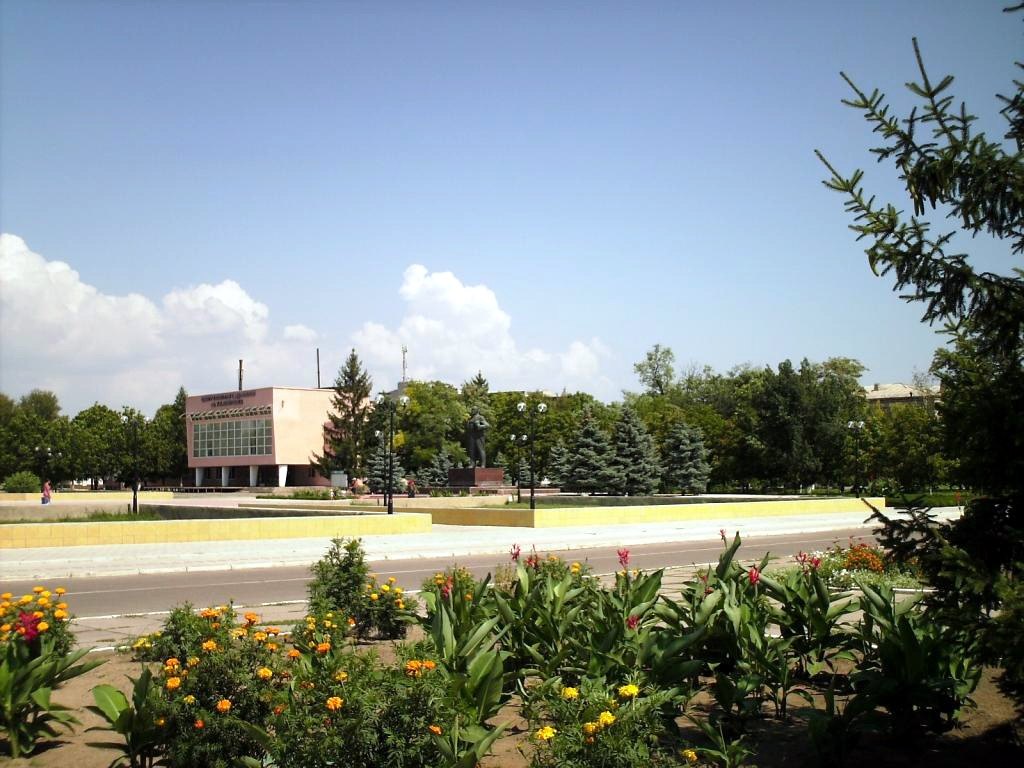
"People can't get out, food can't get in." Russia has held the town and every road into it since 2022; Ukraine drops food by drone, and a list of evacuees was agreed with Russia — 358 people verified for immediate evacuation, the ICRC ready. Russia confirmed nothing for five months; on 23 Oct the White House announced a local ceasefire from 29 October and the Kremlin confirmed it.
UN monitoring mission · Tier A; Ombudsman of Ukraine · Tier B; White House, Kremlin · 23 Oct
From "hypocrisy" to "tragedy". Moscow now admits the crisis and blames Kyiv for blockading a town Russia holds. None of eight statements proposes the evacuation the UN, the ICRC and the Pope asked for.
Kremlin, MFA, Russian Mission to the UN · checked against UN, HRW, OSCE records
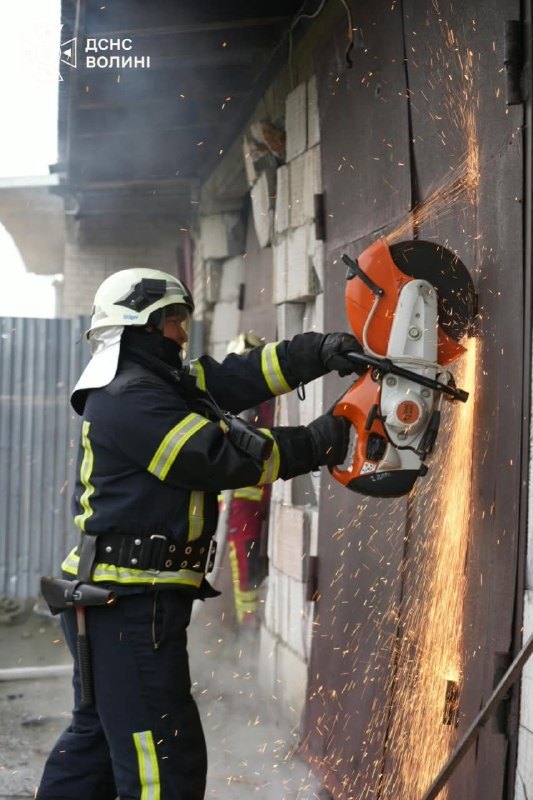
A city without electricity and water pumping. A damaged substation cut power to Vinnytsia; outages also in Lutsk, Rivne and Zhytomyr. No ballistic missile was reported intercepted.
Air Force; President of Ukraine; Vinnytsia city and regional authorities · Tier B · preliminary
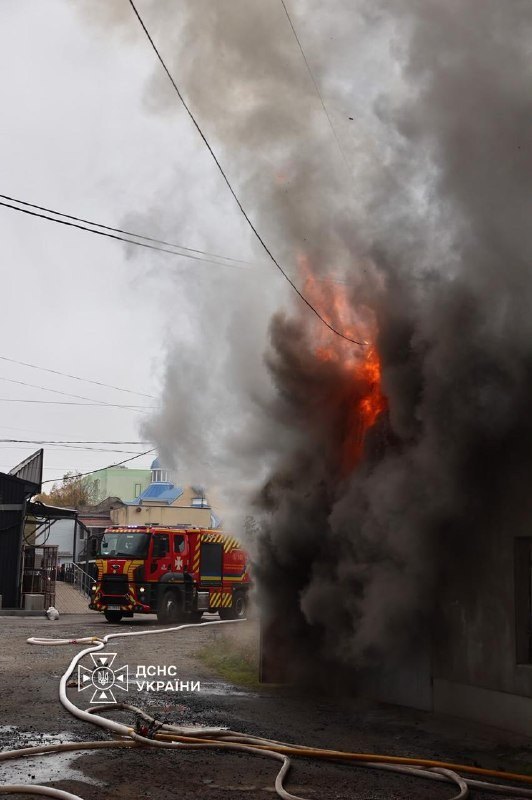
A wholesale market in Lutsk: 6 killed. Almost 360 drones over Kirovohrad region in one night — 3 killed in Kropyvnytskyi. Russia's MoD named only a port in Izmail.
President of Ukraine; Air Force; regional administrations · Tier B · preliminary
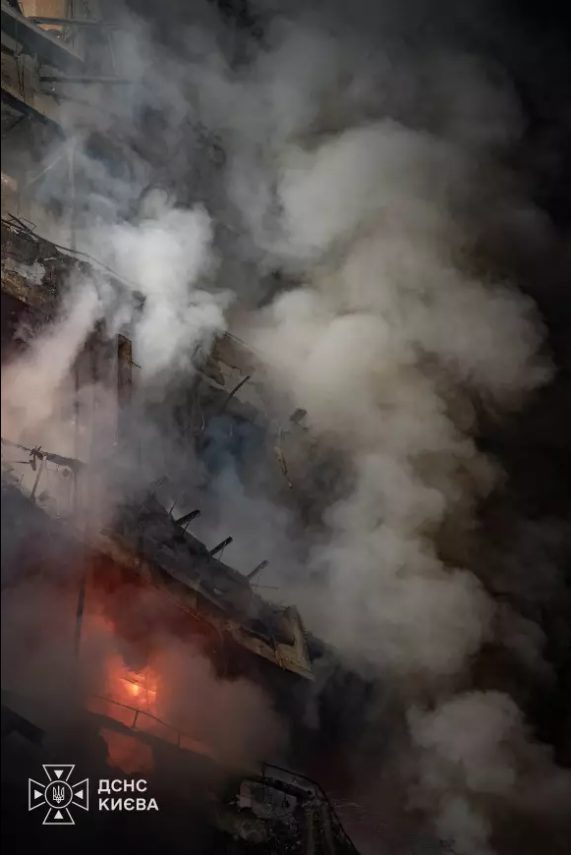
600,000 without electricity; 4 killed, 25 injured. Only 4 missiles were intercepted. Russia's MoD listed the heat-and-power plants by name as "military-industrial" — the conduct the ICC qualified as war crimes in 2024.
Air Force; Ukrenergo; SES · Tier B
"Strongly condemns the ongoing attacks on major Ukrainian cities" — the Secretary-General, 7 Oct. Two days later the Council heard: more than 100 civilians killed and 429 injured in one week (OHCHR). On 14 Oct the Deputy Spokesperson confirmed all three Kyiv heat-and-power plants attacked, ~600,000 without power and water.
Noon briefings; S/PV.10237; OHCHR · Tier A
"Only military facilities", air defence "in residential areas", "provocations and hoaxes", energy "used for military production" — set against the UN's count for that week (more than 100 civilians killed), Russia's own Ministry of Defence target list naming Pryluky, and the ICC warrants for the earlier energy campaign.
Russian Mission text, 9 Oct 2026 · SC/16472 · HRMMU, 15 Oct 2026 · ICC · Tier A
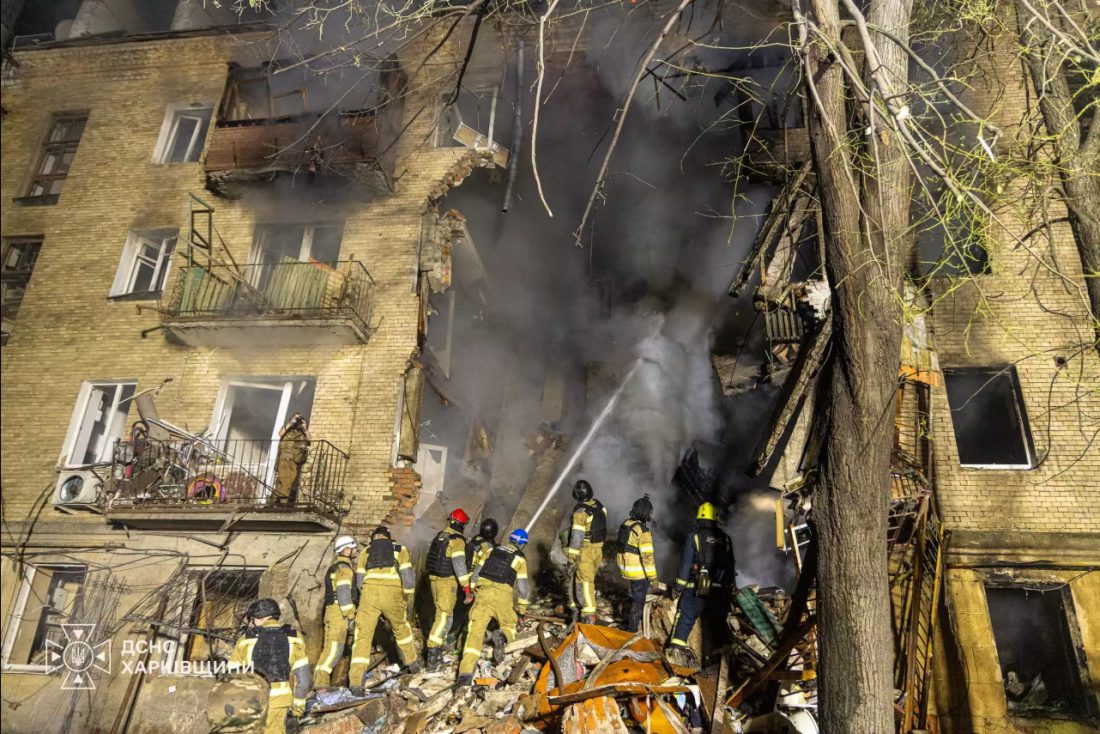
16 killed in five strikes (derived). Guided bombs on 2 Oct (2 killed), 5 Oct (6 killed, 59 injured) and 11 Oct; a missile on a grocery store in Pisochyn (3 killed, incl. a 16-year-old); ~10 Banderol missiles on 12 Oct (4 killed, 41 injured, entrance section collapsed).
State Emergency Service; regional administration · Tier B
Pressure on Russia
16,432 people and companies are listed by Ukraine but not by the European Union. Search the registers, see which makers of the weapons in our case files are still off some lists, and what has been lifted.
Official lists via OpenSanctions · · Tier A
Ukraine's General Staff counts 1,574,620 personnel losses; Oryx has photographed 24,192 pieces of lost equipment. Russia's budget deficit for January–September 2026: 5.2 trillion roubles.
General Staff of Ukraine; Mediazona/BBC; Oryx; Ministry of Finance of Russia · Tier B / C
Front & occupation
Open the mapNew: the front line and the occupation on one map — 117,112 km² occupied (19.4% of Ukraine, Tier C, derived), 0 of 16 Russian capture claims since 1 October confirmed, and every strike measured by its distance from the front. Open the map →
Coming up
Calendar- New York · Security Council briefing on children and armed conflict A
- New York · High-level open debate on maritime security and freedom of navigation (UNCLOS) A
- Oleshky · Local ceasefire in occupied Oleshky due to take effect B
- London · IMO Council, 138th session A
- Doha · ITU Plenipotentiary Conference (PP-26) A
10 entries in the next 30 days · ICS · full calendar with what to bring
Patterns, not incidents
Five files that run across the whole war. Each opens with its UN-verified figure, then the national figure, then the accountability step already taken. These are the pages for the question "what is the bigger picture".
Established. ICC Pre-Trial Chamber II found reasonable grounds that strikes on electricity infrastructure, Oct 2022 – Mar 2023, were war crimes and crimes against humanity (warrants for Kobylash, Sokolov, 5 Mar 2024; Shoigu, Gerasimov, 24 Jun 2024). The Commission of Inquiry reached the same conclusion on the winter 2022–23 campaign (A/HRC/52/62).
Now. Every major thermal and hydro plant has been hit at least once (Ministry of Energy, 2025). Fourth winter campaign opened 29–30 Sep 2026; Kyiv dark on 8 Oct.
Ask. Air-defence and transformer deliveries before December; name the energy campaign as a pattern in national statements.
ICC, 5 Mar and 24 Jun 2024; COI A/HRC/52/62; Ministry of Energy of Ukraine; KSE damage assessment (energy sector, 2025) · Tier A / B / C
Established. ICC warrants for Putin and Lvova-Belova (17 Mar 2023) for unlawful deportation and transfer of children. The Commission of Inquiry found that transfers violated IHL and amounted to a war crime (A/HRC/52/62, 2023; reiterated 2024–25).
Now. Returns run through third-country mediation (Qatar, Vatican, UAE); identification of children relocated inside Russia remains the bottleneck. Russian "re-education" and adoption decrees documented by Yale HRL.
Ask. Join the International Coalition for the Return of Ukrainian Children; raise the ICC warrants whenever Russia speaks of "evacuation".
Ombudsman of Ukraine / childrenofwar.gov.ua, 7 Oct 2026; Bring Kids Back UA; ICC; COI; Yale HRL · Tier A / B / C
Established. OHCHR interviews with released POWs: 95% report torture or ill-treatment; 48 died in custody. The Commission of Inquiry found torture of POWs and civilians to be systematic and a crime against humanity (A/79/549, Oct 2024).
Now. Over 16,000 civilians recorded as detained by Russia; more than 1,000 held since 2022. Olenivka (29 Jul 2022) still without an international investigation on site.
Ask. Demand ICRC access to all places of detention; support the all-for-all exchange and the return of civilian detainees as a separate track.
OHCHR briefing, 10 Aug 2026; COI A/79/549; Coordination HQ for the Treatment of POWs, Oct 2026 · Tier A / B
Established. OHCHR report of 18 Sep 2026: most victims are men in detention (electric shocks to the genitals, beatings, threats); women and children mainly under occupation. The Commission of Inquiry found rape by Russian forces to be a war crime (A/77/533).
Now. In May 2026 the Secretary-General listed Russian armed and security forces for the first time in the annex of his report on conflict-related sexual violence.
Ask. Keep the listing until perpetrators are held to account; demand OHCHR and ICRC access to all places of detention; no amnesty for sexual violence.
OHCHR, 18 Sep 2026; Secretary-General, May 2026; COI A/77/533, A/79/549; Prosecutor General, 19 Jun 2026 · Tier A / B
Established. Seized under fire on 4 Mar 2022; the latest blackout kept the plant on diesel for 18 days (20 Aug – 7 Sep 2026). A drone breached the Chornobyl New Safe Confinement on 14 Feb 2025; the IAEA found it lost its confinement function.
Now. Russia has issued "licences" for units 1 and 2 to Rosatom; strikes on substations cut power to nuclear sites in every winter campaign.
Ask. Demilitarisation and return of the plant to Ukraine (78/316); no recognition of Russian "licences"; no strikes on the grid that nuclear sites depend on.
IAEA Updates 362–364 (Aug–Sep 2026); A/RES/78/316 (11 Jul 2024); World Nuclear Association · Tier A / C
Brief · what to cite this week
Press Add to my brief under any card, UN entry or key figure as you read. The yellow My brief button at the bottom left opens your list: print it or save it as a PDF with every source and link, or copy it as text into a statement. The list stays in this browser only; nothing is sent to us.
Assembled automatically from the newest items on the site: the three most recent facts with sources, one legal line, one ask. Copy it into a statement, a talking-points note or an e-mail. Replaced every time the site is updated; the date in the header is the date of the data.
Attacks on residential buildings far from the front, with no military objective identified, engage Rome Statute art. 8(2)(b)(i) and (ii); the Commission of Inquiry has already found this pattern to constitute war crimes (A/77/533, A/HRC/52/62).
Name Kramatorsk (8 Oct), Pryluky (7 Oct), Zaporizhzhia (10 Oct) and the Kyiv energy strike (14 Oct) in national statements; cite the ICC energy warrants whenever Russia says "military-industrial"; confirm ballistic-capable air defence and transformer deliveries before the December cold.
7 Oct · Secretary-General: "strongly condemns the ongoing attacks on major Ukrainian cities" — "a record number of civilian casualties".
9 Oct · ASG Khiari, Security Council: more than 100 civilians killed and at least 429 injured in one week (OHCHR).
14 Oct · Spokesperson: all three Kyiv heat-and-power plants attacked; ~600,000 without power and water.
Next update
OHCHR September update published 16 Oct (328 killed, 2,105 injured) — pulse and home indicators already refreshed; this brief is renewed on Monday.
Case files
One incident, one page, one fixed structure: what happened, what is verified and by whom, the legal qualification in three honest layers, who is responsible, what Russia said, and what we ask. Each card opens a printable one-pager. Ten files from the last month; earlier files are in the Archive.
Historical dossiers are named, not numbered. Each is a six-page document built from the UN record, Ukrainian proceedings and independent investigations, with an evidence panel of openly licensed photographs and a downloadable pack. Figures and sources are rechecked at every release.
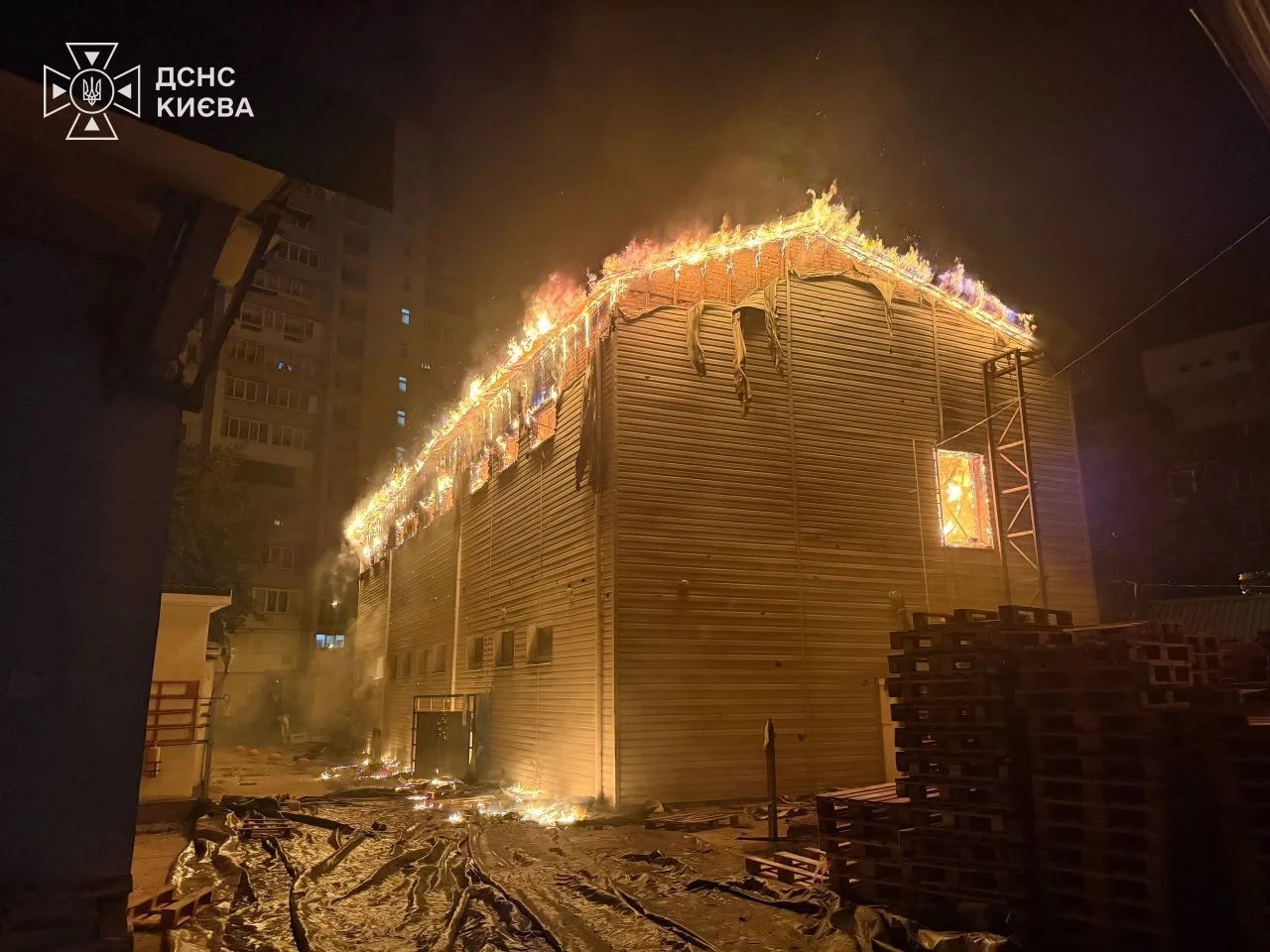
Overnight Russia fired ballistic missiles, 46 cruise missiles and 168 drones with Kyiv region as the main target. None of the ballistic missiles was intercepted. Seventeen people died — sixteen in the city, seven of them in a nine-storey block in Solomianskyi district — and one in the region. A children's hospital and a school were damaged. The UN Secretary-General condemned the attack. Russia listed six military-industrial targets and did not mention the block.
16 civilians killed and 38 injured in Kyiv city by missiles and drones — established (OHCHR) Kyiv campaign 2026: ballistic salvoes on residential districts (14 May, 2 Jul, 6 Jul, 5 Aug, 20 Aug, 1 Sep) — pattern Indiscriminate attack / attack on civilians, war crime — position (Art. 438(2) CCU)
Russia said. Russian Ministry of Defence · official statement · 20 Aug 2026: “Tonight, the Russian Armed Forces delivered a massive strike with high-precision weapons from ground, air, and sea-based platforms, as well as long-range unmanned aerial vehicles [on] military industrial enterprises, a transport and logistics center, and warehouses in the city of Kiev and the Kiev region.” — The list omits every civilian impact. The Air Force recorded hits at 28 locations; OHCHR verified 16 civilians killed in Kyiv city; seven to ten died in one residential block; a children's hospital and a school were damaged. Ballistic missiles fired at night into a city of three million do not become precise by being called so. If the six targets are real, the attack must still satisfy proportionality and precautions for the blocks around them (AP I art. 57); the MoD offers nothing on either.
Evidence held: OHCHR/HRMMU, Protection of Civilians, August 2026 (16 Sep 2026); UN Secretary-General, via spokesperson S. Dujarric, 20 Aug 2026; Ukrainian Air Force, 20 Aug 2026 (09; DSNS, 20–21 Aug 2026.
Photo & video · 4 photos

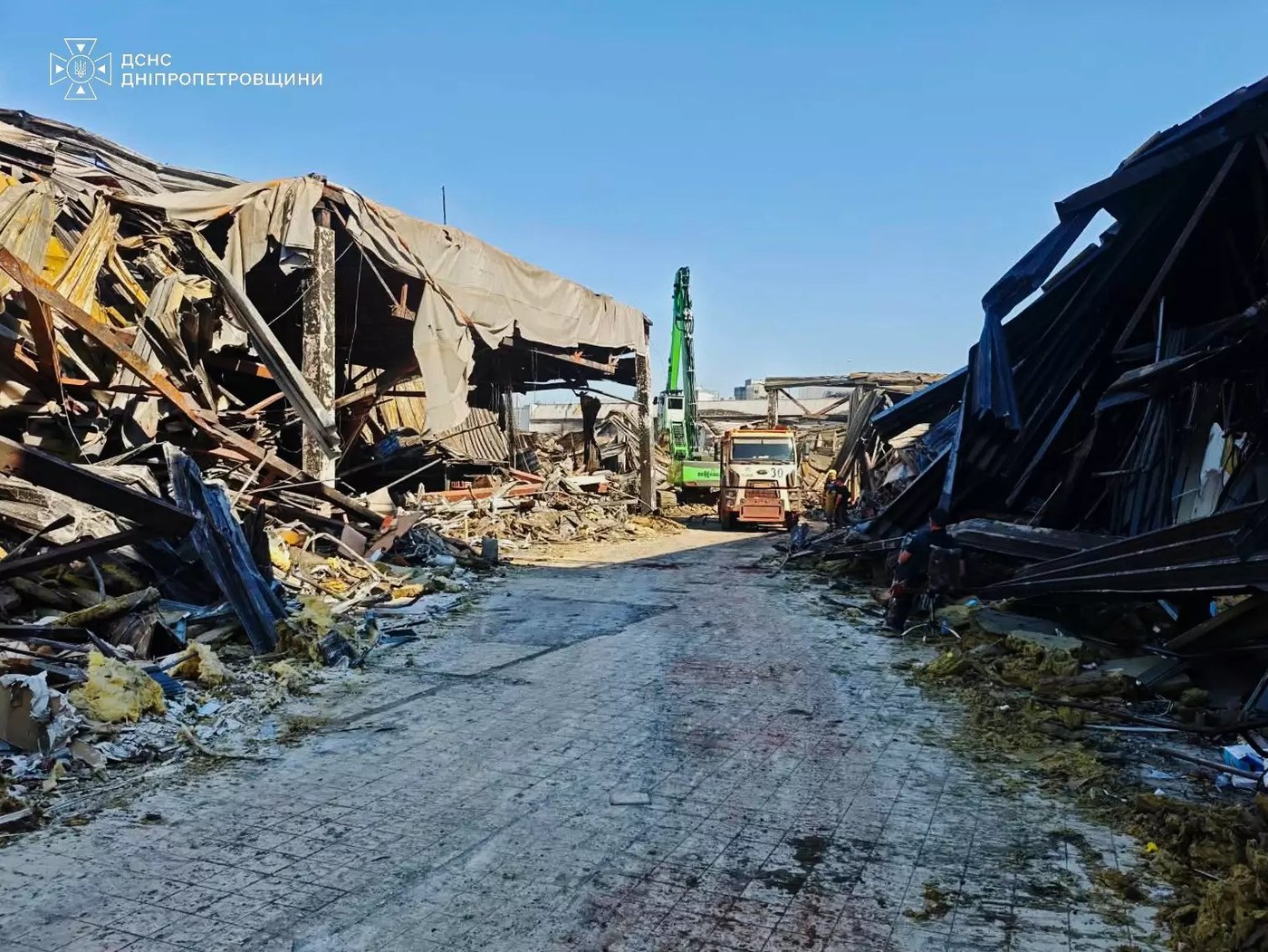
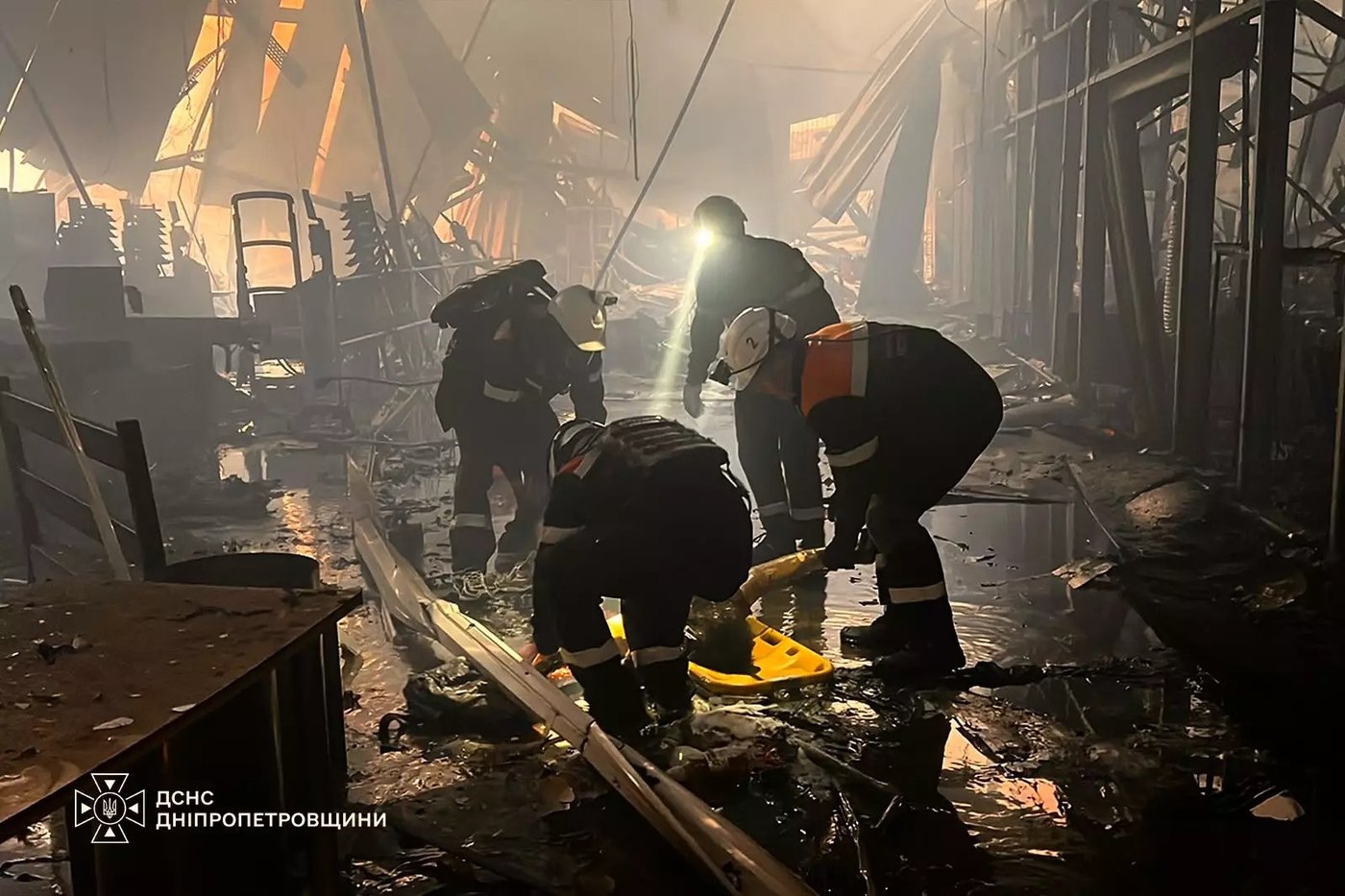
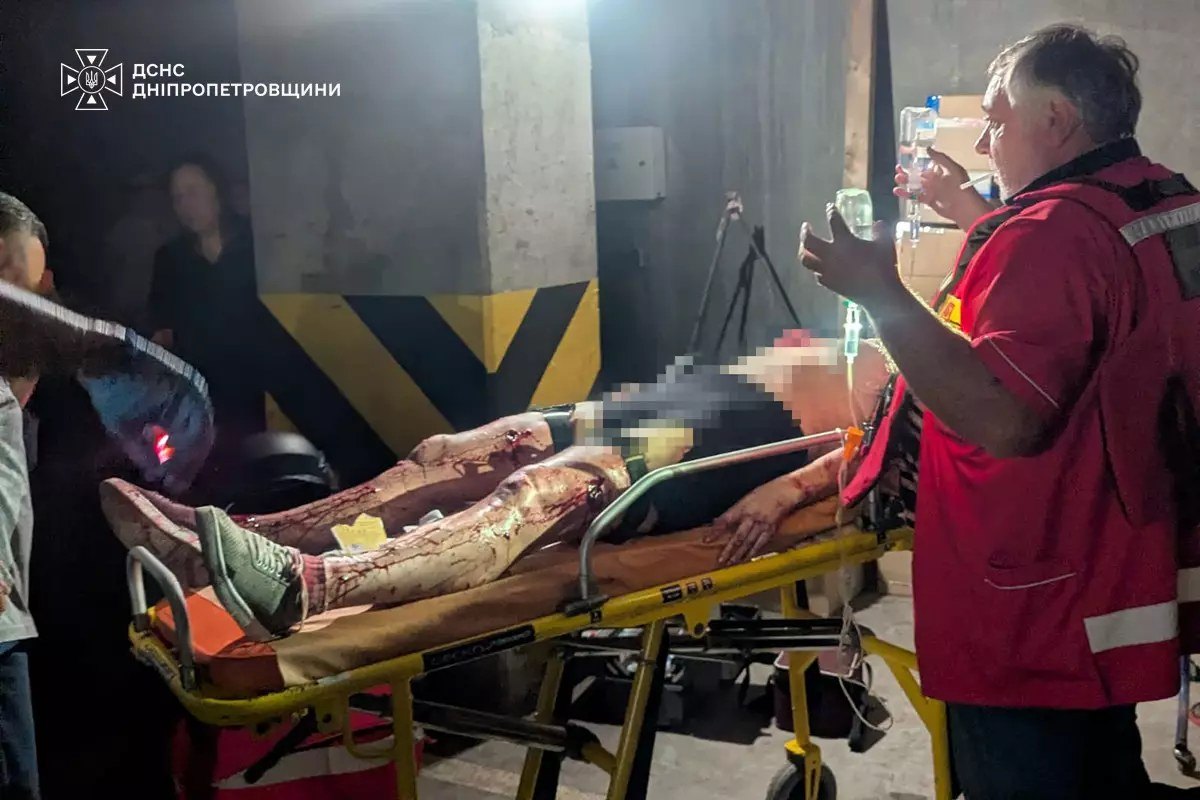
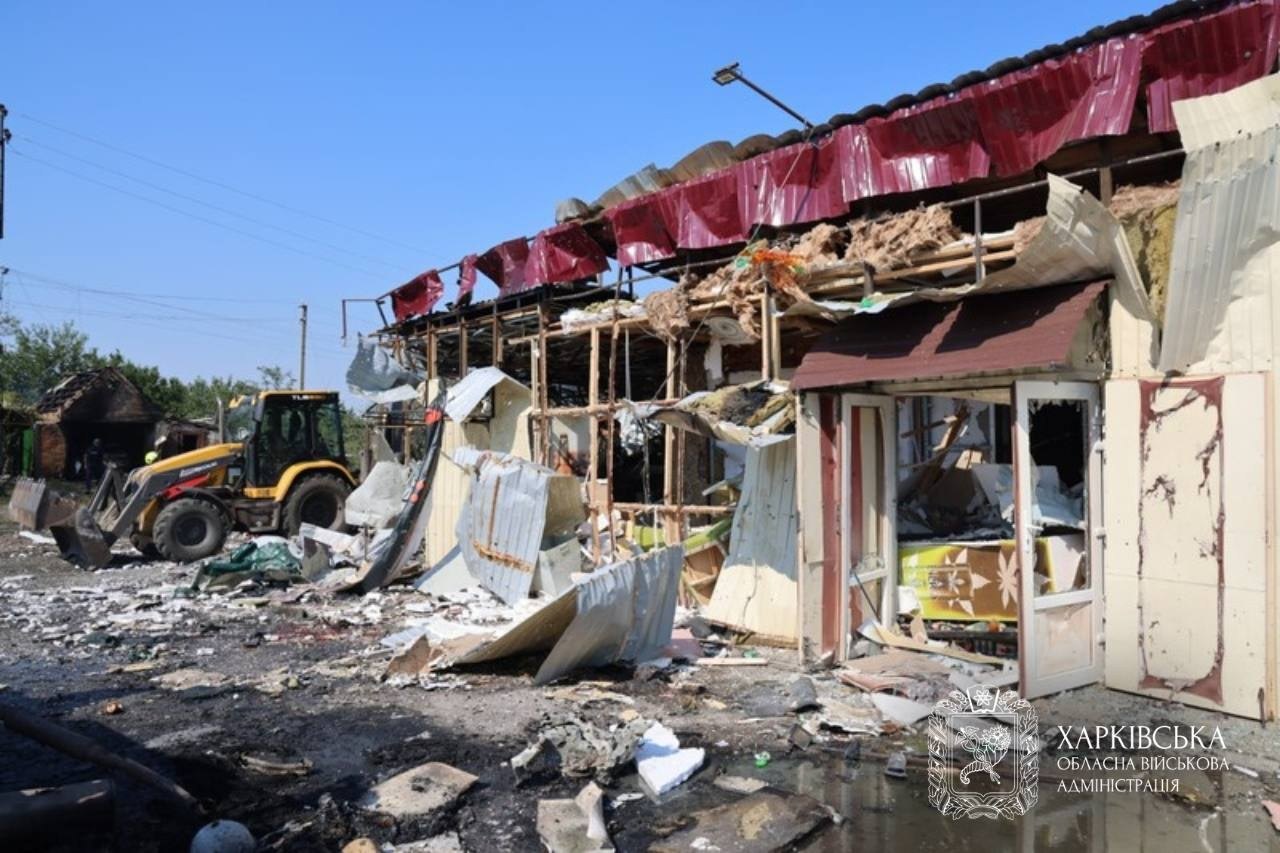
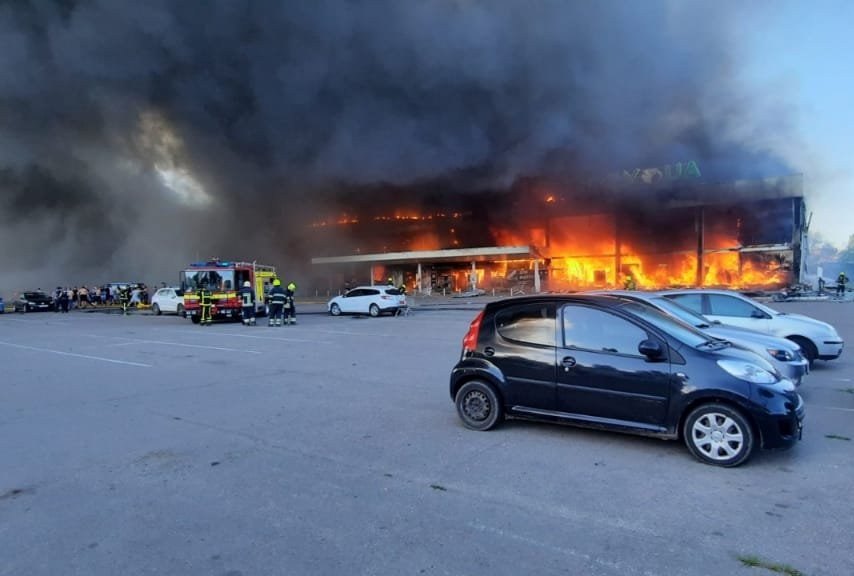
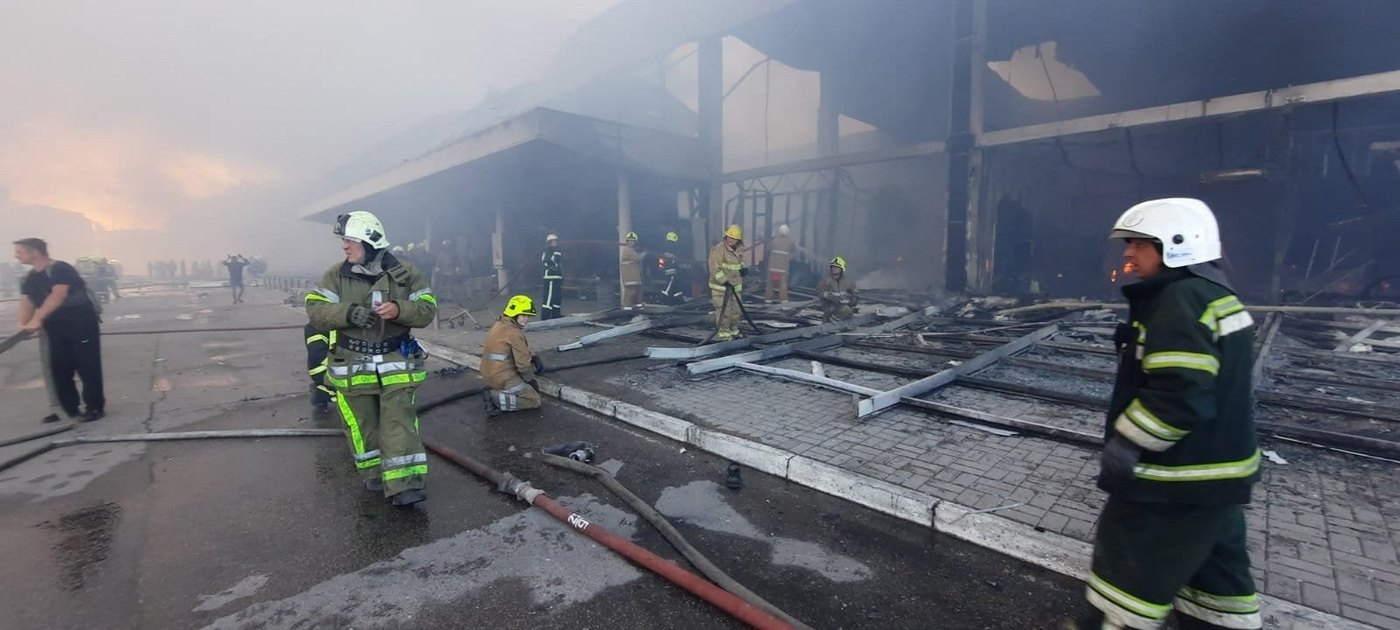
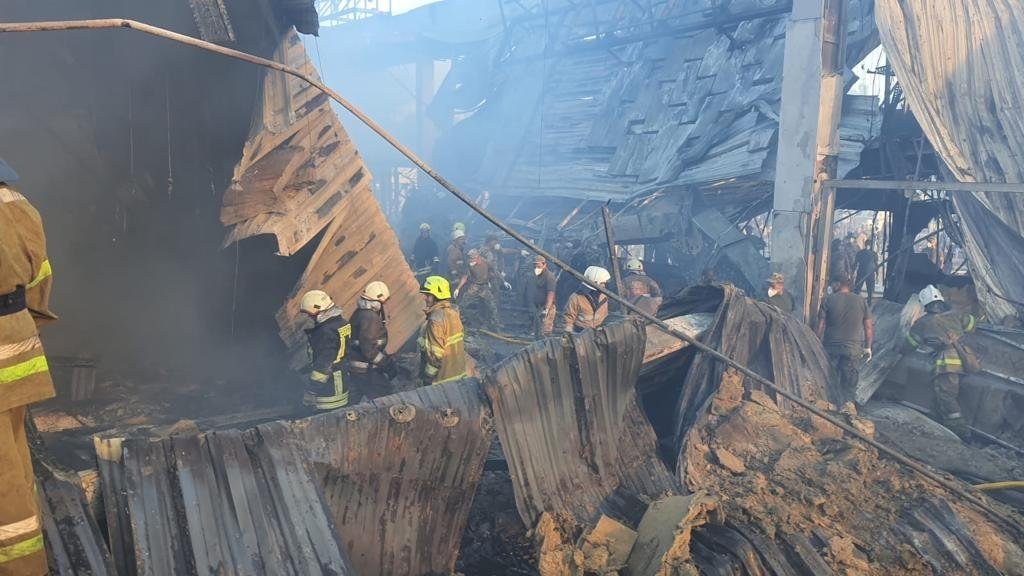
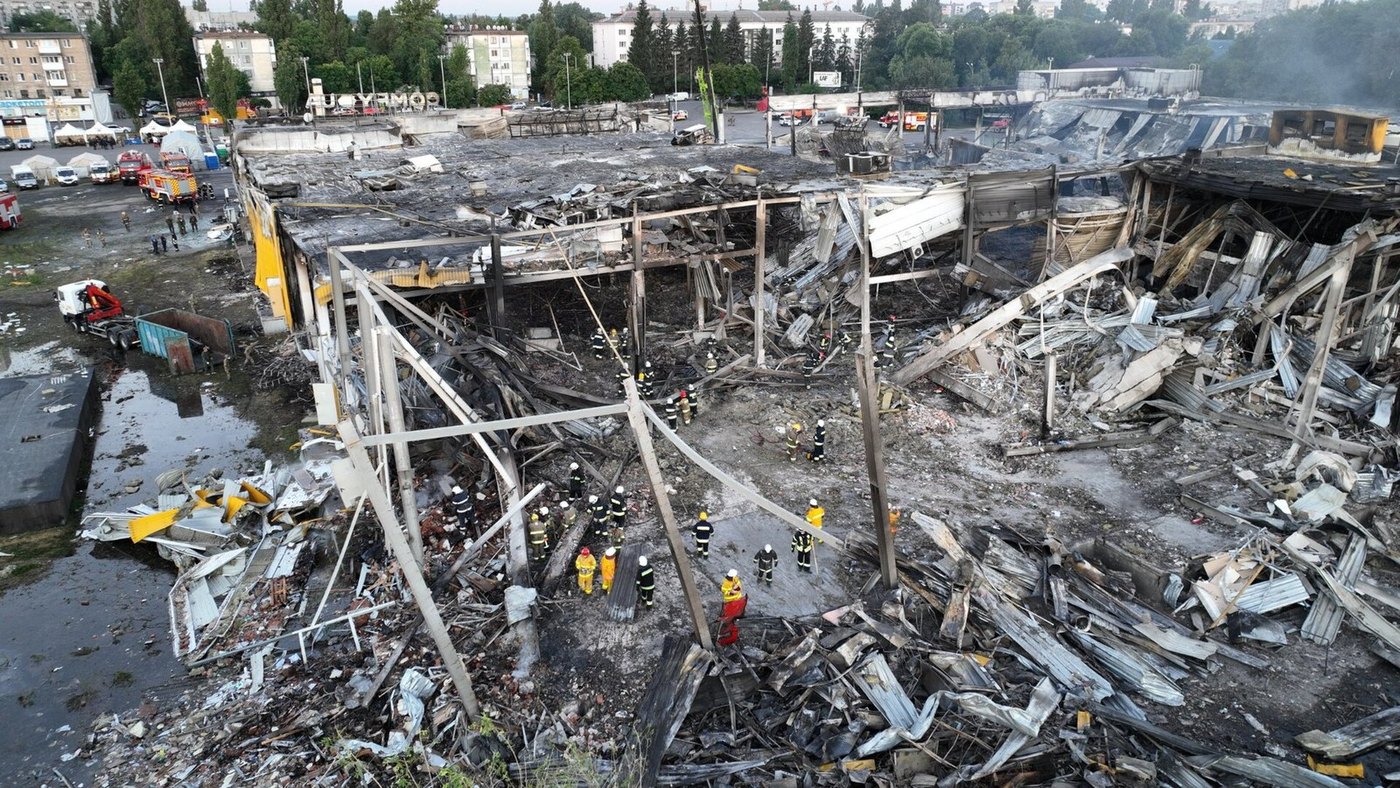
On a Friday afternoon two Russian strike drones hit the Sunny Gallery, the largest shopping centre in a city of 600,000, about half an hour apart. The first set the building on fire with shoppers and staff inside; the second arrived while firefighters and medics were working. Ukrainian authorities count 16 dead and about 140 injured, 23 of them children; the UN has verified 13 dead and 126 injured. No Russian ministry has claimed the strike.
Two drones ~30 min apart on an operating shopping centre; 13 killed, 126 injured — established (OHCHR, verification continuing) Double-tap strikes on rescuers; attacks on retail and logistics companies — pattern War crime: attack on civilians and on rescue personnel — position (Art. 438(2) CCU)
Russia said. Vladimir Putin · President · Vesti interview · 22 Aug 2026: “We have begun to respond to the enemy's actions against our civilian industrial facilities and logistics … It opened this Pandora's box itself.” — A statement of intent, not a legal justification. Reprisals against the civilian population are prohibited without exception (AP I art. 51(6)). A declared policy of 'response' the day after 16 civilians died in a shopping centre is evidence of state policy, not a defence.
Evidence held: OHCHR/HRMMU, Protection of Civilians, August 2026 (16 Sep 2026); Same update; Office of the Prosecutor General, 21 Aug 2026; Dnipropetrovsk regional administration (O. Hanzha), 21–22 Aug 2026.
Photo & video · 4 photos
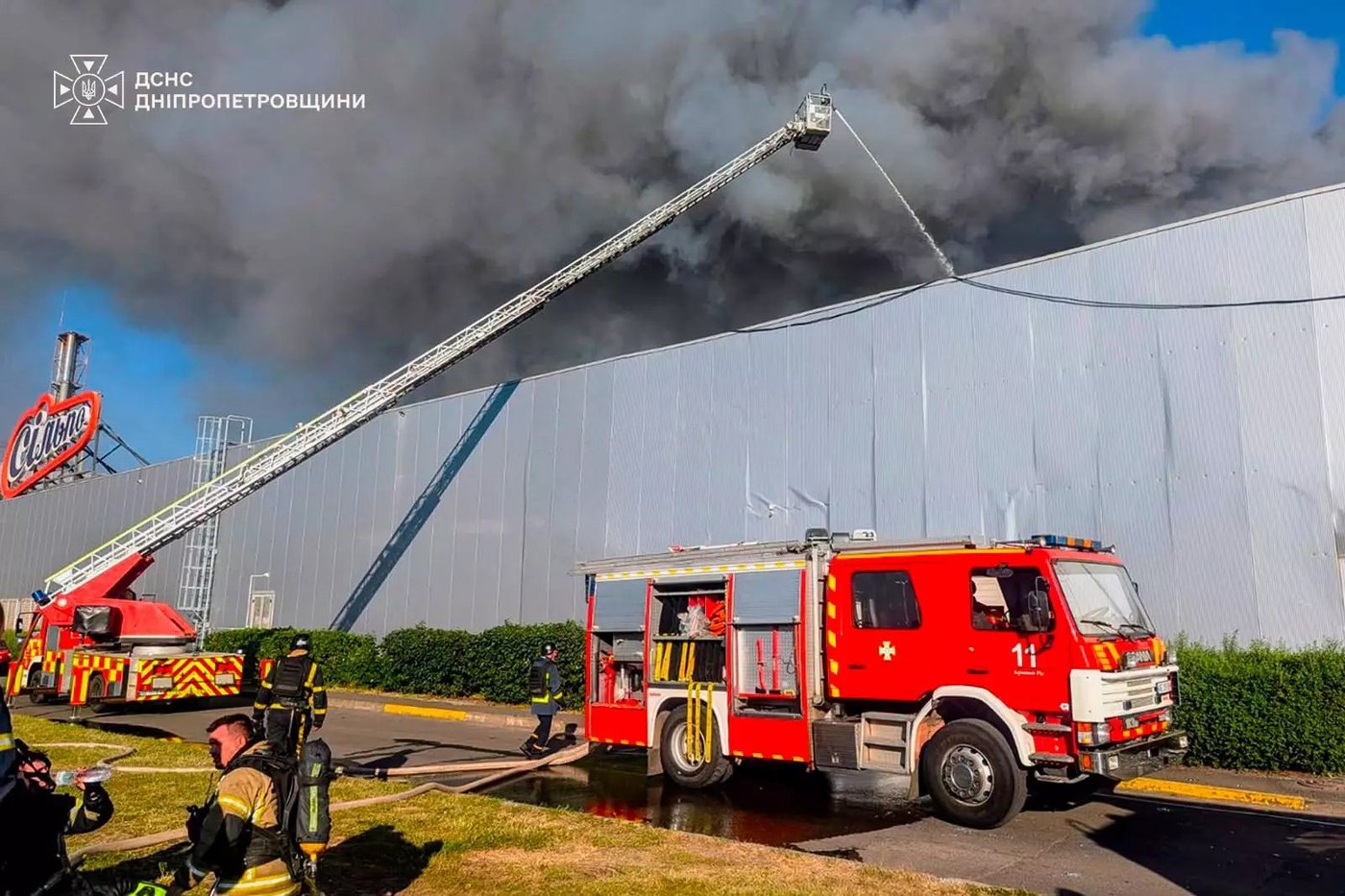
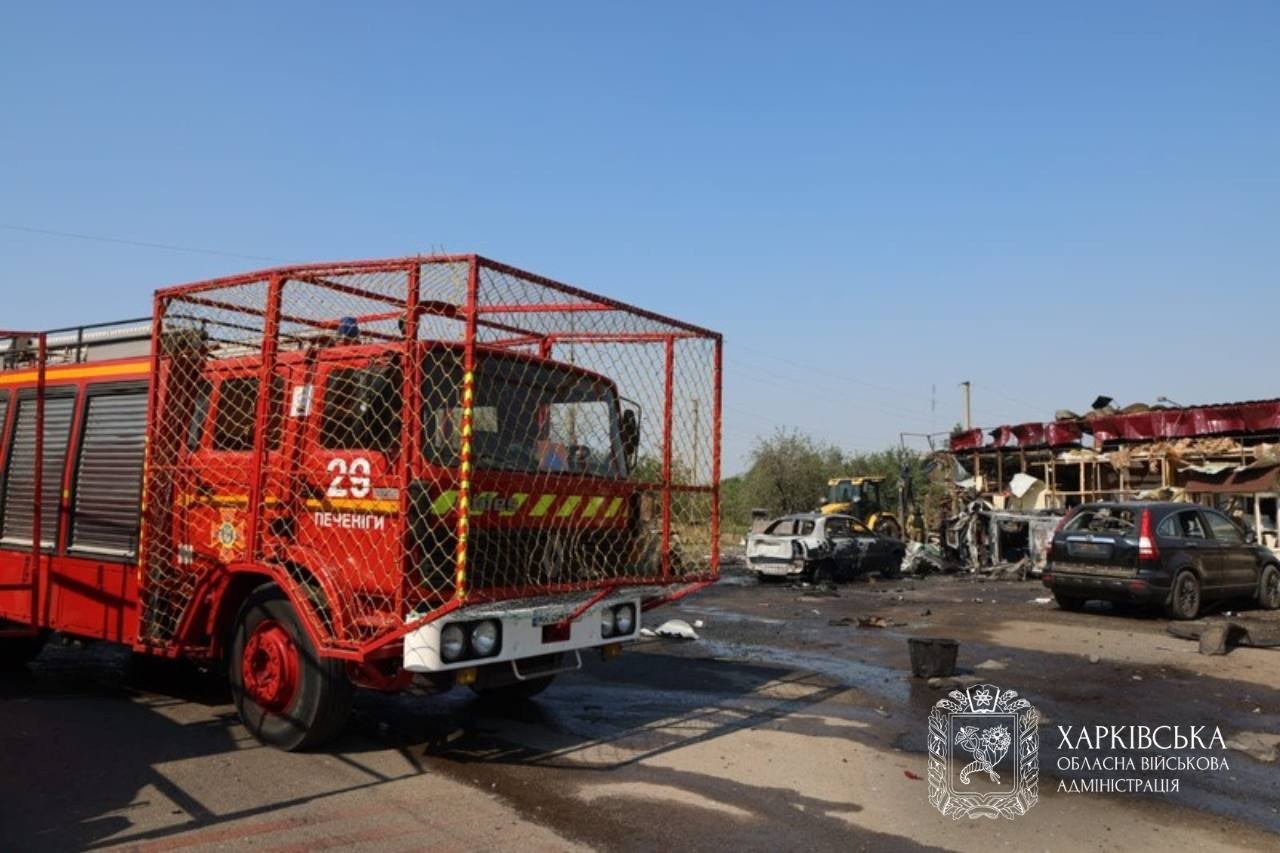
On a Tuesday morning two Russian Banderol cruise missiles hit the busiest crossroads of Pechenihy, a settlement on the Siverskyi Donets, about fifty metres apart — one on a café, one on the car park by the bus stop. Ten people died, among them the café's cashier and the man grilling meat outside; at least eighteen were injured. The community head: no military objects in the impact zone. Russia's Ministry of Defence has not commented.
Two cruise missiles on a village café and bus-stop car park; 10 killed — reported by Ukrainian authorities; no Tier A incident record yet Cafés and markets in Kharkiv region villages as targets — Hroza 2023, Pechenihy 2026 — pattern War crime: attack on civilians, Art. 438(2) CCU — position (Kharkiv regional prosecutor, 18 Aug 2026)
Russia said. Russian Ministry of Defence · no statement · 18 Aug 2026: “(The Ministry of Defence did not comment on the strike — The Insider, 18 Aug 2026. No later statement located.)” — A strike Russia does not claim is still a strike Russia made. Two guided cruise missiles of a Russian type on a crossroads with no military object; 10 killed, 18 injured; a war-crimes investigation opened the same day. Russia publishes a target list when it claims a target; here it published none.
Evidence held: OHCHR/HRMMU, Protection of Civilians, August 2026 (16 Sep 2026); OHCHR/HRMMU, <i>Attack on Funeral Reception in Hroza</i> (31 Oct 2023); Kharkiv regional administration (O. Syniehubov), 18 Aug 2026; Pechenihy community head (O. Husarov), 18 Aug 2026.
Photo & video · 6 photos
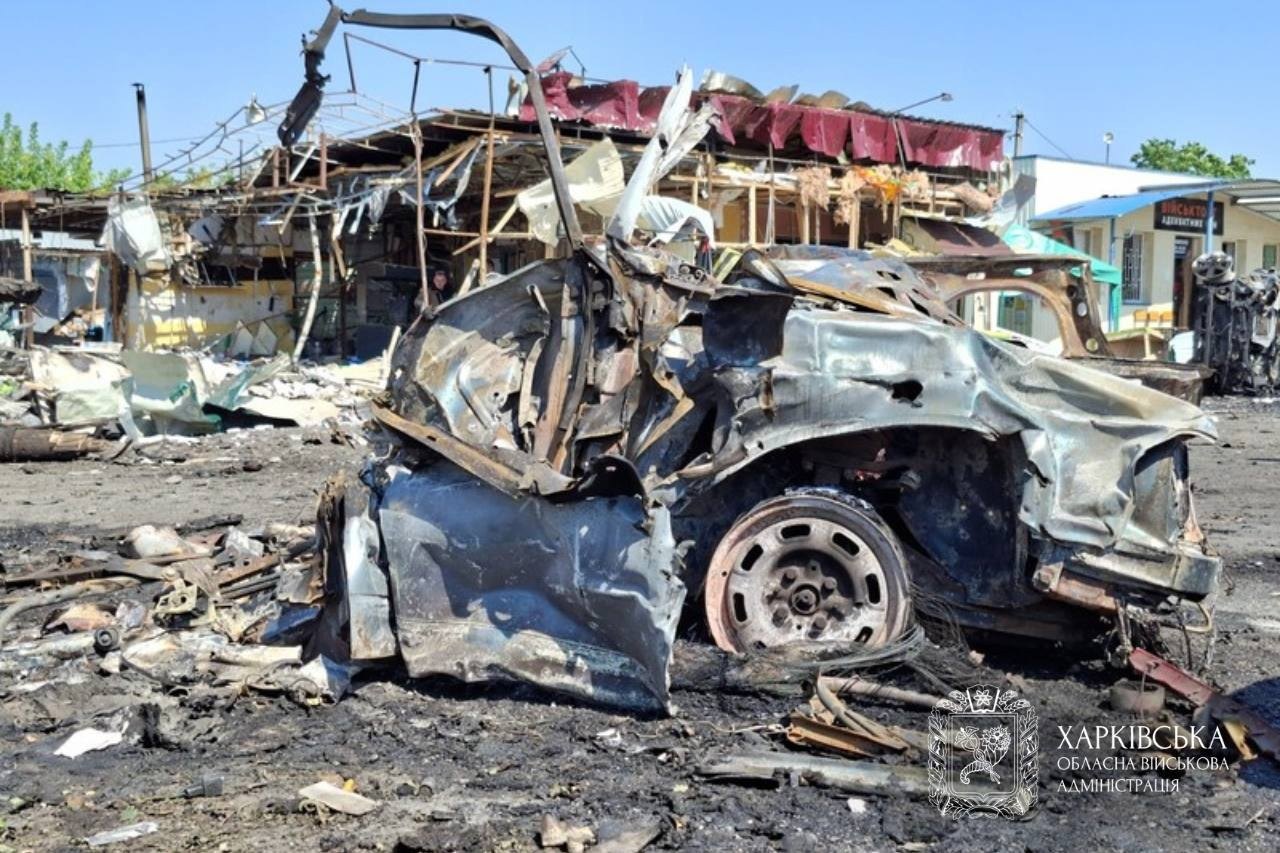
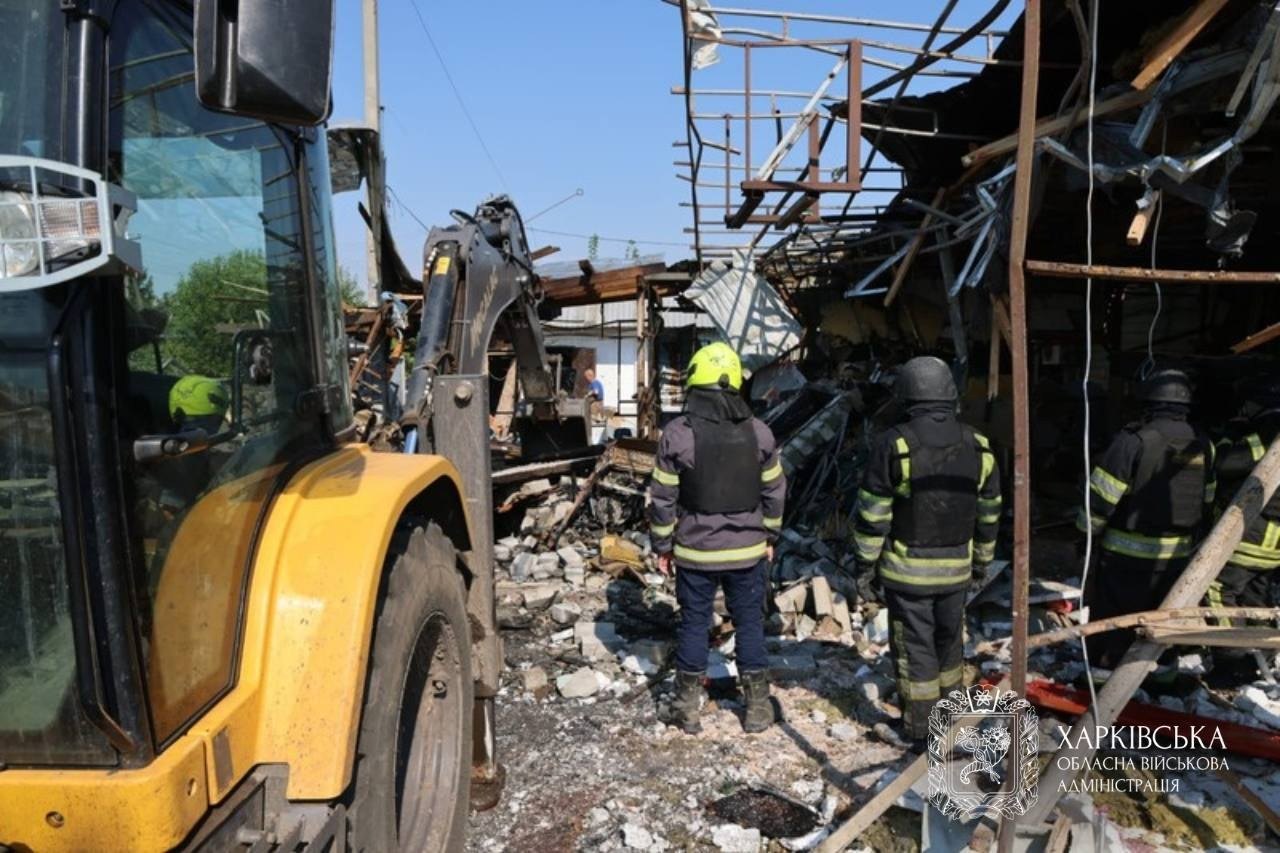
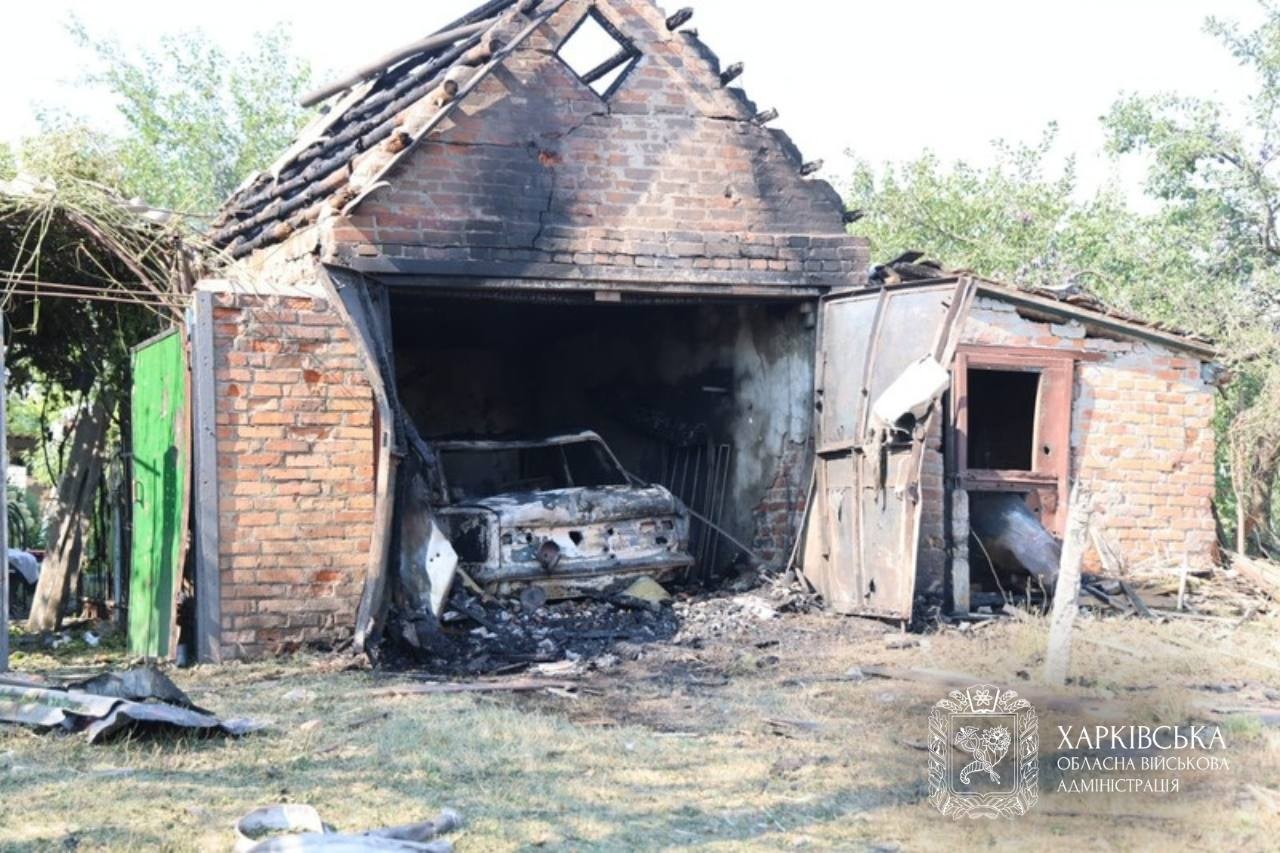
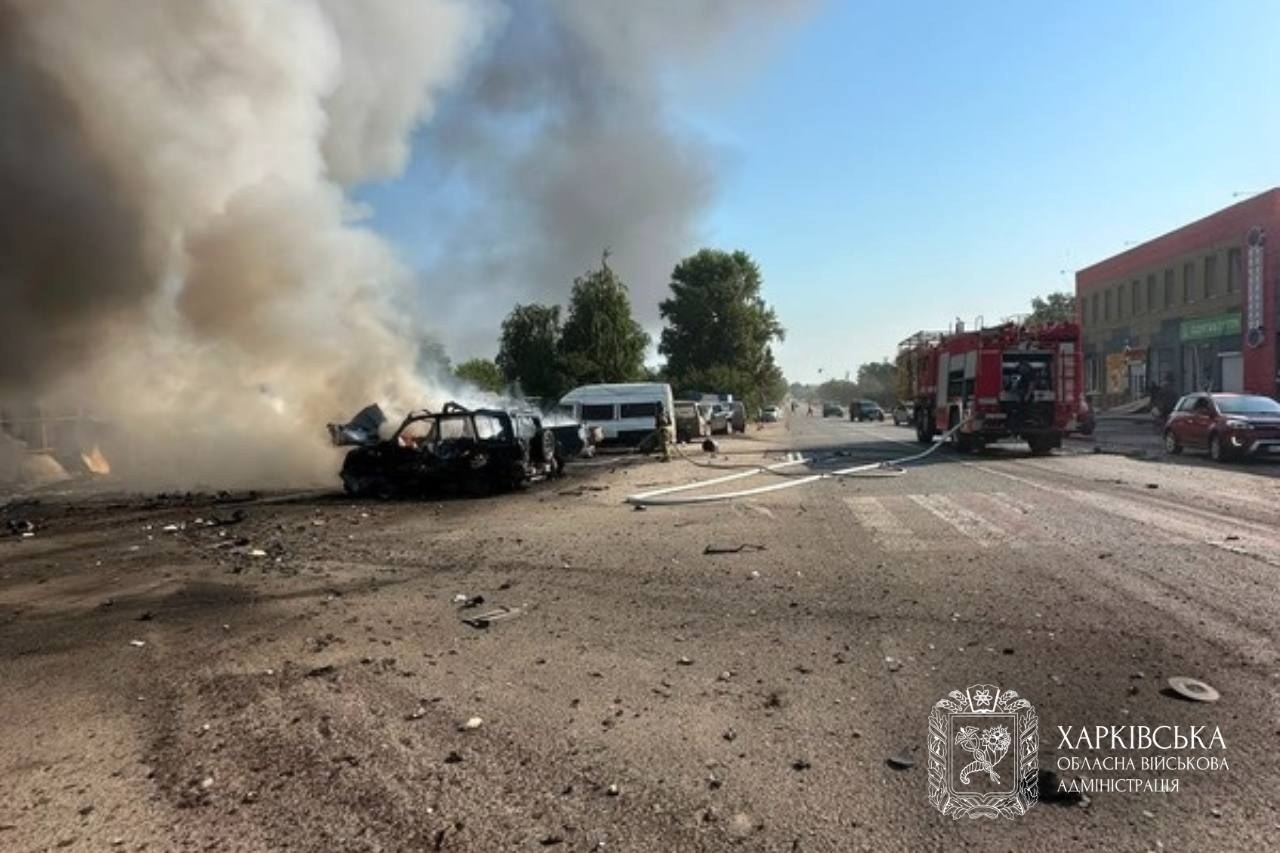

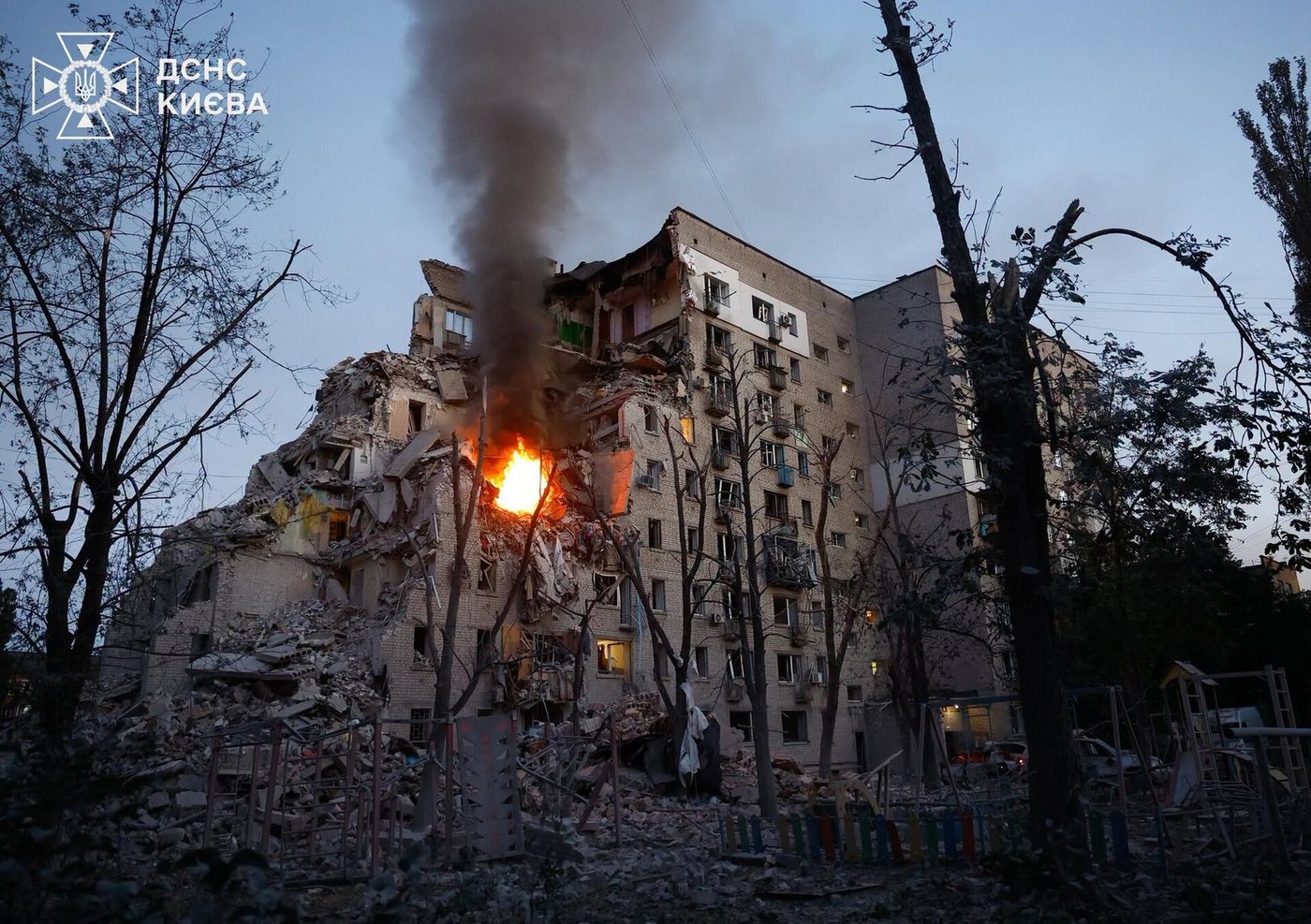
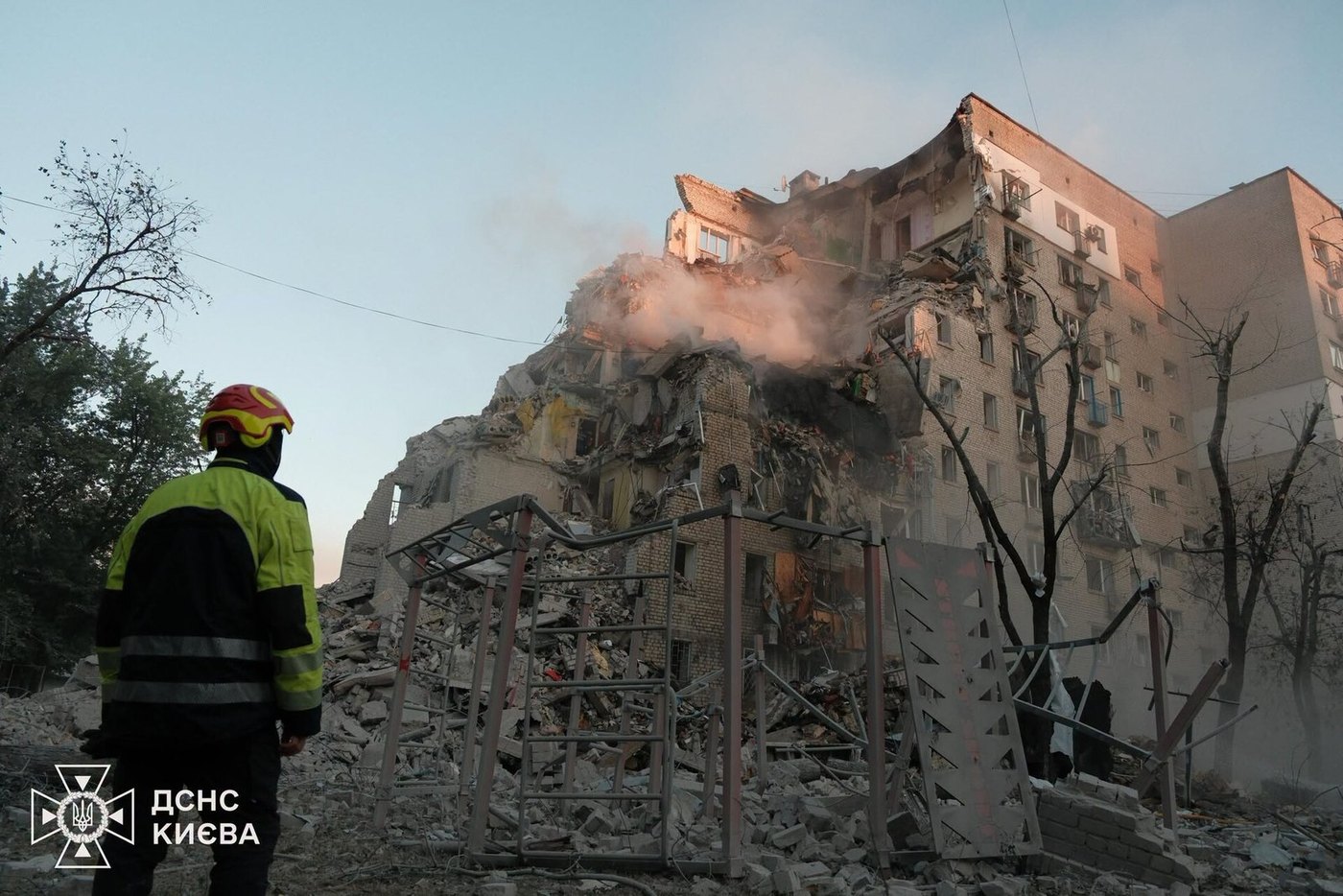
The deadliest attack on Kyiv in 2026 was announced a day ahead by the President and executed from shortly after midnight: 74 missiles — 24 of them ballistic — and 496 drones. A nine-storey block in Darnytskyi lost its lower six floors with the residents inside; an ambulance station and a hotel were hit. The UN verified 30 civilians killed, among them a girl, and at least 104 injured. Russia called it retaliation for Ukrainian strikes on Russia.
30 civilians killed, 104 injured, in a missile and drone attack on Kyiv — established (OHCHR, named incident) Kyiv 2026 campaign: repeated mass-casualty nights, ballistic missiles on residential districts — pattern Indiscriminate attack and attack on civilians; reprisal against the civilian population — position (Art. 438(2) CCU; AP I art. 51(6))
Russia said. Russian Ministry of Defence · statement · 2 Jul 2026: “[Strikes on] military and energy facilities around Kyiv [and military airfields], in retaliation for Ukraine's attack on civilian infrastructure. (as reported by Al Jazeera)” — A declared reprisal — prohibited whatever the target. Additional Protocol I art. 51(6) prohibits attacks against the civilian population by way of reprisals, without exception. The record of harm is 30 verified civilian dead, a residential block without its lower six floors, an ambulance station hit with its crews inside.
Evidence held: OHCHR/HRMMU, press release, 13 Aug 2026; OHCHR/HRMMU, July 2026 PDF; Ukrainian Air Force, 2 Jul 2026 (09; DSNS, 2–4 Jul 2026.
Photo & video · 7 photos
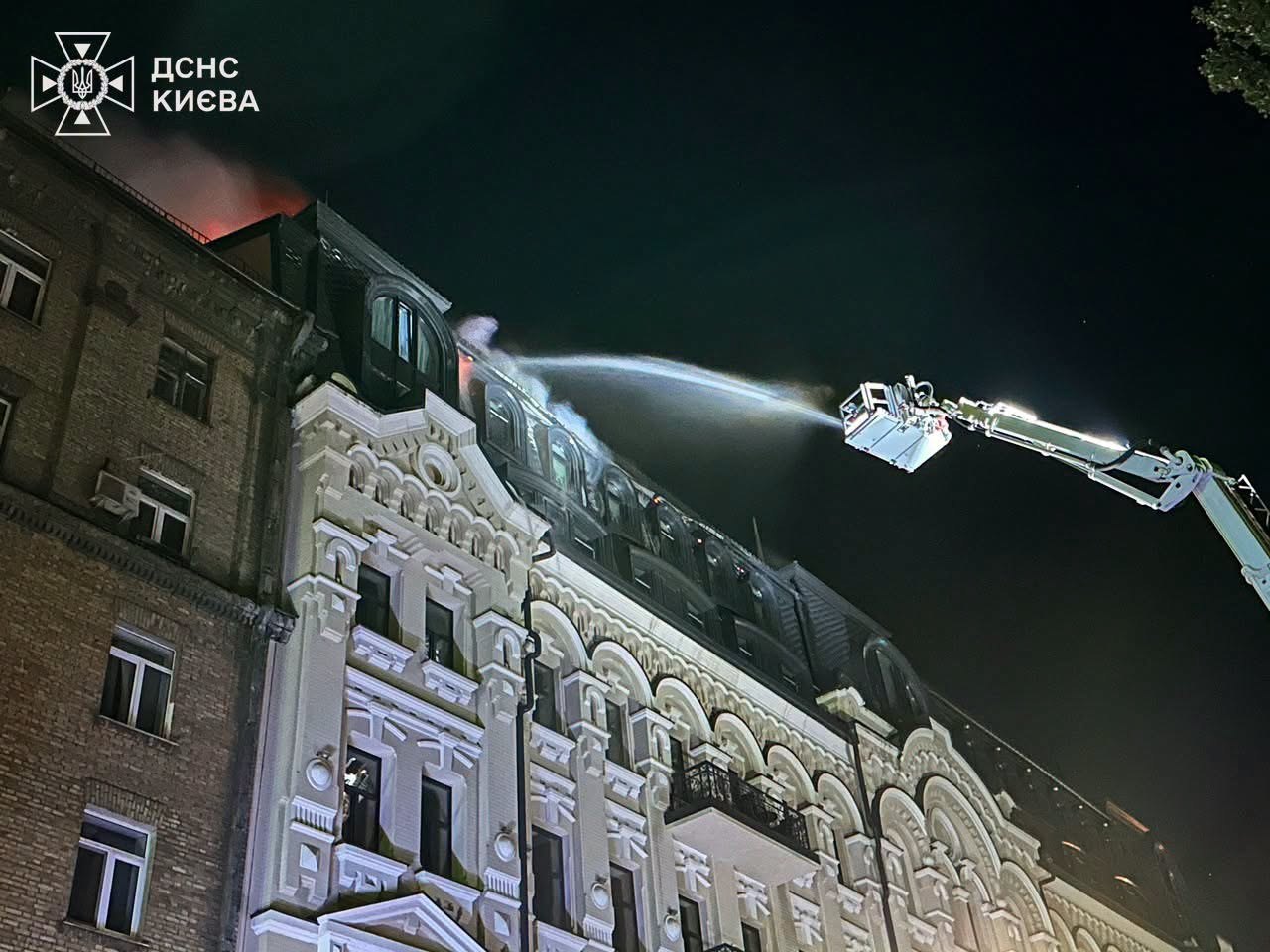
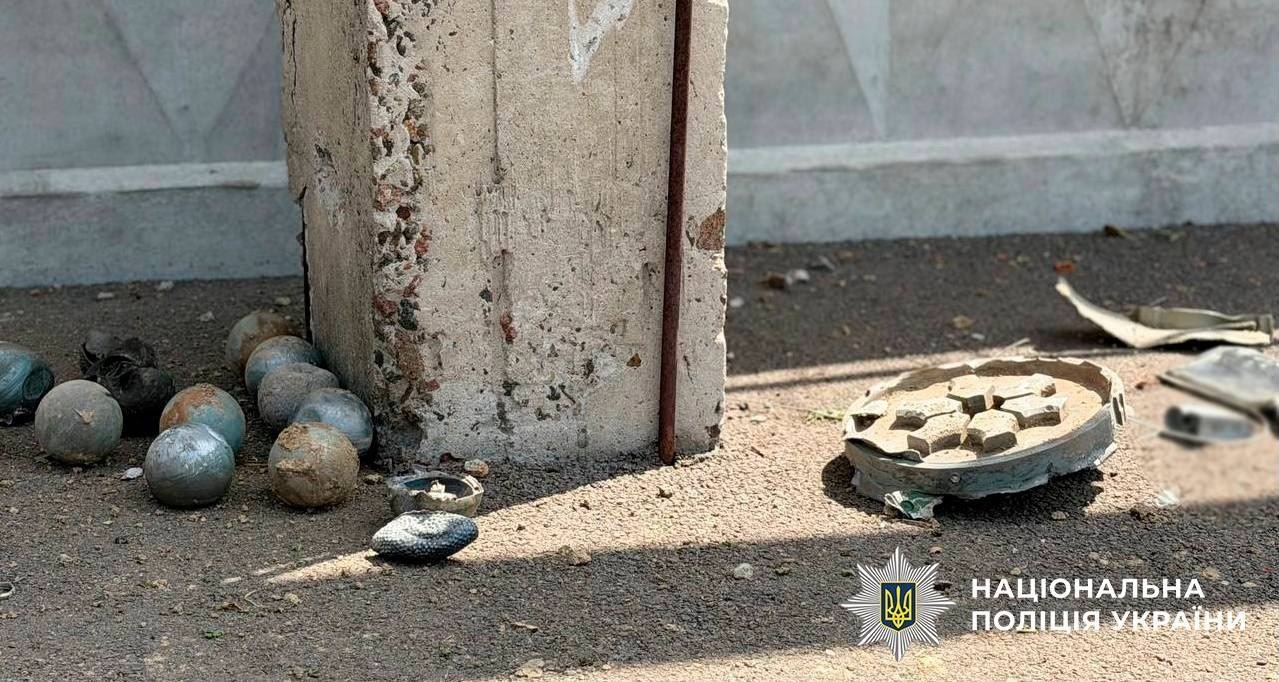
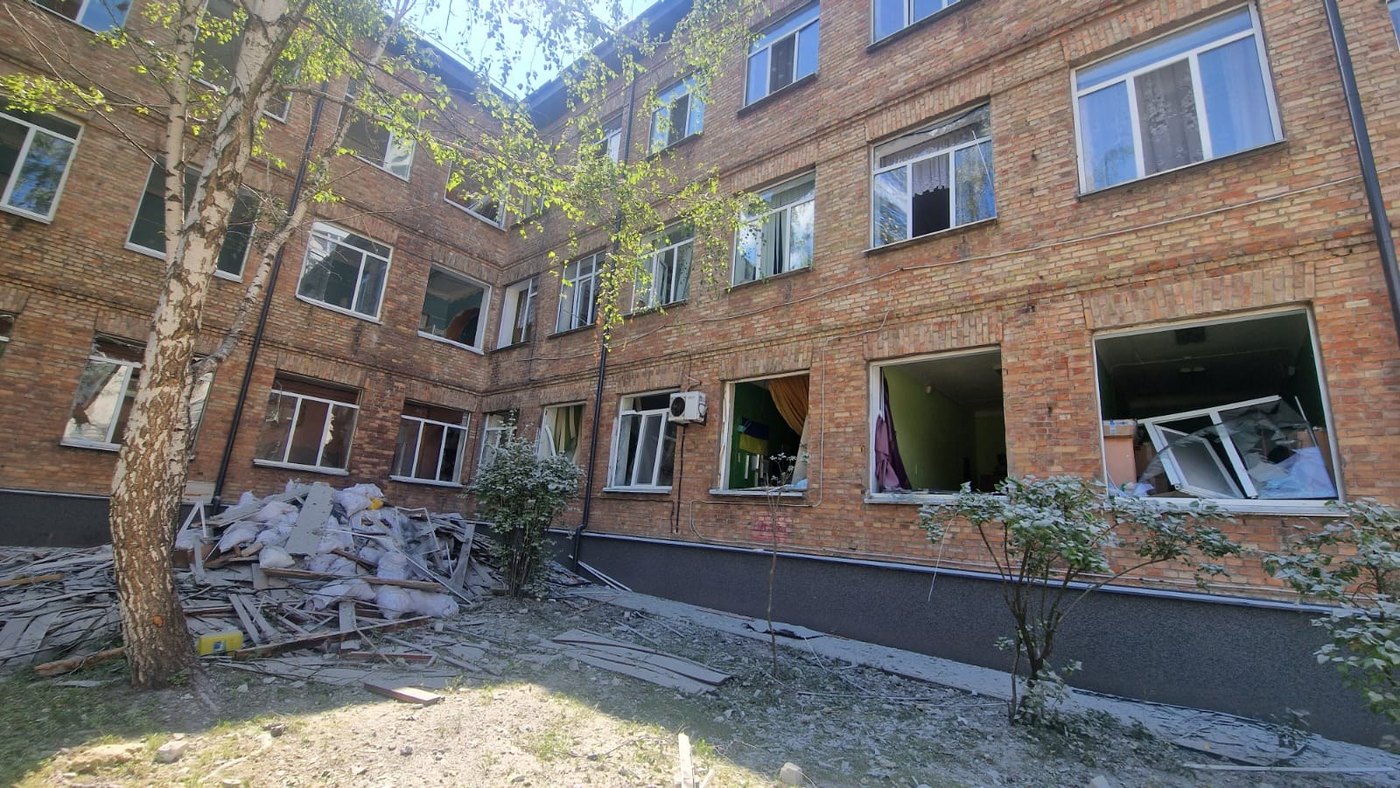
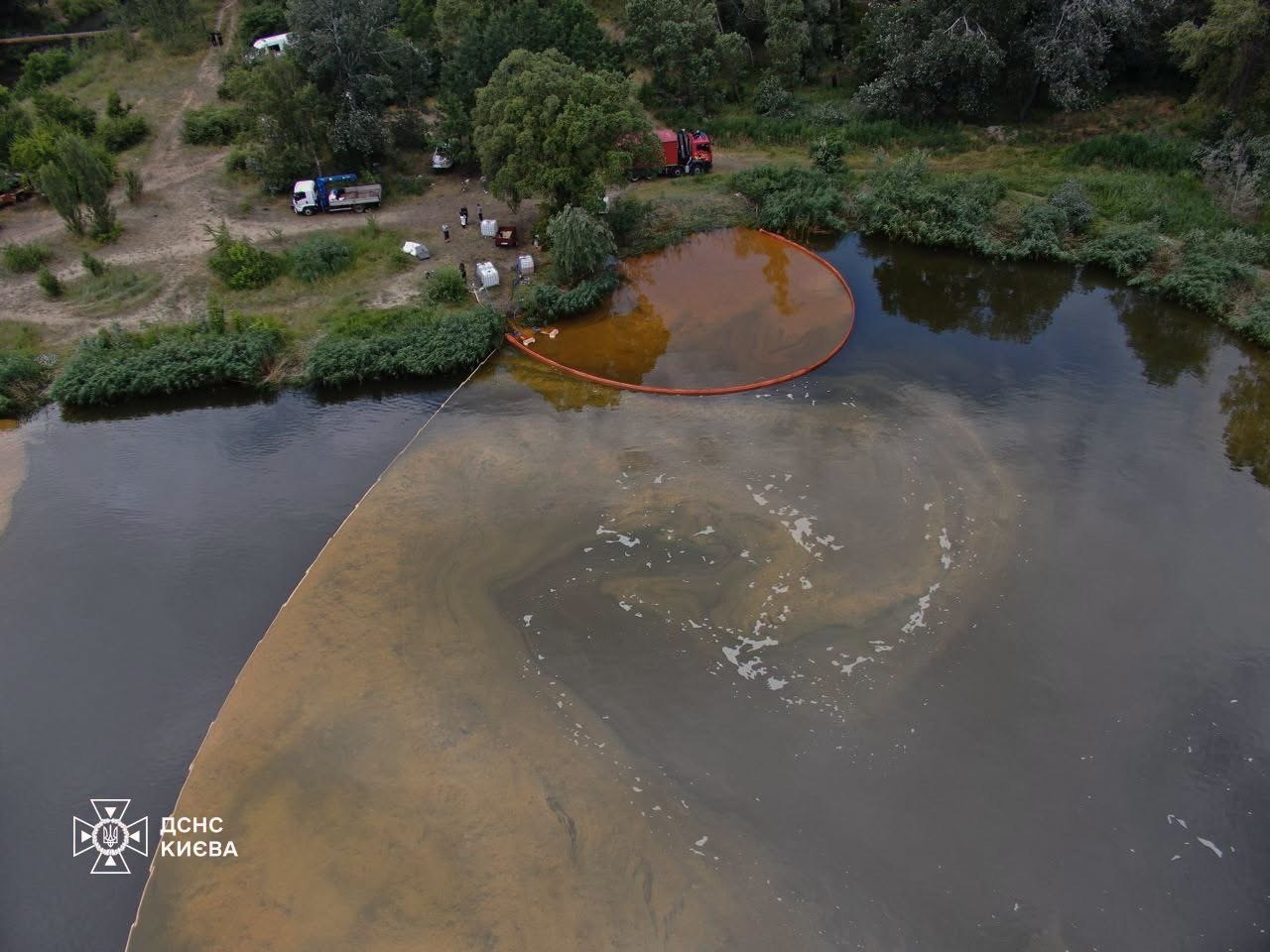
Since July 2024 Russian drone operators on the occupied left bank of the Dnipro have used small camera drones to find and strike people on the other side — pedestrians, cyclists, buses, ambulances, rescuers — and have posted the videos. The UN Commission of Inquiry found the crimes against humanity of murder and forcible transfer, under a command that reports to the Chief of the General Staff. Local authorities count more than 200 killed and 2,000 injured.
Crimes against humanity of murder and forcible transfer — established (Commission of Inquiry, 2025) Short-range drones as the main killer of civilians near the front — pattern (HRMMU 2025–26) War crimes, Art. 438 CCU — position (notices of suspicion to ten operators, 9 Jun 2026)
Russia said. Russian Telegram channel linked to the drone units · post cited by the Commission · 2024: “Get out of the city before the leaves fall, you who are destined to die.” — A threat the Commission treated as evidence of intent. The post accompanies videos of civilians being struck; the Commission found that recurrent attacks, posted videos and threats together form a coordinated policy to force residents out — the crime against humanity of forcible transfer (A/80/497, para. 54).
Evidence held: Commission of Inquiry, A/HRC/59/CRP.2, 'They are hunting us' (28 May 2025); Commission of Inquiry, A/80/497 (21 Oct 2025); Kherson regional administration (Prokudin); Kherson city military administration, data to 21 Jul 2025.
Photo & video · 5 photos

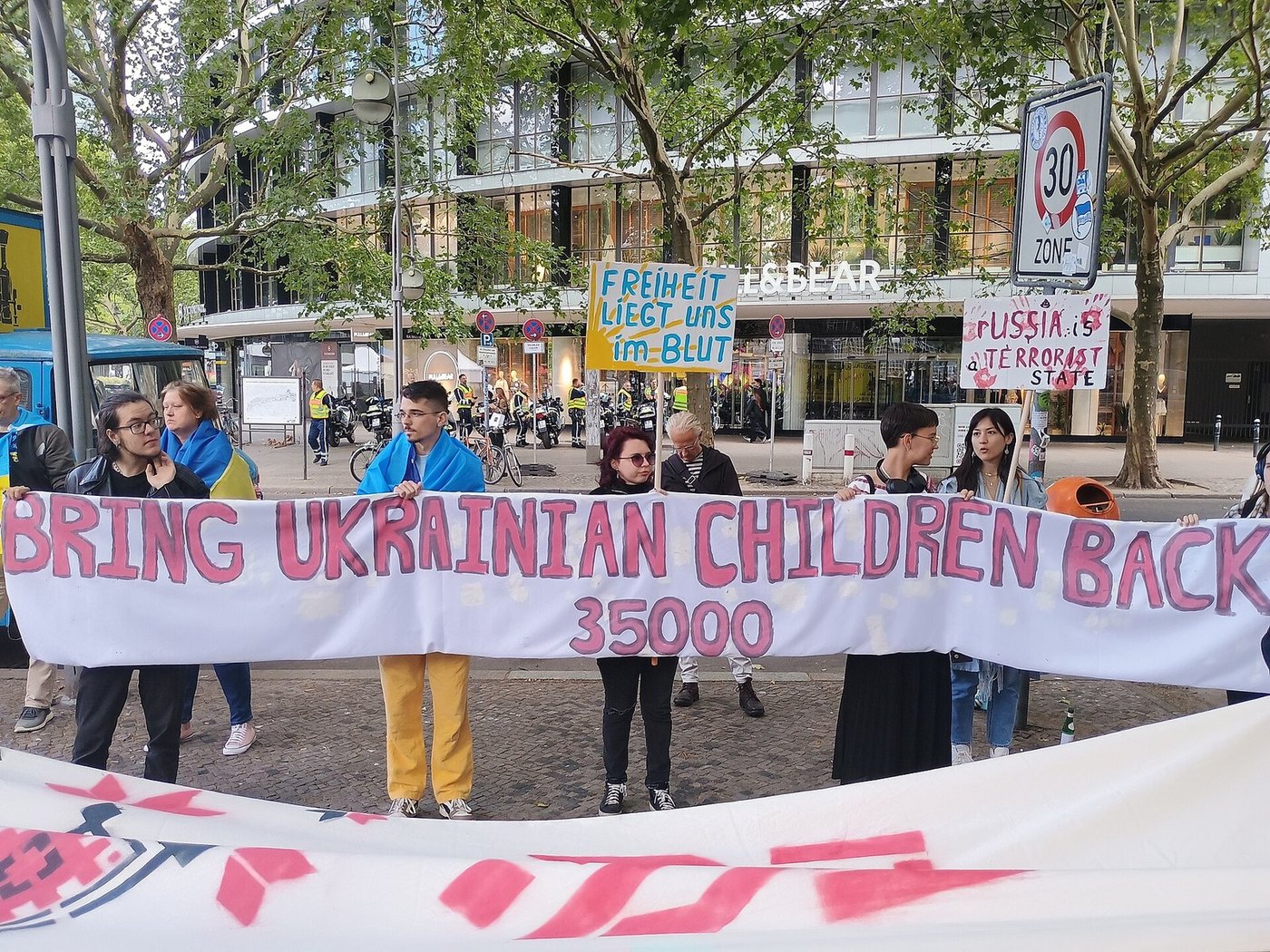
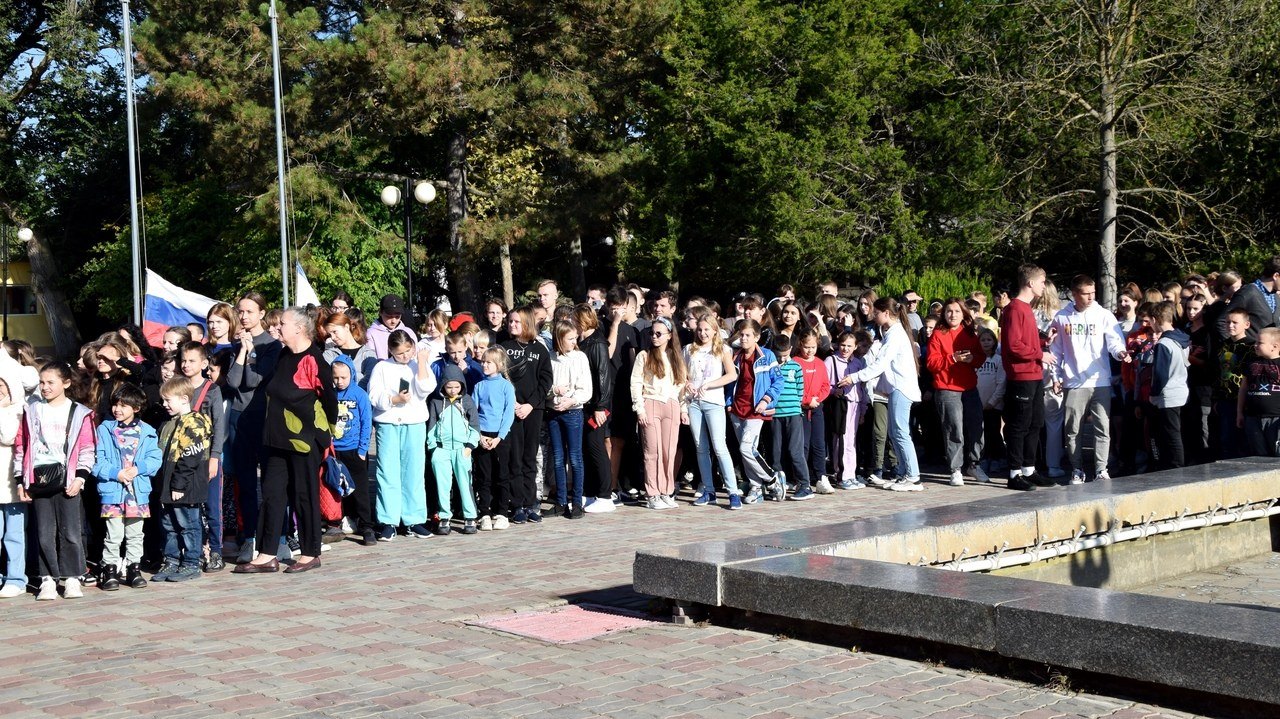
Since 2022 Russia has moved Ukrainian children from occupied territory into camps, foster families and adoption inside Russia, issued them passports and, in most cases, told their relatives nothing. Ukraine has recorded 20,651 cases and brought 2,665 children home. The ICC issued arrest warrants for Vladimir Putin and his children's commissioner in March 2023; in March 2026 the UN Commission of Inquiry found the deportations to be crimes against humanity.
Unlawful deportation and transfer of children — established (ICC warrants, 17 Mar 2023; COI; ECtHR) Camps, re-education, passports, adoption — pattern (COI; OSCE; Yale HRL) Genocide, Art. 442 CCU / Art. II(e) Genocide Convention — position (Ukraine)
Russia said. Dmitry Peskov · Kremlin spokesman · 17 Mar 2023: “Any decisions of this kind are null and void for the Russian Federation from the point of view of law.” — Binding on 125 states parties regardless. The warrants oblige every Rome Statute state party to arrest the suspects on its territory; the Court's jurisdiction rests on Ukraine's declarations and, since 1 Jan 2025, its membership. Russia's non-recognition does not touch third states' obligations.
Evidence held: ICC, 17 Mar 2023; Commission of Inquiry; Ombudsman's Office, 7 Oct 2026; Bring Kids Back UA (Maksym Maksymov), 21 Sep 2026.
Photo & video · 2 photos

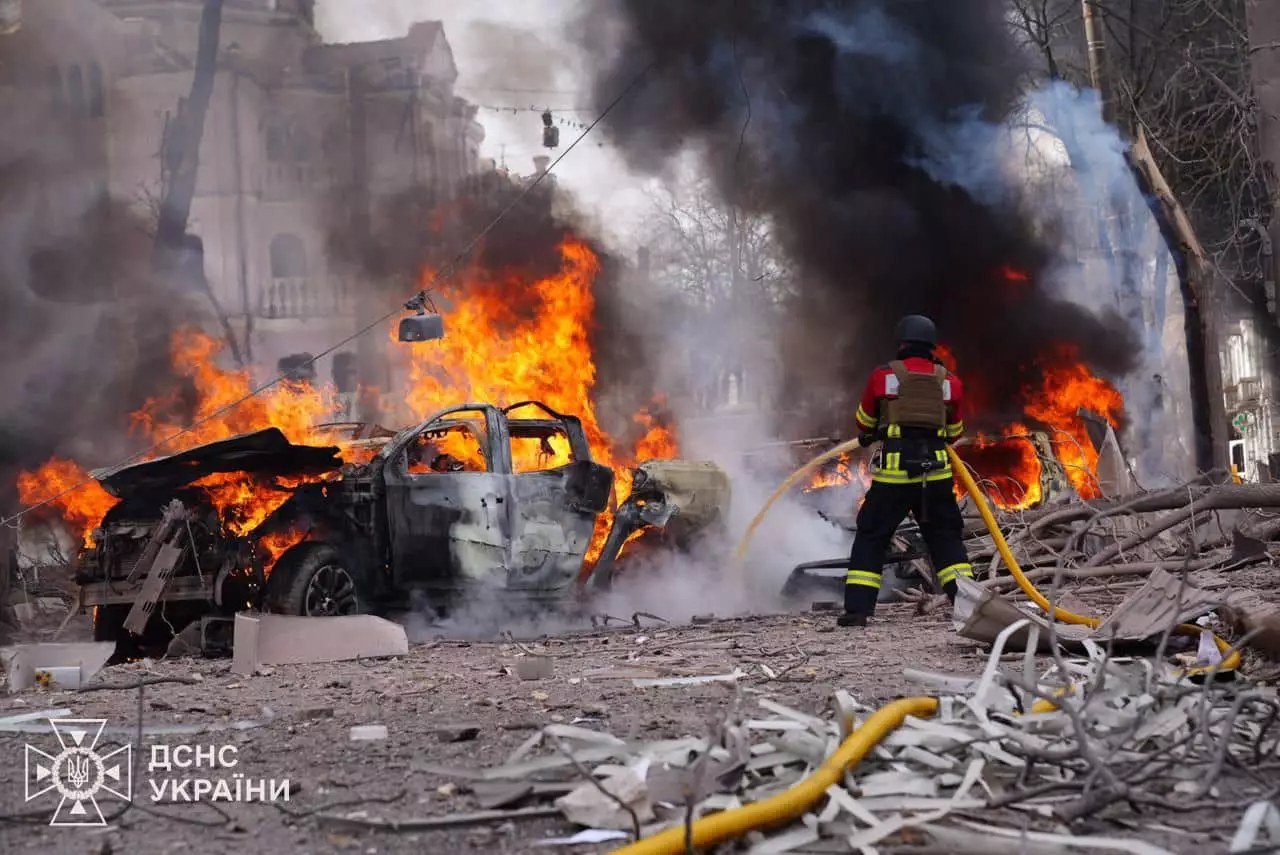
At about 10:15 on Palm Sunday two Iskander-M ballistic missiles struck the centre of Sumy, 30 km from the Russian border, as people walked past the university congress centre. The second fell as passers-by ran to help; a trolleybus full of passengers burned. 35 civilians were killed, two of them children. Russia said it had hit a 'command meeting' and killed 'over 60 servicemen'. A year later Ukraine charged eight officers.
Deadly ballistic strike on civilians in a city centre — recorded by HRMMU (31 killed verified by 24 Apr 2025); condemned by the Secretary-General Iskander strikes on city centres with a second missile on rescuers — pattern (Kryvyi Rih 4 Apr 2025, Sumy 13 Apr 2025) War crime causing death, by a group — position (Art. 438(2) CCU; eight officers charged 10 Apr 2026)
Russia said. Russian Ministry of Defence · official statement · 14 Apr 2025: “The Armed Forces of the Russian Federation, despite active electronic warfare, carried out a strike with two Iskander-M operational-tactical missiles on a location where a command meeting of the 'Siversk' operational-tactical group was taking place in the city of Sumy. Over 60 Ukrainian servicemen were eliminated.” — One serviceman identified among 35 dead. The dead were on a street and in a trolleybus; the UN verified 31 civilians killed by 24 Apr 2025. Ukrainian sources identify one military fatality. No name, image or document for the 'command meeting' or the 'over 60' has been produced.
Evidence held: HRMMU press release, 24 Apr 2025; UN Secretary-General via his Spokesperson, 13 Apr 2025; Sumy regional administration and Interior Ministry, 13–14 Apr 2025; HUR, 13 Apr 2025.
Photo & video · 6 photos
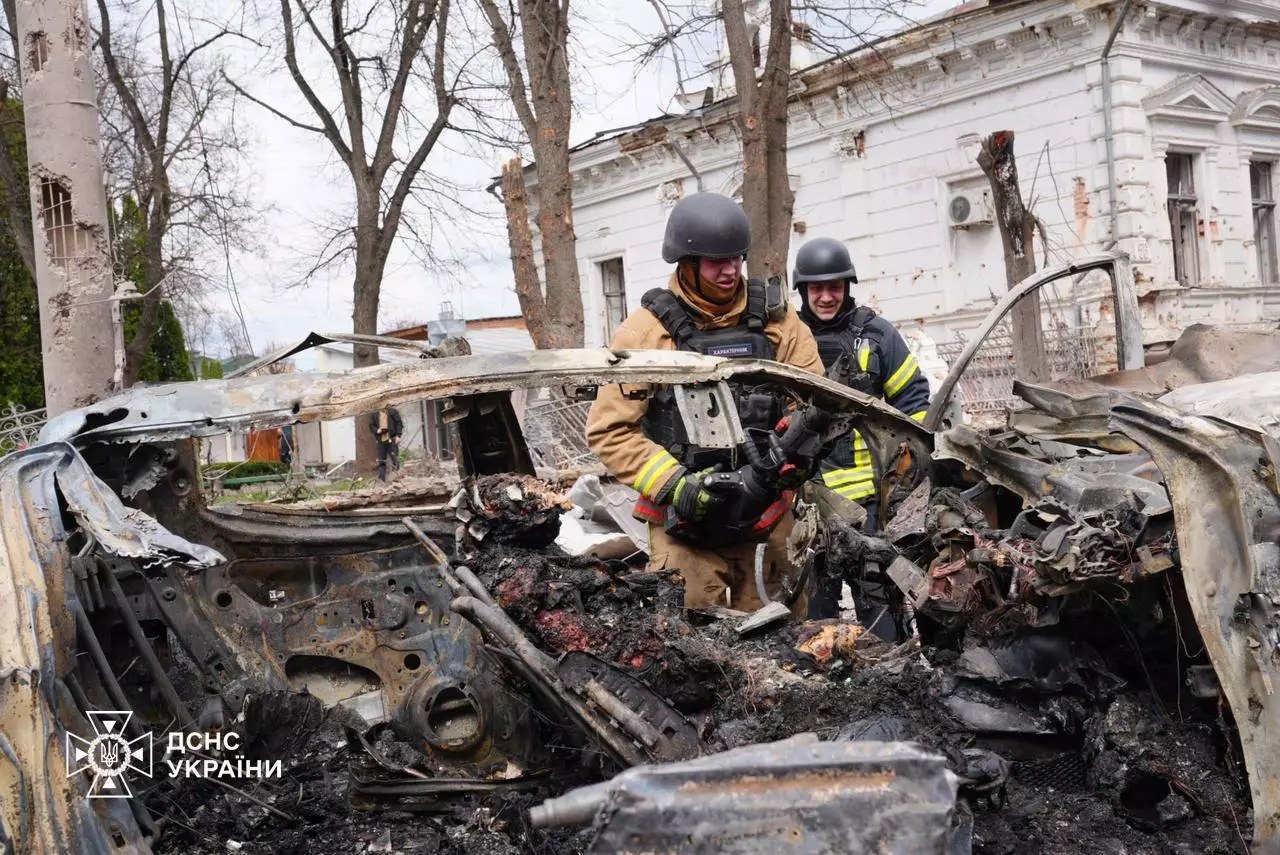
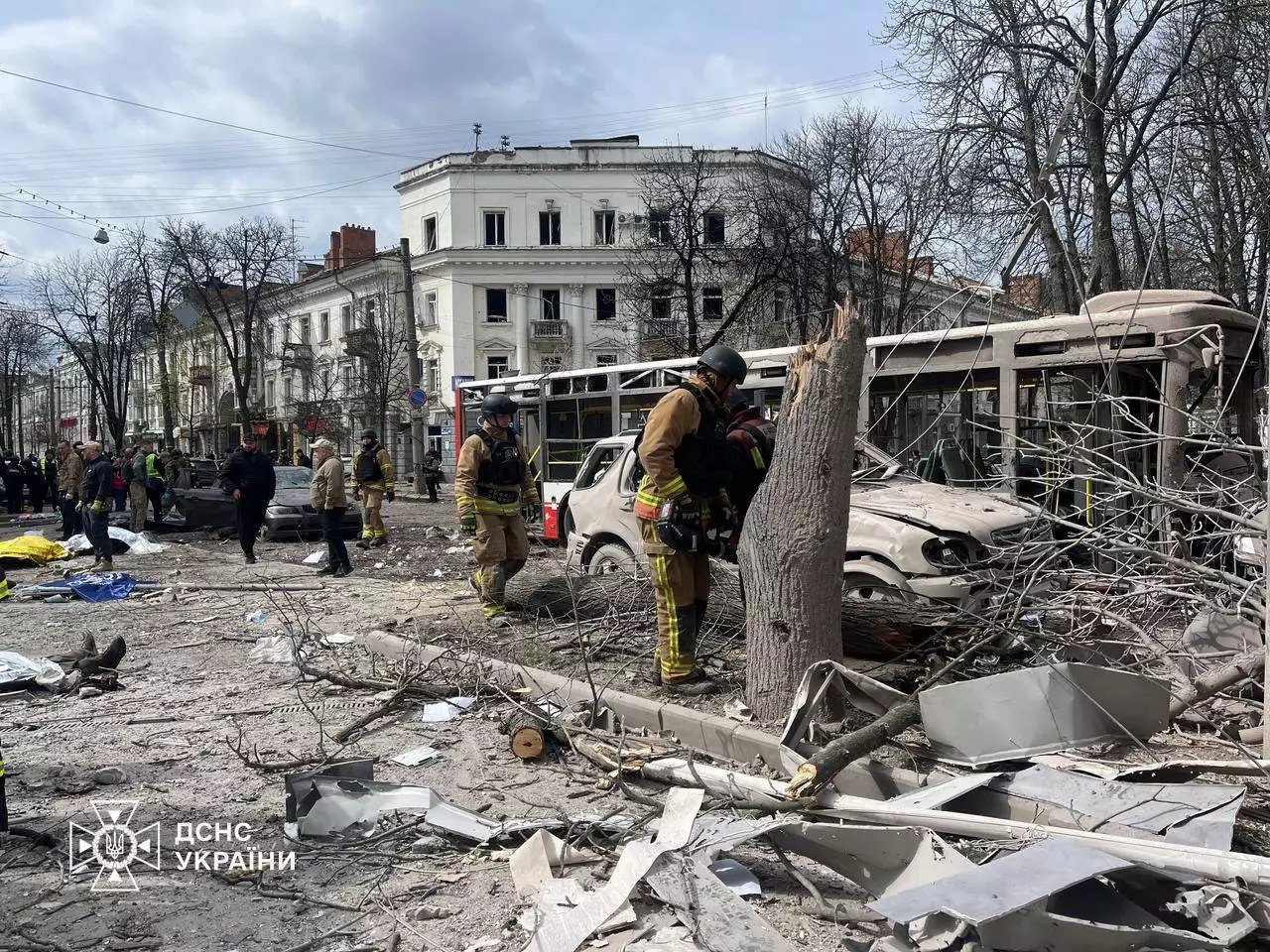
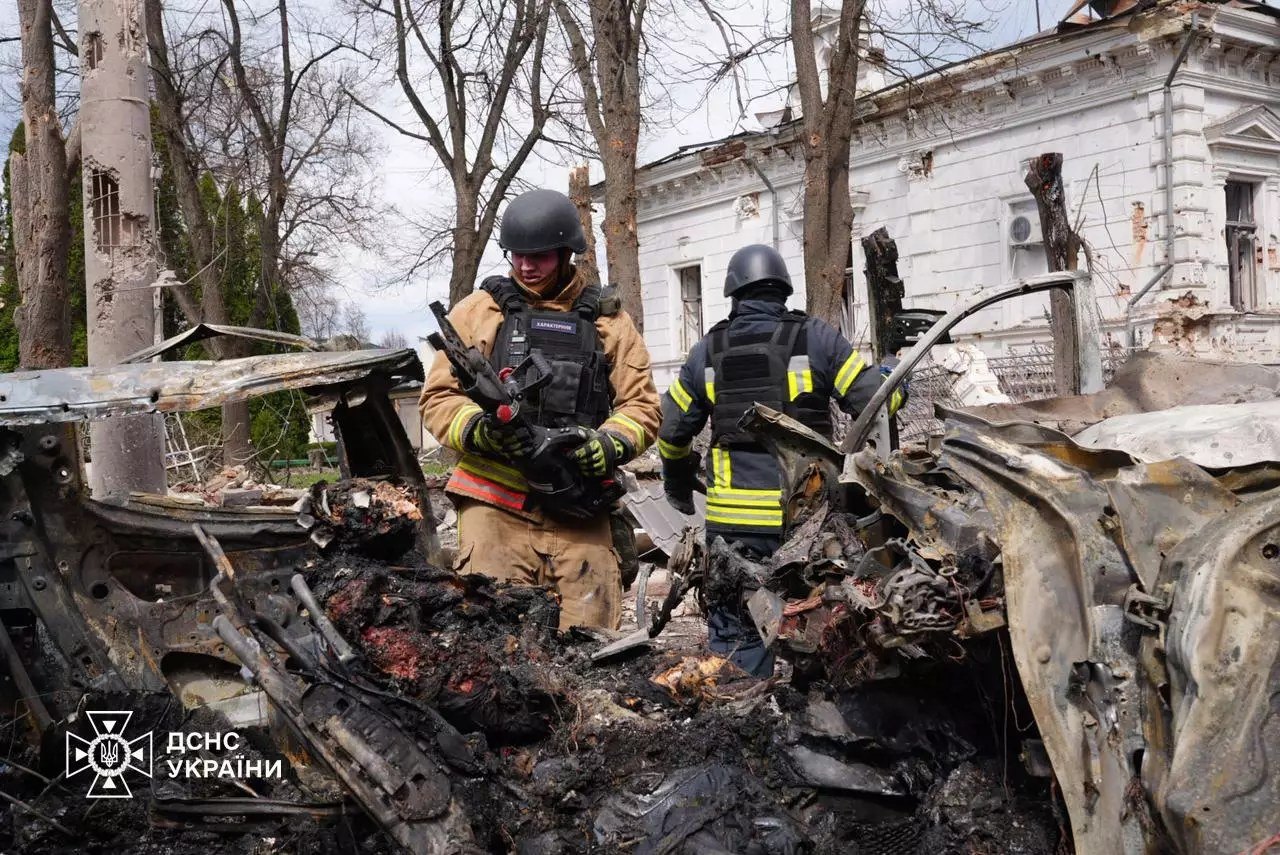
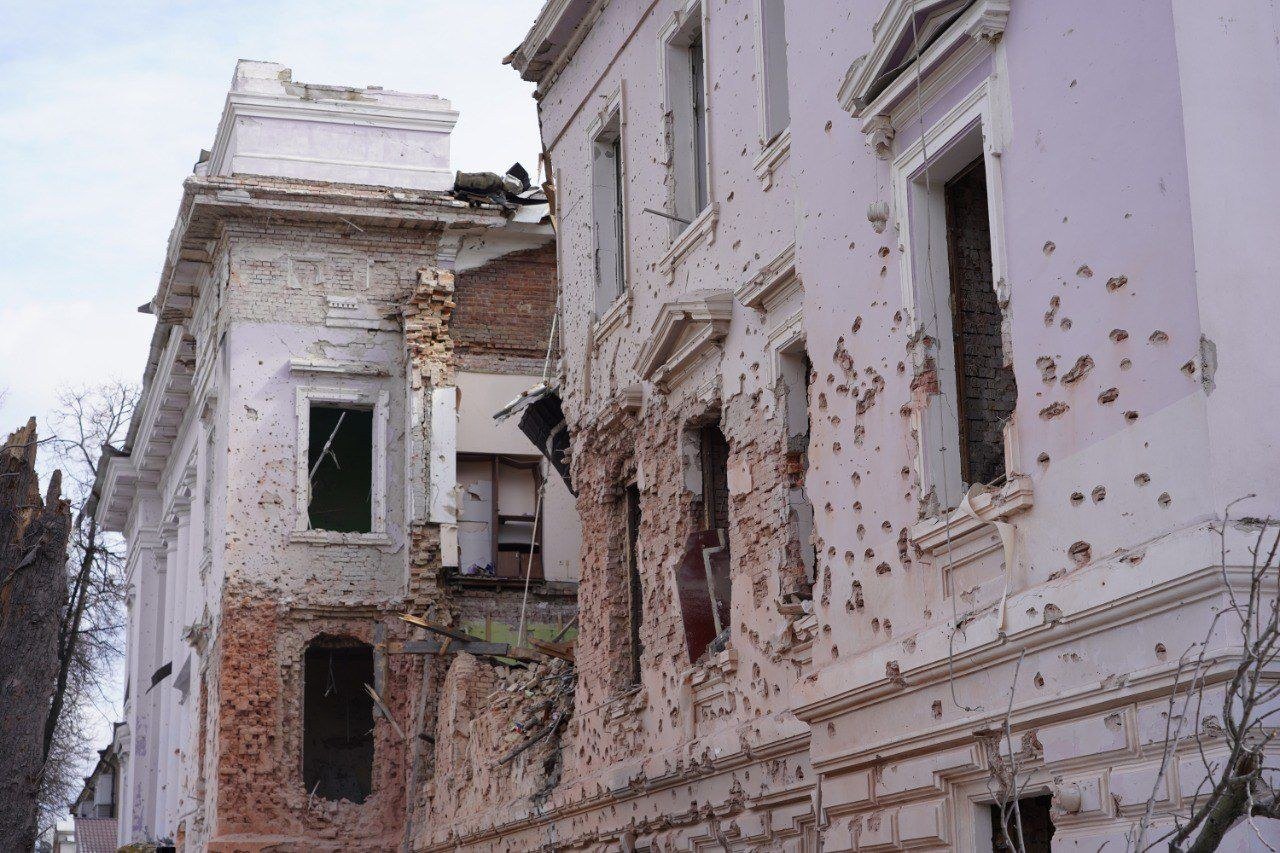
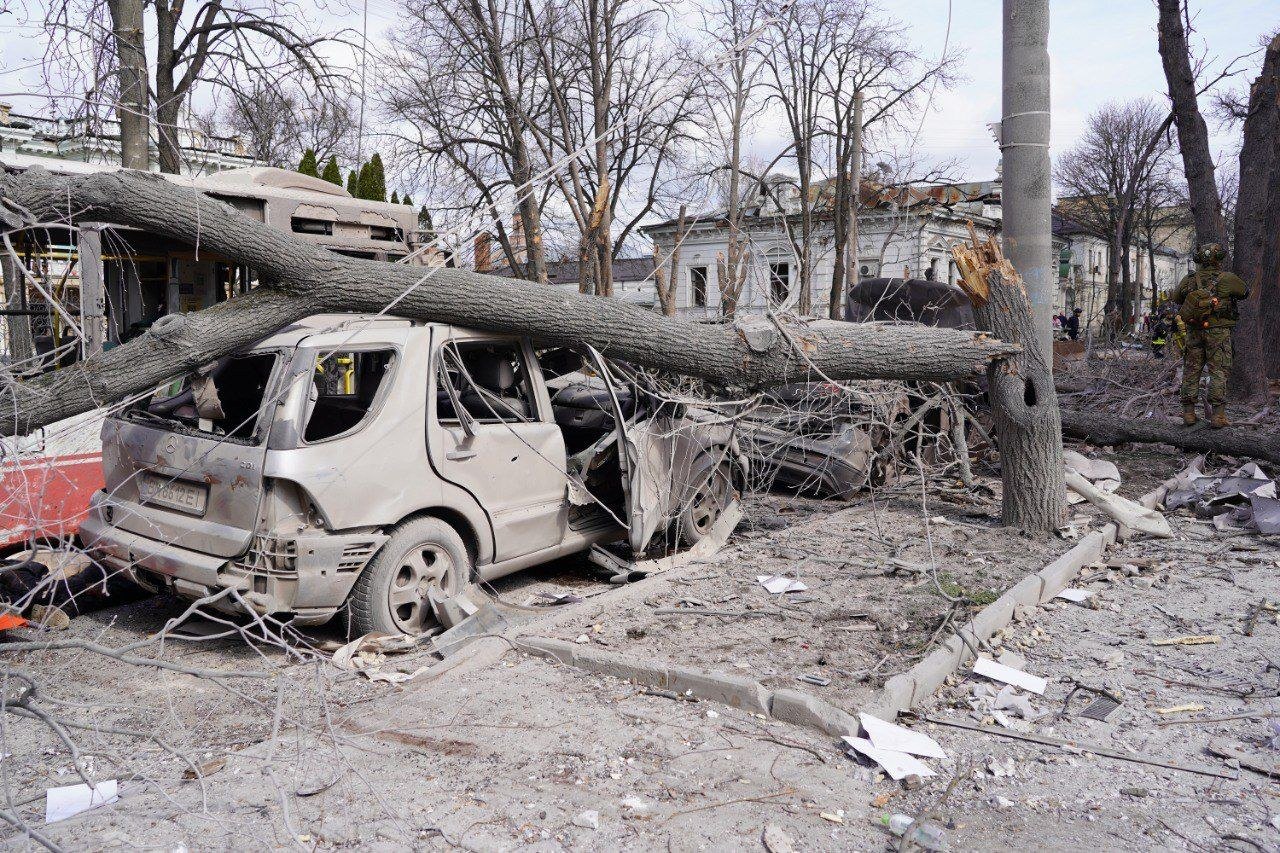

On a Friday evening an Iskander-M ballistic missile detonated over a residential district of Kryvyi Rih — above a playground, a restaurant and the blocks around them. 20 civilians were killed, nine of them children aged three to seventeen. The UN High Commissioner called it 'an unimaginable horror'. Russia said it had hit 'a meeting of unit commanders and Western instructors' and killed 'up to 85 servicemen'. The restaurant's cameras show a birthday party.
No military presence; possibly indiscriminate attack — established on site (OHCHR / HRMMU, 6 Apr 2025) Area-effect ballistic strikes on city districts with a 'military meeting' claim — pattern (Kryvyi Rih, Sumy, Apr 2025) War crime causing death, by a group — position (Arts. 28(2), 438(2) CCU; four officers charged 24 Nov 2025)
Russia said. Russian Ministry of Defence · Telegram statement · 4 Apr 2025: “A high-precision strike [was carried out on] a meeting of unit commanders and Western instructors [in a restaurant in Kryvyi Rih]. Enemy losses total up to 85 servicemen and officers of foreign countries, and up to 20 vehicles.” — The restaurant's cameras show a birthday party. France 24 published the restaurant's CCTV at the moment of impact: patrons and staff, no soldiers. HRMMU heard from staff and the business association that a beauty-industry forum had just ended. The detonation was over the playground, 70–80 m from the restaurant. Nine of the 20 dead were children; no serviceman has been identified among them by anyone.
Evidence held: OHCHR, High Commissioner Türk, 6 Apr 2025; HRMMU press release, 24 Apr 2025; Dnipropetrovsk regional administration (Lysak), 4–6 Apr 2025; General Staff, 5 Apr 2025.
Photo & video · 6 photos
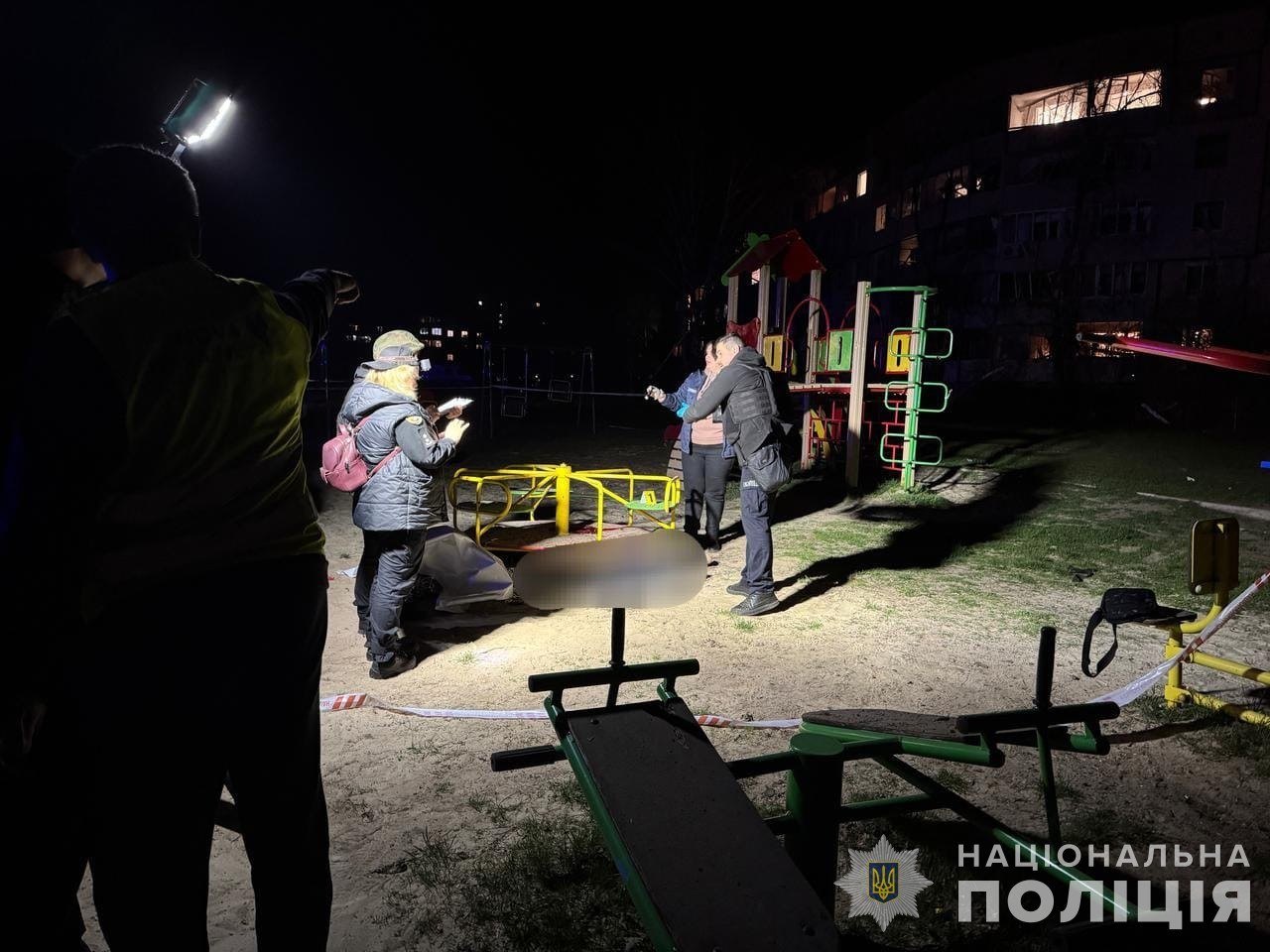
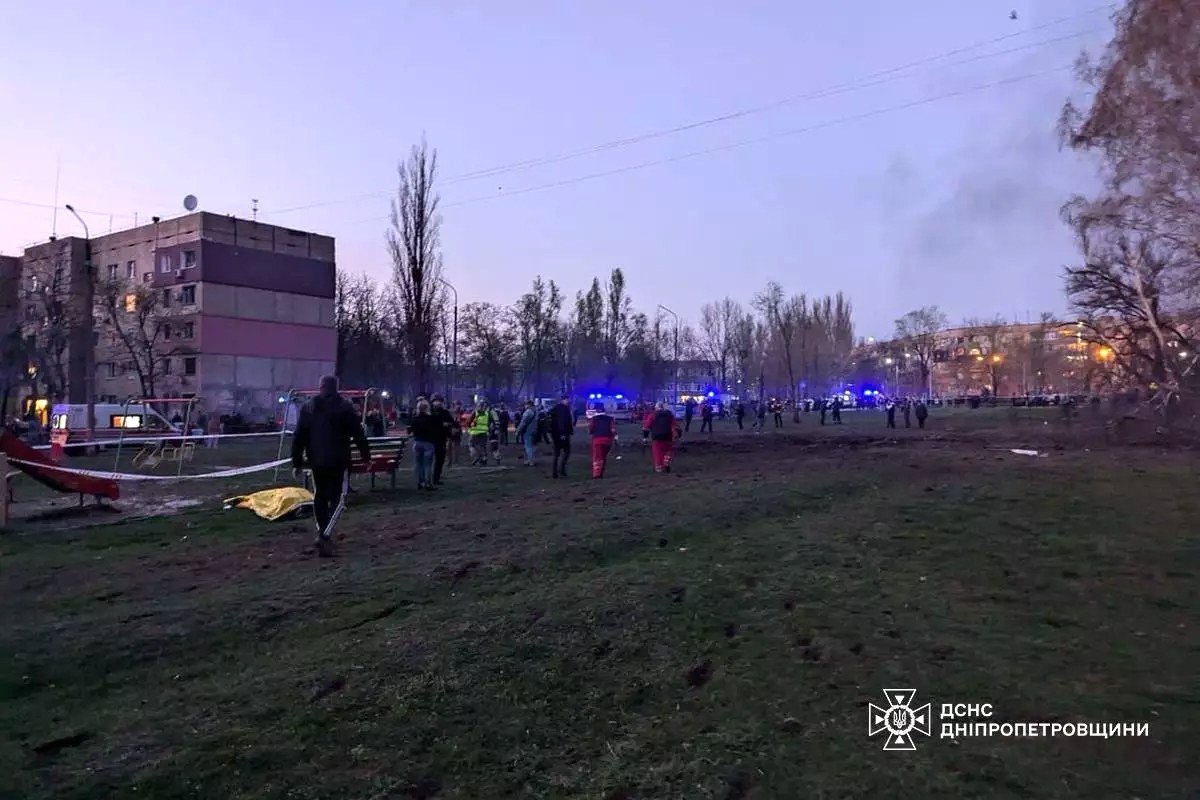
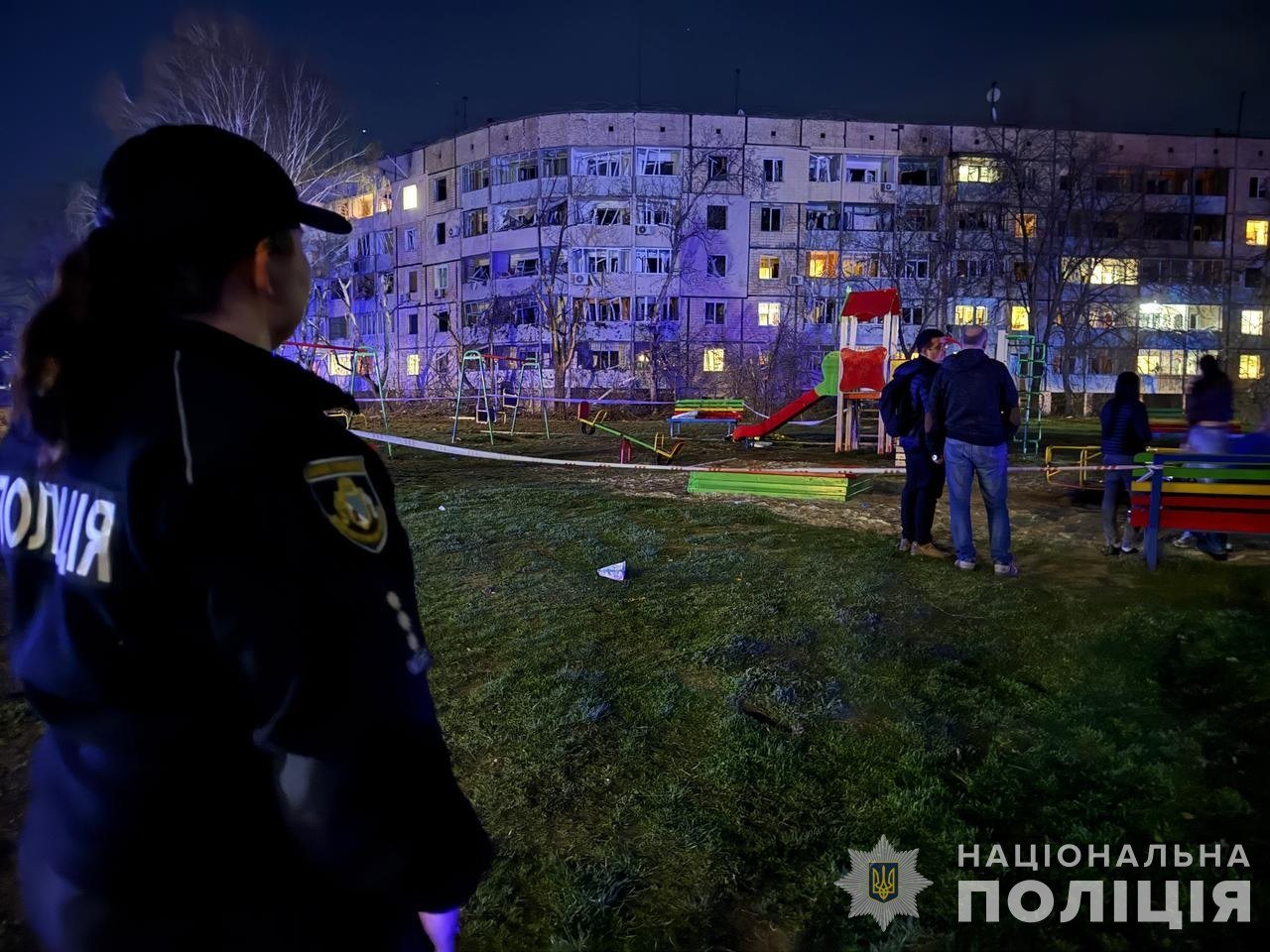

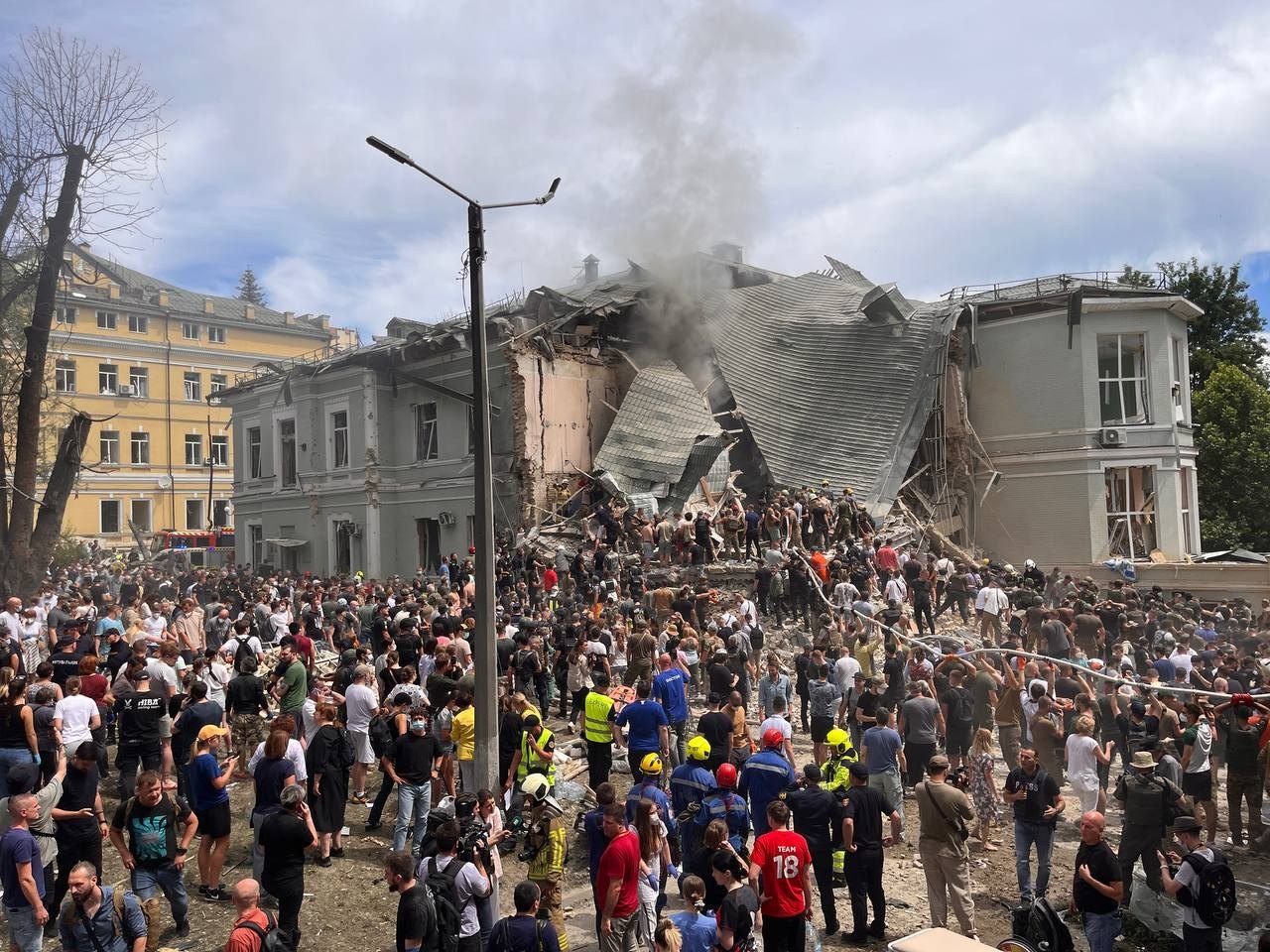
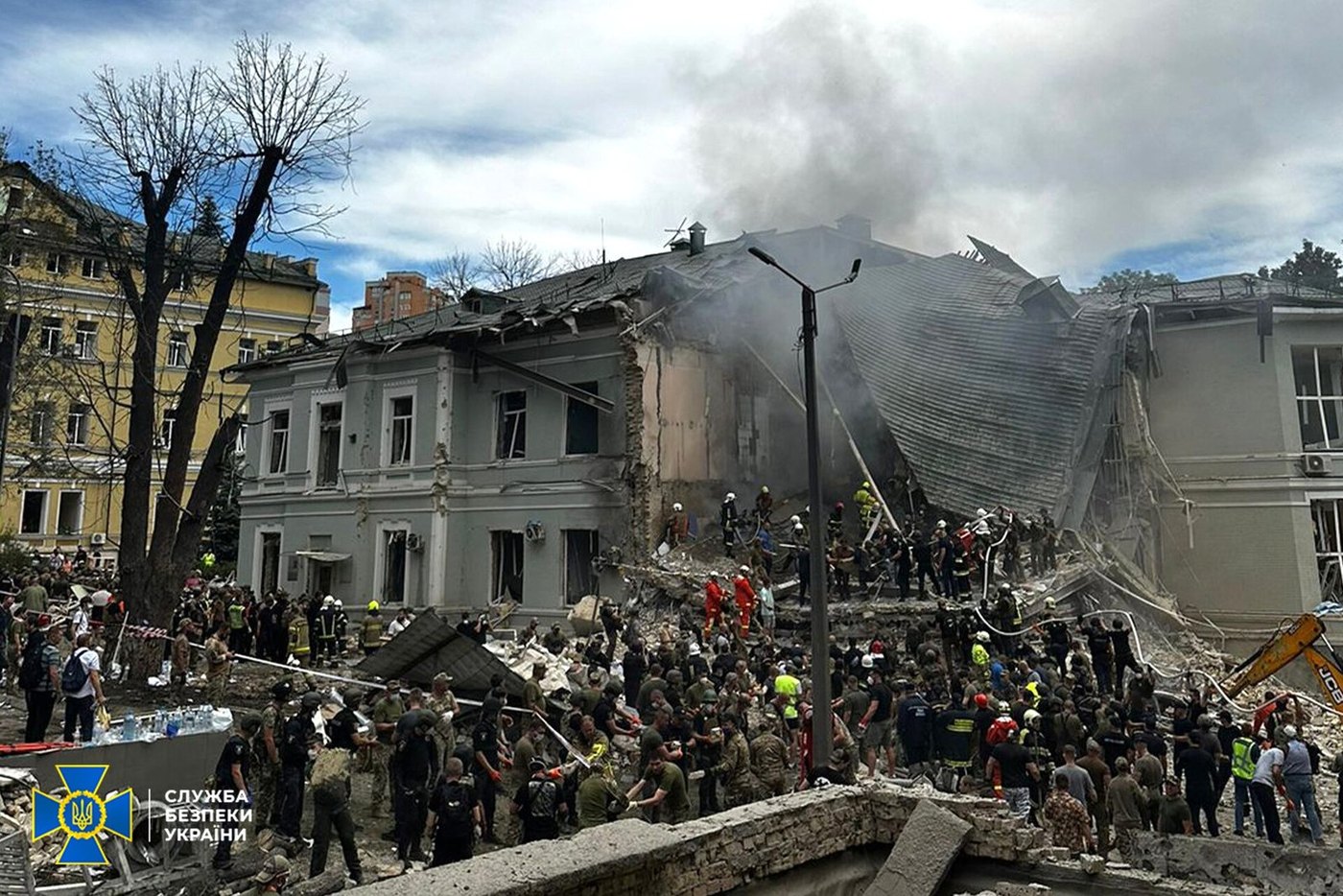
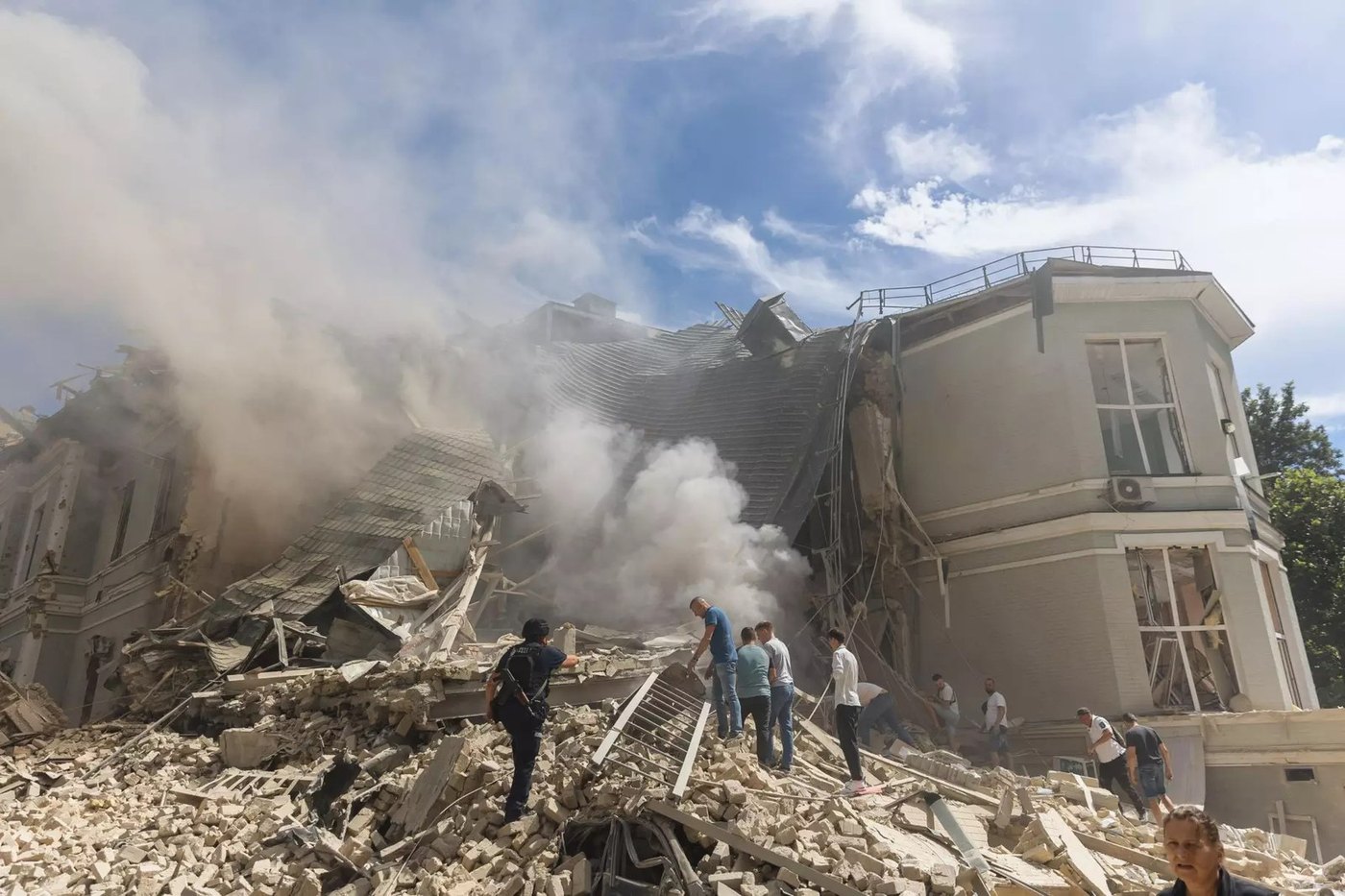
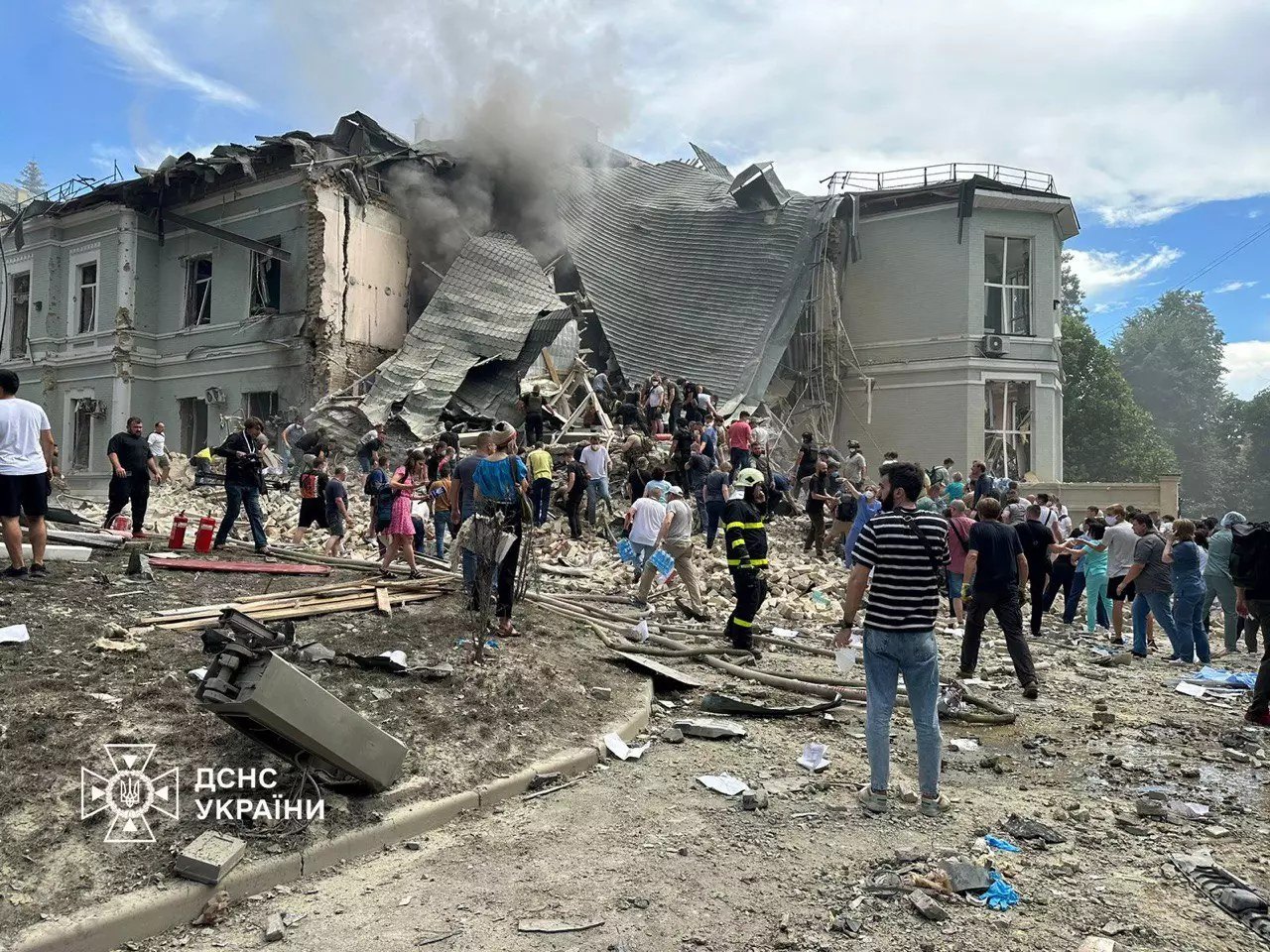
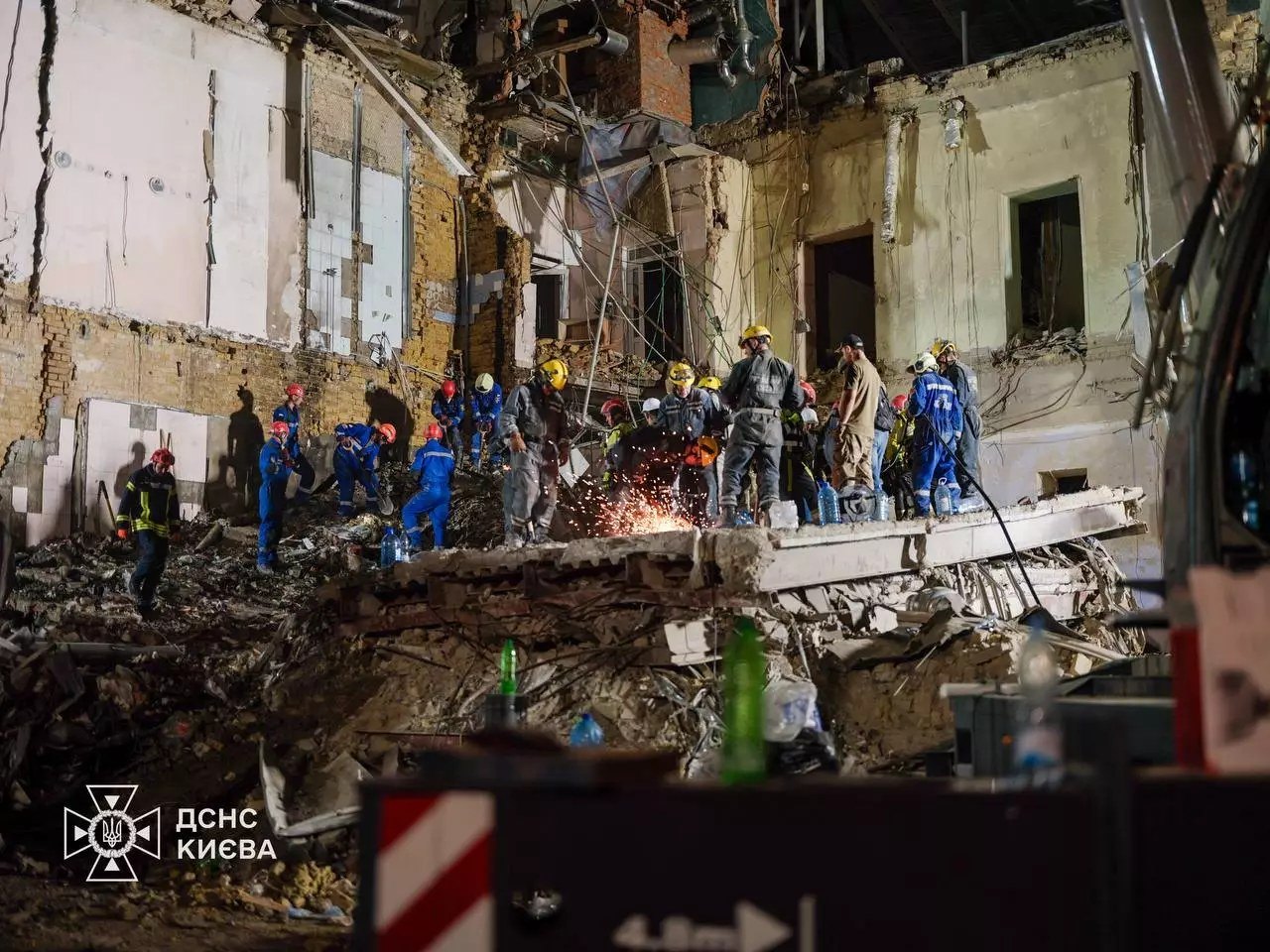
At 10:45 on 8 July 2024 a Kh-101 cruise missile flew intact into the toxicology building of Ukraine's national children's hospital, with 670 young patients and over a thousand staff inside. Two adults were killed and the dialysis ward was destroyed. The UN assessed a direct hit by a Russian missile; Russia told the Security Council the same day that it was a Ukrainian air-defence missile. Ukraine has since charged three generals of Long-Range Aviation.
Direct hit by a Russian Kh-101 — established (OHCHR) Attacks on health care: 3,000+ verified — pattern (WHO) Intentional attack on a protected hospital, war crime — position (Art. 438 CCU)
Russia said. Vassily Nebenzia · Permanent Representative, presiding · Security Council, 9 Jul 2024: “It was a Ukrainian air defence missile that hit the hospital.” — Wrong weapon, on video. The impact was filmed from several angles. OHCHR's expert, Bellingcat, CIT and the NYT identified a Kh-101 cruise missile: mid-body wings, a protruding turbofan engine, a stable controlled flight — features the NASAMS interceptor does not have. More than 30 fragments were recovered from the site. OHCHR: hit directly by a missile, not by interception debris.
Evidence held: OHCHR/HRMMU, 9 Jul 2024; OHCHR/HRMMU, 9 Aug 2024; SBU, 8 Jul 2024; Kyiv Scientific Research Institute of Forensic Expertise, 10 Jul 2024.
Photo & video · 7 photos

One Iskander-M ballistic missile on a village café during a memorial meal, 50 km from the front line. 59 civilians killed — 36 women, 22 men and a boy of eight. The UN found no military target and reasonable grounds to attribute the launch to Russia. In 2026 Ukraine indicted the chain of command, from a colonel-general to the two brothers who passed on the address.
Attack on civilians with no military target — established (OHCHR) Precision strikes on gatherings — pattern Deliberate killing of civilians, war crime — position (Art. 438 CCU)
Russia said. Dmitry Peskov · Kremlin spokesman · 6 Oct 2023: “The Russian military does not strike civilian targets. Strikes are carried out against military infrastructure.” — The UN found no military target. OHCHR visited the site twice and interviewed 35 people: no military personnel or other legitimate military target was present at or near the café; all 59 killed were civilians. Either the target was not verified or civilians were targeted deliberately.
Evidence held: OHCHR / HRMMU, report of 31 Oct 2023; USG DiCarlo to the Security Council, 9 Oct 2023; SBU, 11 Oct 2023; Kharkiv regional prosecutor, 5 Oct 2025.
Photo & video · 6 photos
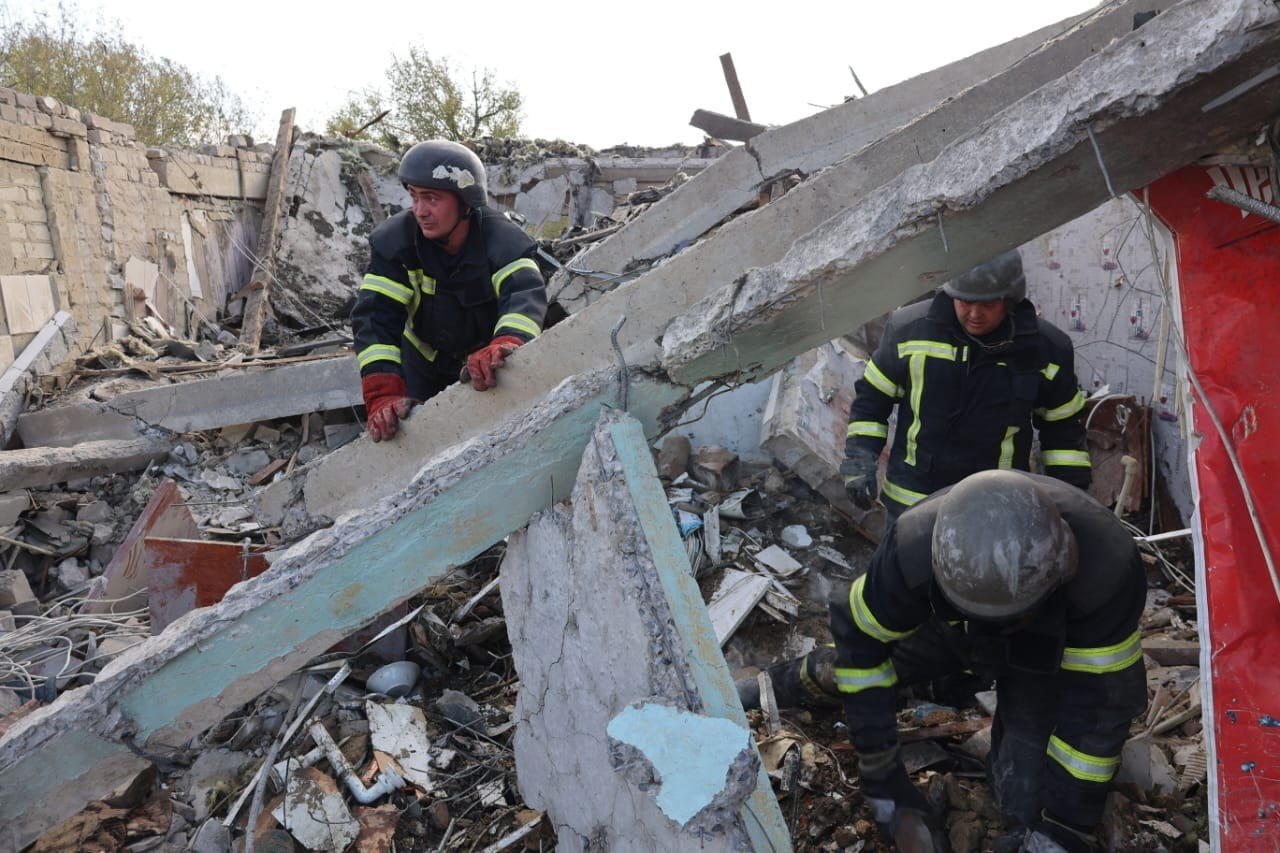
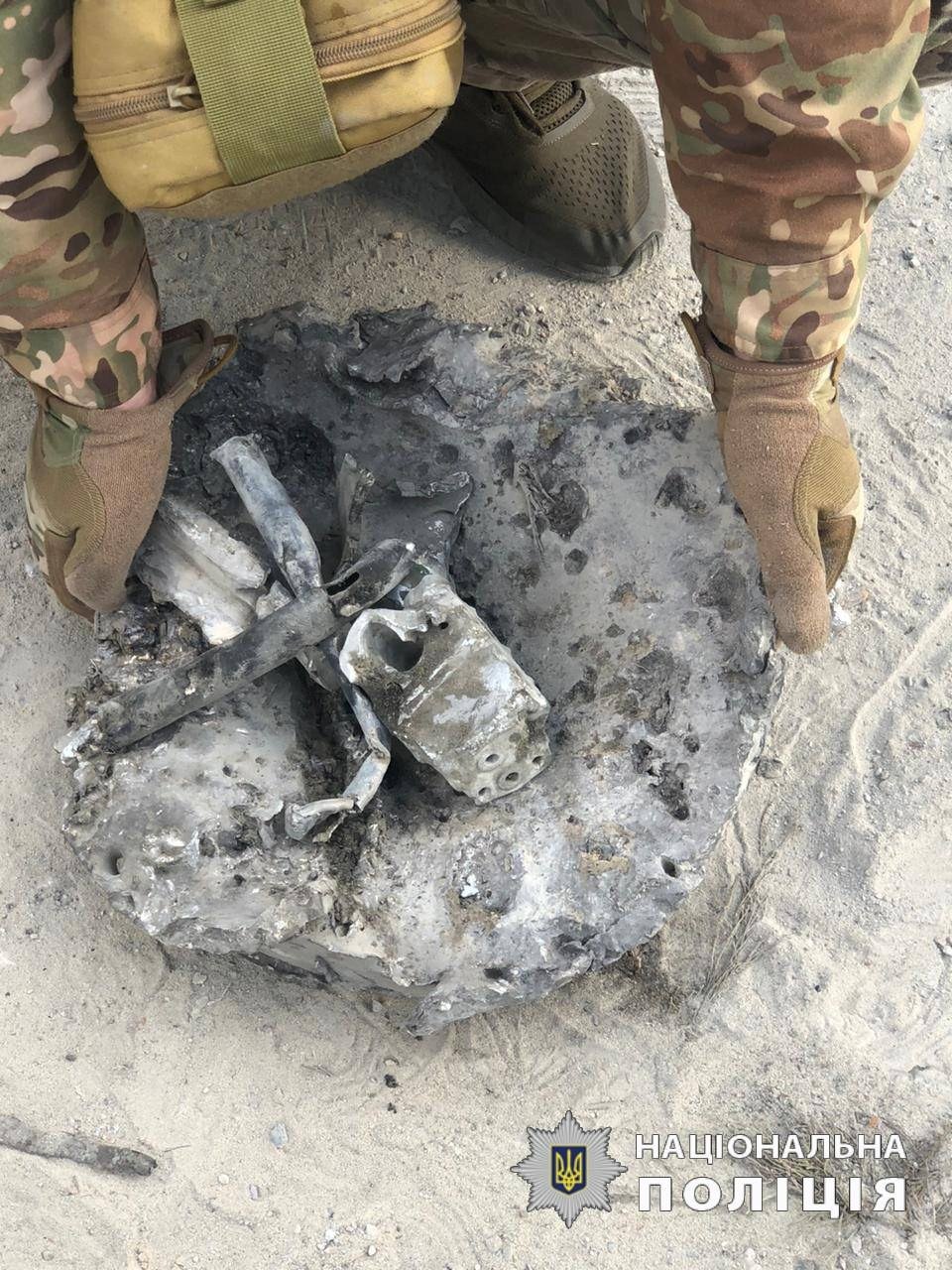
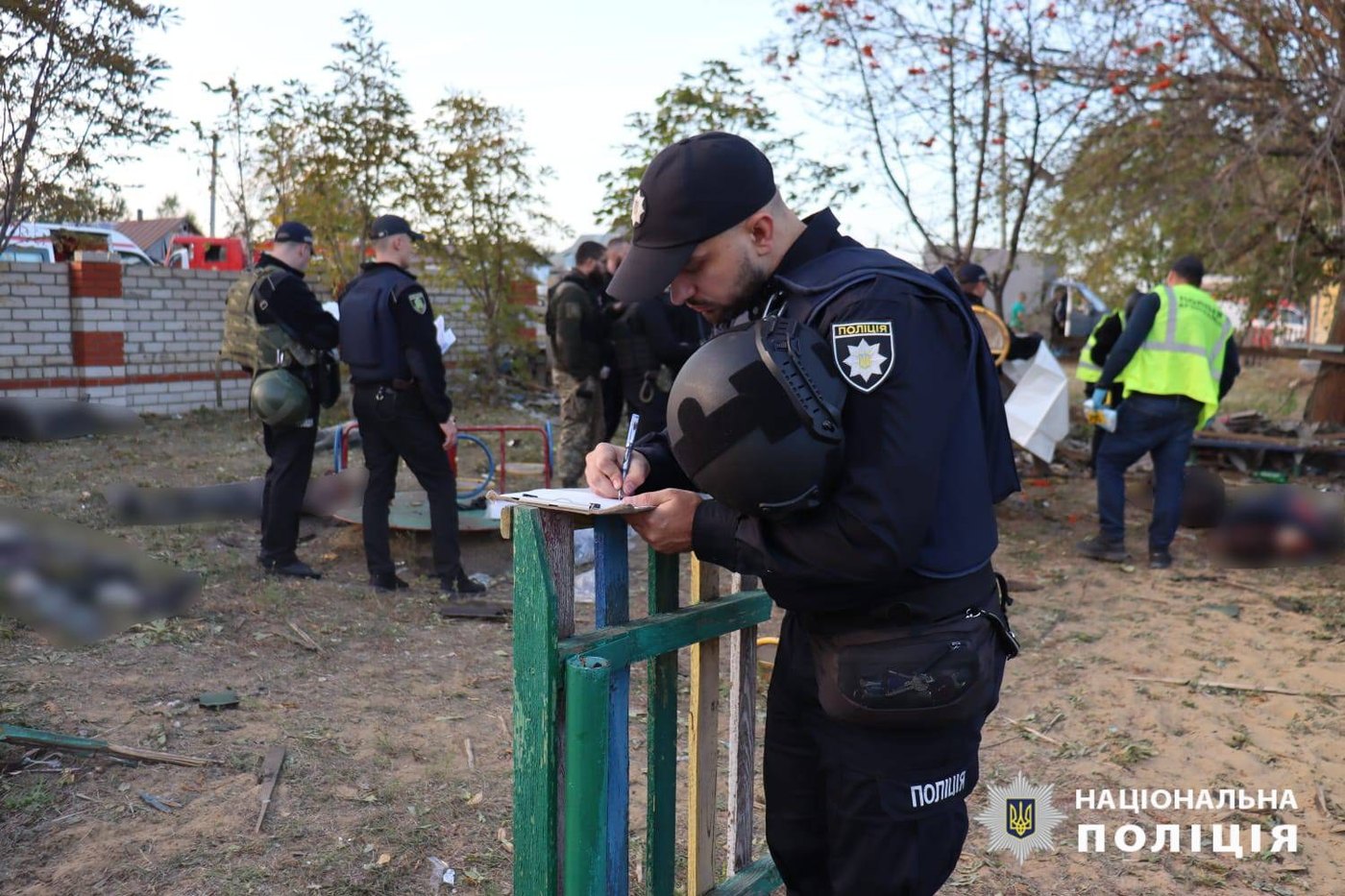
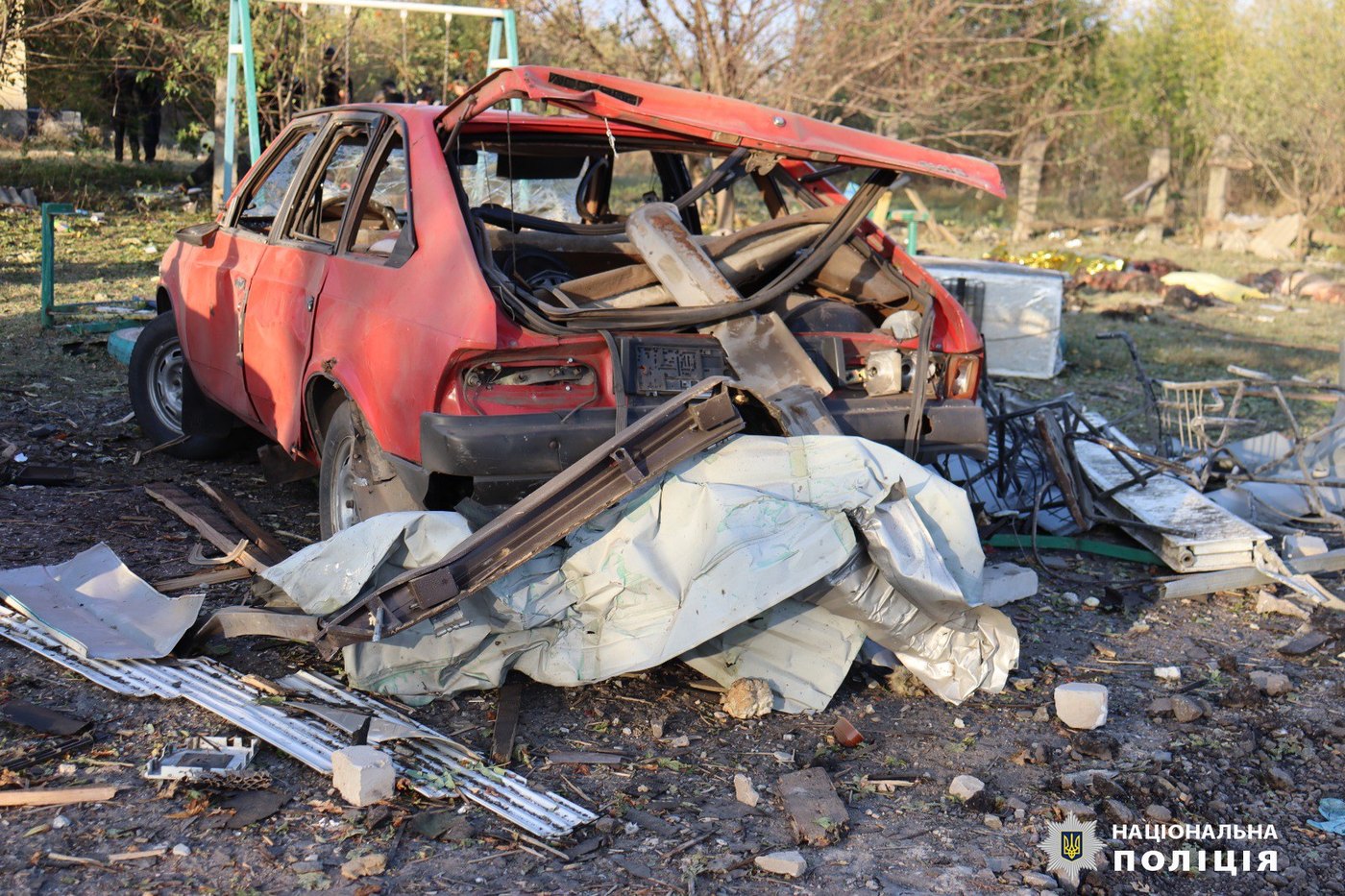

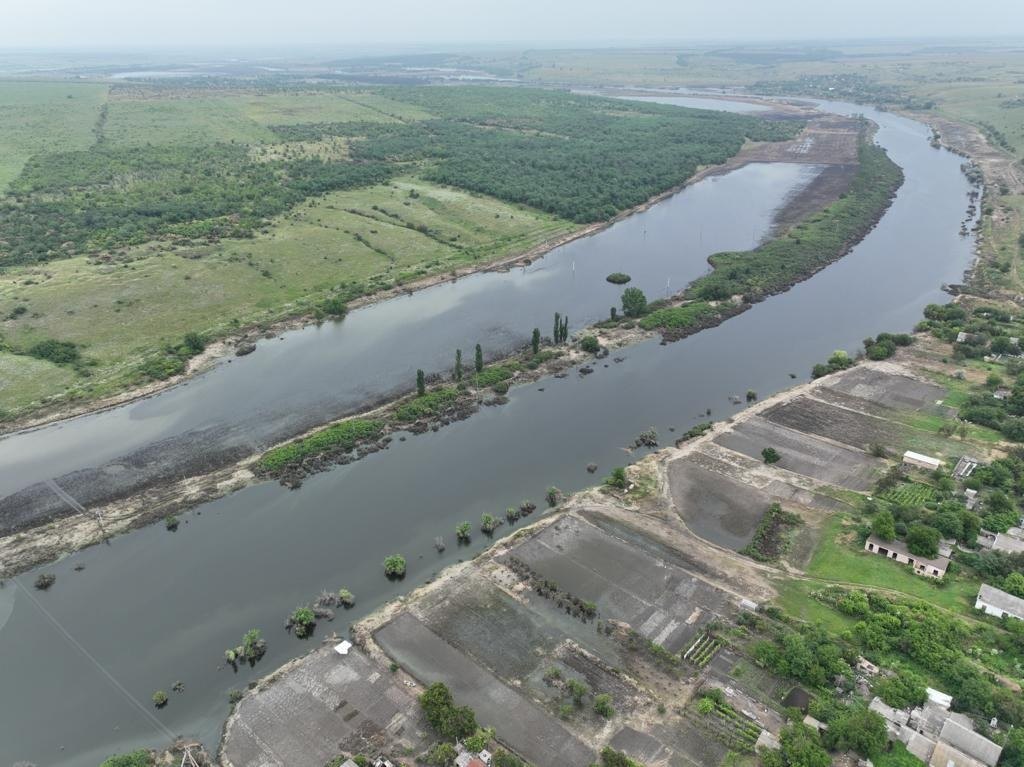
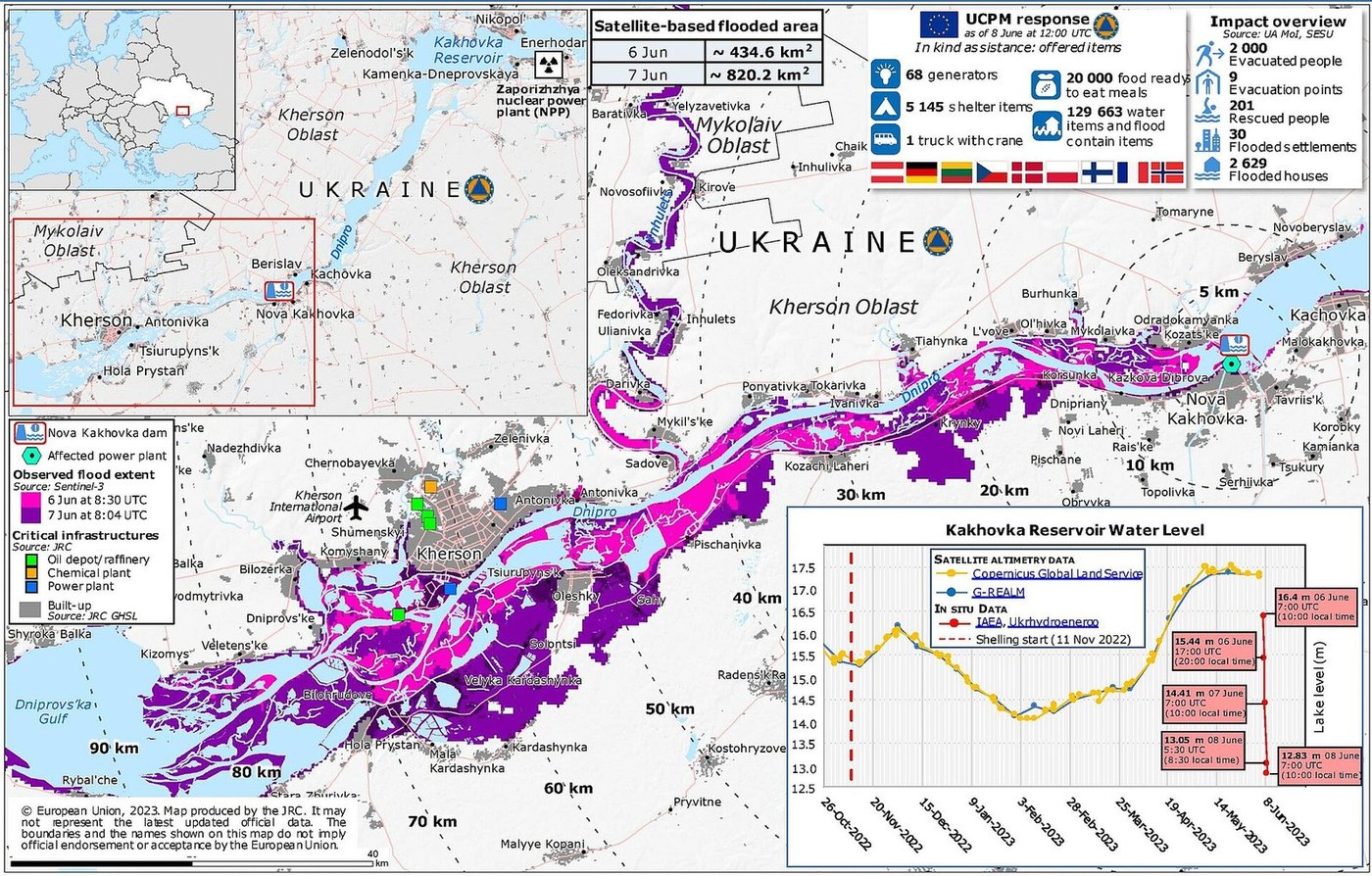
At about 02:50 on 6 June 2023 the dam Russia had held for fifteen months gave way. 620 km² flooded, about 100,000 people directly affected, nearly US$14 billion in damage and loss. The dead on the Ukrainian bank are counted: 34. The dead on the occupied bank are not: OHCHR could identify 15, the occupation said 59, AP found hundreds in Oleshky alone. No international body has attributed the breach; independent analyses point to an explosion inside a structure only Russia controlled.
Denial of evacuation and humanitarian access on the occupied bank — established (OHCHR, 4 Oct 2023) Explosion from inside a Russian-held dam — pattern (NYT, NORSAR, GRC, ISW); not adjudicated Ecocide and war crime, Arts. 441, 438(2) CCU — position (Ukraine; SBU suspicion 6 Jun 2024)
Russia said. Dmitry Peskov · Kremlin spokesman · RBC, 6 Jun 2023: “We can unequivocally state that this is a deliberate sabotage by the Ukrainian side… pursuing the goal of depriving Crimea of water.” — Unsupported; the physical evidence points inside. The dam and its gallery were under Russian control; the NYT's engineers place the charge in the passageway through the base; NORSAR registered man-made seismic events at 02:35 and 02:54. Russia has produced no evidence and no investigation.
Evidence held: OHCHR, report on Ukraine 1 Feb – 31 Jul 2023 (4 Oct 2023), paras. 4, 36–39; Government of Ukraine – UN Post-Disaster Needs Assessment, 17 Oct 2023; Ministry of Internal Affairs; SBU, 9 Jun 2023.
Photo & video · 6 photos
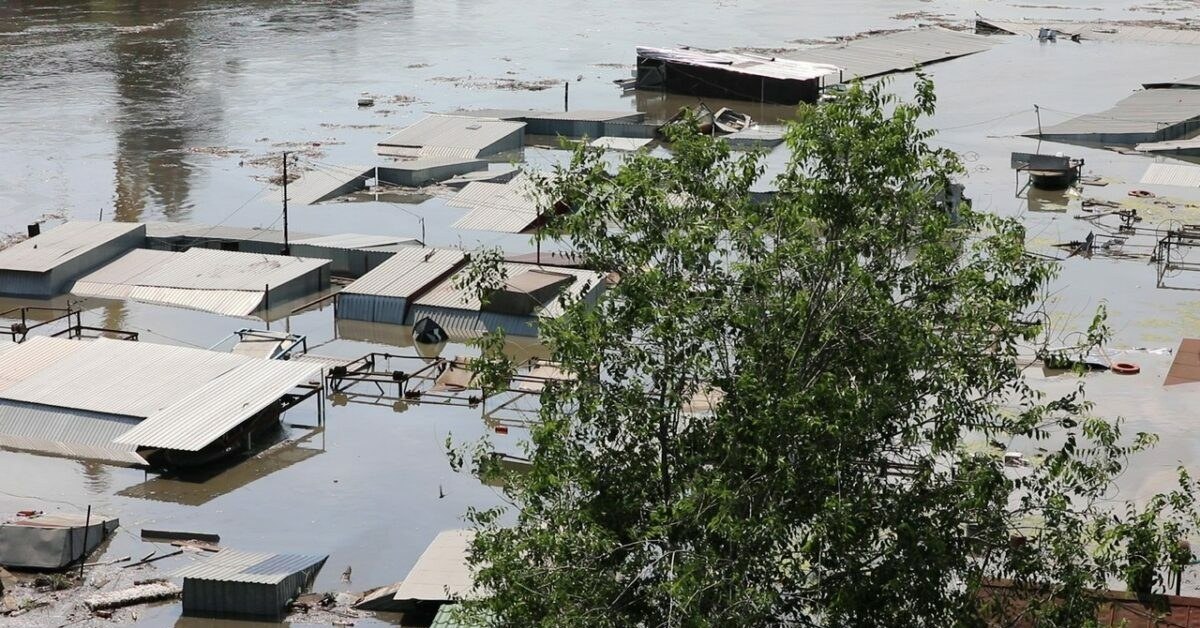
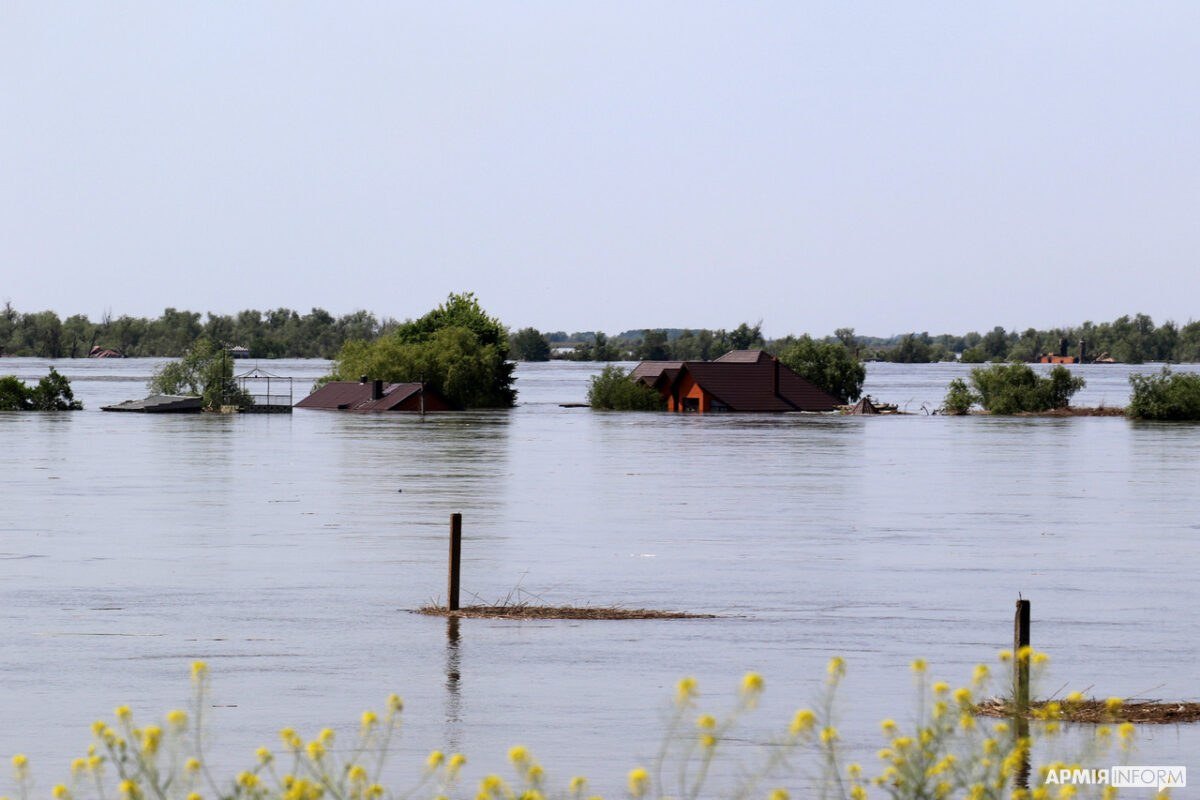
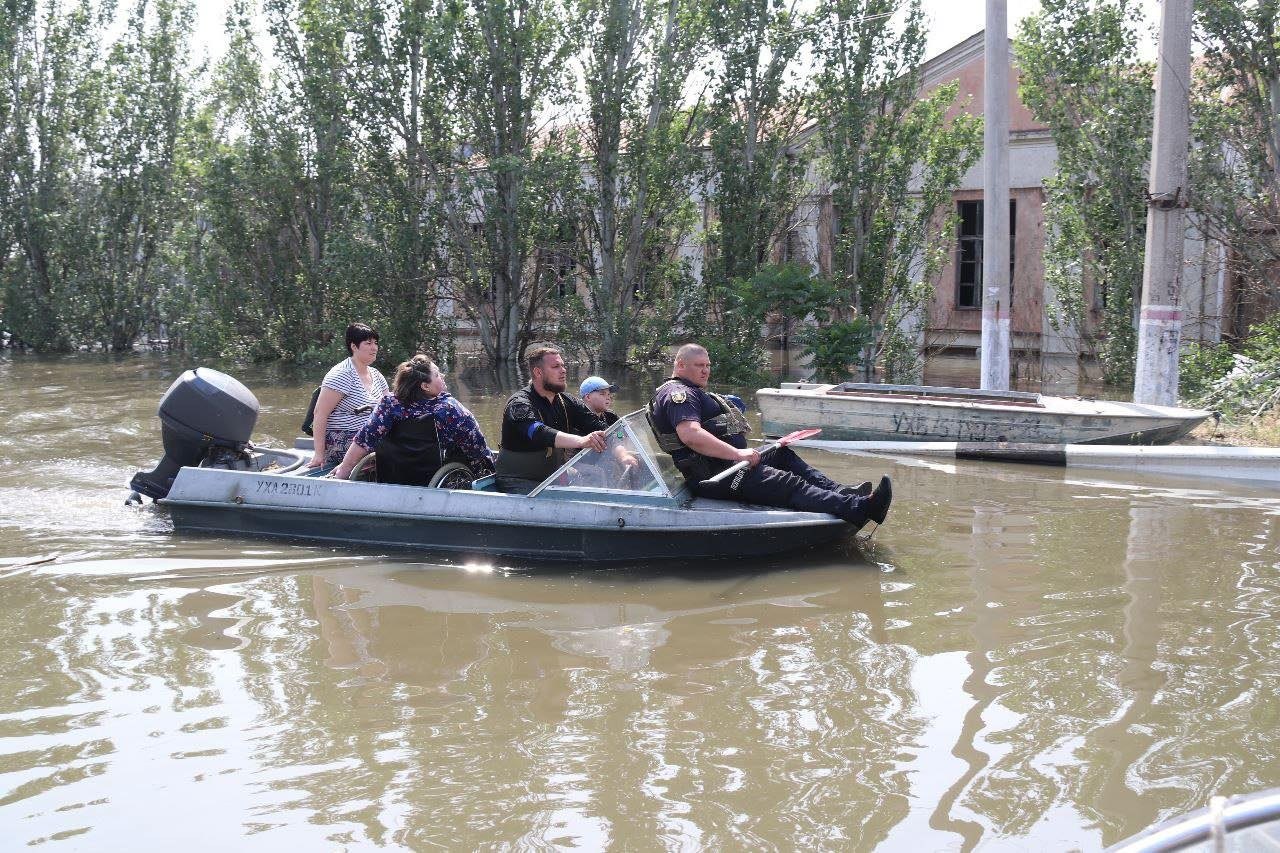
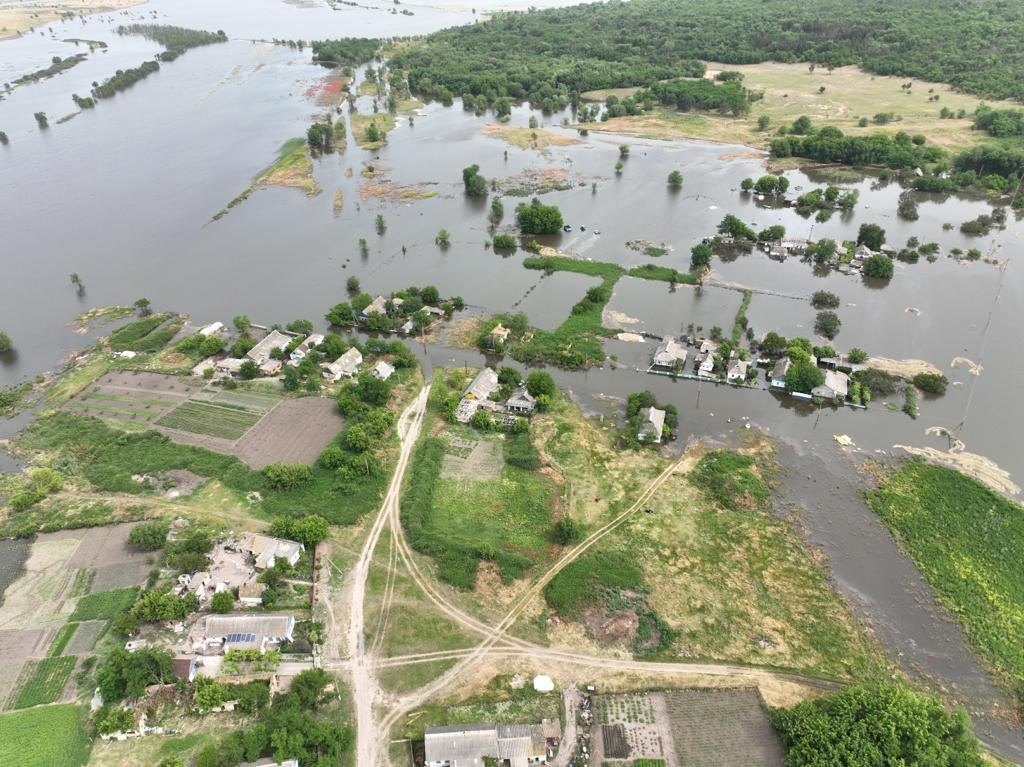

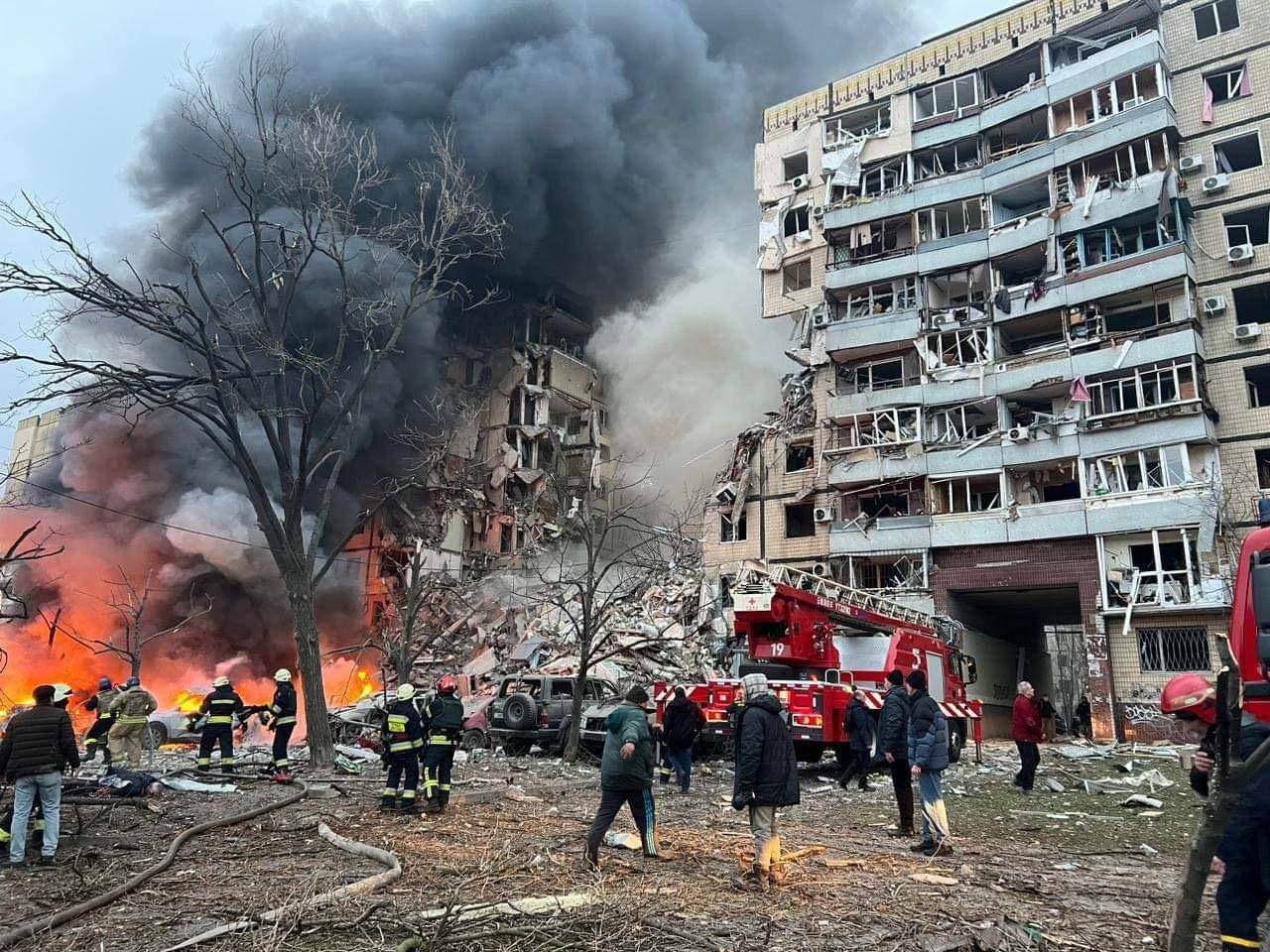
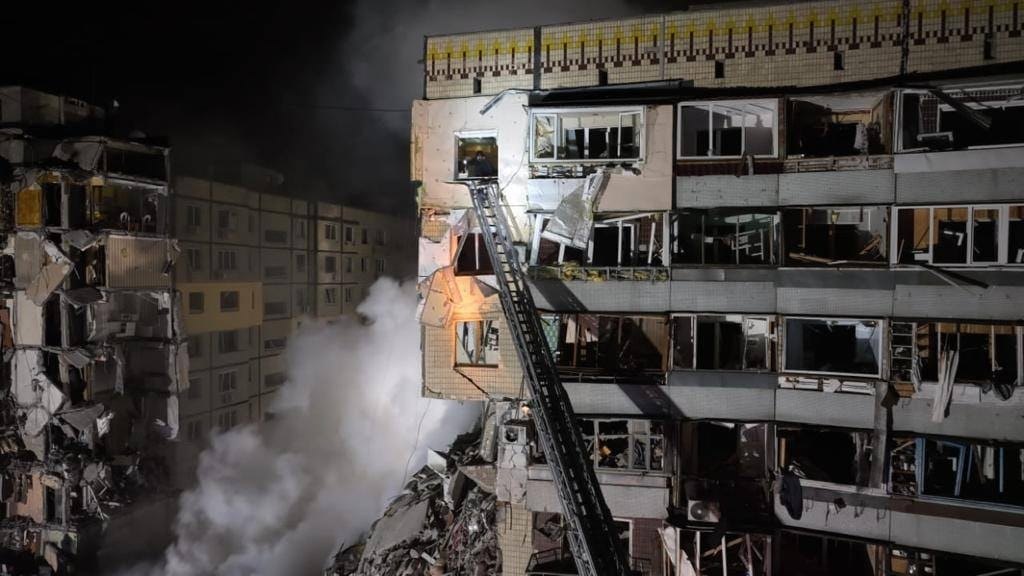
On a Saturday afternoon a Kh-22 — a 1960s anti-ship missile with a warhead of roughly one tonne, fired by a Tu-22M3 bomber — cut one entrance out of a nine-storey apartment block on the Dnipro embankment. 46 civilians were killed, six of them children; 236 flats were destroyed. The Kremlin said Russia does not strike residential buildings and blamed Ukrainian air defence. Ukraine has named the regiment and its commander.
Deadly strike on a residential building — condemned by the UN Secretary-General as a suspected violation of the laws of war (16 Jan 2023) Kh-22 anti-ship missiles fired at cities — pattern (Kremenchuk, Serhiivka, Dnipro) War crime, Art. 438(2) CCU — position (notice of suspicion to the regiment commander, 24 Jan 2023)
Russia said. Russian Ministry of Defence · daily bulletin · 14 Jan 2023: “A missile strike was launched against Ukraine's military command and control system and associated energy facilities. All designated targets were hit. The objective of the strike has been achieved.” — The 'designated targets' included a residential block. One of the Kh-22 fired that day fell on Naberezhna Peremohy 118. The Kh-22 has no precision land-attack mode; its error against ground targets runs to hundreds of metres.
Evidence held: UN Secretary-General, statement attributable to the Spokesperson, 16 Jan 2023; HRMMU, as relayed by UN News on 16 Jan 2023; Prosecutor General, 15 and 24 Jan 2023; Air Force commander Lt-Gen Mykola Oleshchuk, 15 Jan 2023.
Photo & video · 6 photos
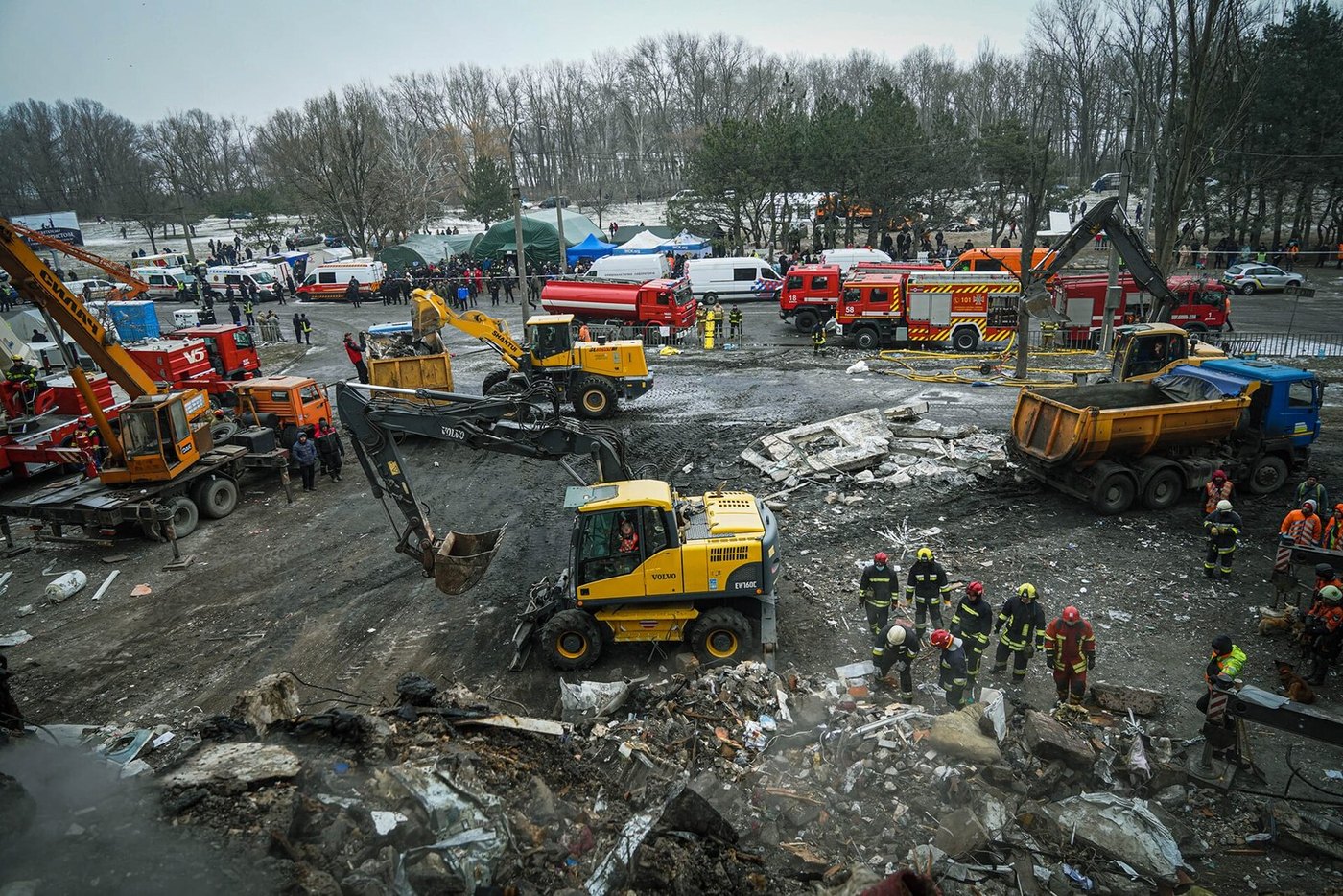
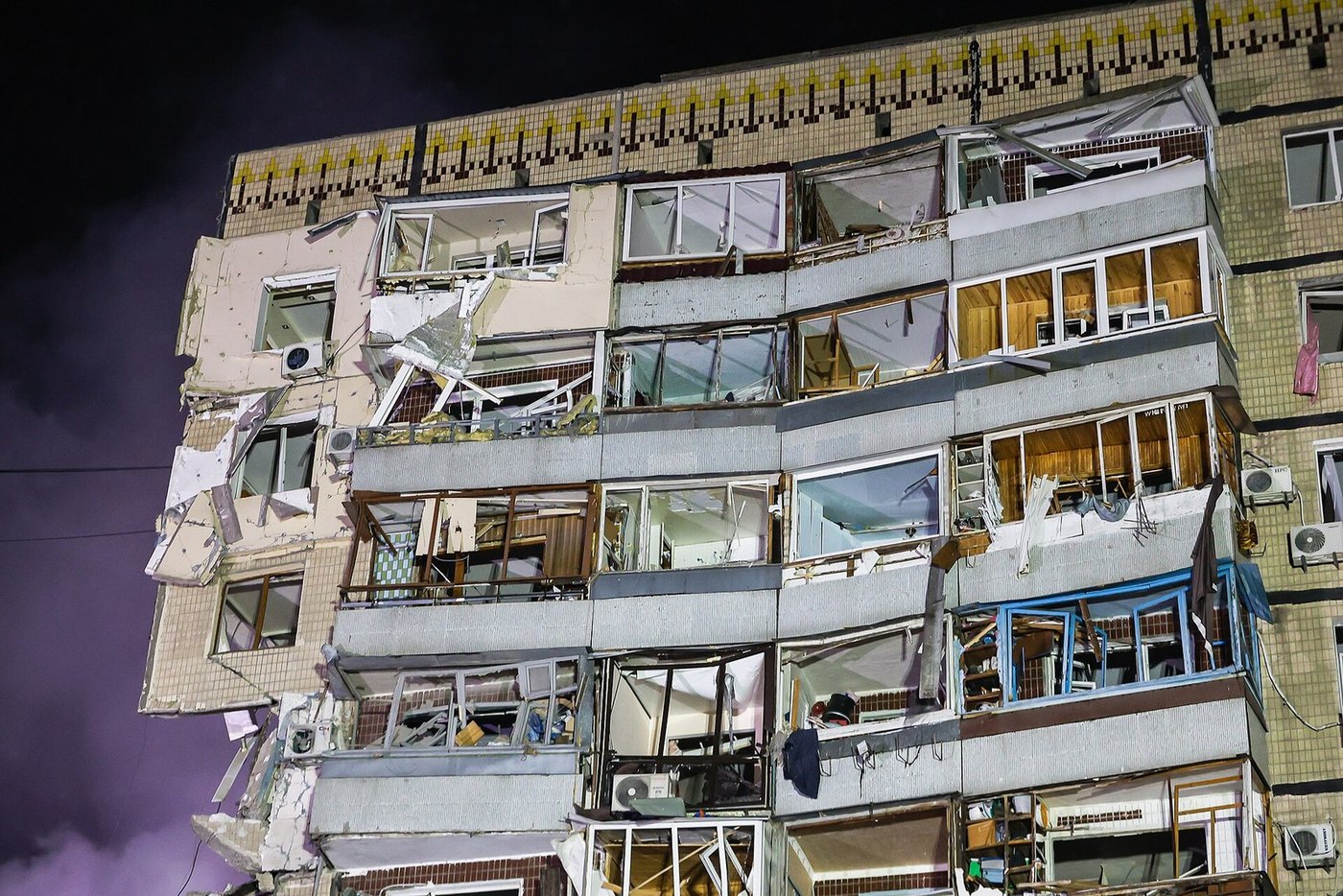
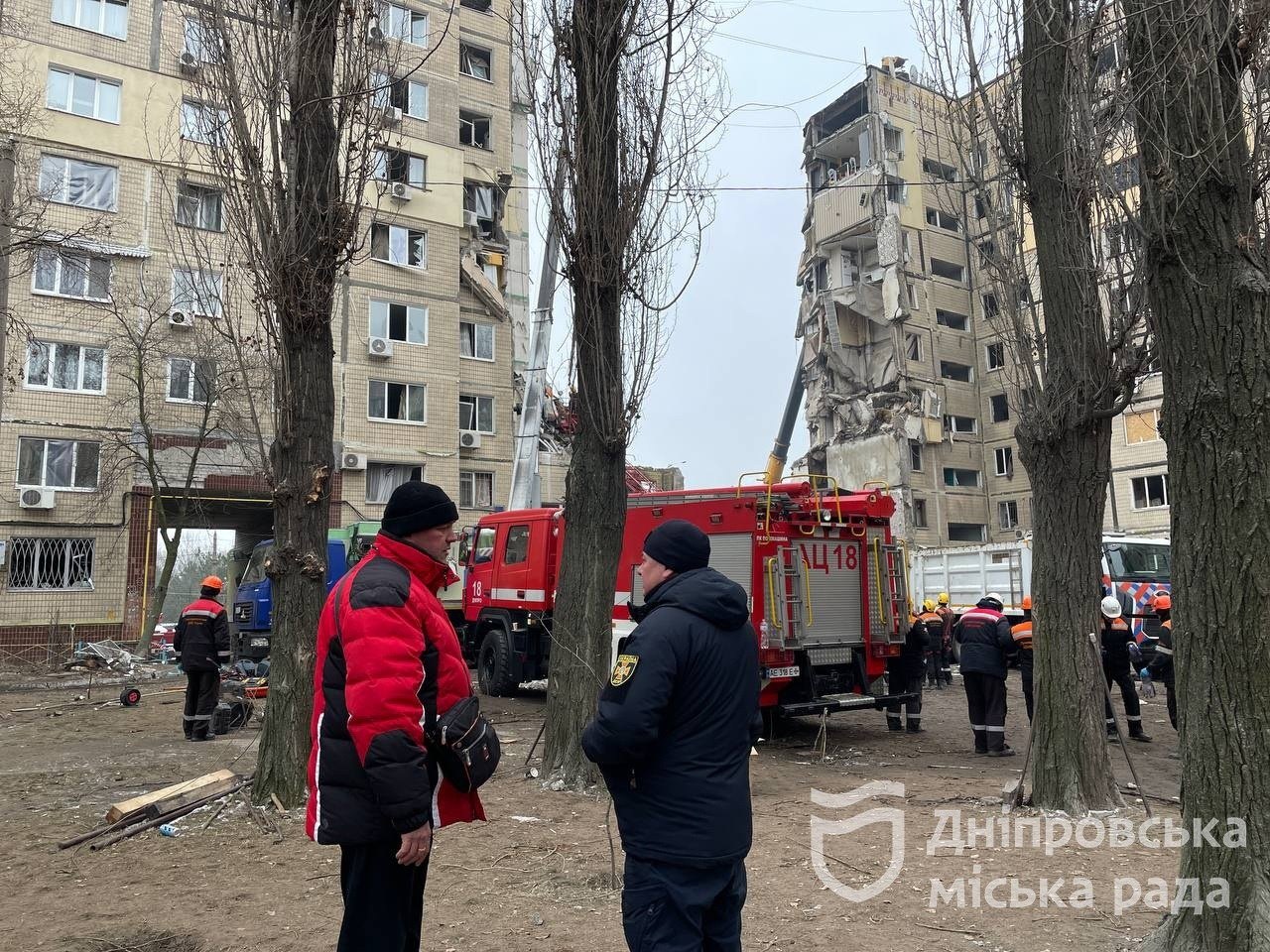
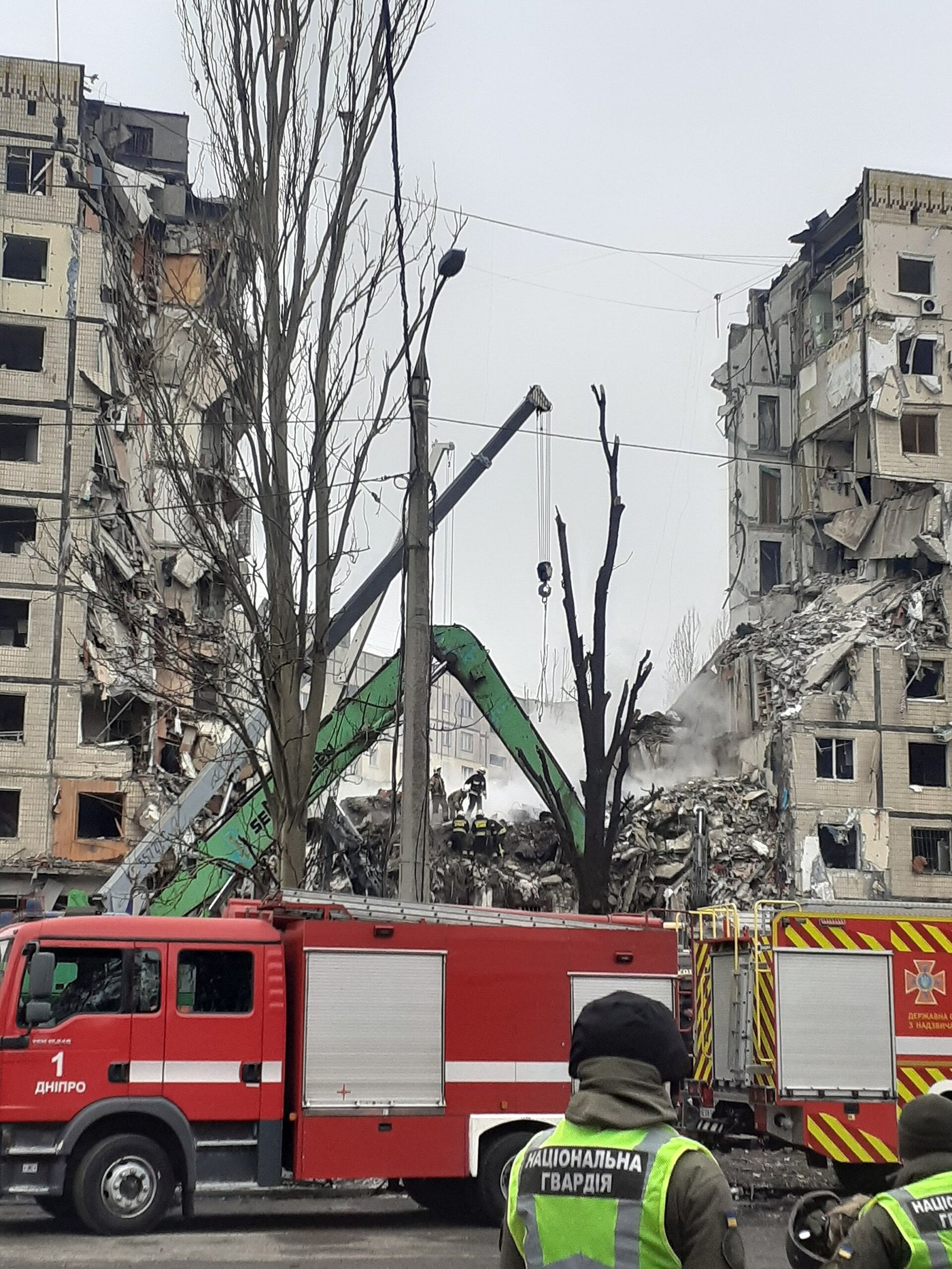

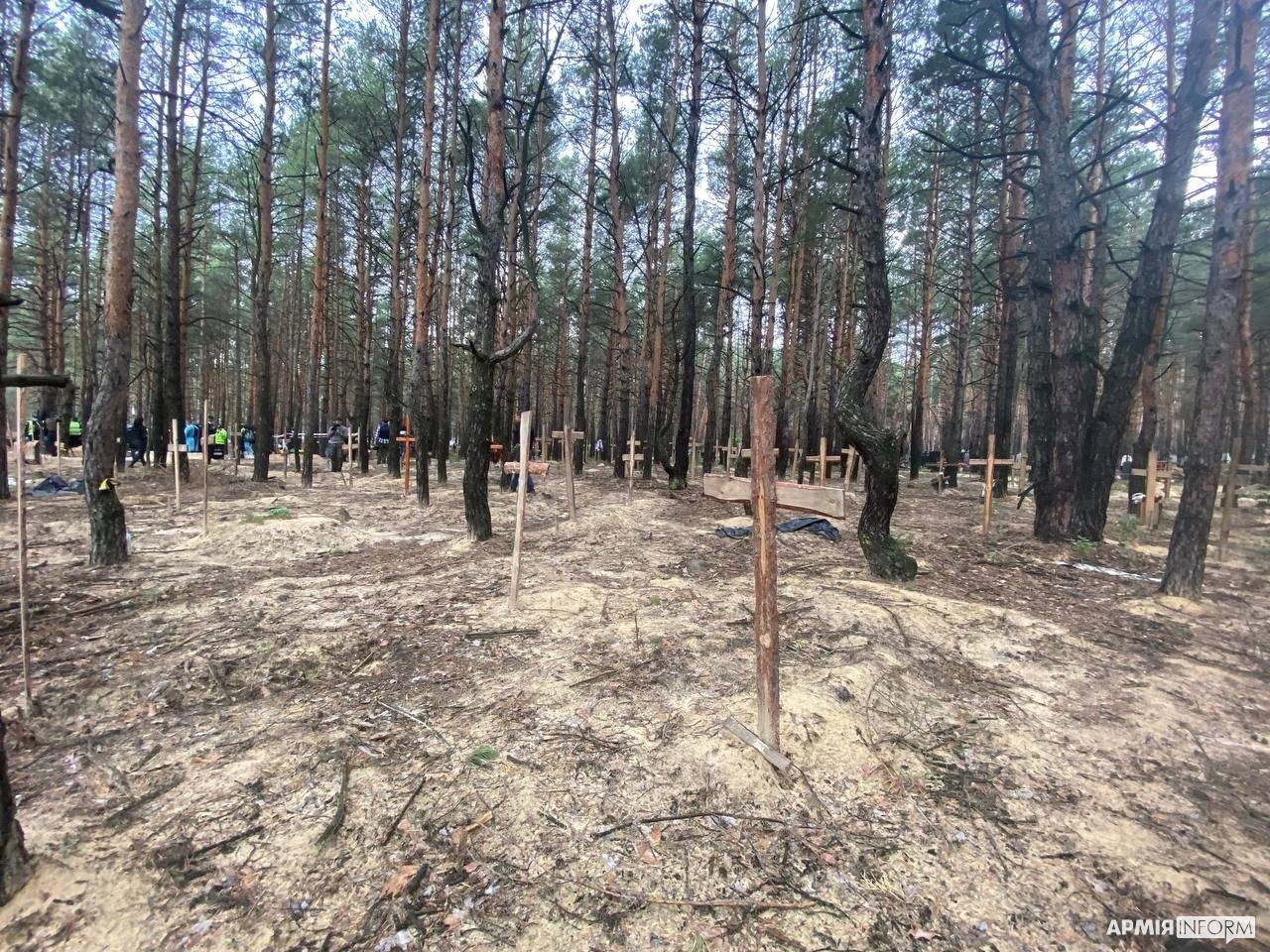
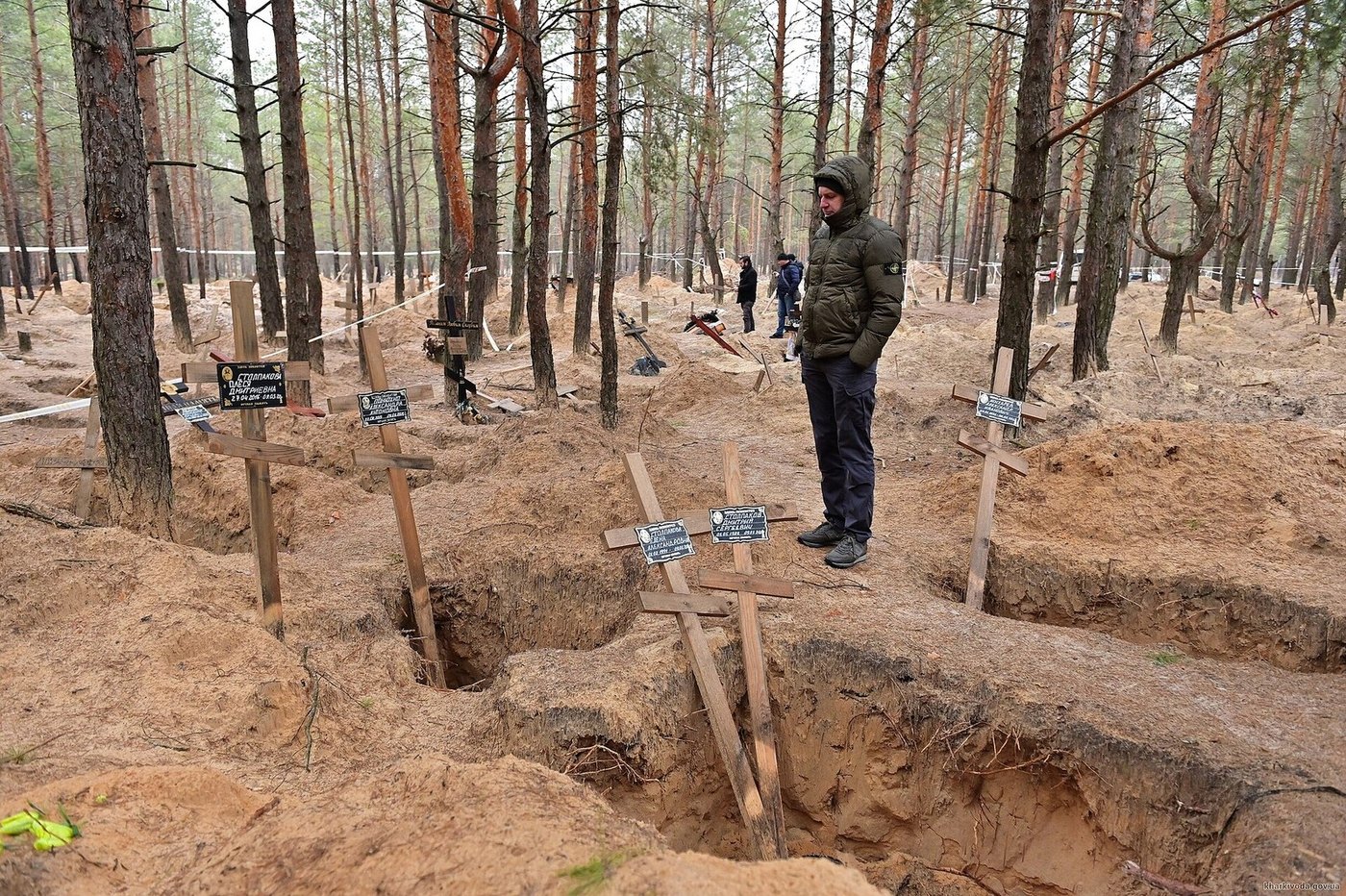
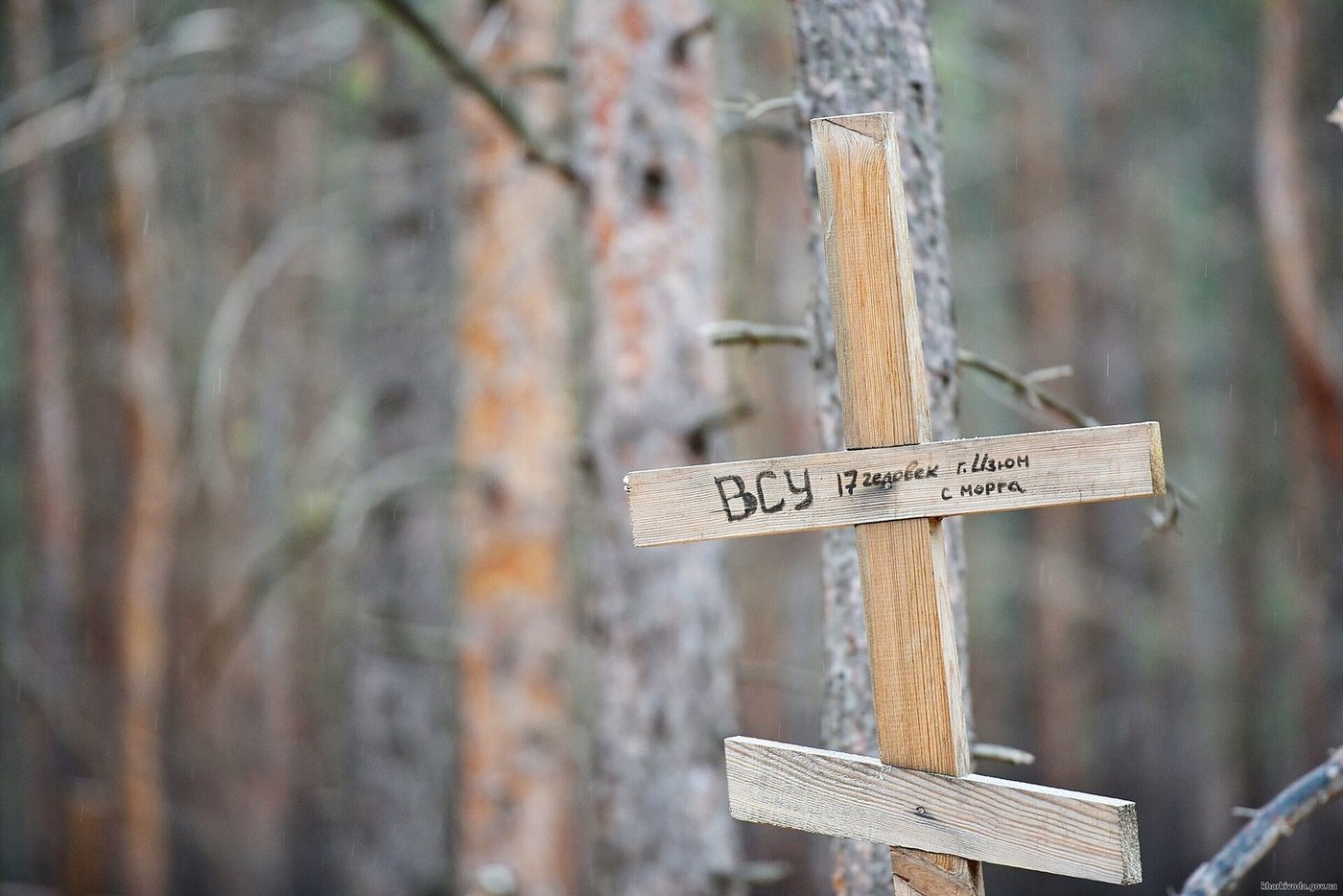
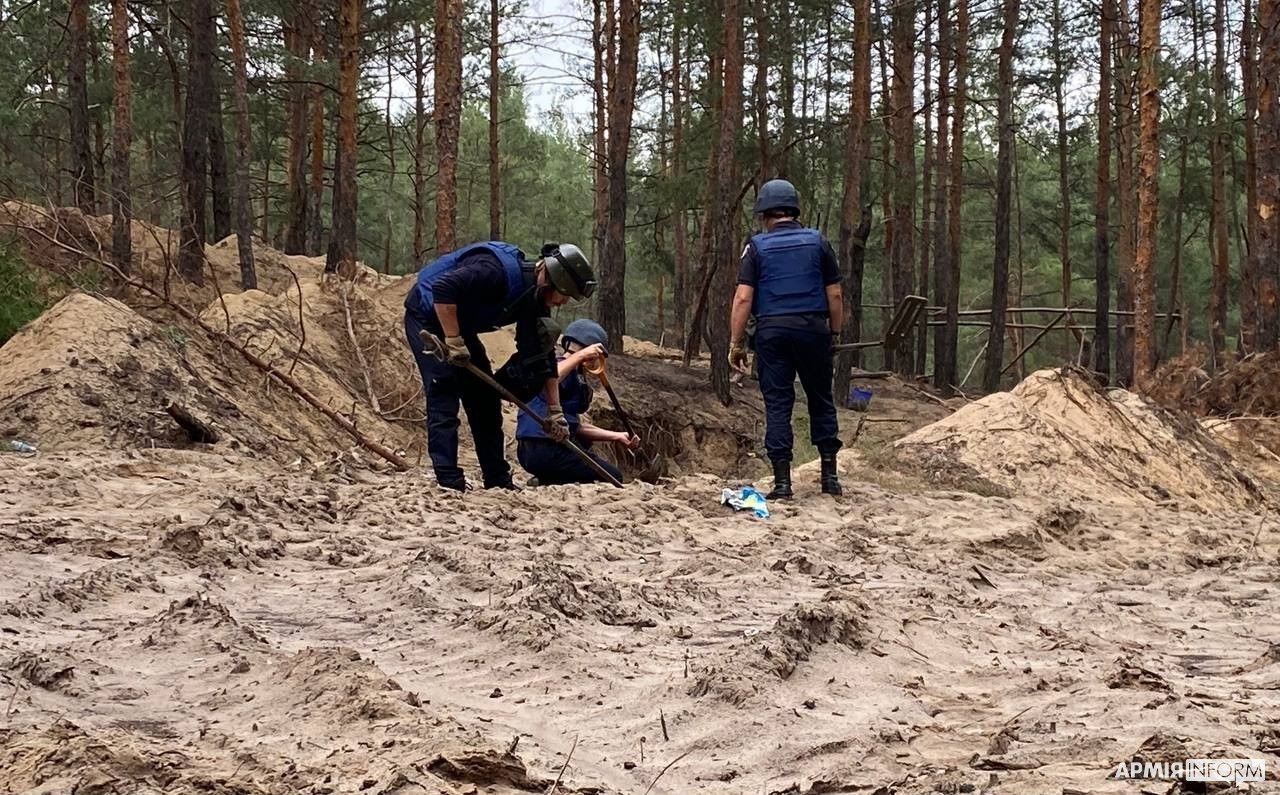
Six days after Izium was liberated, police found a burial site of more than 440 graves in the pine forest by the municipal cemetery. In a week of exhumations, 447 bodies were recovered — 425 civilians, among them five children, and 22 soldiers; at least 30 bore signs of torture. Ten torture sites were documented in the town. Russia called it a lie and 'a second Bucha'. By 2026 every body had a name, and the first life sentence had been handed down in absentia.
Killings and disappearances of civilians — established in part (OHCHR, individual cases) Torture sites and mass graves under occupation — pattern (Bucha, Izium, Kherson) Systematic torture and murder, policy of the occupying force — position
Russia said. Dmitry Peskov · Kremlin spokesman · 19 Sep 2022: “It's a lie… the same scenario as the provocation in Bucha.” — The ground was moved before liberation. Satellite imagery shows about 55,000 m² excavated at the cemetery between 6 April and 1 July 2022, while the town was under Russian control, with a Russian artillery position 100 m away (Yale HRL, Maxar). The graves were numbered; the morgue records for one victim show burial on 12 May 2022 (OHCHR, para. 92). A staging would have needed six months and the occupier's cooperation.
Evidence held: OHCHR, report of 24 Mar 2023 (1 Aug 2022 – 31 Jan 2023), paras. 45–46; OHCHR, report on detention of civilians, 27 Jun 2023, paras. 54, 92; Kharkiv regional prosecutor's office, 24 Sep 2022; National Police, 16 Sep 2022.
Photo & video · 8 photos
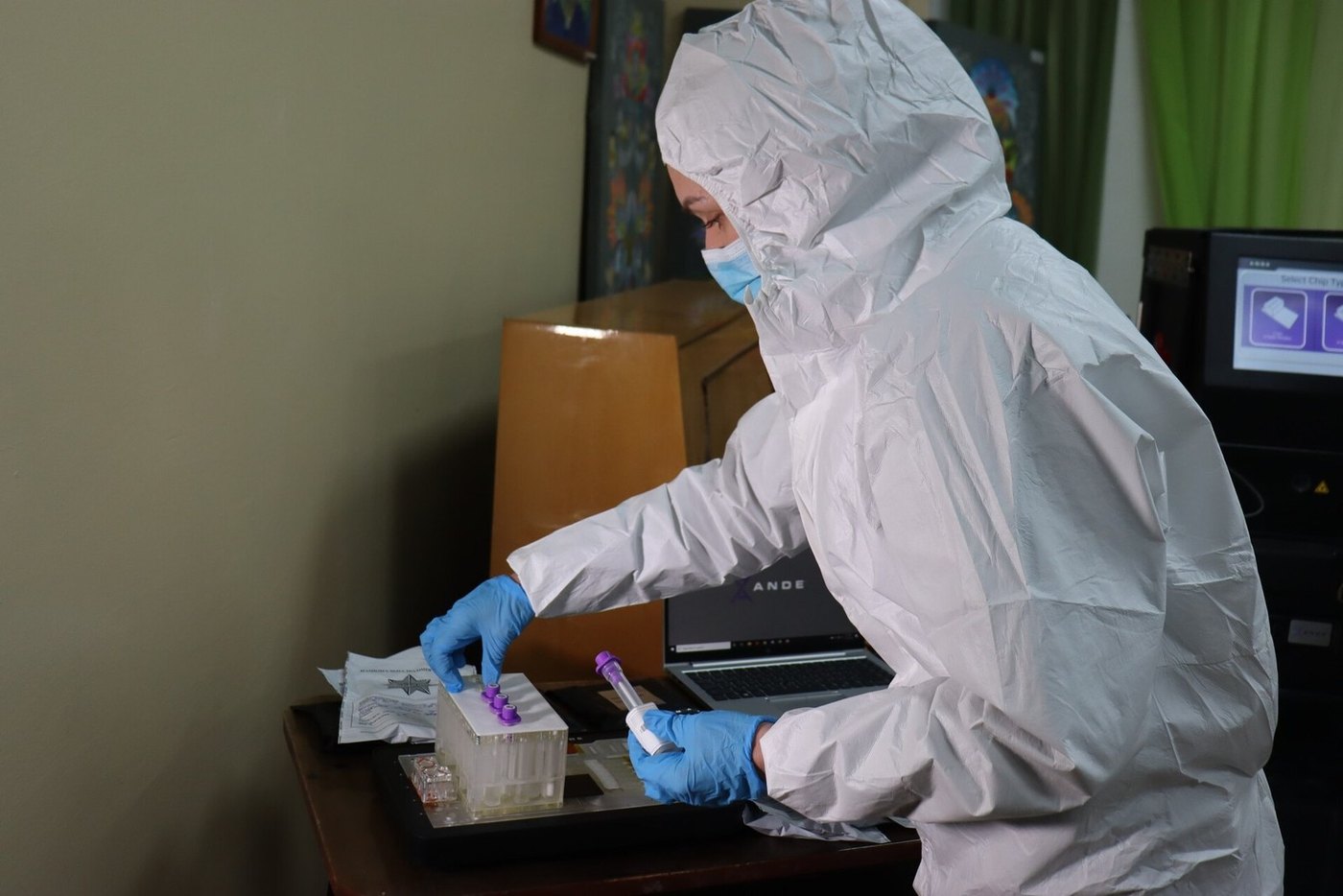
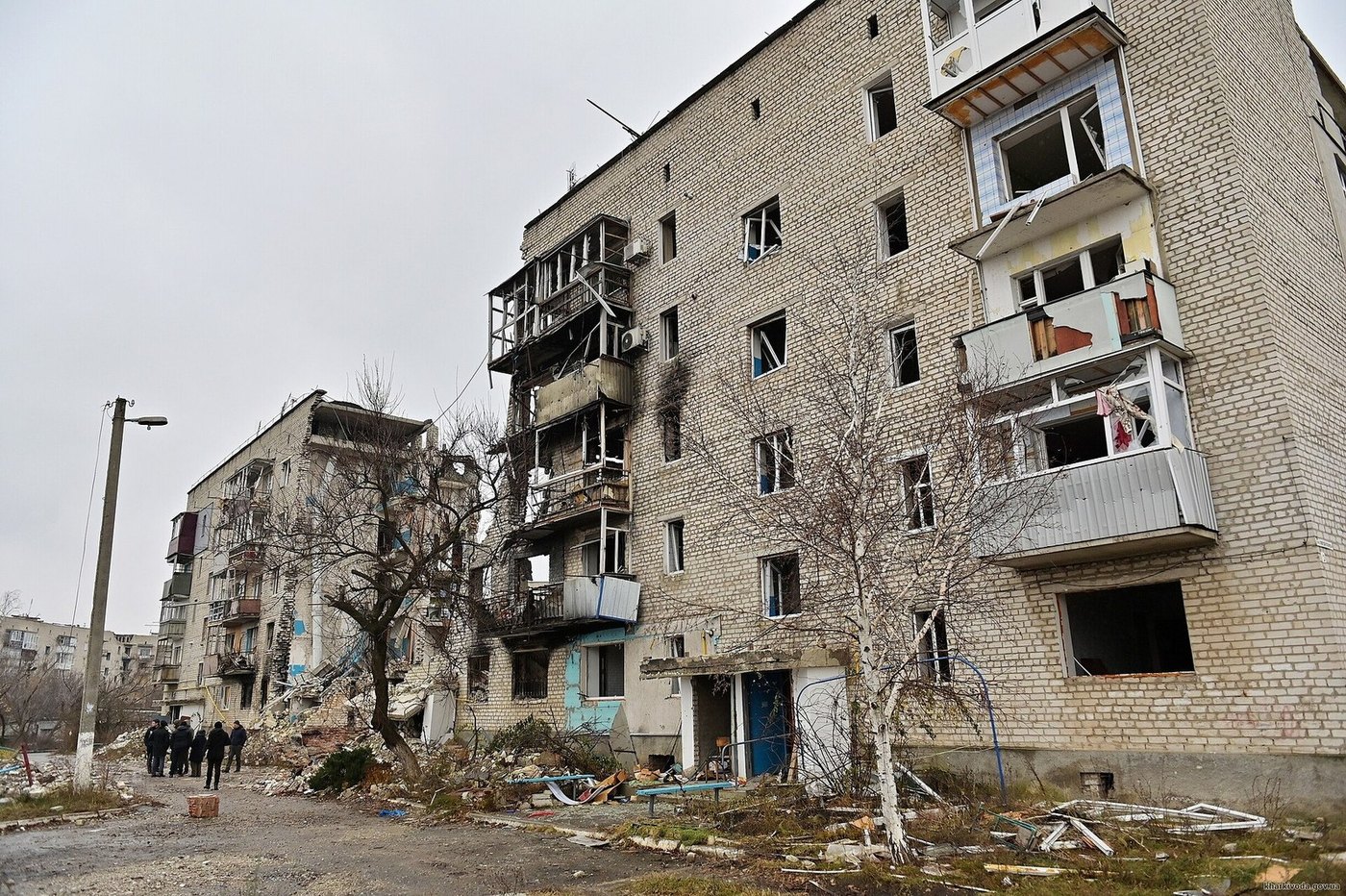
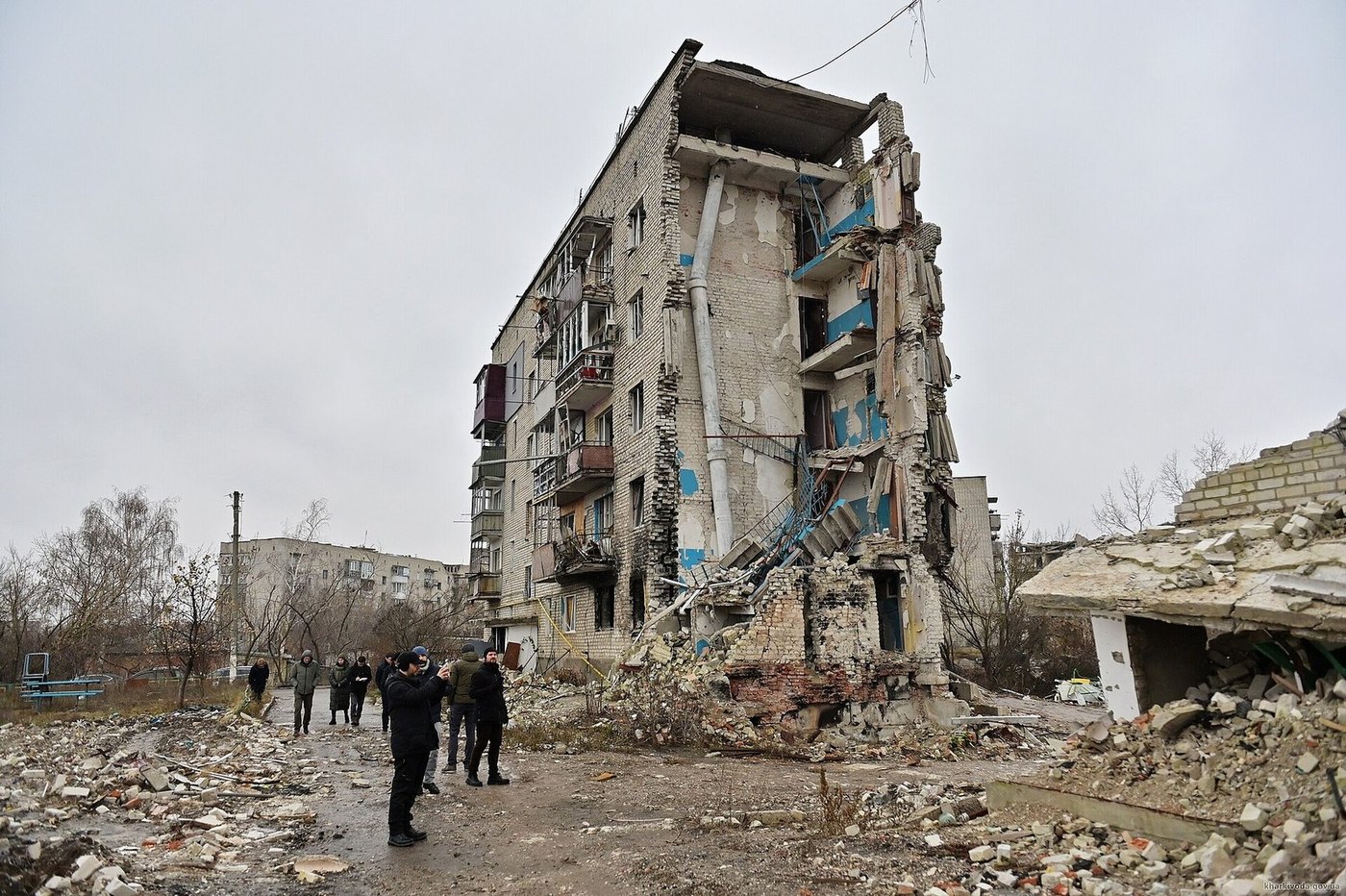
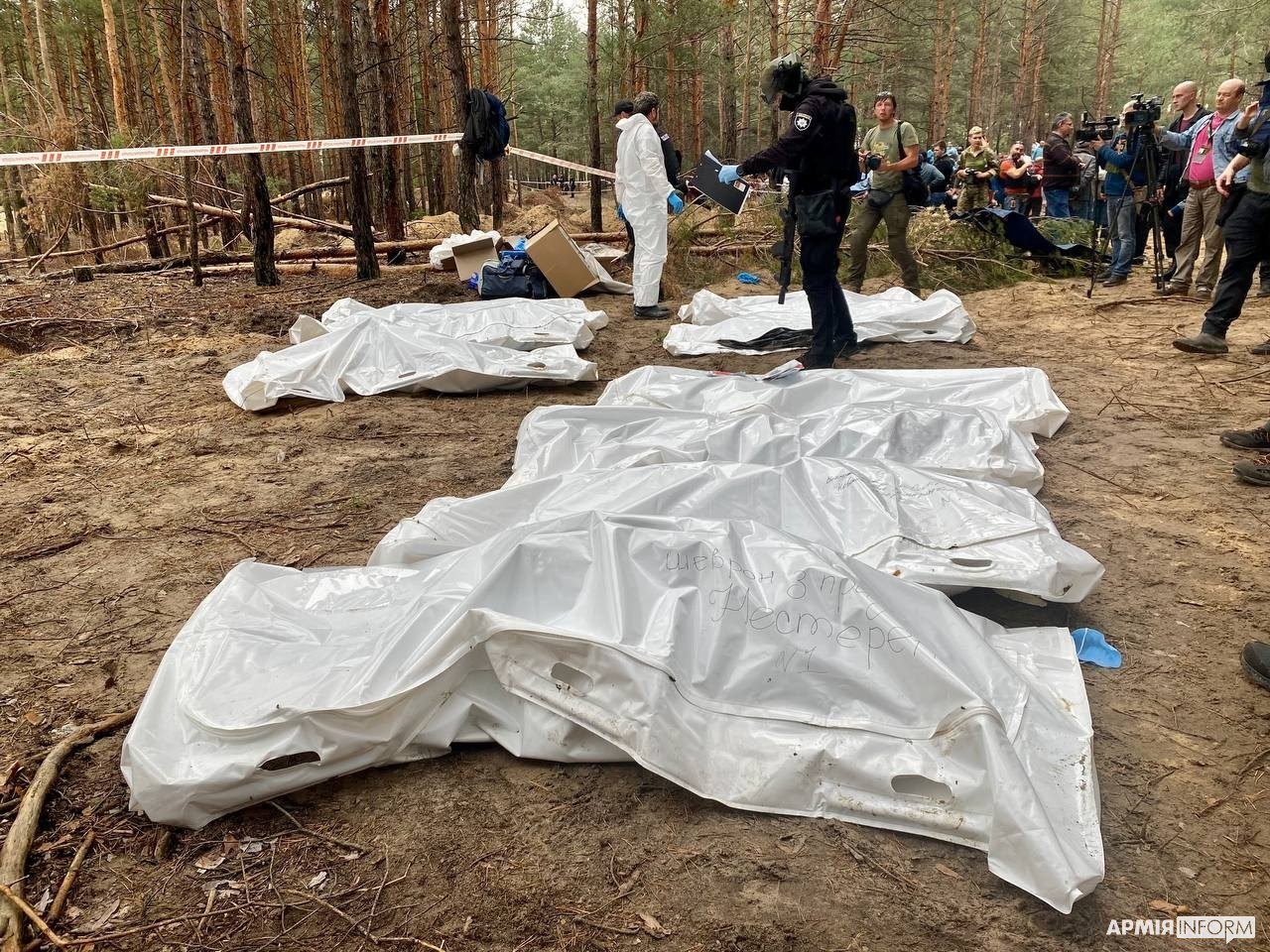

On 27 July 2022, 193 Ukrainian prisoners of war from Azovstal were moved into a converted industrial shed at Correctional Colony No. 120. The next night the shed exploded and burned. At least 50 died; the wounded waited hours for care. Russia said Ukraine had hit its own men with HIMARS. The UN excluded HIMARS, found the ordnance came from the east, and recorded that Russia blocked every attempt to investigate — including the Secretary-General's own mission.
Not HIMARS; Russia failed to protect, treat and investigate — established (OHCHR) Denial of medical care to POWs — pattern Planned mass killing of prisoners of war — position (Art. 438 CCU)
Russia said. Russian Ministry of Defence · daily briefing · 29 Jul 2022: “A missile strike from the U.S.-made HIMARS multiple launch rocket system.” — Excluded by the UN. OHCHR, after more than 50 interviews and 70 images: the explosions were not caused by HIMARS rockets; the damage is not characteristic of HIMARS; multiple explosions were heard; the ordnance travelled east to west. The fragments shown to Russian journalists were displayed outside the barrack, not in situ (4 Oct 2023, paras. 83–84, 88).
Evidence held: OHCHR, report on treatment of POWs, 24 Mar 2023, paras. 72–76; OHCHR, 36th periodic report, 4 Oct 2023, paras. 82–90; General Staff, 29 Jul 2022; Prosecutor General, 1 Aug 2022 – 28 Jul 2025.
Photo & video · 5 photos

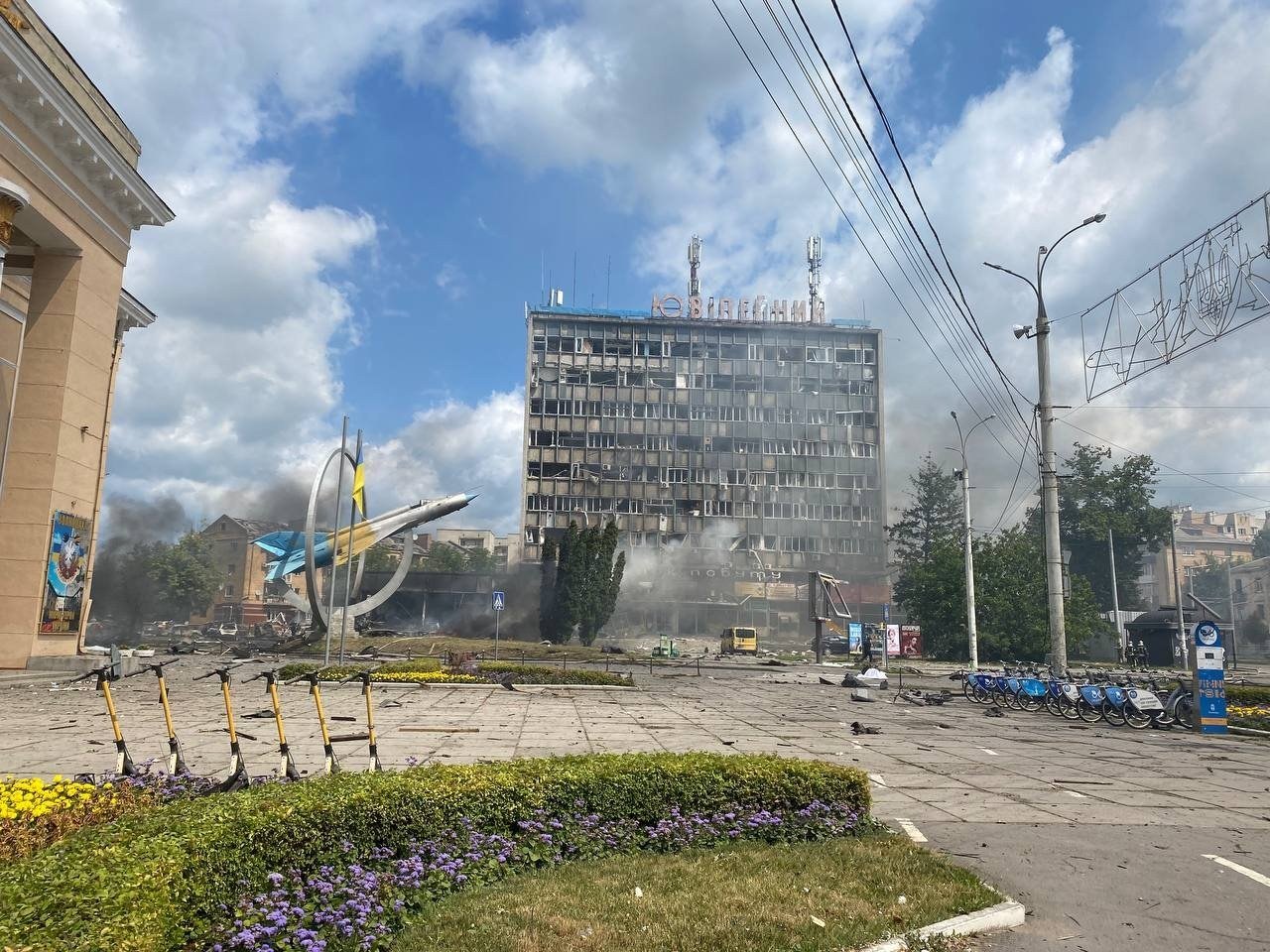
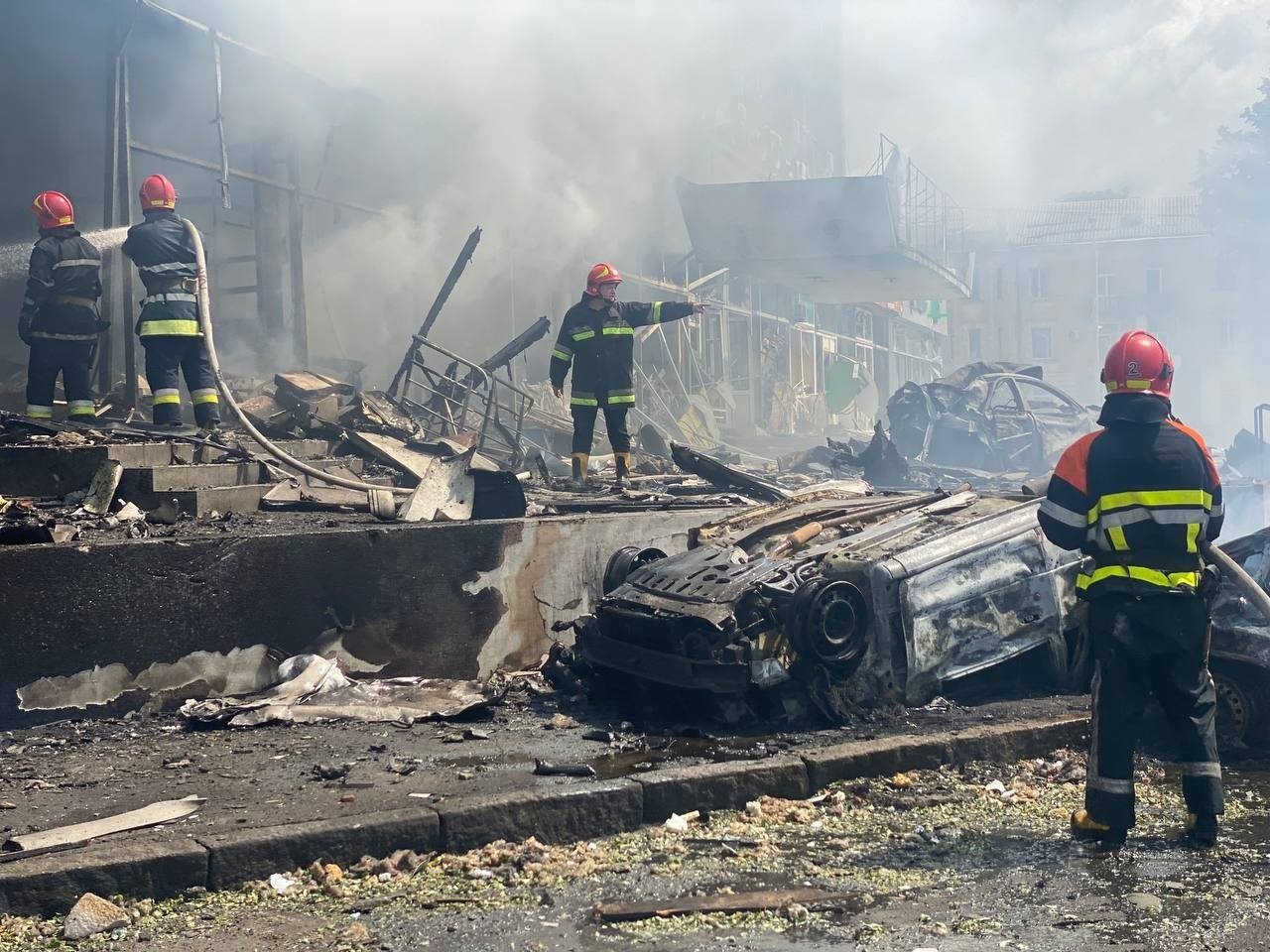
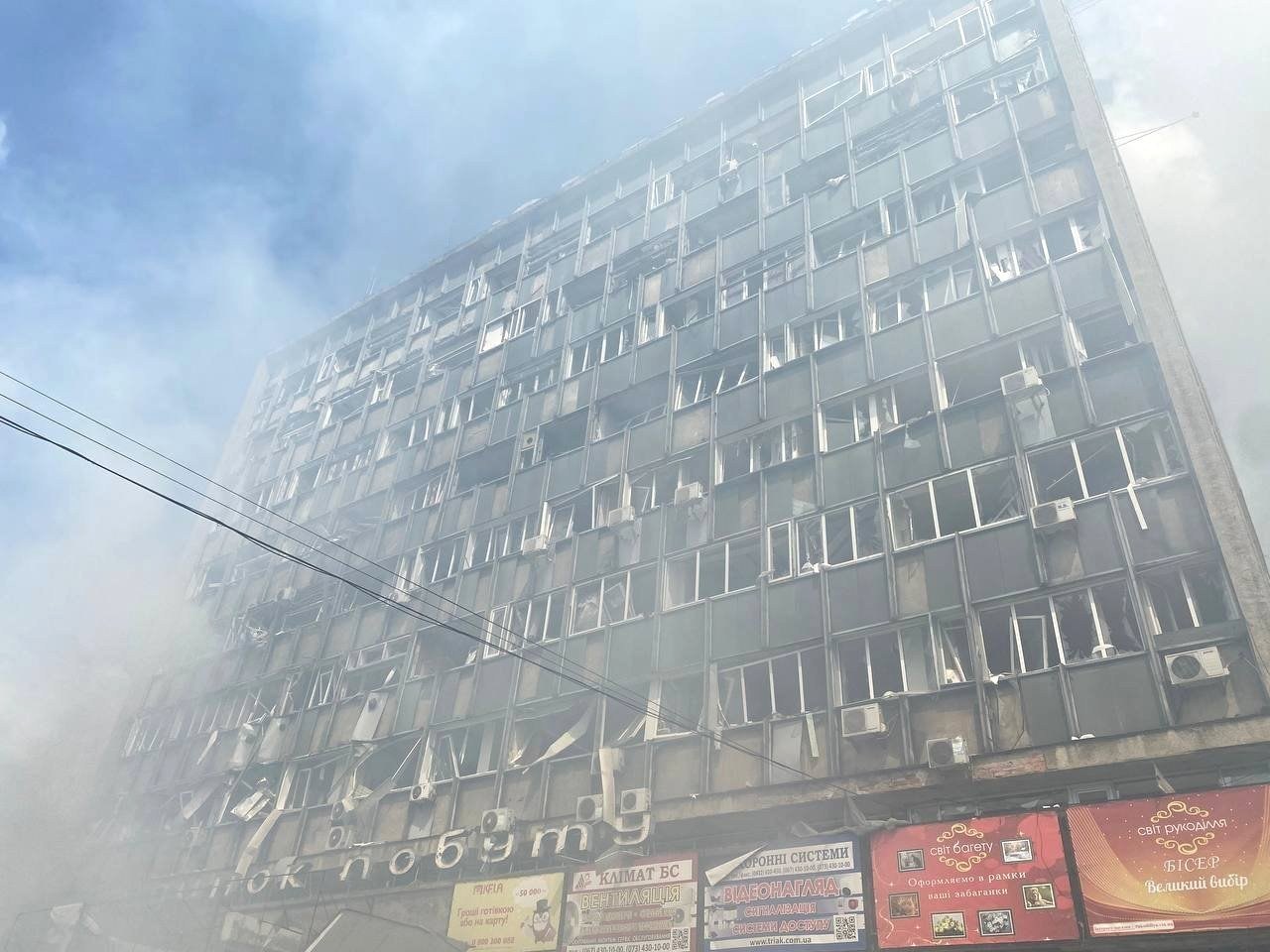
Kalibr cruise missiles launched from the Black Sea hit the centre of Vinnytsia — 400 km from the front — at about 10:45 on a Thursday: the Officers' House concert hall, a clinic, an office block and a car park. 28–29 civilians died, three of them children, among them four-year-old Liza Dmytriieva, just out of a speech-therapy session. Russia said it had struck a meeting of the Air Force command with foreign arms suppliers and 'the participants were eliminated'.
Missile strike on a civilian city centre, 29 civilians killed — established on the record (UN SG; Ukrainian investigation; Russian admission of the strike) Sea-launched cruise missiles on cities far from the front, with an invented military target — pattern War crime combined with premeditated murder — position (Arts. 28(2), 438(2) CCU; Osipov charged)
Russia said. Ministry of Defence of the Russian Federation · daily briefing, Moscow, 15 Jul 2022 (relayed by RIA Novosti; translation via Novaya Gazeta Europe / Ukrainian News): “Yesterday, high-precision Kalibr missiles attacked the garrison house of officers in Vinnytsia; at that moment a meeting of the command of the Ukrainian Air Force with representatives of foreign arms suppliers was held … As a result of the strike, the participants in the meeting were eliminated.” — No such meeting, no such participants. The dead are 29 civilians including three children; none was an Air Force officer or a foreign national, and Russia has never named one. The missiles also hit a clinic, an office block and a car park, which the statement omits.
Evidence held: UN Secretary-General, 14 Jul 2022; EU High Representative and Commissioner for Crisis Management, 14 Jul 2022; General Staff (Deputy Chief of Main Operational Directorate O. Hromov) and Air Force, 14 Jul 2022; SBU, 12 Jul 2023.
Photo & video · 7 photos
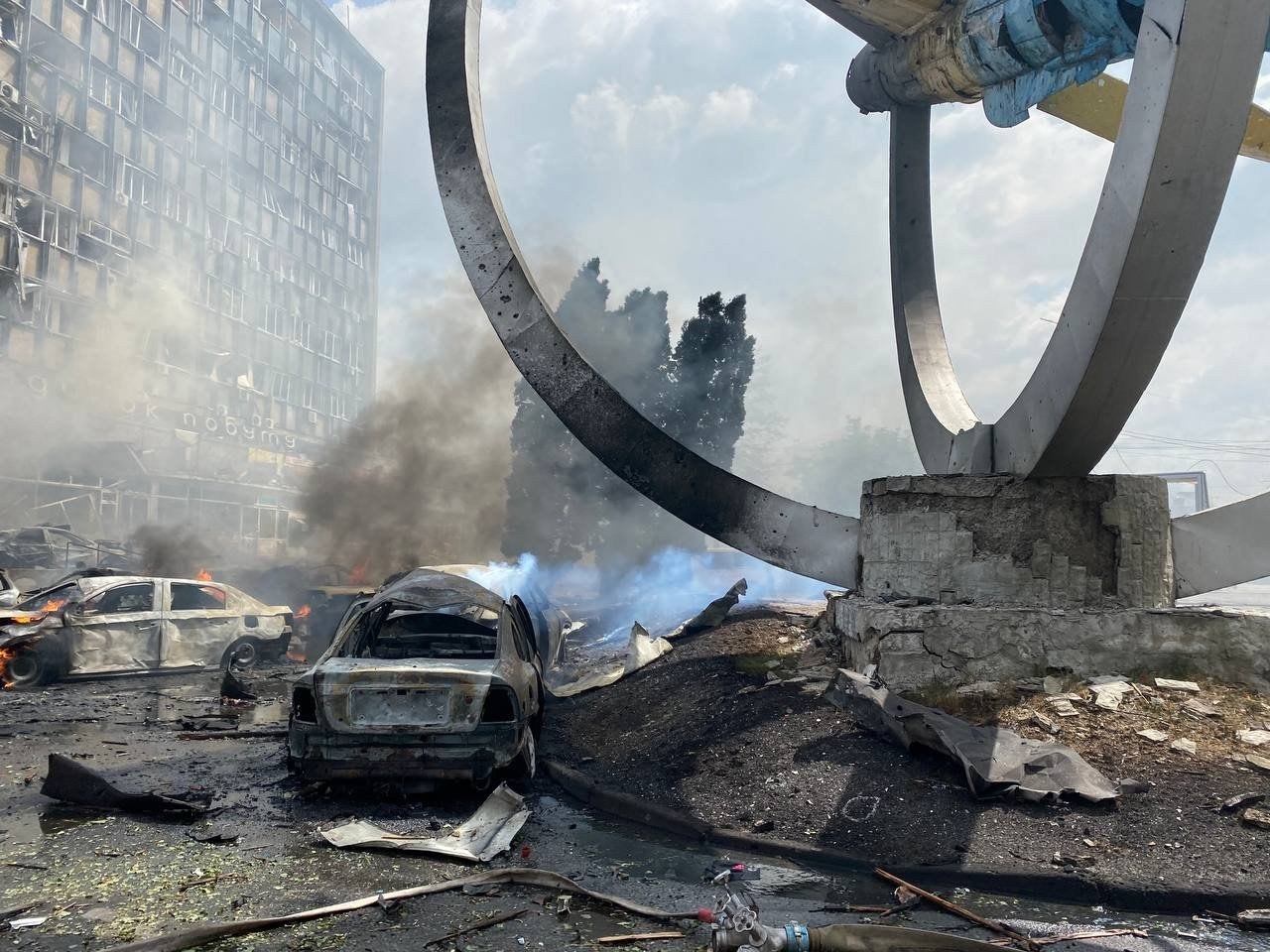
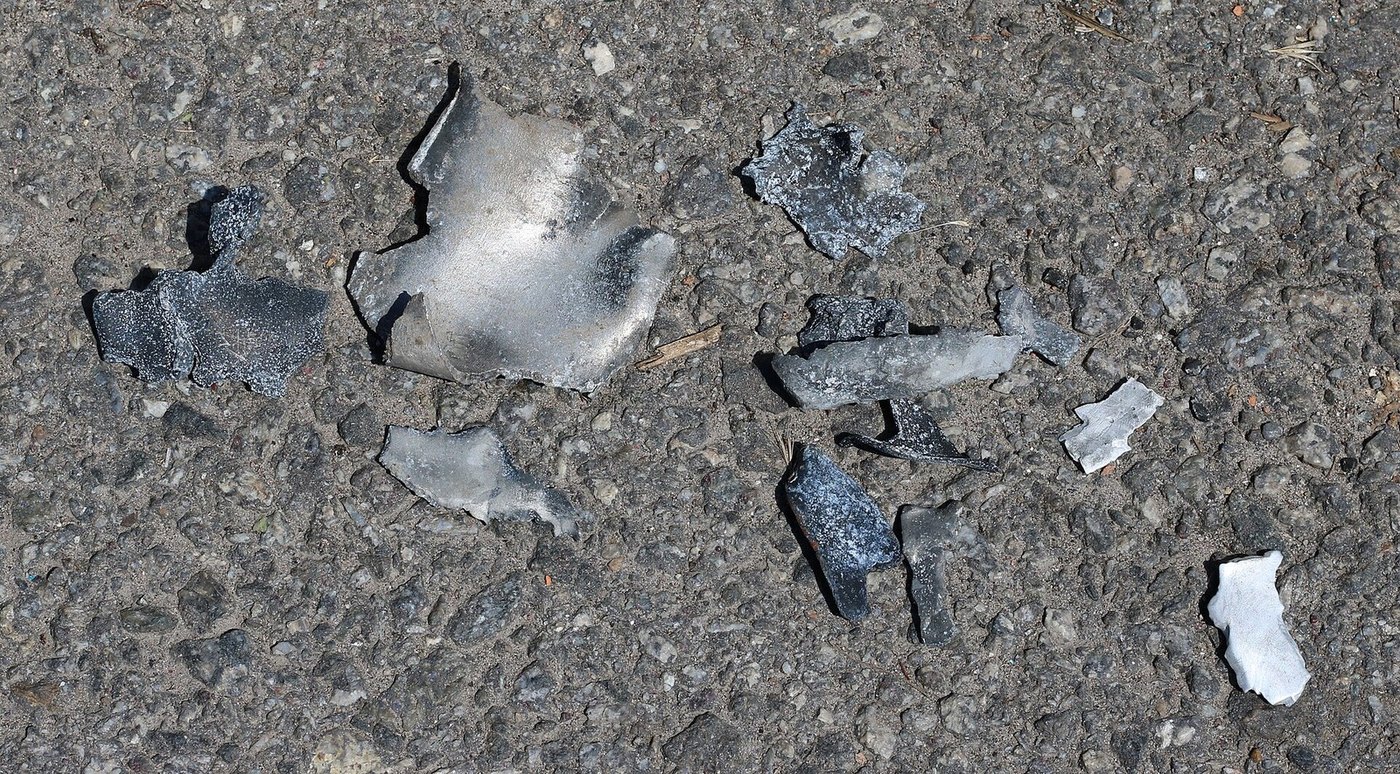
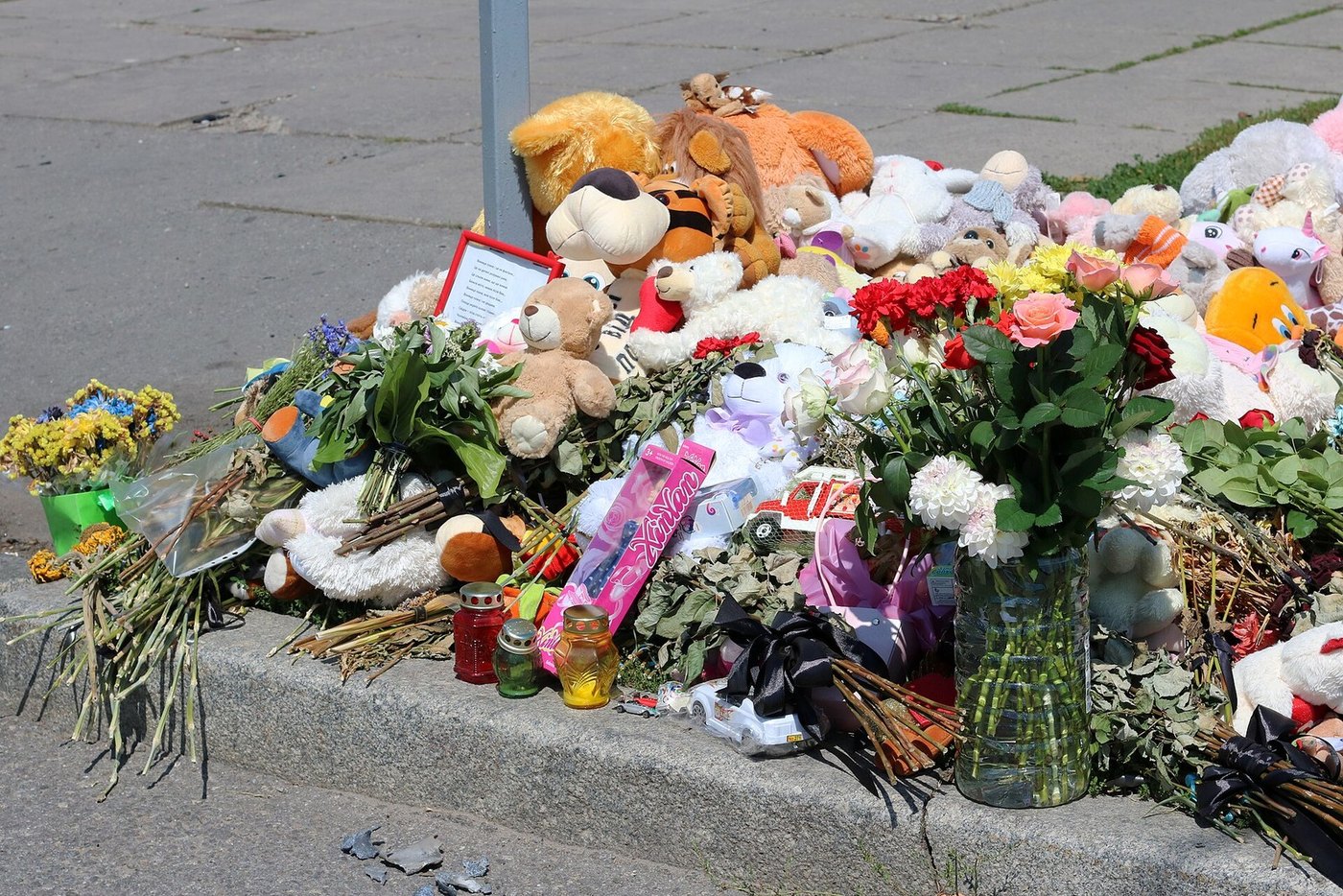
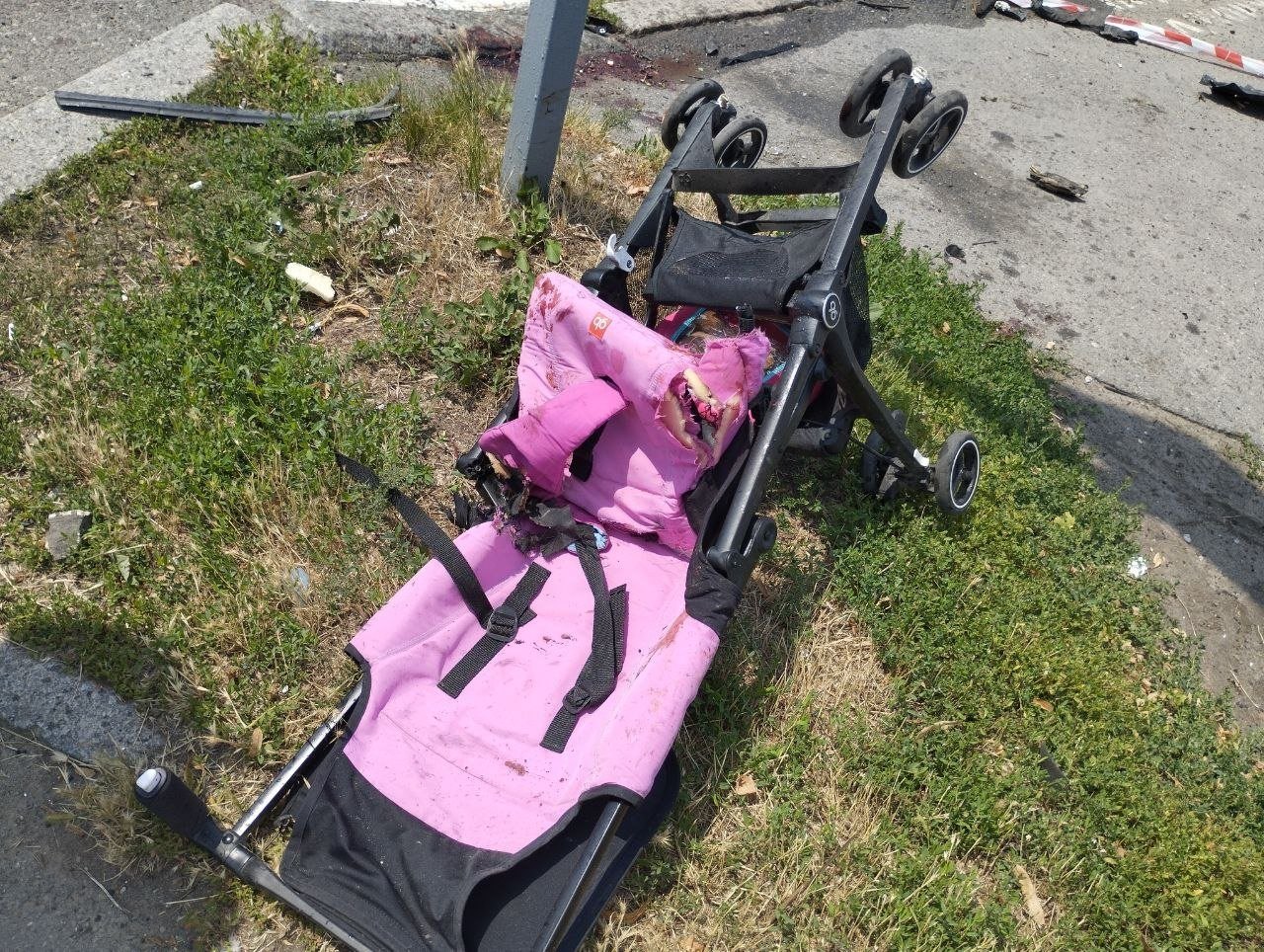

On a Monday afternoon two Kh-22 missiles — 1960s anti-ship weapons with a ~950 kg warhead and an accuracy measured in hundreds of metres — were fired from Tu-22M3 bombers over Kursk region at Kremenchuk, 250 km from the front. One hit the Amstor shopping centre with hundreds of people inside. 21–22 people died. Russia confirmed the strike the next day and said the mall was closed and caught fire from exploding Western ammunition. CCTV and receipts say otherwise.
Indiscriminate attack with an inaccurate anti-ship missile on a populated area — established (Commission of Inquiry) Kh-22 strikes on civilian buildings far from the front — pattern (Serhiivka, Dnipro, Kremenchuk) War crime — position (G7 leaders; Art. 438 CCU; three commanders under suspicion)
Russia said. Dmitry Polyanskiy · First Deputy Permanent Representative of Russia to the UN · 27 Jun 2022: “We'll have to wait and see what our Ministry of Defence says, but there are too many obvious inconsistencies.” — Abandoned by the Ministry of Defence the next day. On 28 June the Russian MoD confirmed that its Aerospace Forces had struck Kremenchuk. A provocation staged by Ukraine and a Russian missile strike cannot both be true; the Commission of Inquiry attributes the attack to Russian armed forces.
Evidence held: Commission of Inquiry, A/HRC/52/62 (15 Mar 2023), para. 31; G7 Leaders' Statement, Elmau, 27 Jun 2022; DSNS, 27 Jun 2022; Air Force Command and SBU, 27–30 Jun 2022.
Photo & video · 5 photos

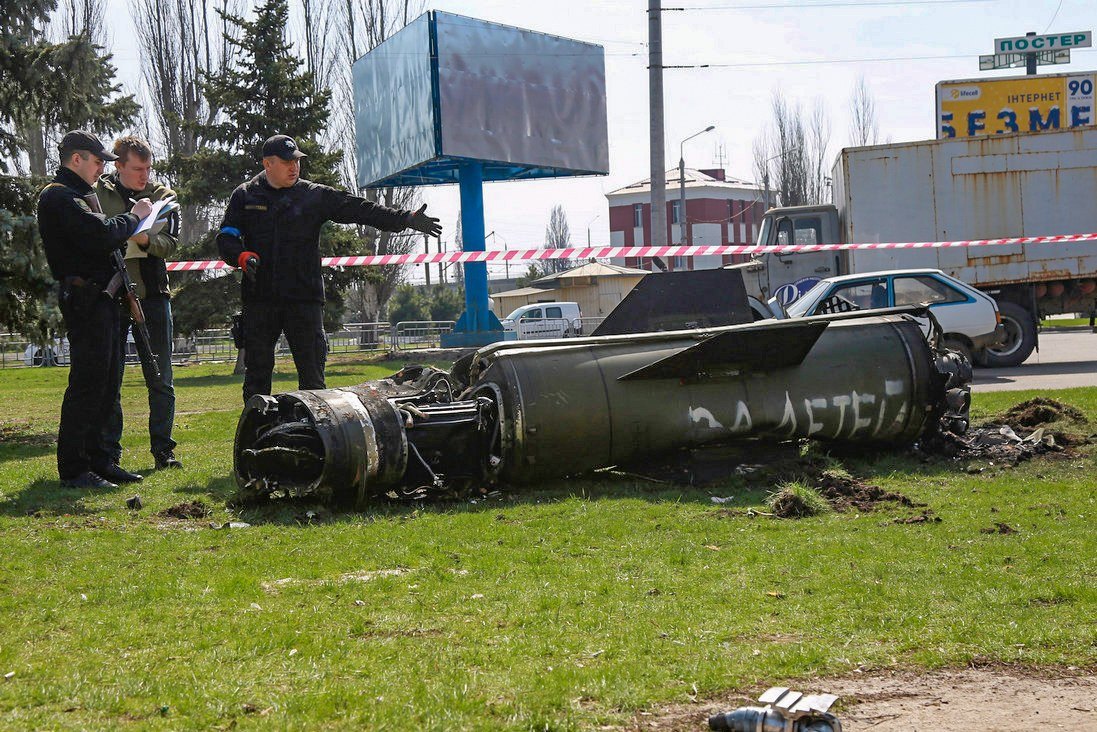
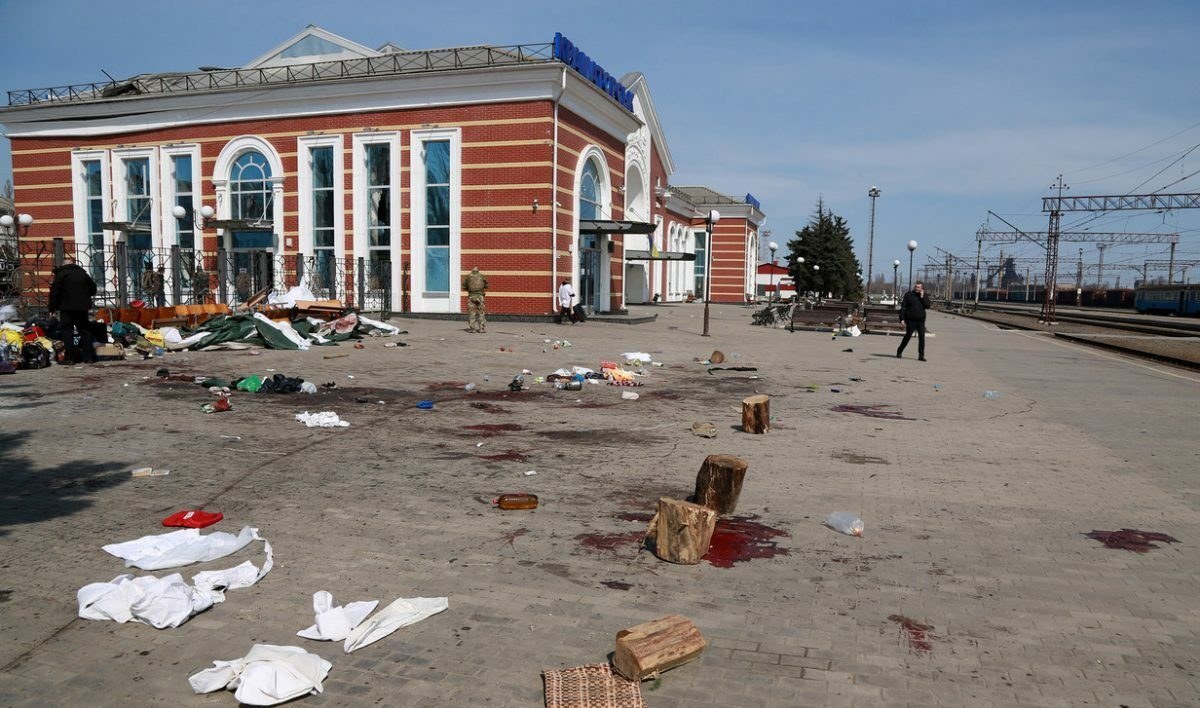
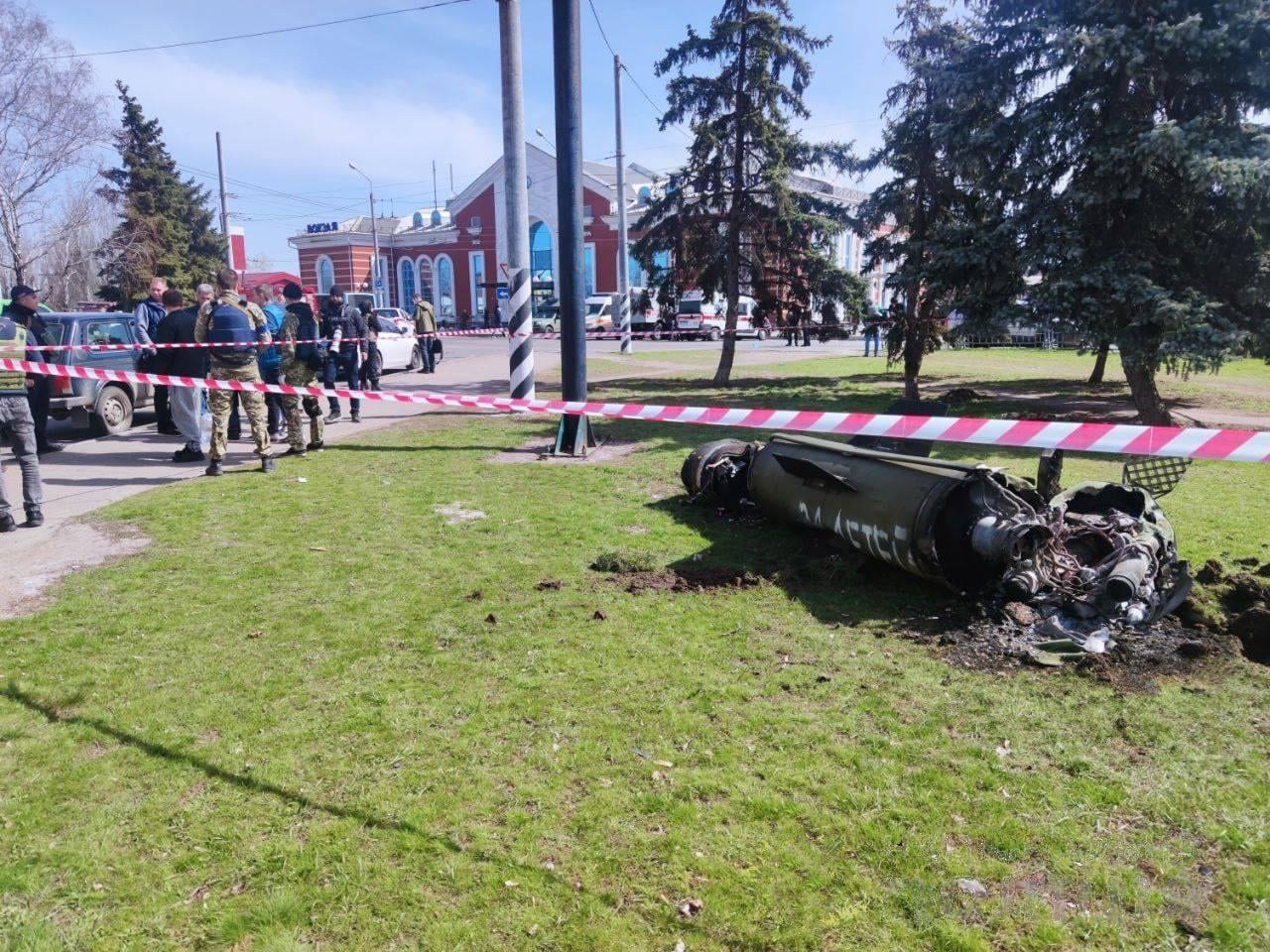
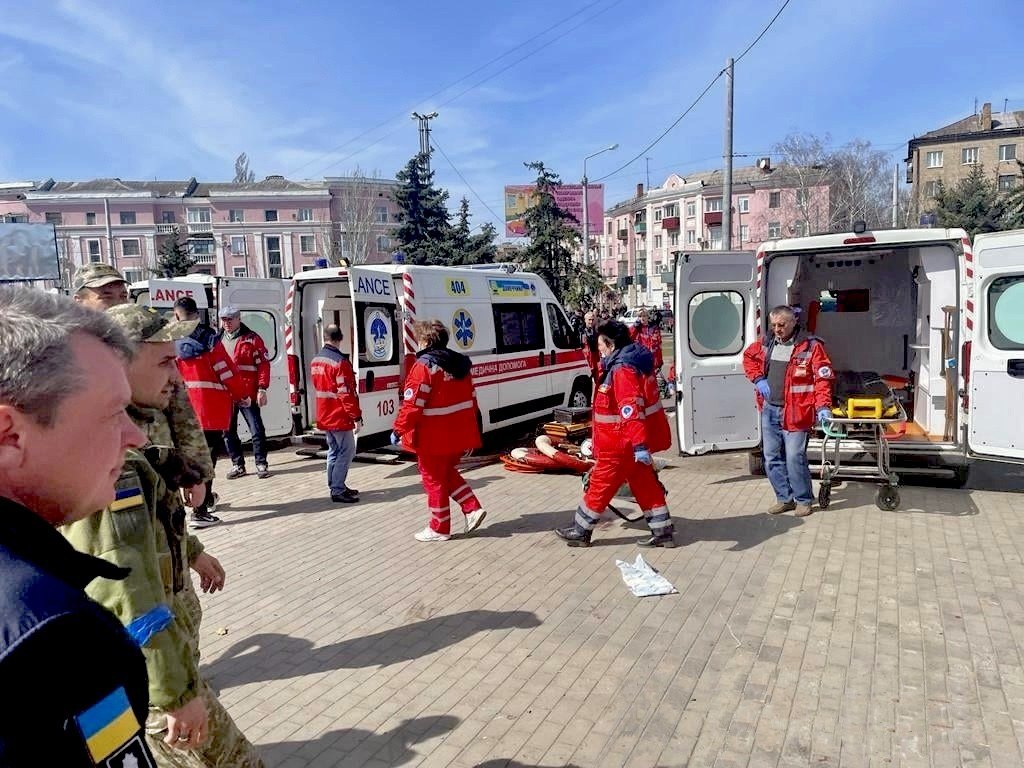
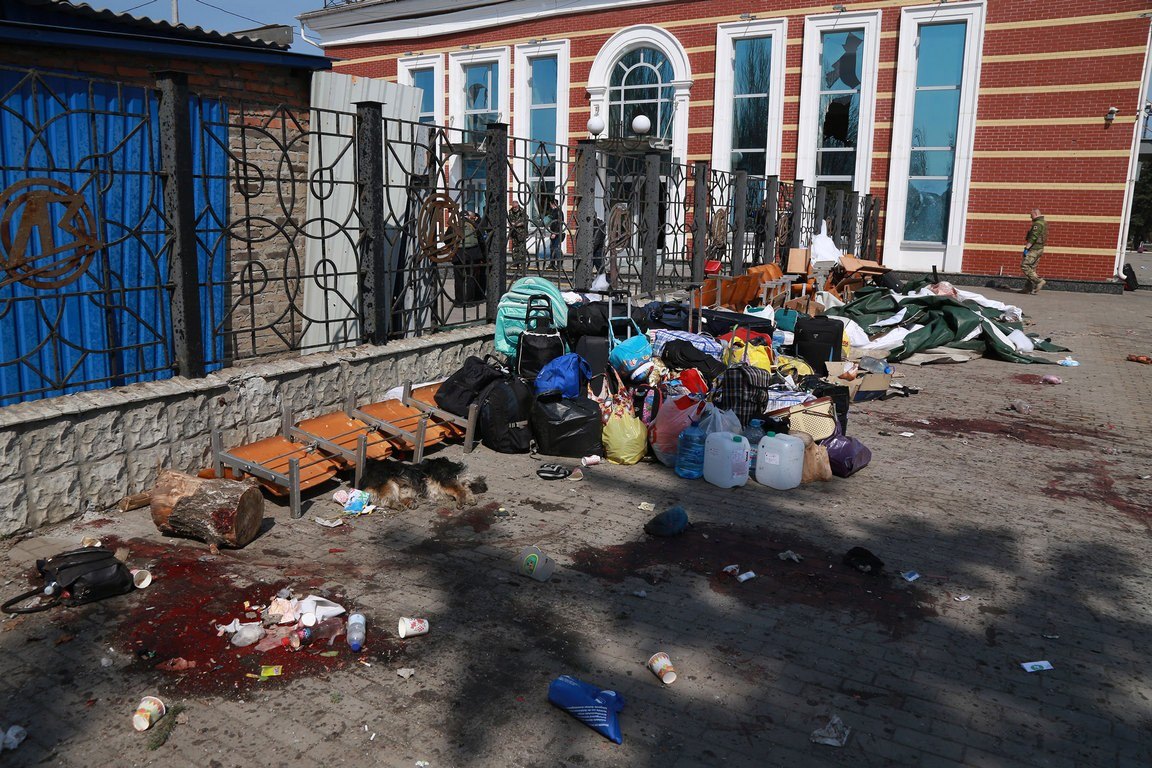
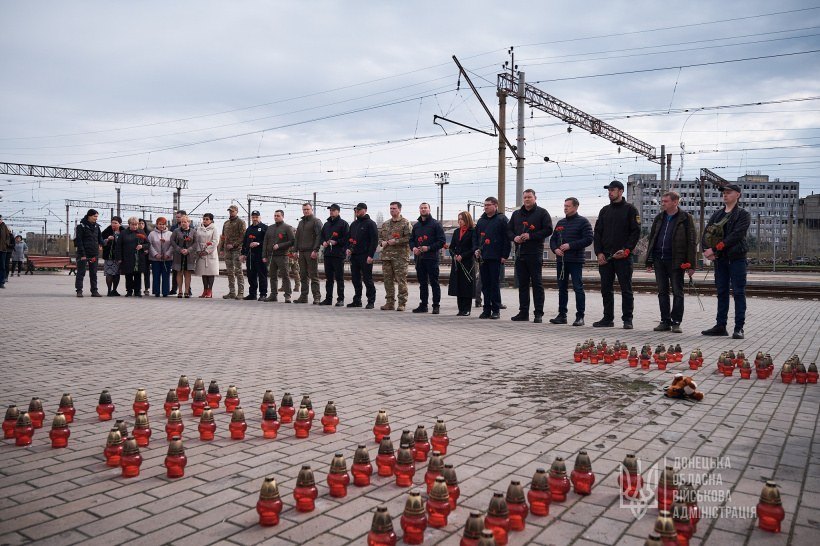
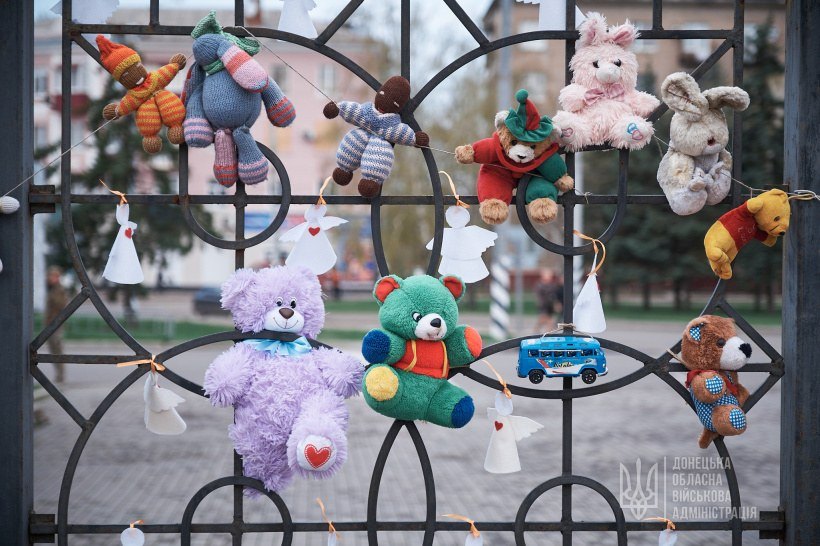
At 10:28 on 8 April 2022 a Tochka-U ballistic missile opened its cluster warhead over the forecourt of Kramatorsk station, where hundreds of people were waiting for evacuation trains. At least 58–63 civilians died, among them seven to nine children; more than 100 were injured. The rocket motor carried the words 'ЗА ДЕТЕЙ' — 'for the children'. Within hours Russia had announced strikes on other stations, denied this one and blamed a Ukrainian brigade.
Indiscriminate attack, no feasible precautions, hundreds of civilians present — established (Commission of Inquiry) Cluster munitions on evacuation points and gatherings — pattern War crime, violation of the laws and customs of war — position (Art. 438 CCU; HRW: apparent war crime)
Russia said. Ministry of Defence of the Russian Federation · official statement · Moscow, 8 Apr 2022, 13:41: “All the claims by representatives of the Kiev nationalist regime that Russia allegedly carried out a 'missile attack' on April 8 against the railway terminal in Kramatorsk are a provocation and completely have nothing to do with reality. The Russian Armed Forces had no fire tasks and planned none in the town of Kramatorsk on April 8.” — Contradicted by the MoD's own briefing three hours earlier. At about 10:10 the same ministry announced strikes with 'high-precision air-based missiles' on railway stations at Pokrovsk, Sloviansk and Barvinkove, on the same network. The Commission of Inquiry lists the Kramatorsk attack among those launched or likely launched by Russian armed forces.
Evidence held: Commission of Inquiry, A/HRC/52/62 (15 Mar 2023), paras. 31–32; UN Crisis Coordinator, 8 Apr 2022; SBU, 21 May 2022; Prosecutor General's Office, 8 Apr 2022.
Photo & video · 7 photos

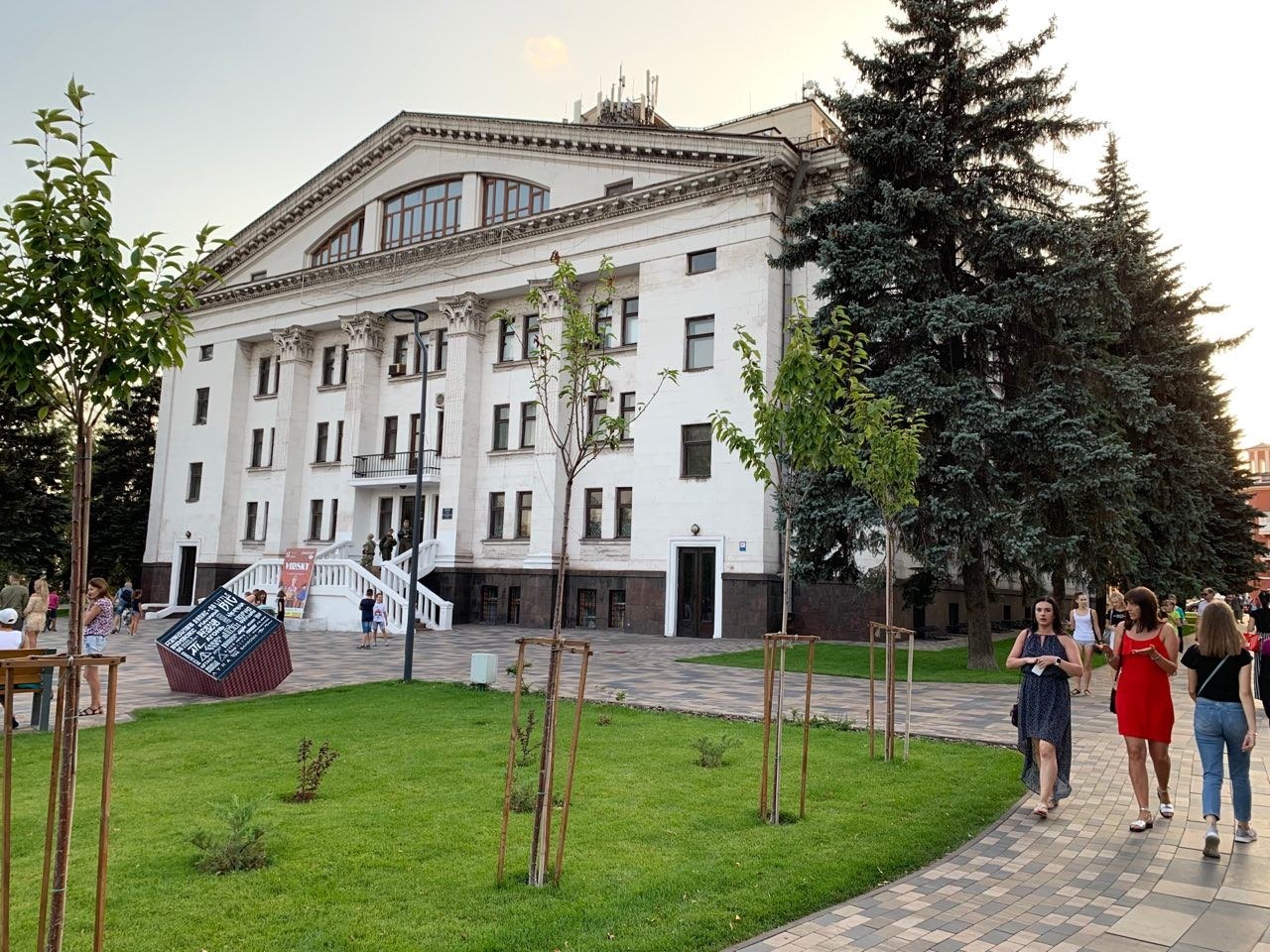
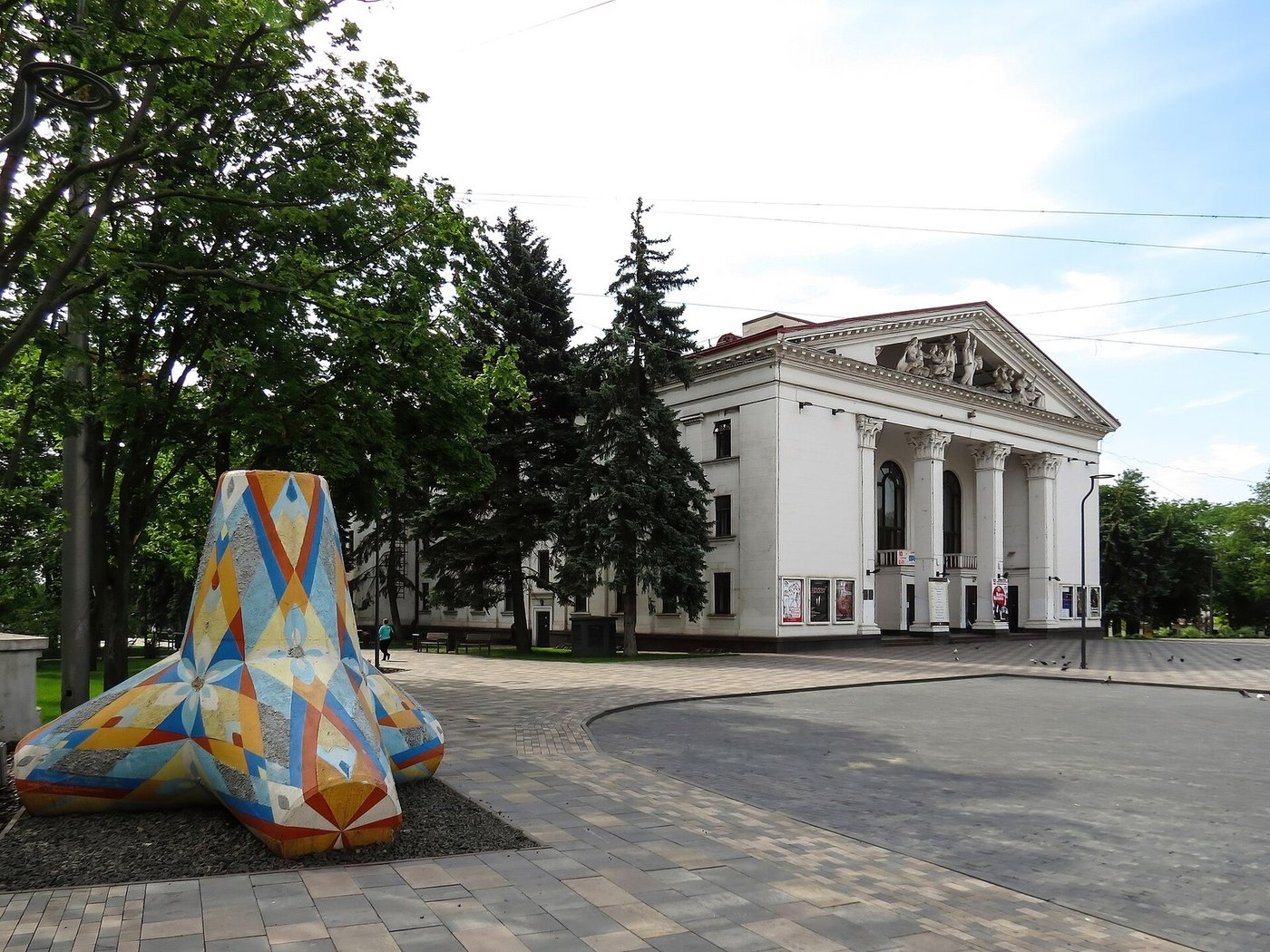
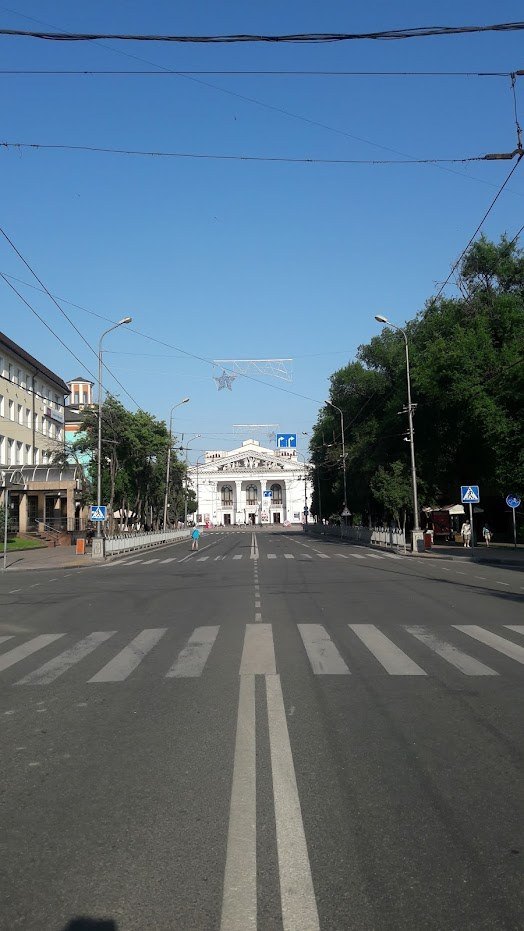
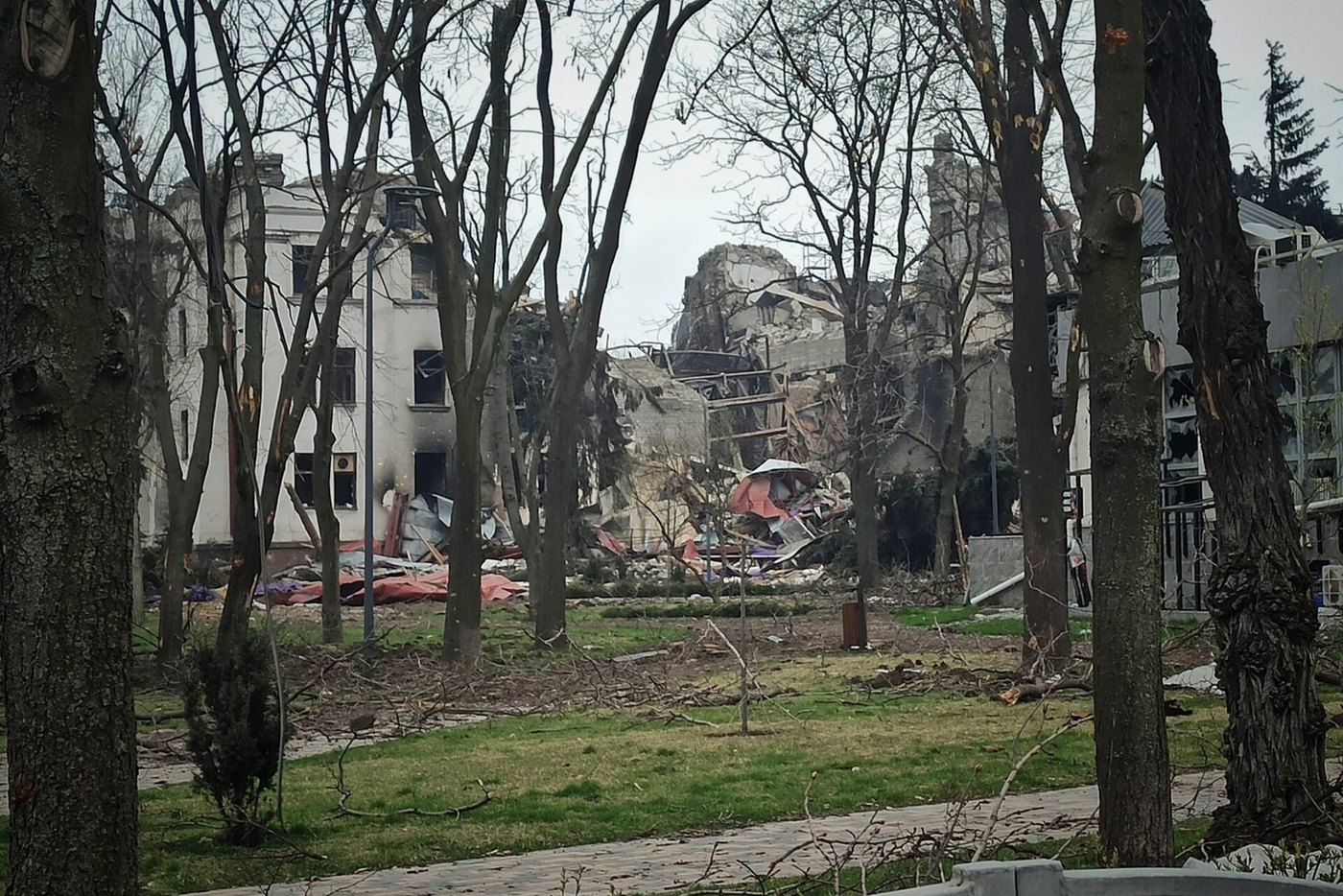
Two 500-kg bombs on a theatre where up to 1,200 civilians had sheltered, with the Russian word for children painted outside in letters visible from orbit. Nobody has been allowed to count the dead: the city said about 300, AP's reconstruction about 600, Amnesty confirmed a dozen and said many more died. The OSCE called it a war crime within a month. Russia blamed Azov, then demolished the ruins.
Attack on a marked civilian shelter — established (OSCE Moscow Mechanism, 13 Apr 2022) Siege of Mariupol: strikes on shelters, hospitals, evacuation routes — pattern War crime combined with murder, Art. 438(2) CCU — position (SBU/PGO suspicion, 19 Aug 2025)
Russia said. Russian Ministry of Defence · official statement · 16 Mar 2022: “Militants of the Azov nationalist battalion carried out another bloody provocation by blowing up the rigged theater building.” — Not plausible on any credible evidence. Amnesty examined the Azov hypothesis and found it not plausible: the evidence points to two 500-kg aerial bombs. Witnesses saw no soldiers inside beyond the occasional man bringing food. The OSCE noted Russia never claimed the theatre as a legitimate target.
Evidence held: OSCE Moscow Mechanism, report of 13 Apr 2022 (experts Benedek, Bílková, Sassòli; 45 participating States); OHCHR, periodic report 1 Feb – 31 Jul 2022 (para. 22); Mariupol City Council, 25 Mar 2022; SBU and Donetsk regional prosecutor, 19 Aug 2025.
Photo & video · 5 photos

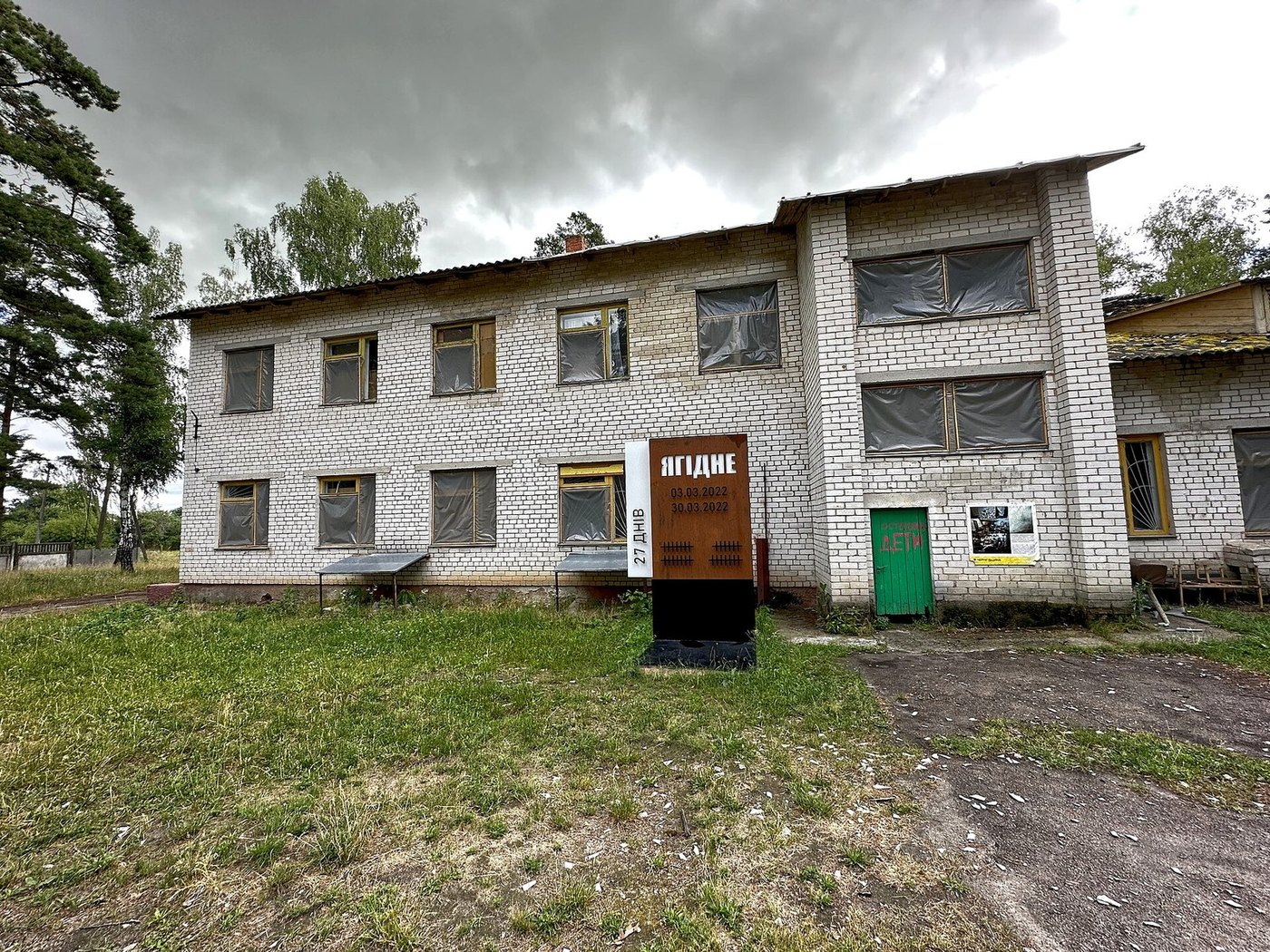
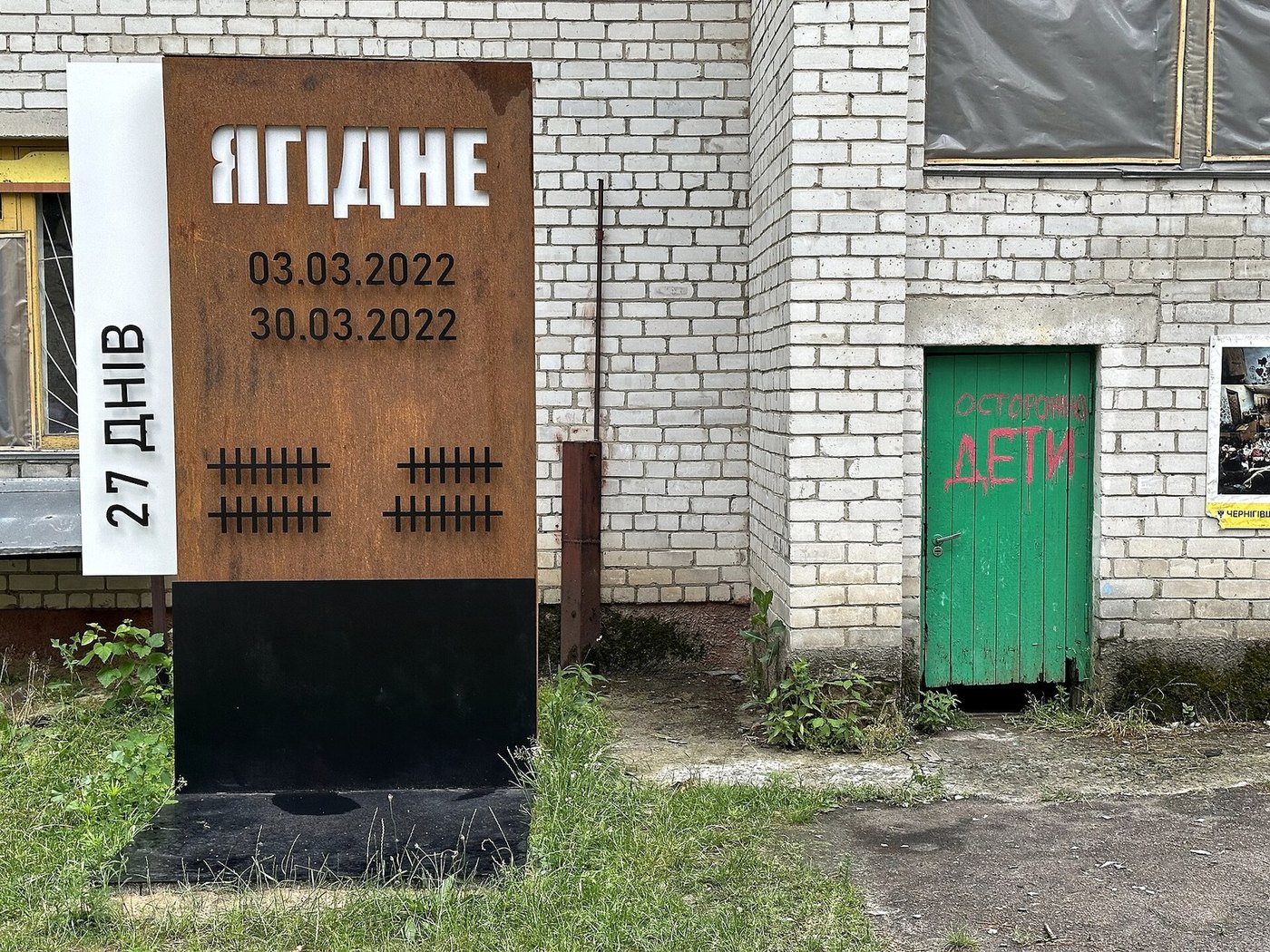
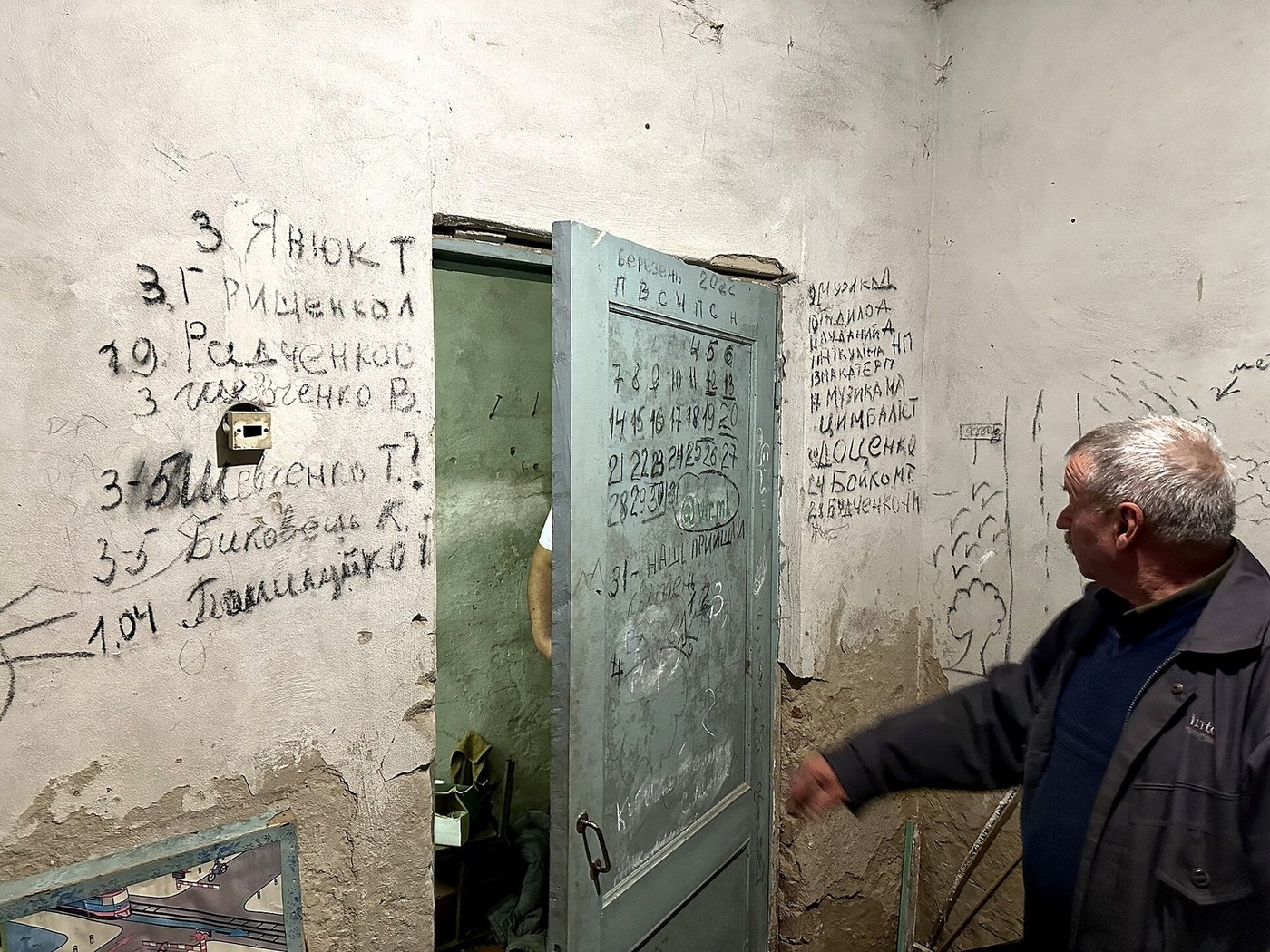
For 28 days Russian troops held almost the whole population of a village — about 365 people, 70 of them children, the youngest six weeks old — in the 197 m² basement of the school they used as their headquarters. Ten elderly people died in the dark. The Commission of Inquiry called it inhuman treatment and a war crime; Ukrainian courts have convicted 16 servicemen in absentia and charged the brigade's general.
Inhuman treatment and unlawful confinement, war crime — established (CoI) Civilians used to shield positions — pattern Command responsibility of the 55th Brigade and 41st Army — position
Russia said. Sergei Lavrov · Foreign Minister · BBC interview, 16–17 Jun 2022: “UN officials are under Western pressure and act as a mouthpiece for Western fakes.” — The UN went to the basement. The Commission of Inquiry visited the basement and saw the names of the dead on the wall (A/77/533, para. 79). Its figures match those of a Ukrainian court that heard 84 victims and of Human Rights Watch, which interviewed 13 former detainees. The 'fake' consists of a room with 365 people's names and dates in it.
Evidence held: High Commissioner for Human Rights, Human Rights Council special session, 12 May 2022; Commission of Inquiry, A/77/533 (18 Oct 2022), paras. 54, 78, 79, 102; Chernihiv regional prosecutor, 22 May 2022; Chernihiv District Court, 11 Mar 2024.
Photo & video · 7 photos
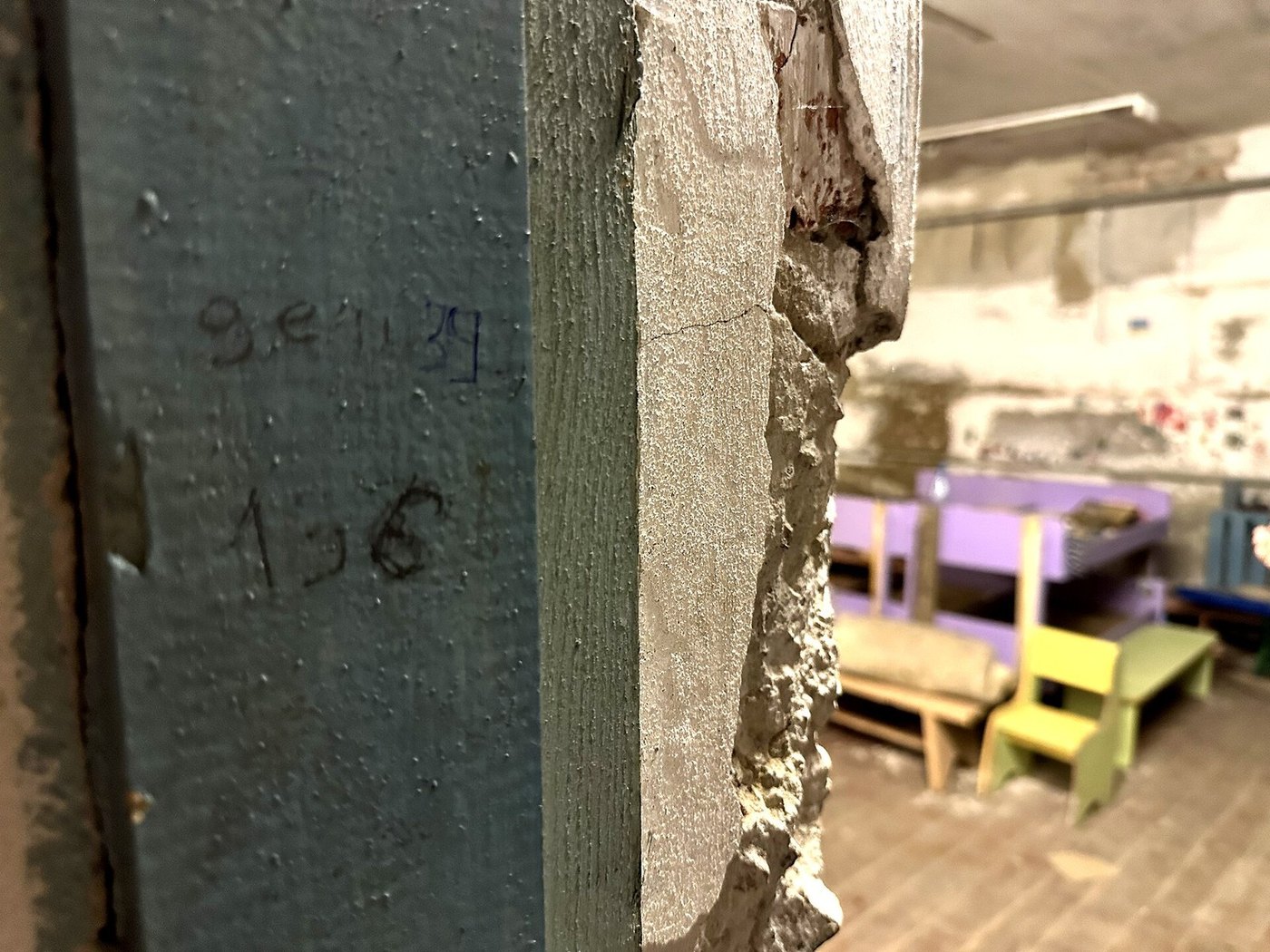
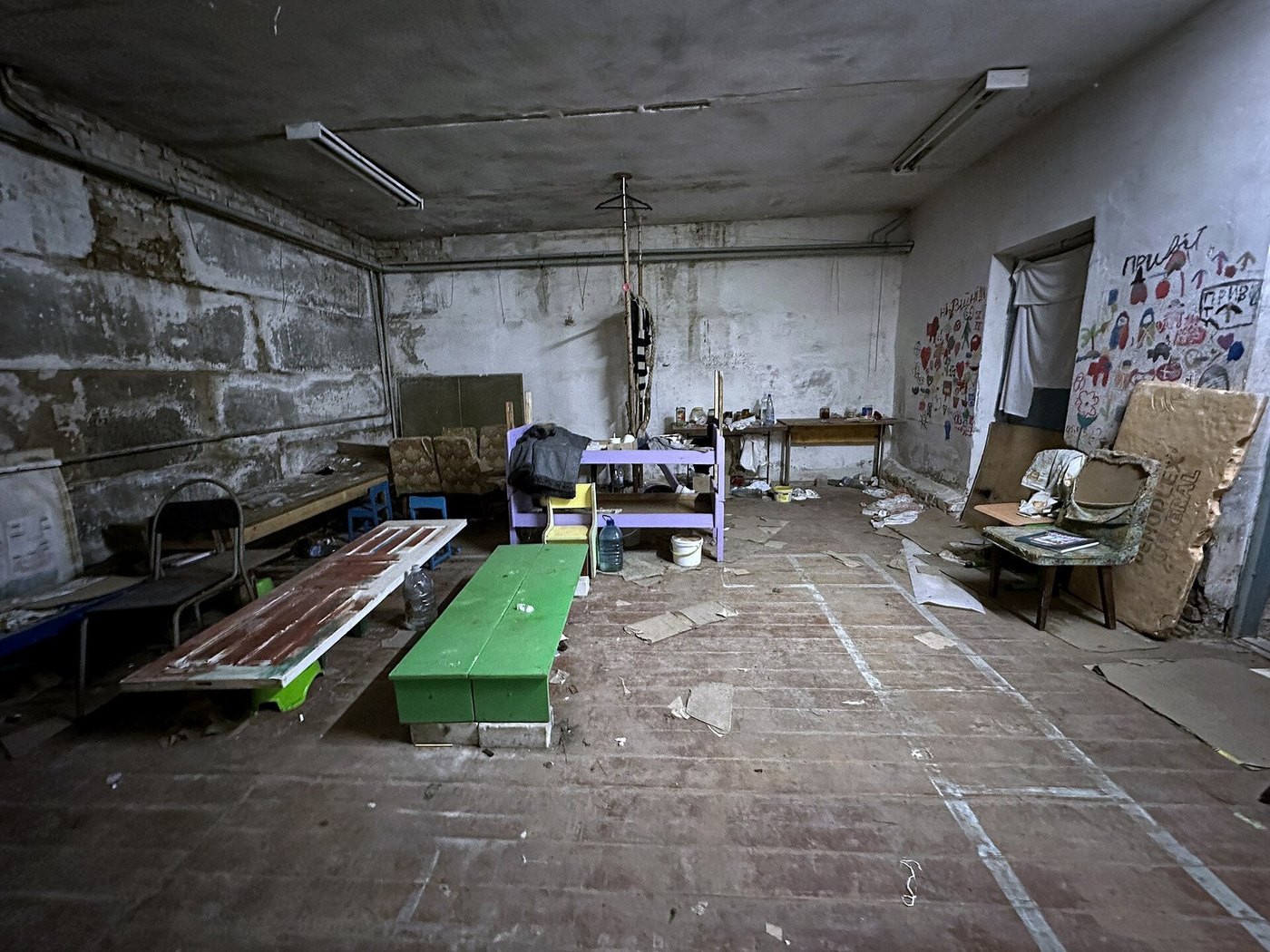
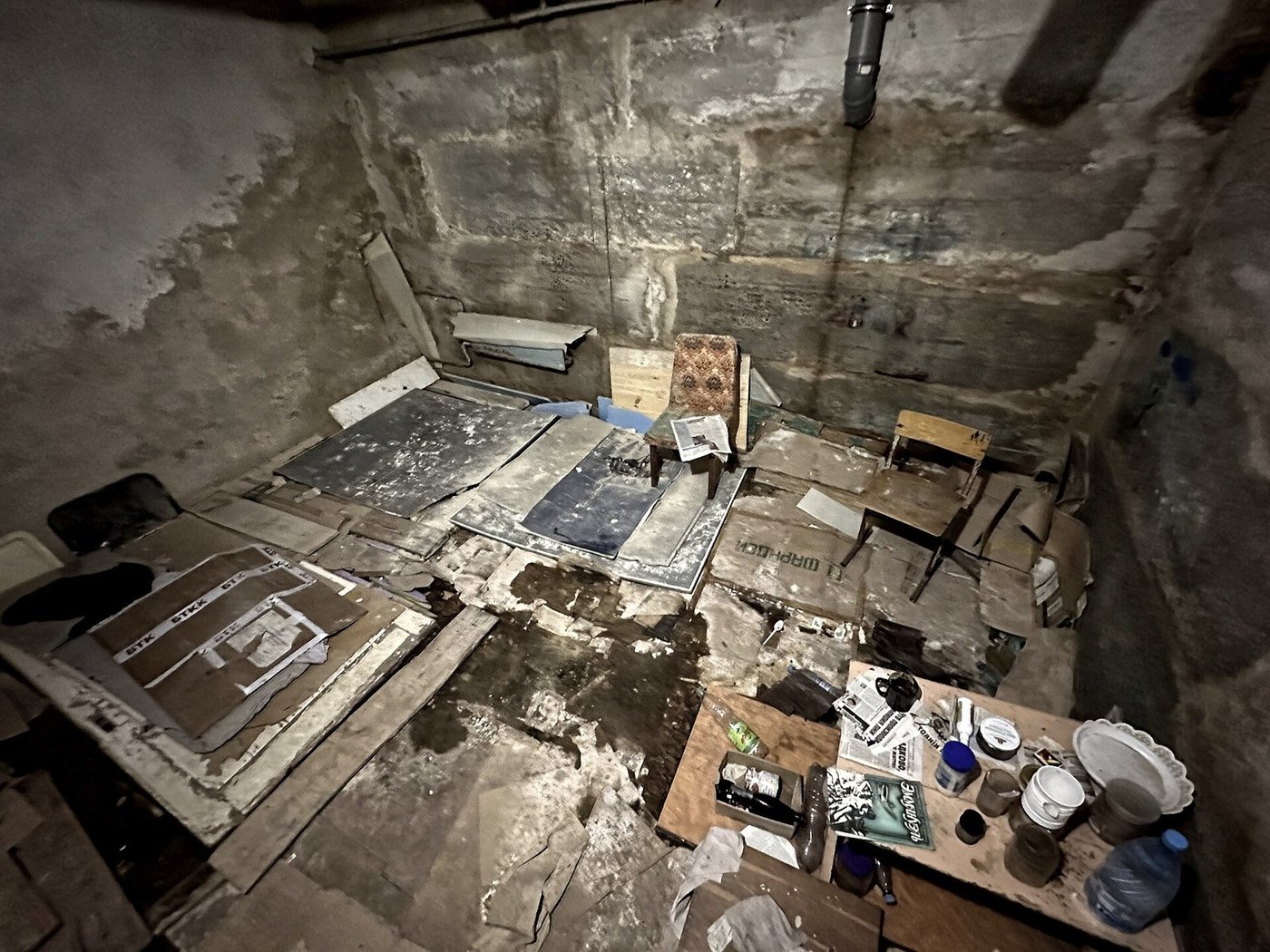
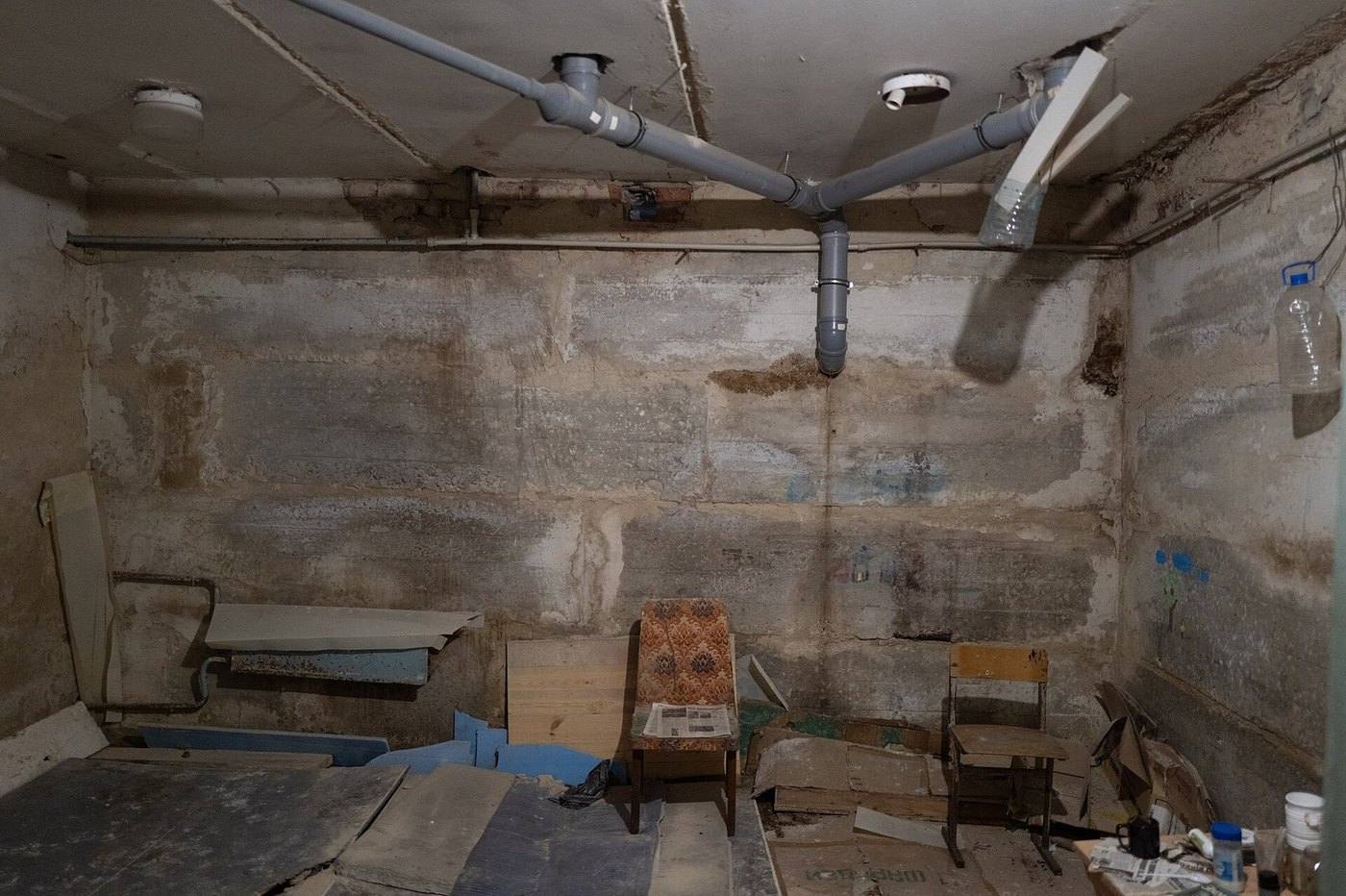

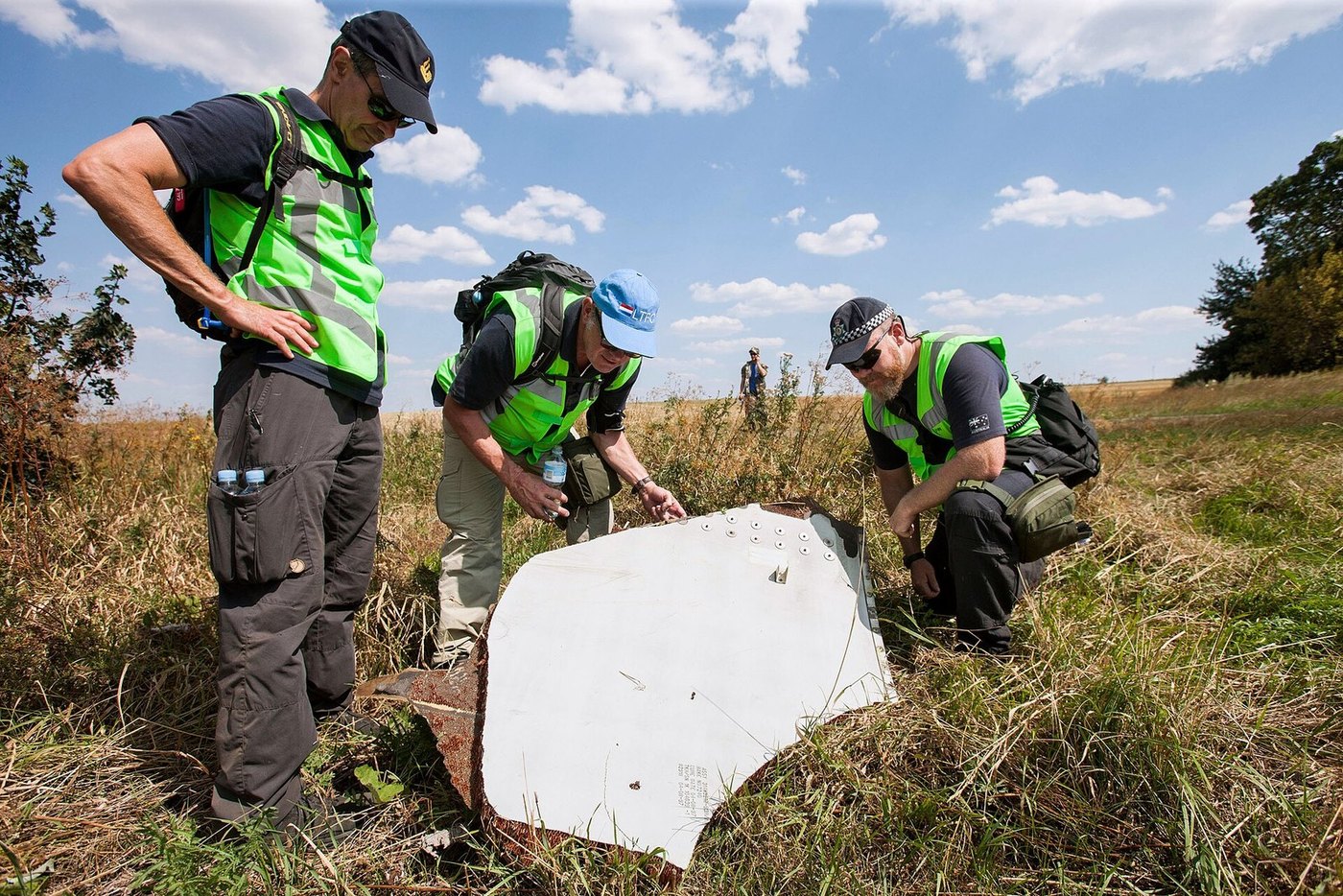
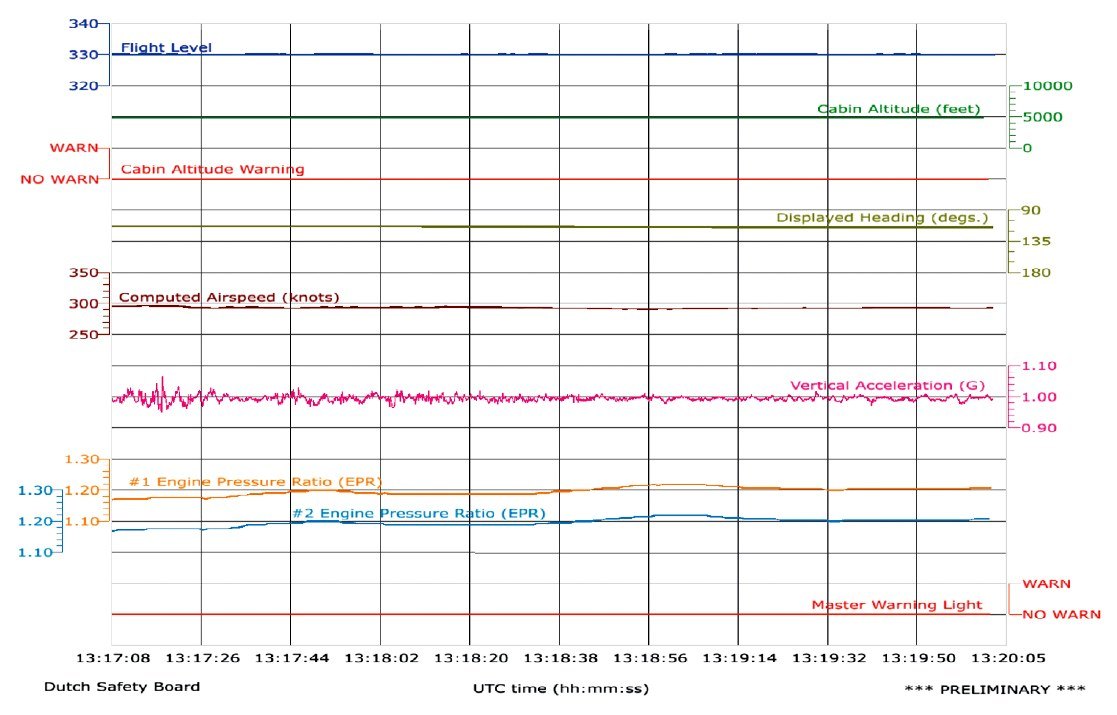
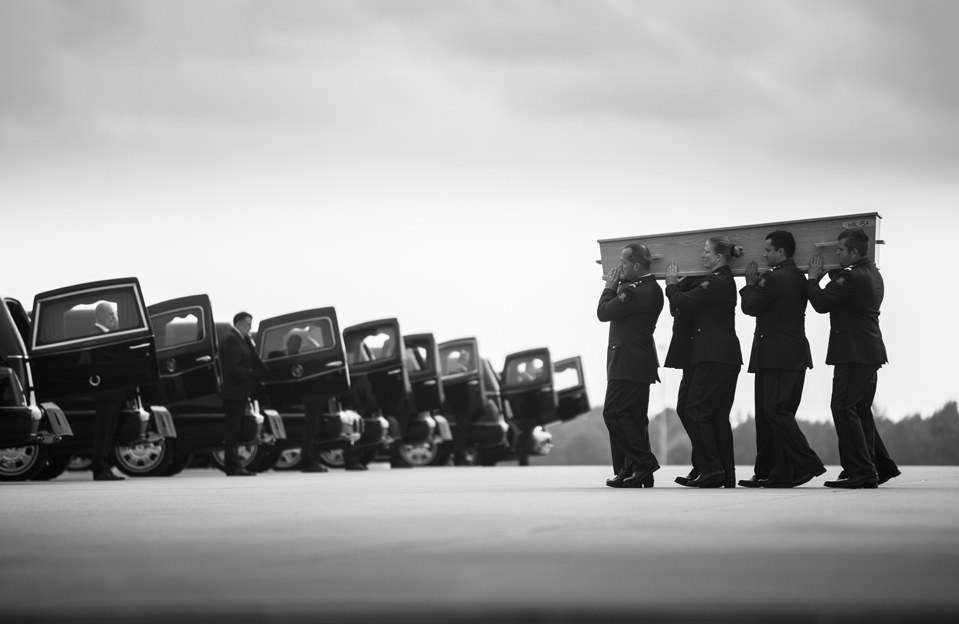
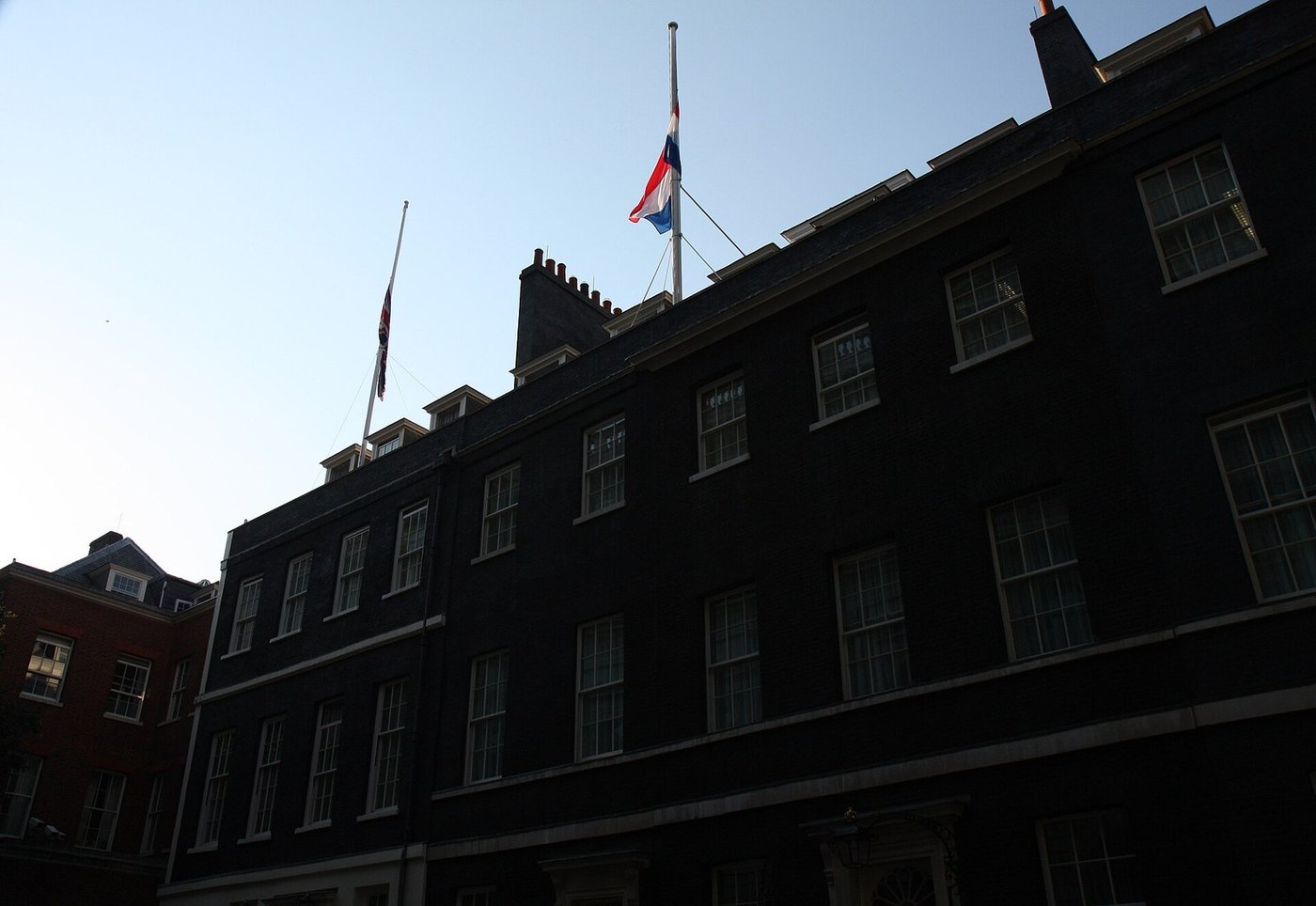
A Russian Buk-TELAR of the 53rd Anti-Aircraft Missile Brigade, driven into occupied Donetsk region and back the same night, fired one missile at a Boeing 777 at 33,000 feet. All 298 on board died, 80 of them children. A Dutch court convicted three men of murder in 2022; in 2025 the ICAO Council and the European Court of Human Rights held Russia responsible. Russia answered with a fighter jet, a retired missile, a withdrawn radar tape and the word 'void'.
Unlawful downing of a civil aircraft, 298 murders — established (District Court of The Hague; ECtHR; ICAO) Denial, counter-narratives, obstruction of investigations — pattern Act of the Russian state through forces under its overall control — position (Netherlands, Australia, Ukraine)
Russia said. Lt-Gen Andrei Kartapolov · Head of the Main Operations Directorate, General Staff · Russian MoD briefing, Moscow, 21 Jul 2014: “A Ukraine Air Force military jet was detected gaining height, its distance from the Malaysian Boeing was 3 to 5 km. The SU-25 fighter jet can gain an altitude of 10 km, according to its specification.” — Withdrawn by Russia's own radar data. The Safety Board excluded an air-to-air missile: the damage pattern and the bow-tie fragments fit only a Buk warhead. On 26 Sep 2016 the Russian MoD released radar data showing no second aircraft near MH17 — the Su-25 disappeared from Russia's own account.
Evidence held: Dutch Safety Board, 13 Oct 2015; JIT, 24 May 2018; Ukraine's Prosecutor General and SBU; Ukraine restricted only lower altitudes; the Safety Board found it had sufficient reason to close its eastern airspace entirely..
Photo & video · 5 photos
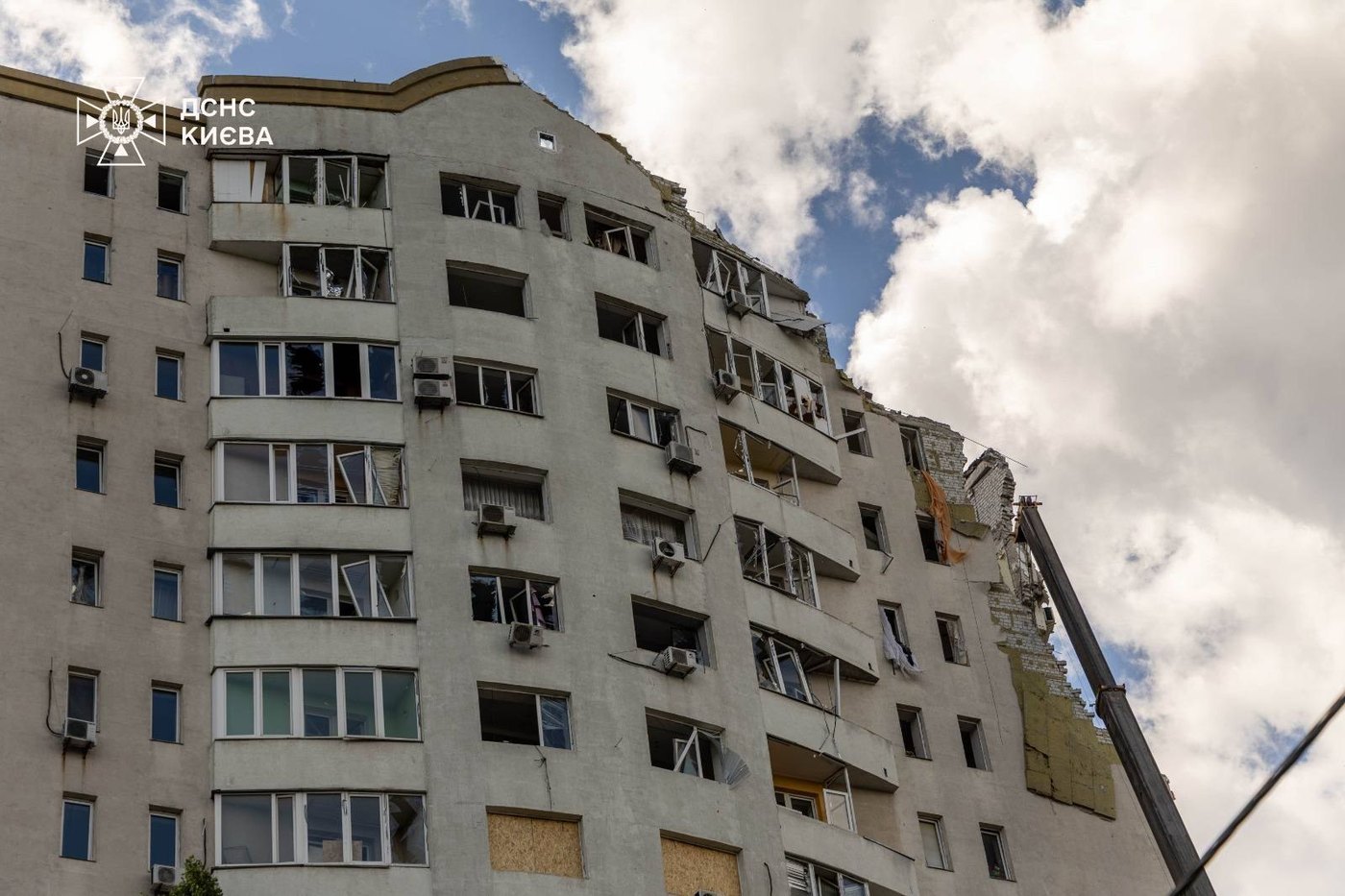
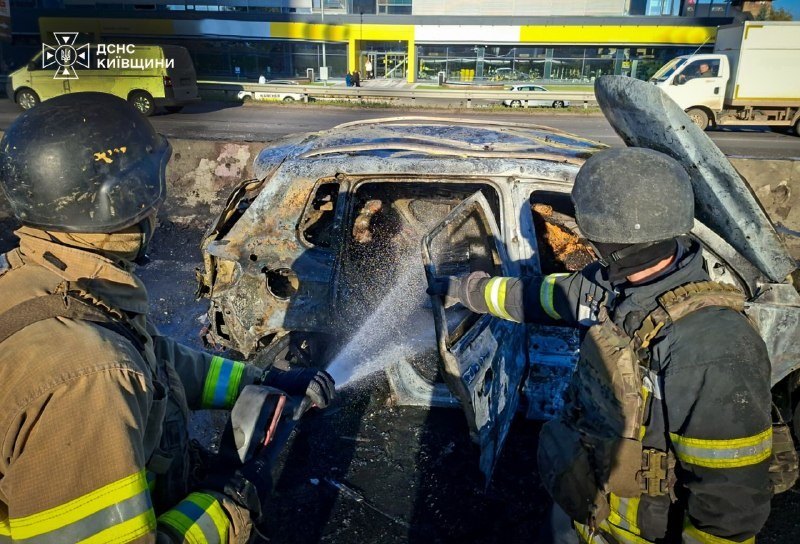
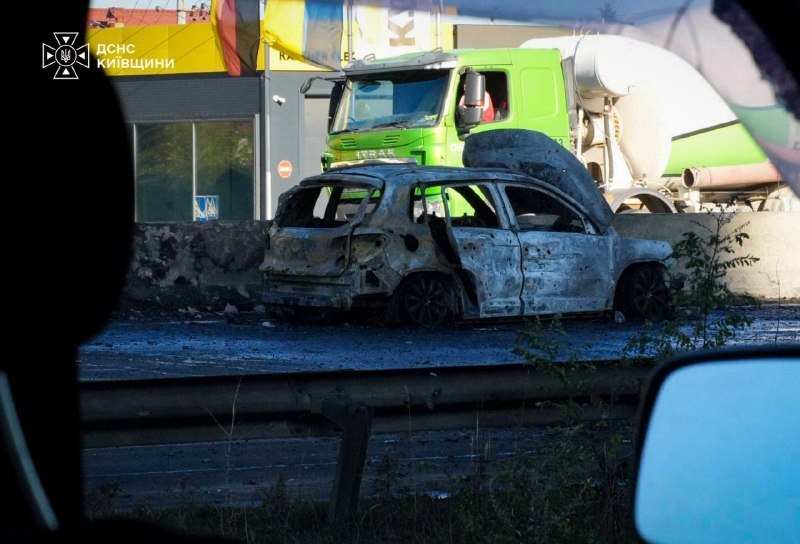
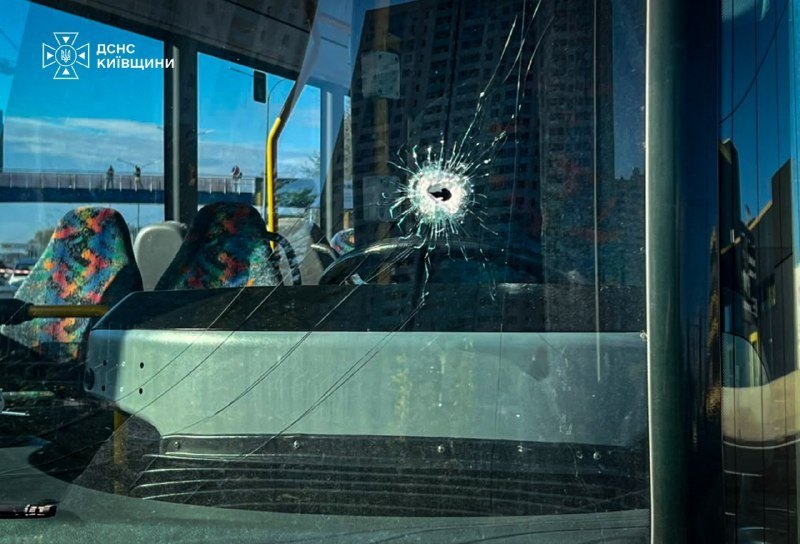
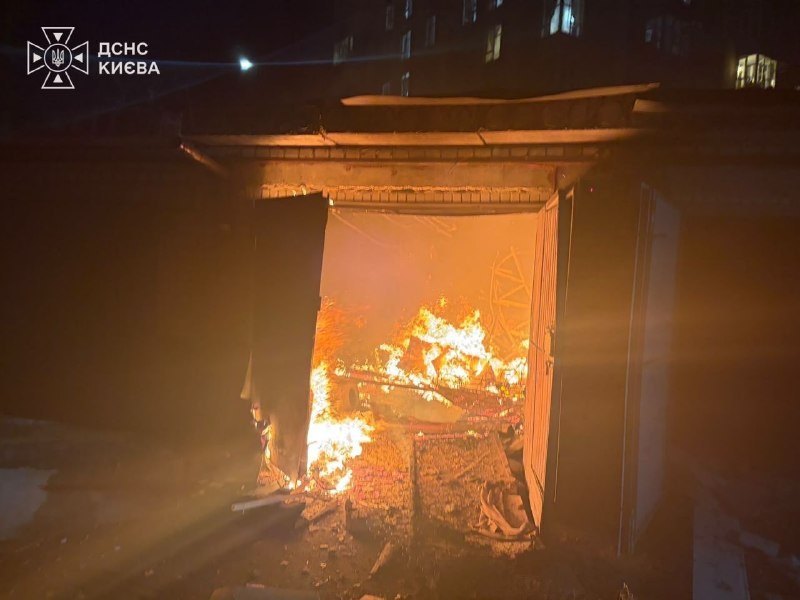
On Tuesday Russian attack drones struck Kyiv from the morning rush hour into the evening. One hit the sixth-floor operating theatre of the Strazhesko Institute of Cardiology, wounding a patient — the second strike on the institute after 28 September 2025; debris damaged a second medical facility in Holosiivskyi district, injuring two. Near the Kyiv–Odesa highway in Chabany a drone killed three people, among them the driver of the military memorial cemetery shuttle bus; at a petrol station on the city boundary one person was killed. Overnight a drone hit a 24-storey apartment block in Sviatoshynskyi district, killing a man of 28 and a woman of 30. Preliminary figures; OHCHR verification pending.
Attacks on hospitals — protected objects; Okhmatdyt direct hit likely per HRMMU (2024) These strikes — position
Russia said. Russian media, citing the Ministry of Defence, reported strikes on transport and warehouse infrastructure in Kyiv's Solomianskyi district — where the cardiology institute stands — and named no hospital. At the Security Council on 9 October Russia said it strikes "only military facilities".
Evidence held: Prime Minister S. Koretskyi (institute, 20 Oct); Kyiv mayor V. Klitschko and Kyiv city military administration (20–21 Oct); Kyiv city health department (17:50 toll); Kyiv regional and city prosecutor's offices (Chabany; Sviatoshynskyi); State Emergency Service; Air Force (186 drones and Iskander-K, night of 20–21 Oct).
Photo & video · 9 photos
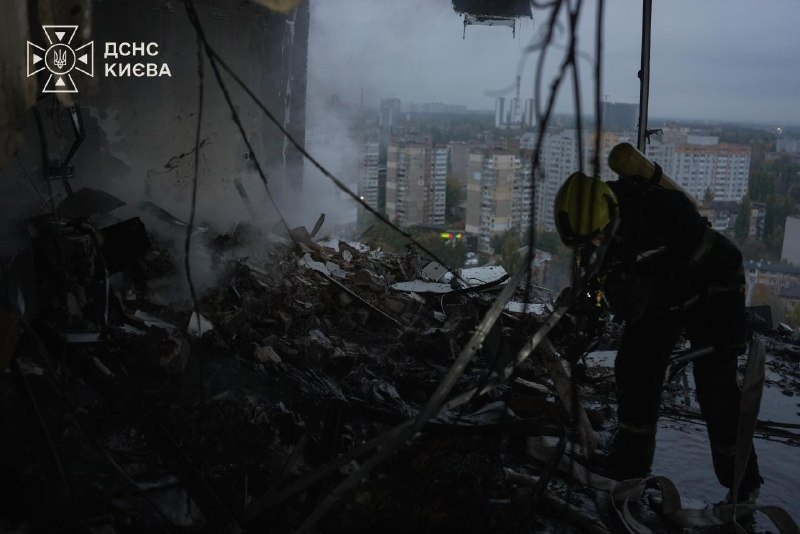
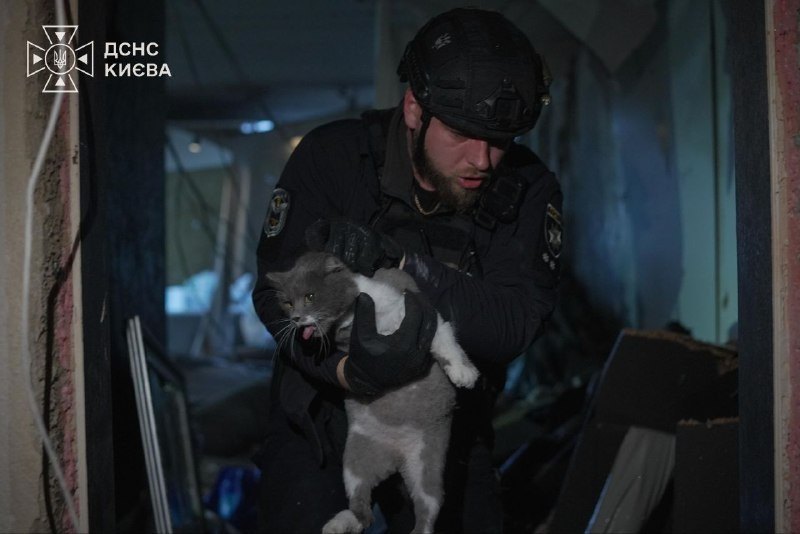
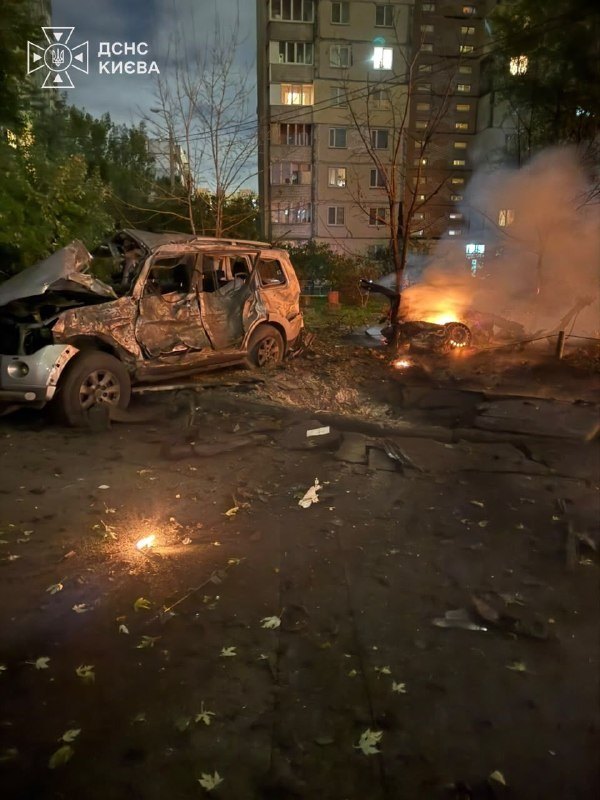
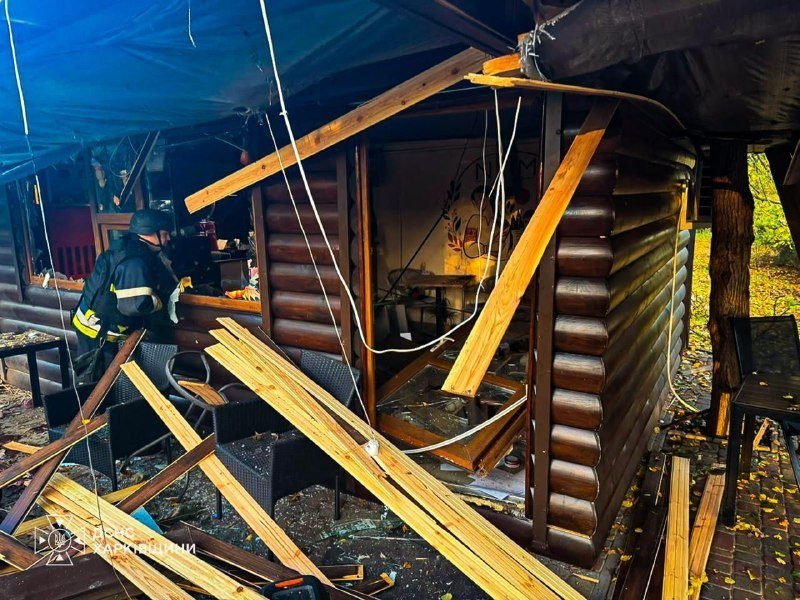
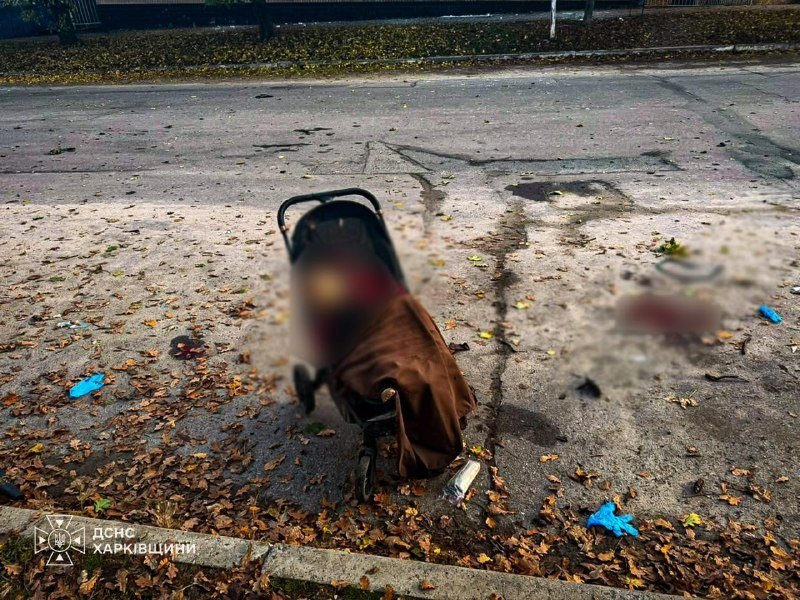
At about 16:30 on Monday a Geran-3 attack drone hit the central park of Nova Vodolaha, about 27 km from Kharkiv, while families with children were walking there. Six people were killed, two of them children: a girl aged 1, killed in her stroller together with her mother, and a girl aged 11; 15 injured, seven of them children, were taken to hospitals in Kharkiv. A café in the park was damaged. Updated toll of the regional military administration, 20 Oct (first reports on 19 Oct named three children among the dead); preliminary, OHCHR verification pending.
War crimes — pattern (CoI A/80/497, drone attacks on civilians) This strike — position
Russia said. No statement on Nova Vodolaha found as of the evening of 19 October. At the Security Council on 9 October Russia said it strikes "only military facilities"; no military object has been named in the park.
Evidence held: Kharkiv regional military administration (O. Syniehubov, 18:20; updated toll, 20 Oct); Kharkiv regional prosecutor's office (time, weapon); Minister of Internal Affairs I. Vyhivskyi; Kharkiv regional emergency medical centre.
Photo & video · 4 photos
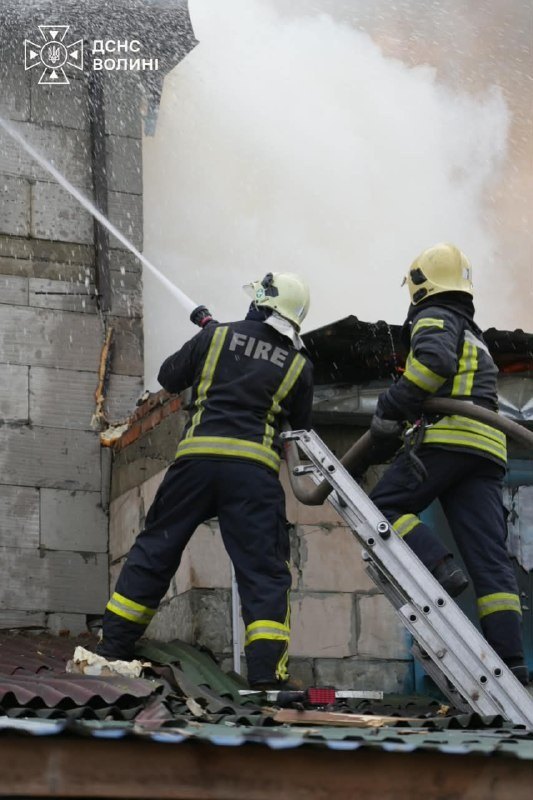
From 18:00 on 16 Oct: 332 drones, Iskander-M/KN-23 ballistic missiles, Kh-22/32 and 4 Kalibr cruise missiles; 289 drones and the 4 Kalibr downed, no ballistic missile reported intercepted; hits at 22 locations. Vinnytsia: a damaged substation left the city without electricity, the main water station lost power, critical facilities on back-up supply, electric transport stopped; 6 injured in the region. Severe disruptions also in Lutsk, Rivne, Zhytomyr, Shepetivka, Slavuta and Netishyn.
War crimes — established (ICC, energy campaign 2022–23) This strike — pattern CAH — position
Russia said. The Ministry of Defence (17 Oct) reported a "massive strike on Ukraine's metallurgical plants and energy facilities", naming Kryvyi Rih, Zaporizhzhia and a substation in Zhytomyr. It did not mention Vinnytsia, where a damaged substation cut power to the whole city and its water station.
Evidence held: Air Force summary (08:00, 17 Oct); President of Ukraine; Vinnytsia mayor; Vinnytsia Regional Military Administration; Vinnytsiaoblenergo; Vinnytsiaoblvodokanal; Vinnytsia regional council; regional administrations; Russian MoD statement of 17 Oct.
Photo & video · 5 photos
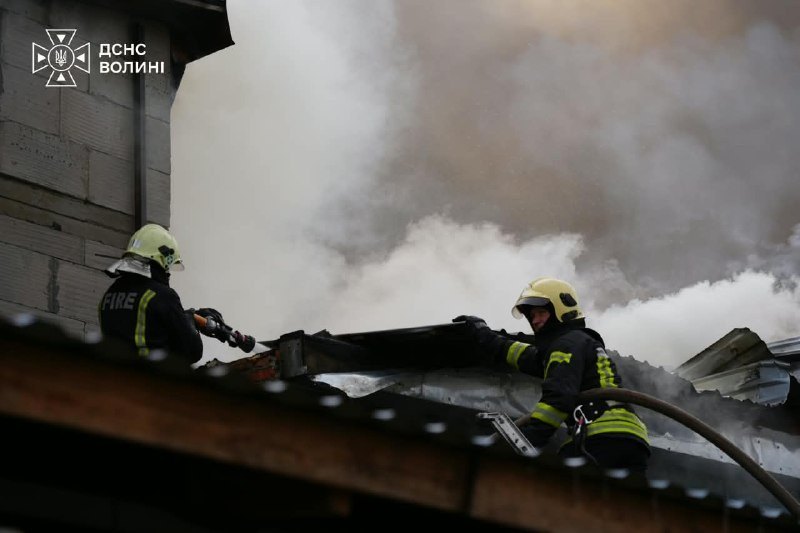
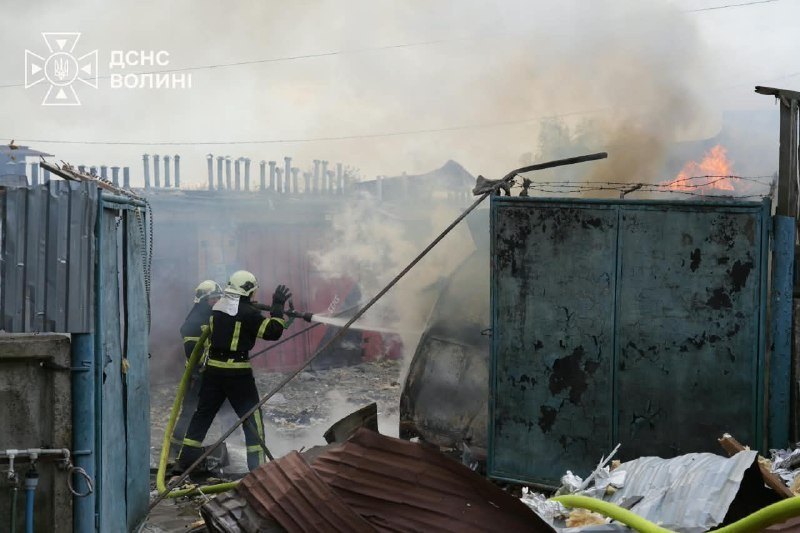
Lutsk, 14 Oct: a jet-powered Shahed hit the "Yevrohurt" wholesale market on Koniakina Street — 6 killed, 12 injured. Overnight 580 drones and 2 Kh-59 missiles; almost 360 drones over Kirovohrad region alone, the largest attack on it since 2022 — 3 killed in Kropyvnytskyi. Further deaths in Dnipropetrovsk, Donetsk, Kharkiv and Kherson regions; injured in Rivne, Kyiv, Zaporizhzhia and Ternopil regions.
War crimes — pattern CAH — position
Russia said. The MoD reported strikes on Izmail port "used for unloading and storing military and dual-use cargo". It said nothing about a market in Lutsk or homes in Kropyvnytskyi.
Evidence held: Air Force summaries (14–15 Oct); Volyn, Kirovohrad, Dnipropetrovsk, Donetsk, Kharkiv and Kherson regional administrations; Lutsk City Council; SES; National Police photographs of the Lutsk site.
Photo & video · 9 photos · 2 videos
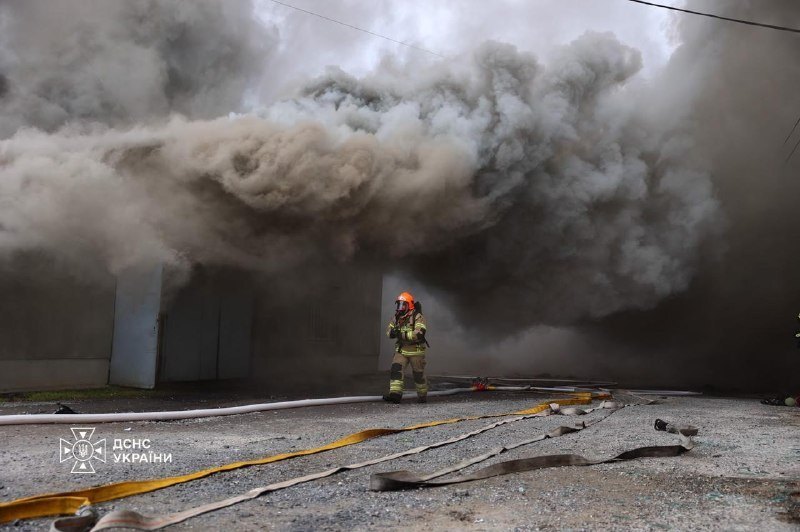
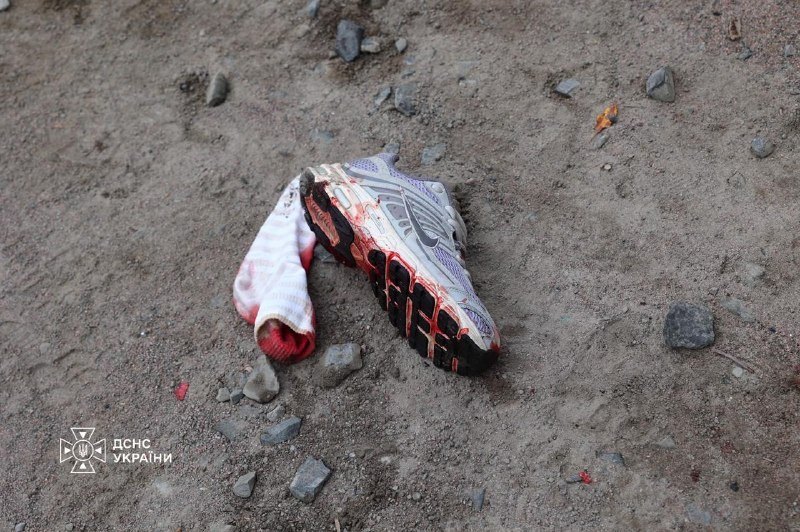
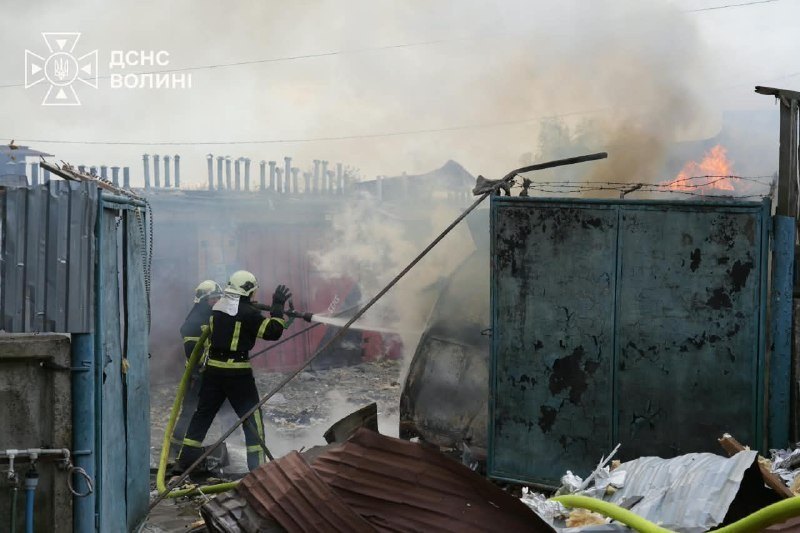
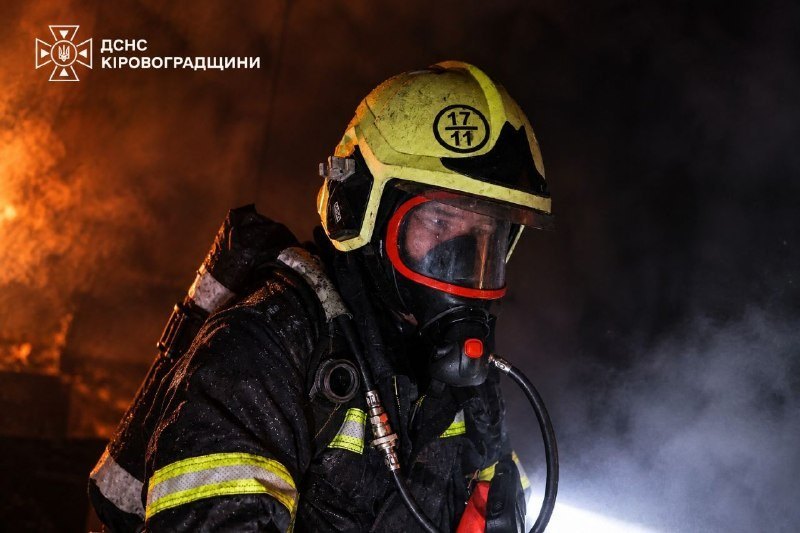
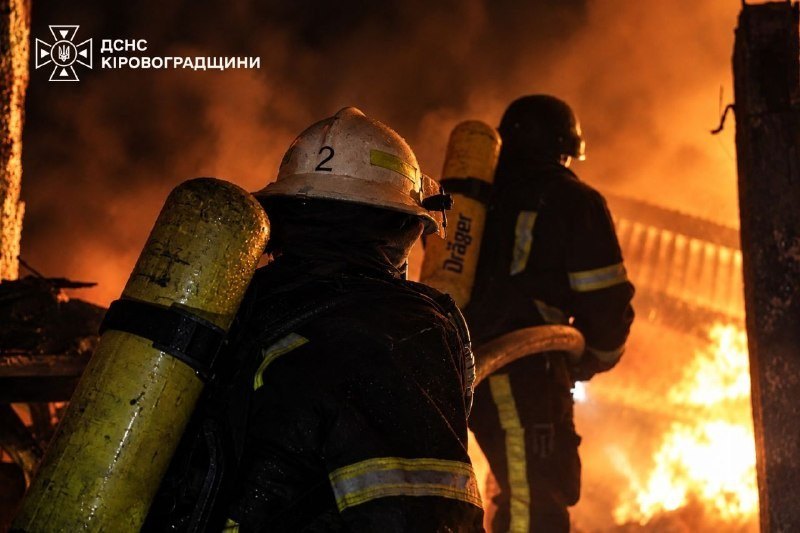
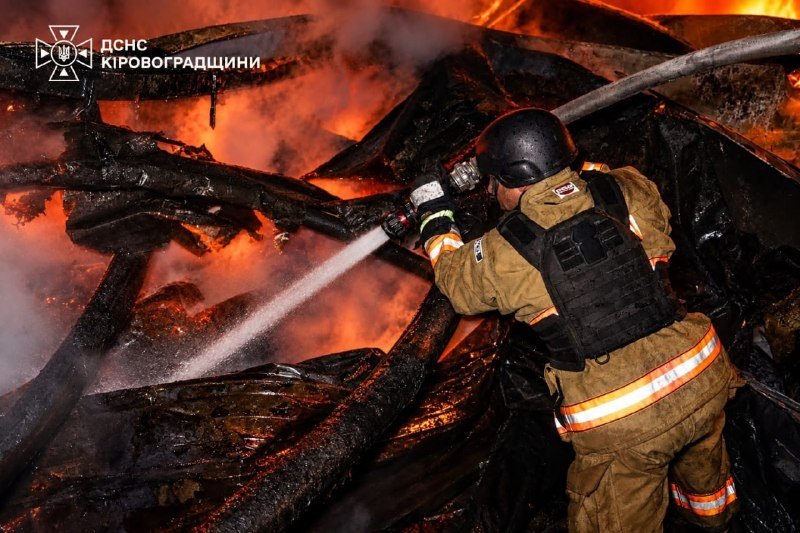
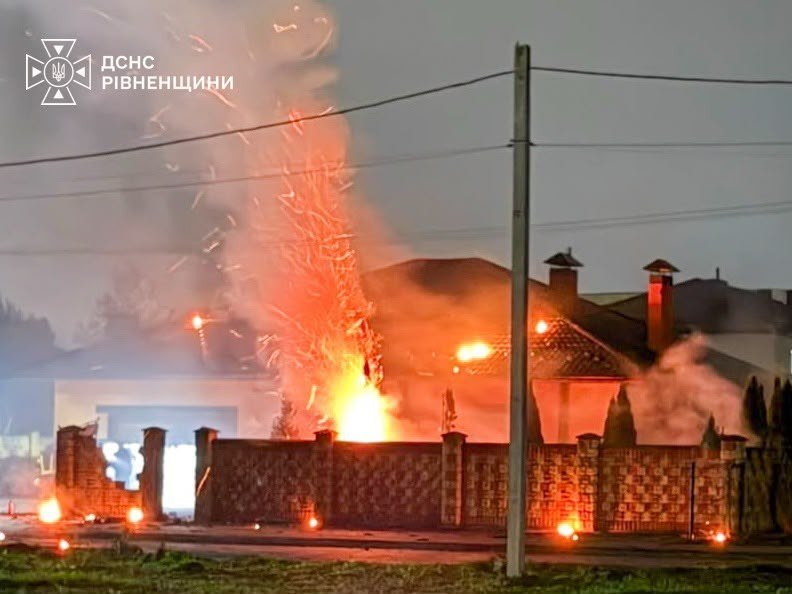
official post
official post
Only 4 of 39 ballistic missiles were intercepted. All three combined heat-and-power plants that warm a city of three million were hit at the start of the heating season; three women were killed in a nine-storey block in Desnianskyi district. Fourth winter campaign: 29–30 Sep, 7 Oct, 8 Oct, 13–14 Oct.
War crimes — established CAH — pattern Continuing CAH — position
Russia said. MoD, 14 Oct: "five energy facilities used for the needs of the military-industrial complex", naming CHP-4, 5 and 6. The ICC qualified exactly this conduct as war crimes and crimes against humanity in 2024.
Official media. SES Kyiv, 10 Oct: Desnianskyi block — 2 found dead, 16 rescued, 21 injured incl. 1 child; photo gallery ↗
Evidence held: Air Force radar track and launch count; Ukrenergo damage reports; MoD target list (Interfax, 14 Oct, archived); SES site documentation, Desnianskyi block. Satellite imagery requested (Maxar News Bureau).
Photo & video · 1 photo
Guided bombs on 2 Oct (2 killed), 5 Oct (6 killed, 59 injured) and 11 Oct; a missile on a grocery store in Pisochyn (3 killed, incl. a 16-year-old); ~10 Banderol missiles on 12 Oct (4 killed, 41 injured, entrance section collapsed). The Commission of Inquiry qualified the Kharkiv glide-bomb campaign as war crimes in 2024.
War crimes — established CAH — pattern
Russia said. OSCE envoy Polyanskiy, 8 Oct: "impossible to hide the scale of the failure of Ukraine's air defence". Glide bombs are not engaged by air defence at all — the argument concedes whose bombs they are.
Since this file. Overnight into 21 October a Russian drone attack on Korotych, on the western edge of Kharkiv, killed an 81-year-old woman and an 83-year-old man; 13 houses damaged; a two-month-old boy and an eight-year-old girl among 11 people treated for acute stress (Kharkiv regional military administration, O. Syniehubov, 21 Oct · Tier B · preliminary).
Official media. SES Kharkiv region, 12 Oct: 41 injured in the massed attack; photo gallery ↗
Evidence held: KAB and Banderol fragments (police); regional administration casualty lists per strike; HRW documentation of the Kryvyi Rih hospital strike (same weapon family); COI 2024 findings on Kharkiv.
Photo & video · 9 photos · 2 videos
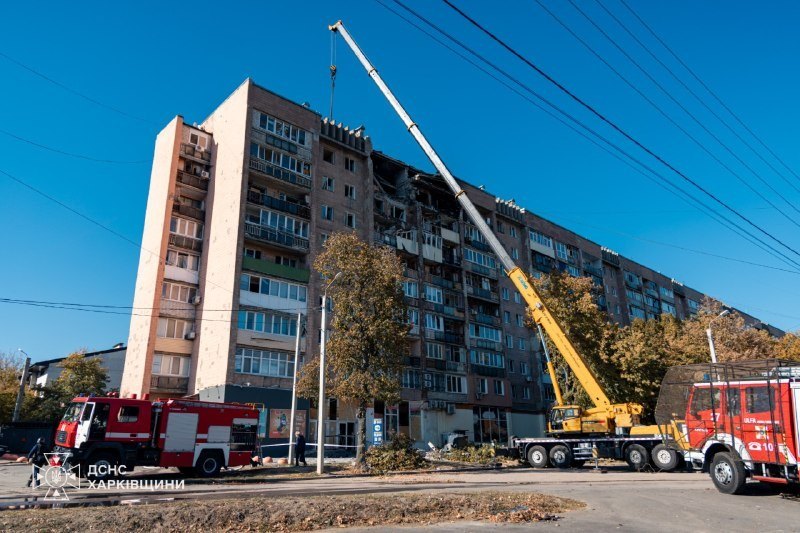
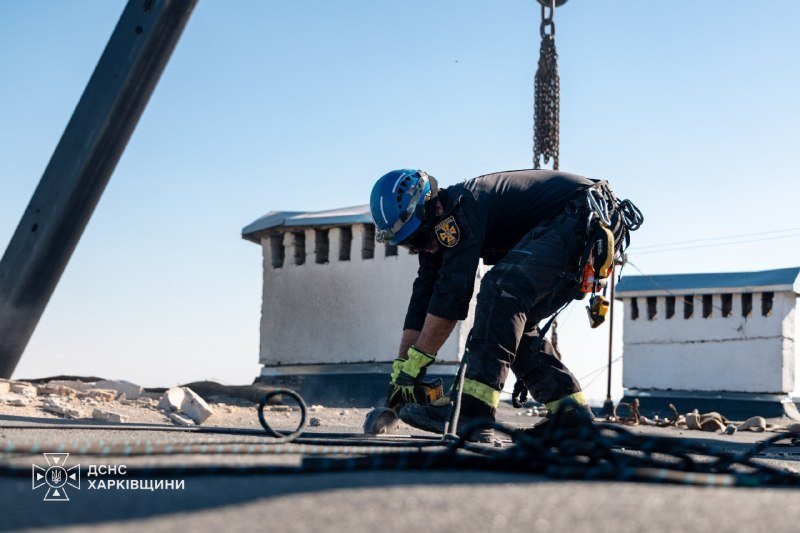
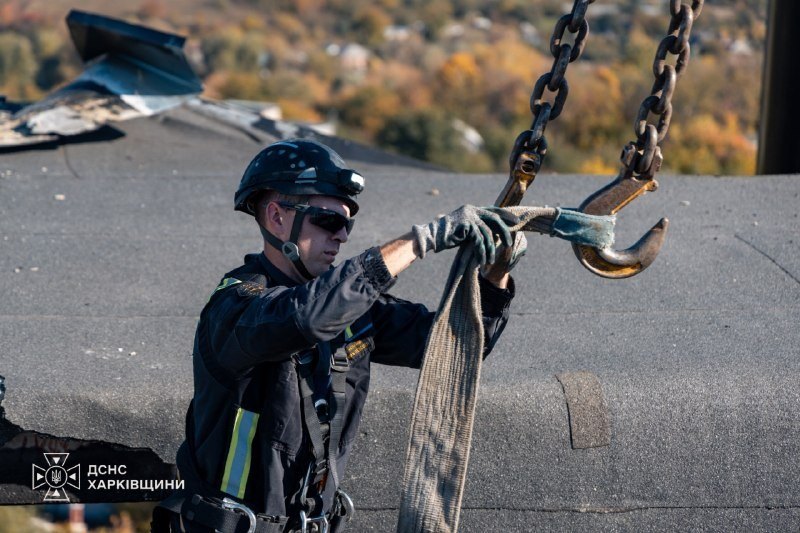
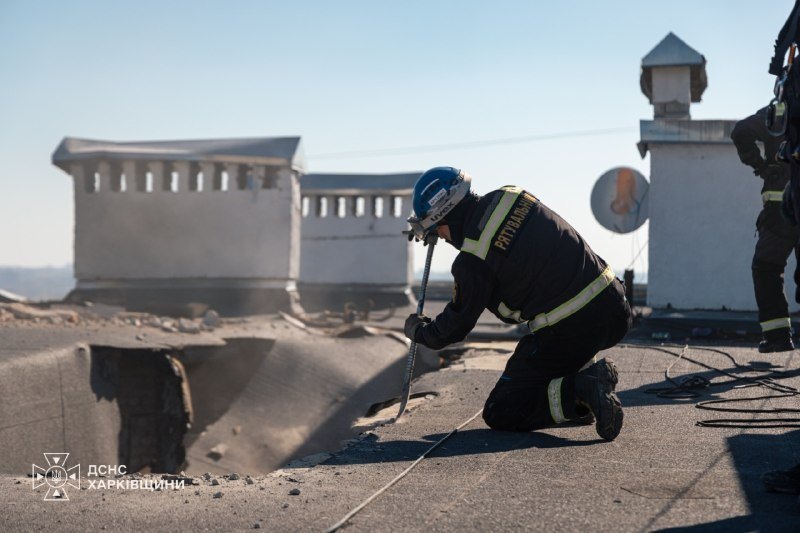
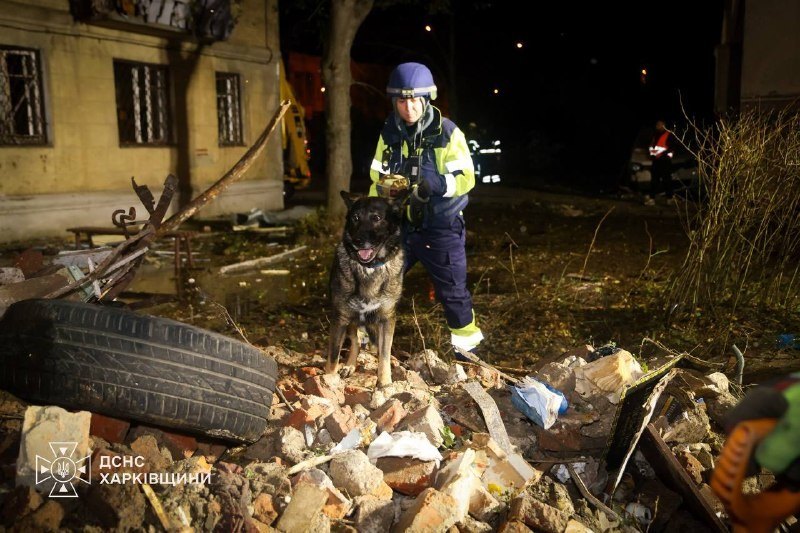
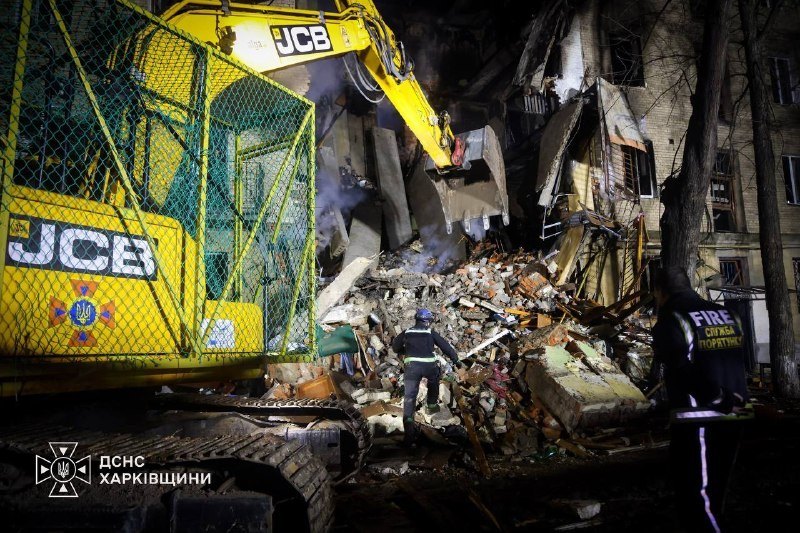
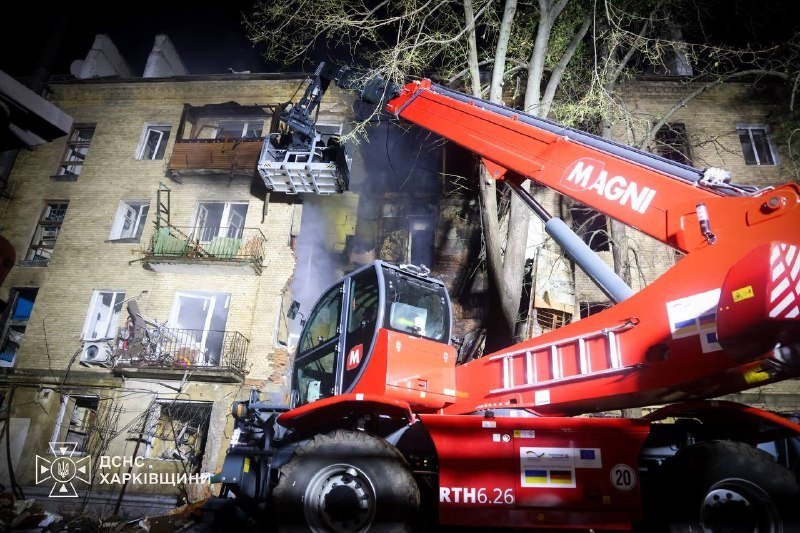
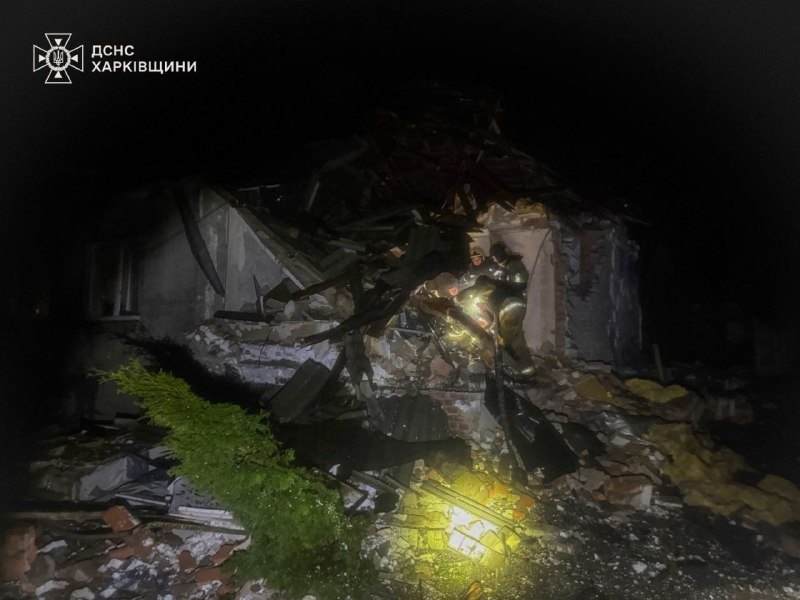
official post
official post
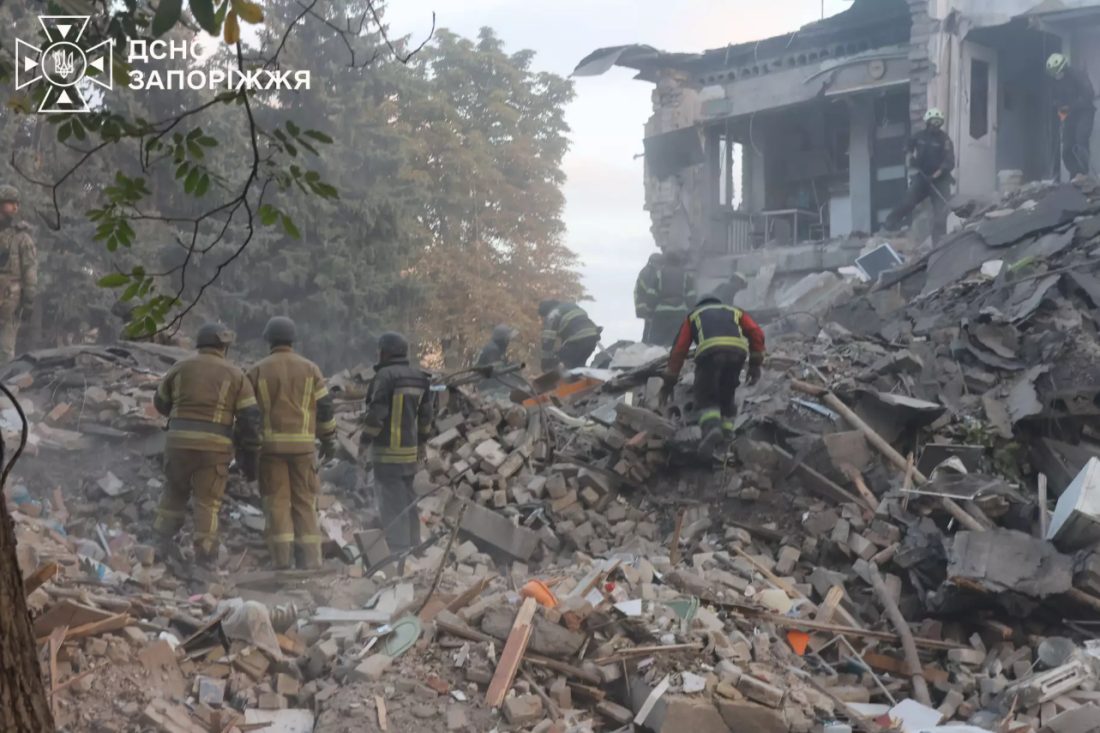
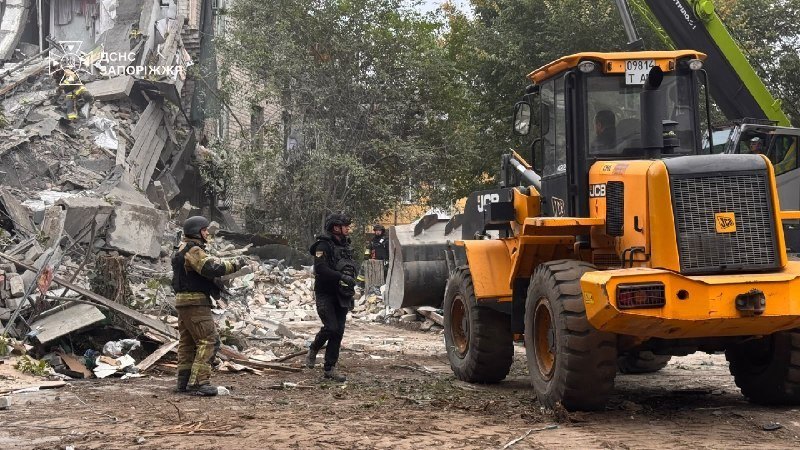
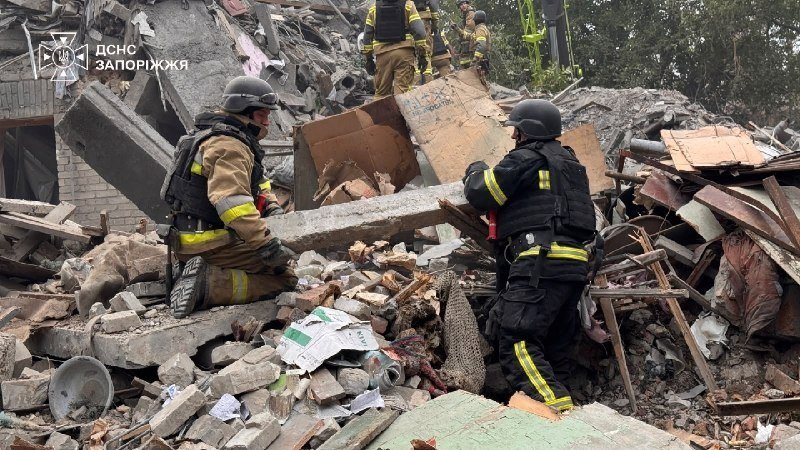
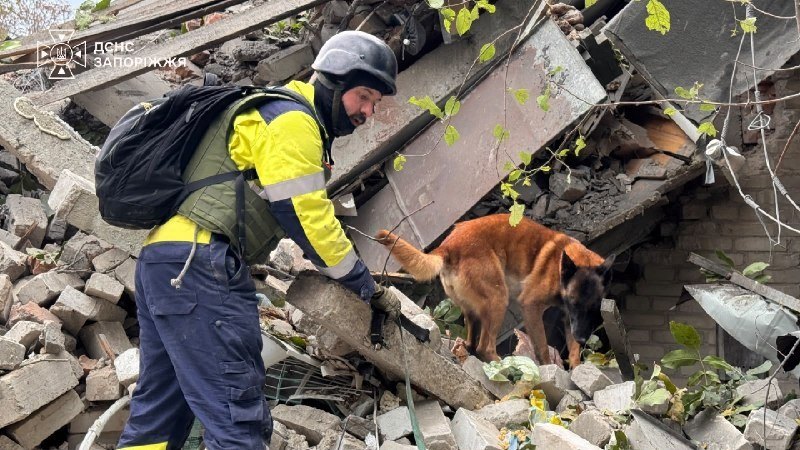
An entrance section of a three-storey block collapsed with residents inside; rescue work ran through 11 October (320 t of debris removed), declared a day of mourning. Final SES figures of 11 Oct replace the 10 Oct count of 20. 160 drones were launched nationwide the same night, 110 of them jet-powered. OHCHR verification pending.
War crimes — established CAH — pattern
Russia said. Nothing — no MoD, MFA or Kremlin statement mentions the block. The same day Russia's OSCE envoy wrote that "nothing will be left of Ukraine's infrastructure".
Evidence held: SES rescue log; regional administration damage survey (26 buildings); bomb fragments recovered by police; witness statements. Satellite imagery requested.
Photo & video · 6 photos · 1 video
official post
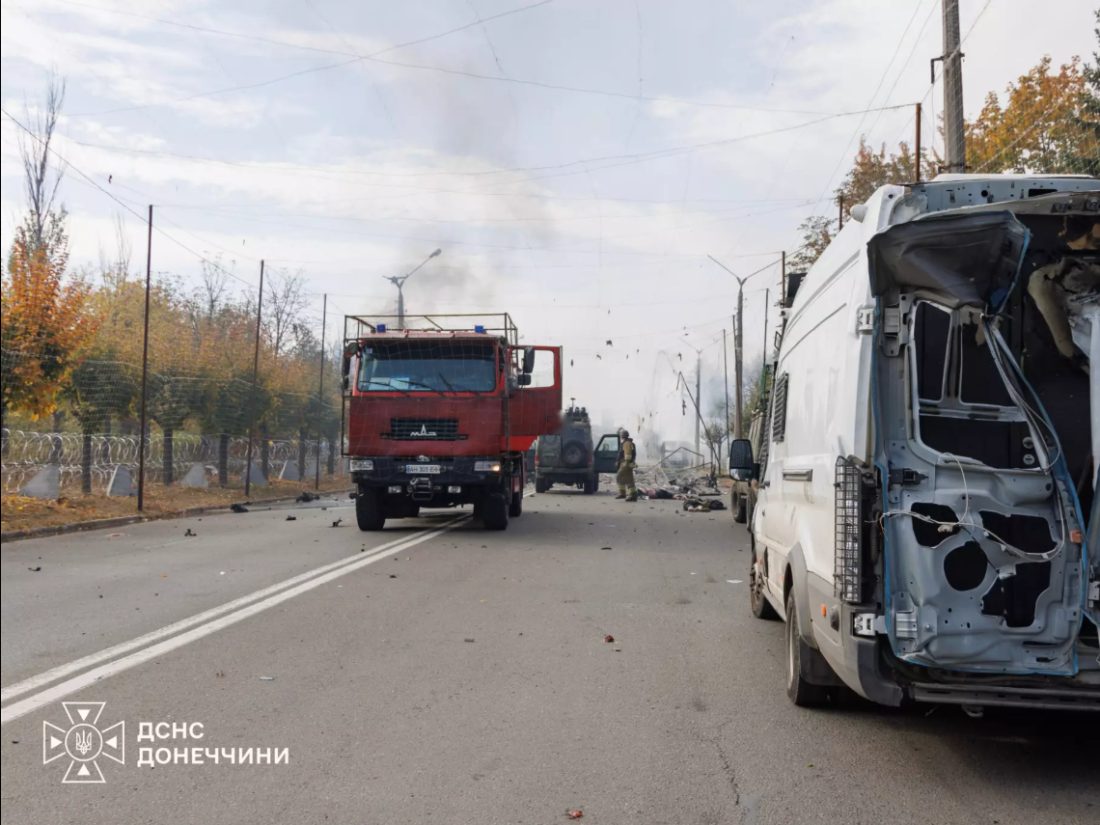
The UN High Commissioner for Human Rights called it "today's horrifying strike hitting two public buses" that "could amount to war crimes"; the Security Council was briefed the next day ("at least 33"). Three more were killed the same day in Bilenke.
Direct attack on civilians — established CAH — pattern
Russia said. Nothing by name. The next day at the Security Council Amb. Nebenzia said Ukraine targets "civilian buses… time and time again" — a mirror claim, one week after the MFA alleged "216 buses" attacked by Ukraine.
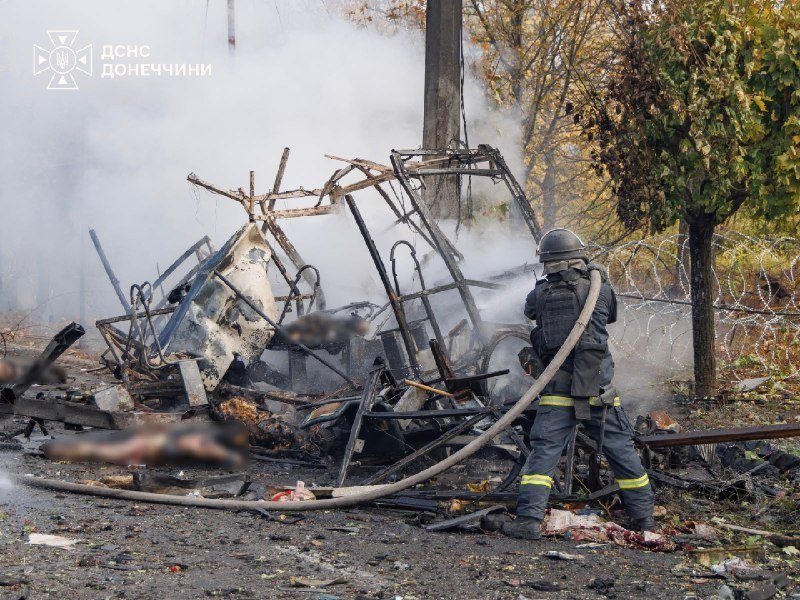
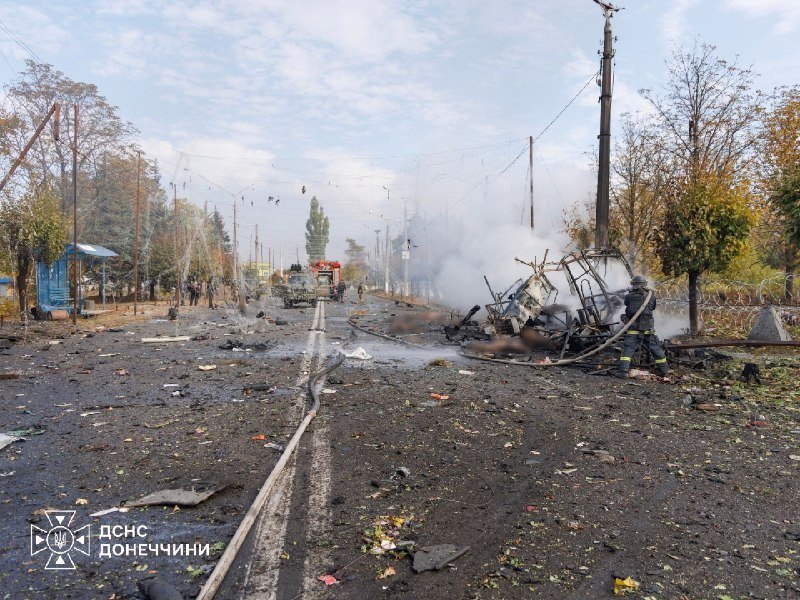
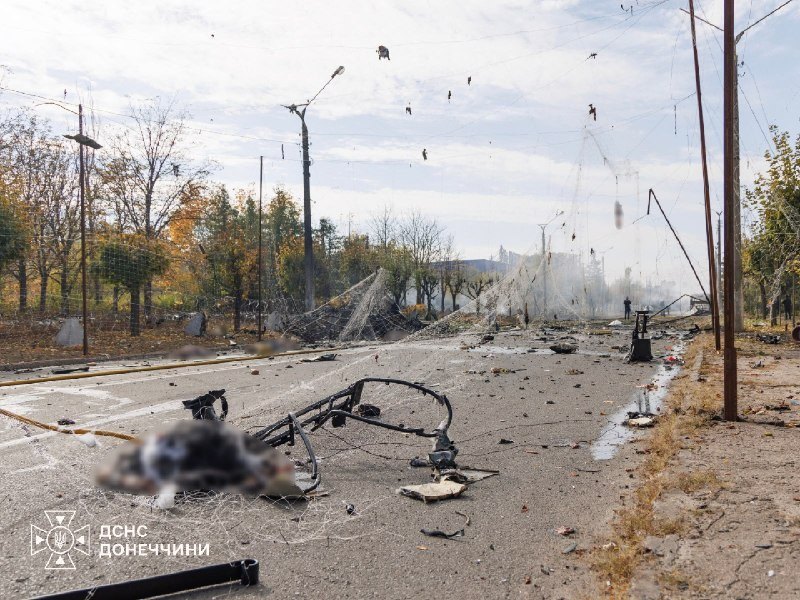
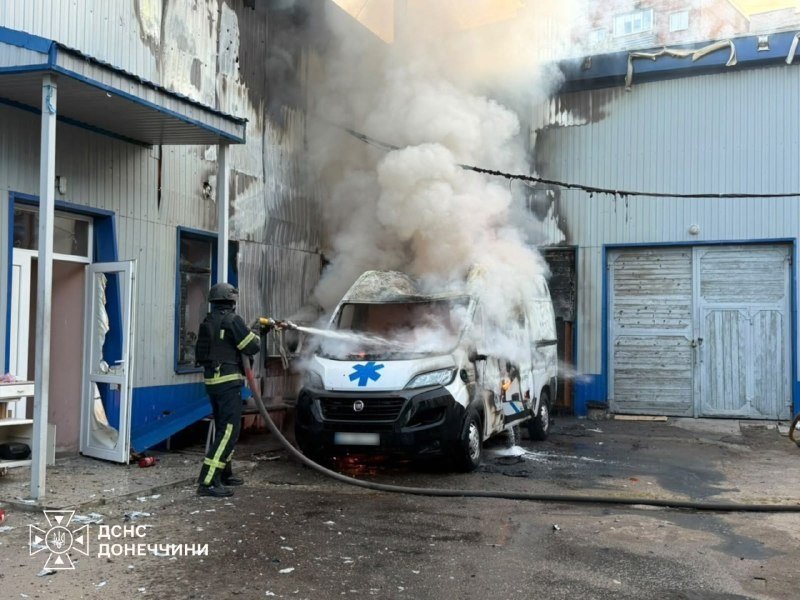
Since this file. On 20 October Russia struck Kramatorsk three times in daylight, including with aerial bombs on residential blocks (State Emergency Service): three heat-supply workers checking the network before the heating season were killed and an FPV drone killed a fourth person; six injured; at least 15 apartment buildings and two educational institutions damaged (Donetsk regional military administration, V. Filashkin, 20 Oct · Tier B · preliminary).
Official media. SES Donetsk region, 8 Oct 18:45: 30 killed, 20 injured at that hour, photos and video (final SES figure: 33) ↗
Evidence held: UMPB D-30SN fragments with markings (National Police); CCTV and dash-cam video, geolocated; victim identification list (SES); High Commissioner statement; UN verbatim record of 9 Oct.
Photo & video · 10 photos · 1 video
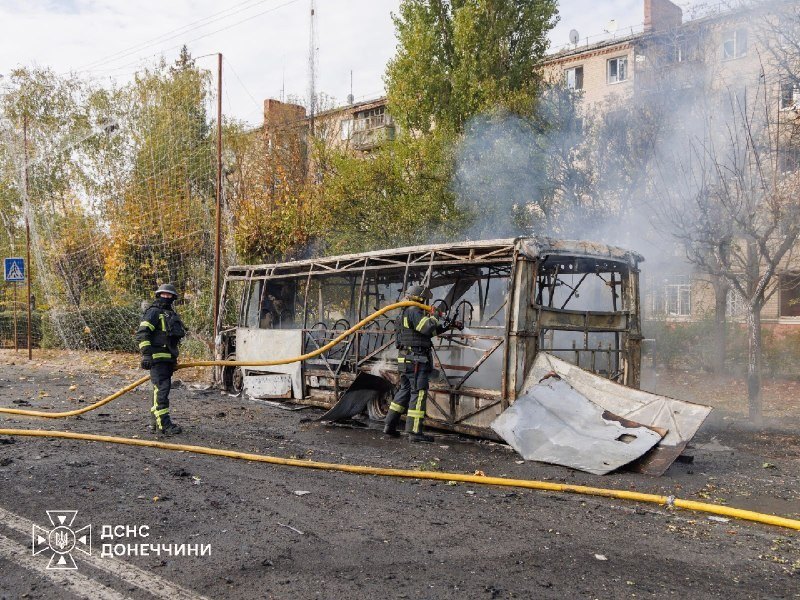
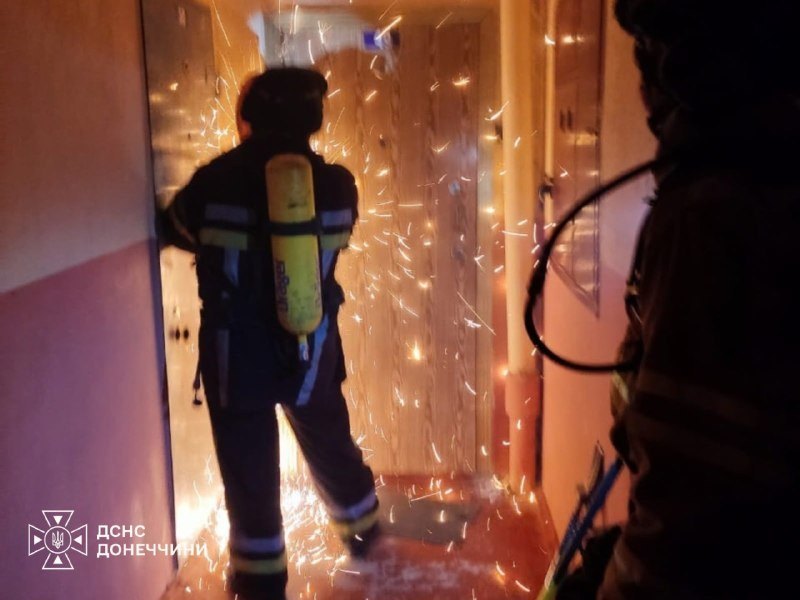
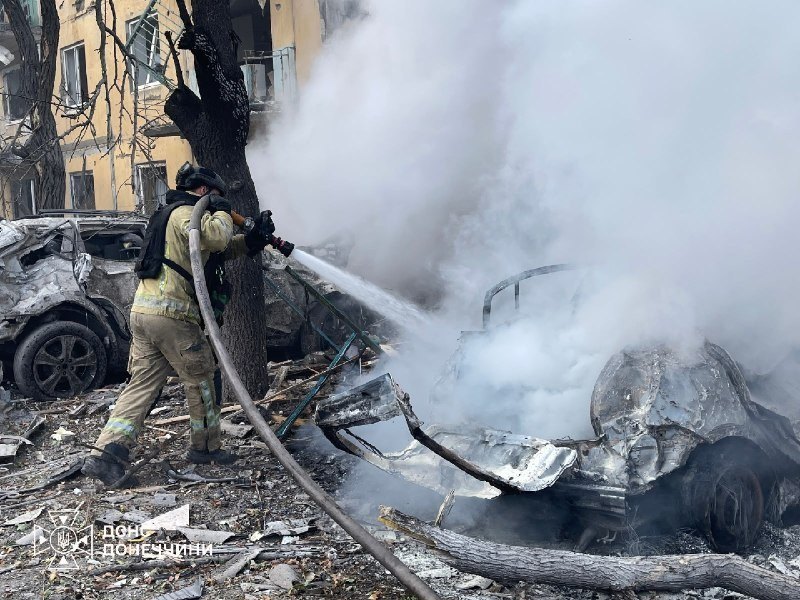
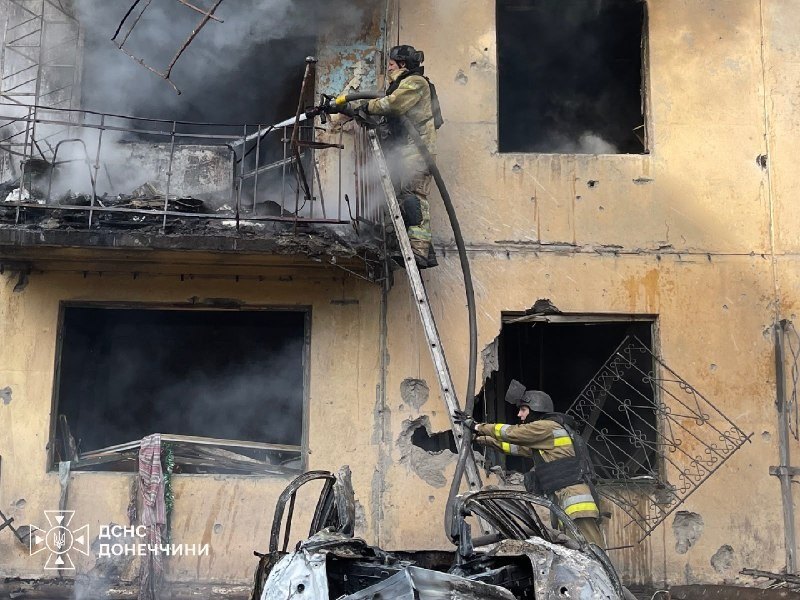
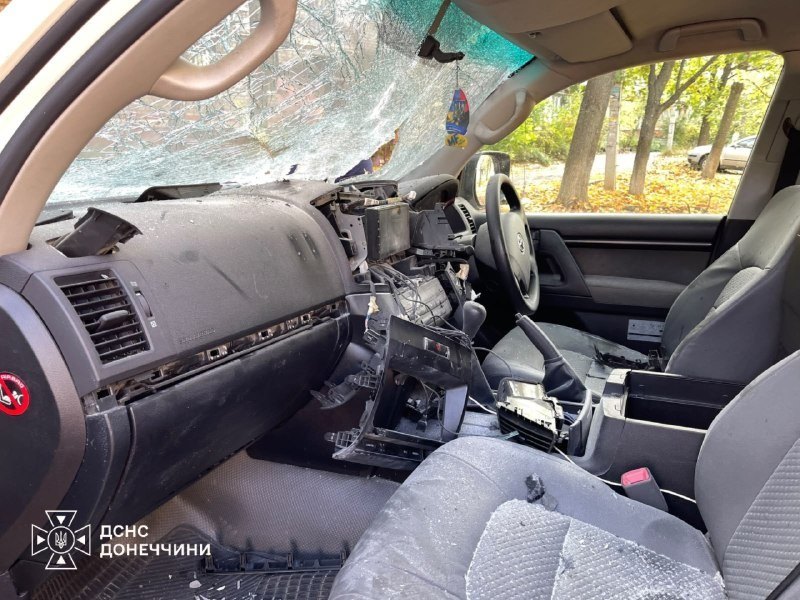
official post
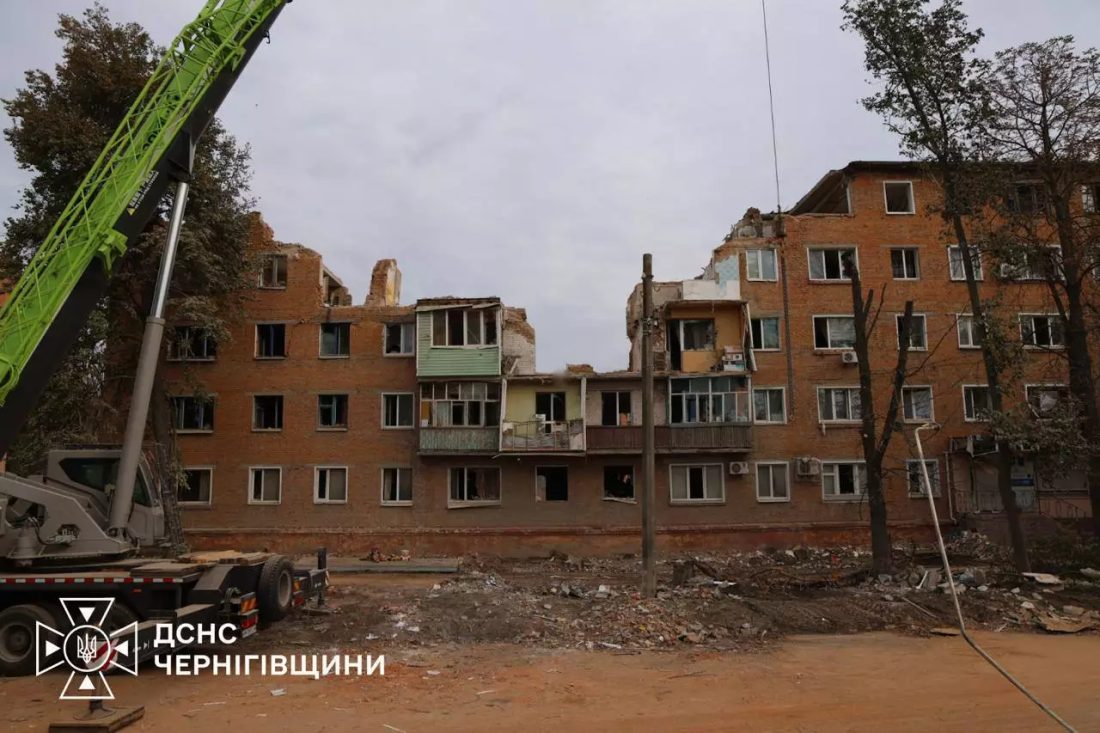
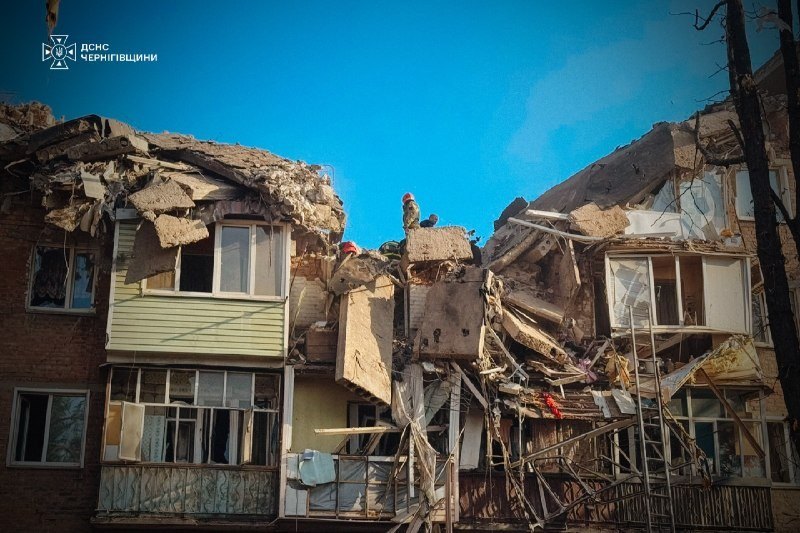
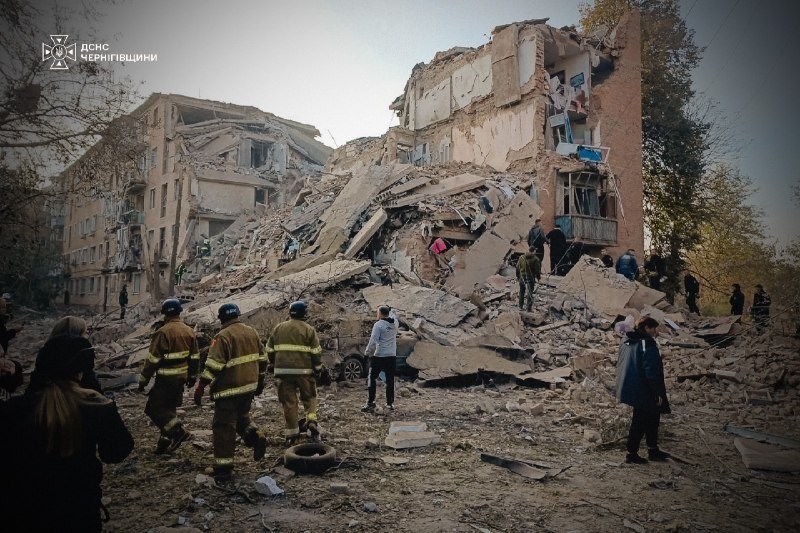
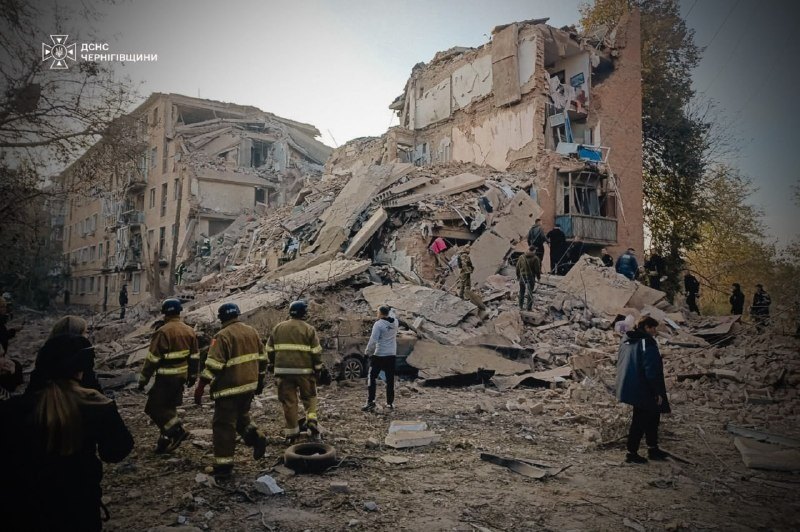
Part of a two-wave strike of 48 cruise missiles, ballistic and anti-ship missiles and 130 drones; the UN called Pryluky "the deadliest attack" of the night (32 killed nationwide). Kremenchuk: 2 killed, 47 injured; Oleksandriia: 2 killed.
War crimes — established CAH — pattern
Russia said. MoD, 7 Oct: a "massive strike with high-precision weapons" on "military-industrial facilities", listing a plant in Pryluky. No mention of the residential building or the five children.
Official media. SES Chernihiv region, 8 Oct: final report (22 killed incl. 5 children, 54 injured, 15 rescued, 500+ responders) with photo gallery ↗
Evidence held: missile fragments (prosecutors); Air Force launch/interception log; MoD target list (Telegram 68011, archived); SES identification list; UN ASG briefing. Satellite imagery requested — current photo is a placeholder.
Photo & video · 10 photos · 4 videos
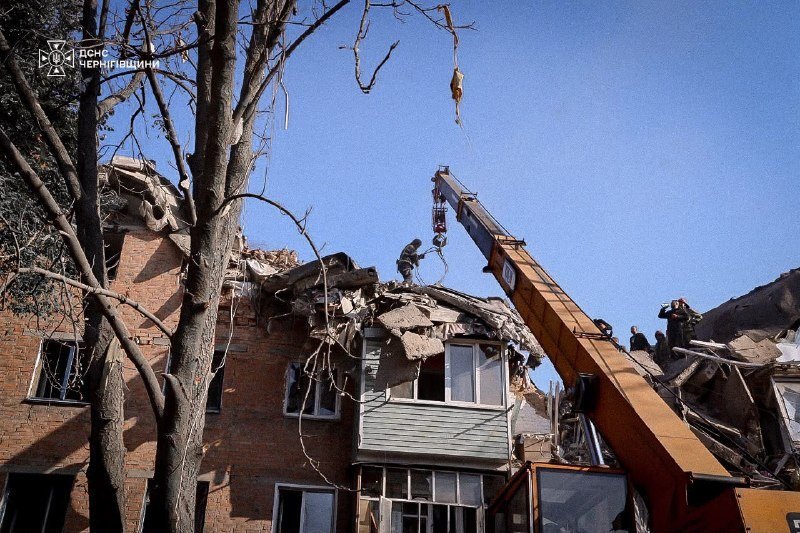
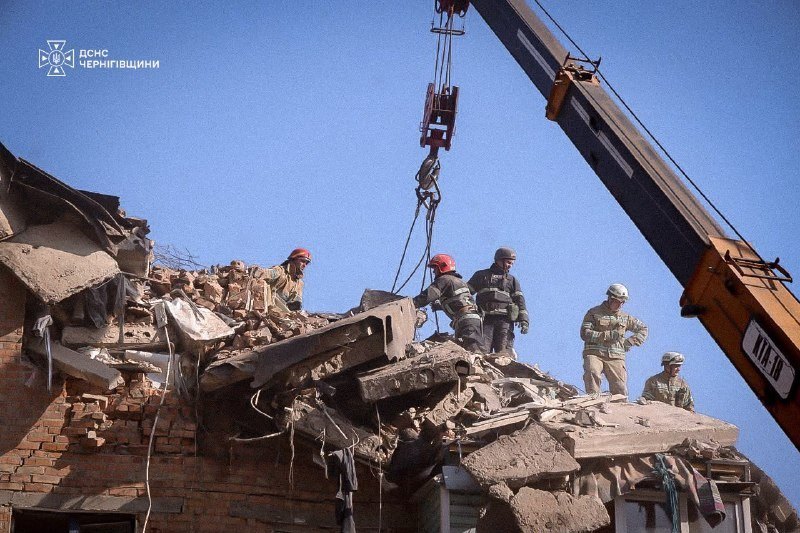
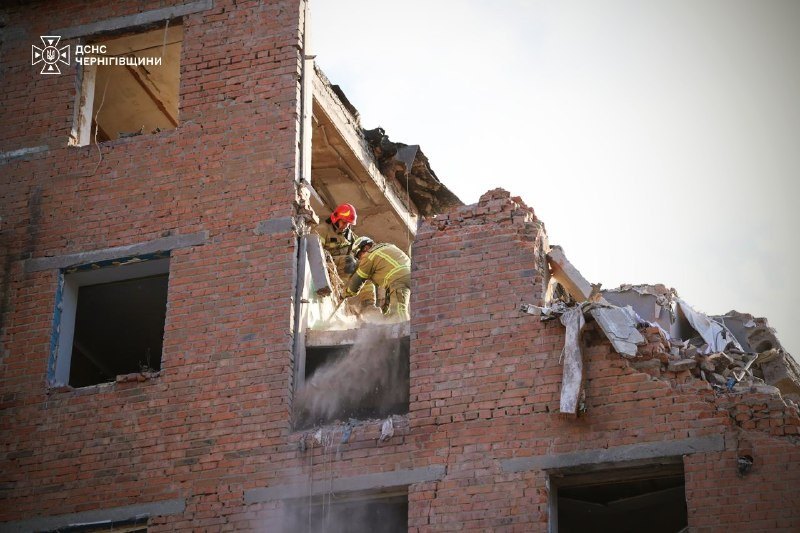
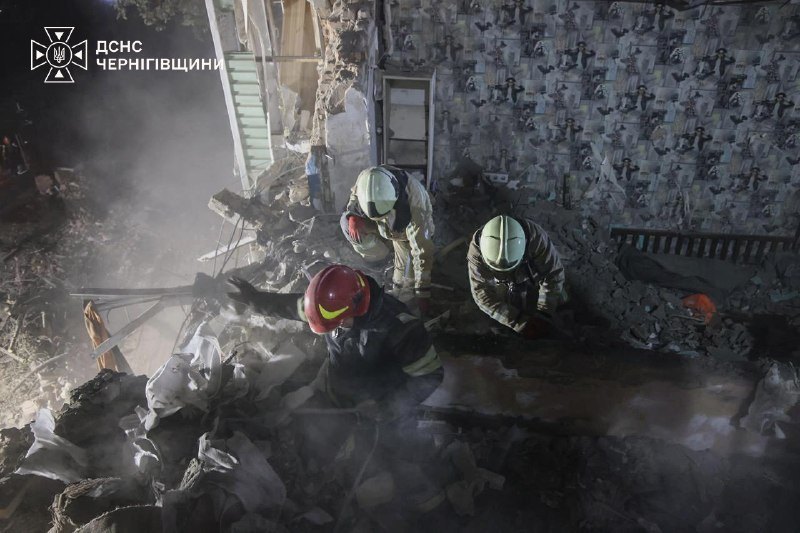
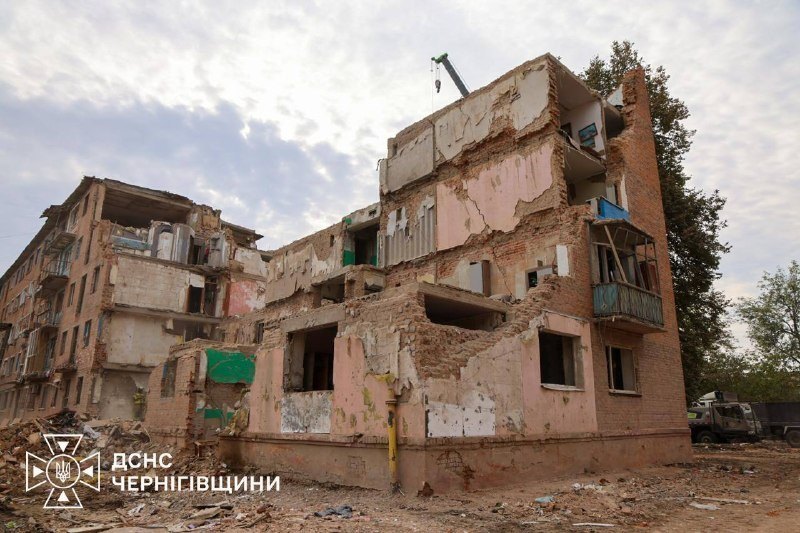
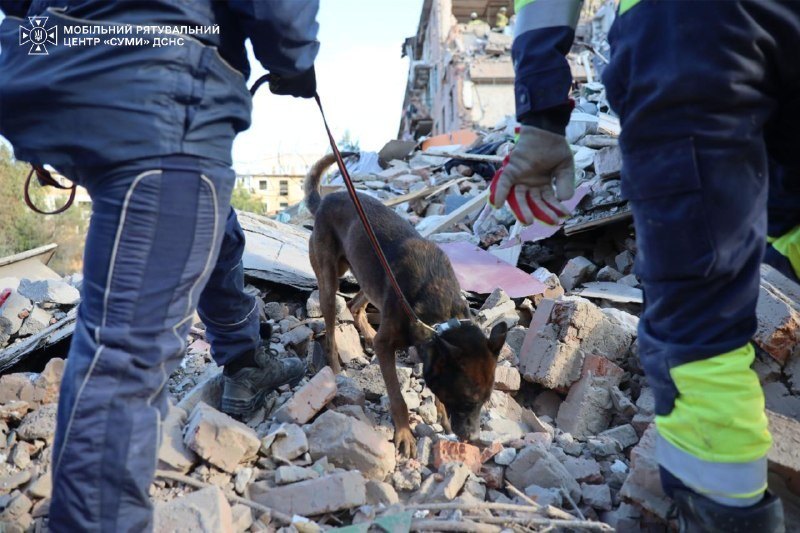
official post
official post
official post
official post
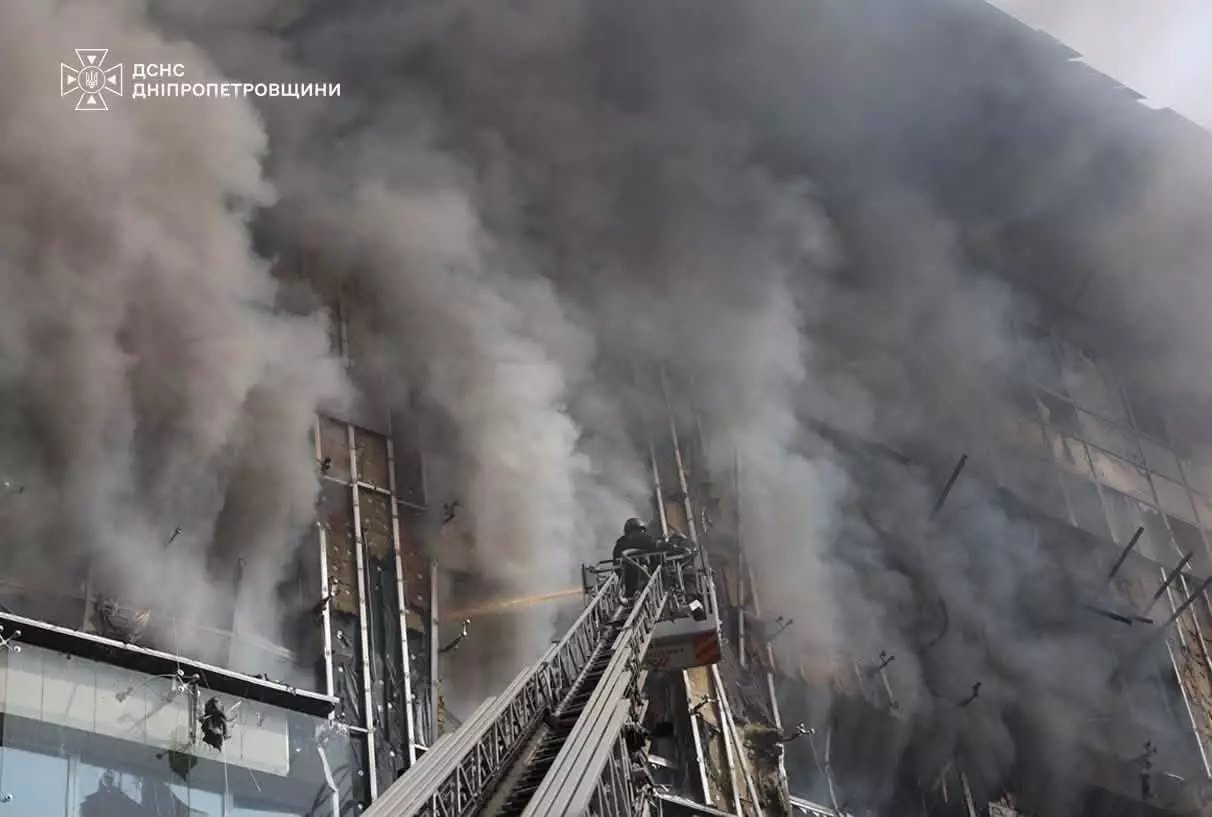
At about 11:20 on a working Monday a jet-powered drone hit an eight-storey office building in Shevchenkivskyi district; floors 5–6 were gutted and windows blown out in six residential buildings nearby. Evening figures of 28 Sep (21 injured) replace interim counts of 12–18; three women remained in hospital on 29 Sep. On 22 Sep a ballistic missile killed four workers at the Interpipe plant and halted production. OHCHR verification pending.
War crimes — established CAH — pattern
Russia said. Nothing about Dnipro. The MoD said its overnight strikes hit logistics, communications, port infrastructure and vessels (RFE/RL summary); the office block was hit in daylight. No statement names the Interpipe plant.
Evidence held: regional administration casualty reports (28–29 Sep); SES rescue record (49 evacuated); police statements taken at an on-site mobile point; Air Force launch and interception data; Interpipe statement on 22 Sep losses. Satellite imagery requested.
Photo & video · 1 photo
Guided bombs hit several locations in the Sumy community; two people were killed in a residential area of Kovpakivskyi district. Three girls aged 14, 8 and 11 months were hospitalised. The deadliest of five glide-bomb attacks on Sumy from 18 Sep to 4 Oct (6 killed in all); on 29 Sep a school was hit during lessons. OHCHR verification pending.
War crimes — established CAH — pattern
Russia said. Nothing on this strike. Gen. Gerasimov announced (RIA, 31 Dec 2025) that Putin ordered the "buffer zone" in Sumy and Kharkiv regions expanded in 2026.
Open-source record: regional and city administration statements; Air Force overnight summary; media photo of damaged block. Not located: SES incident report, prosecutor's proceedings, OHCHR incident verification.
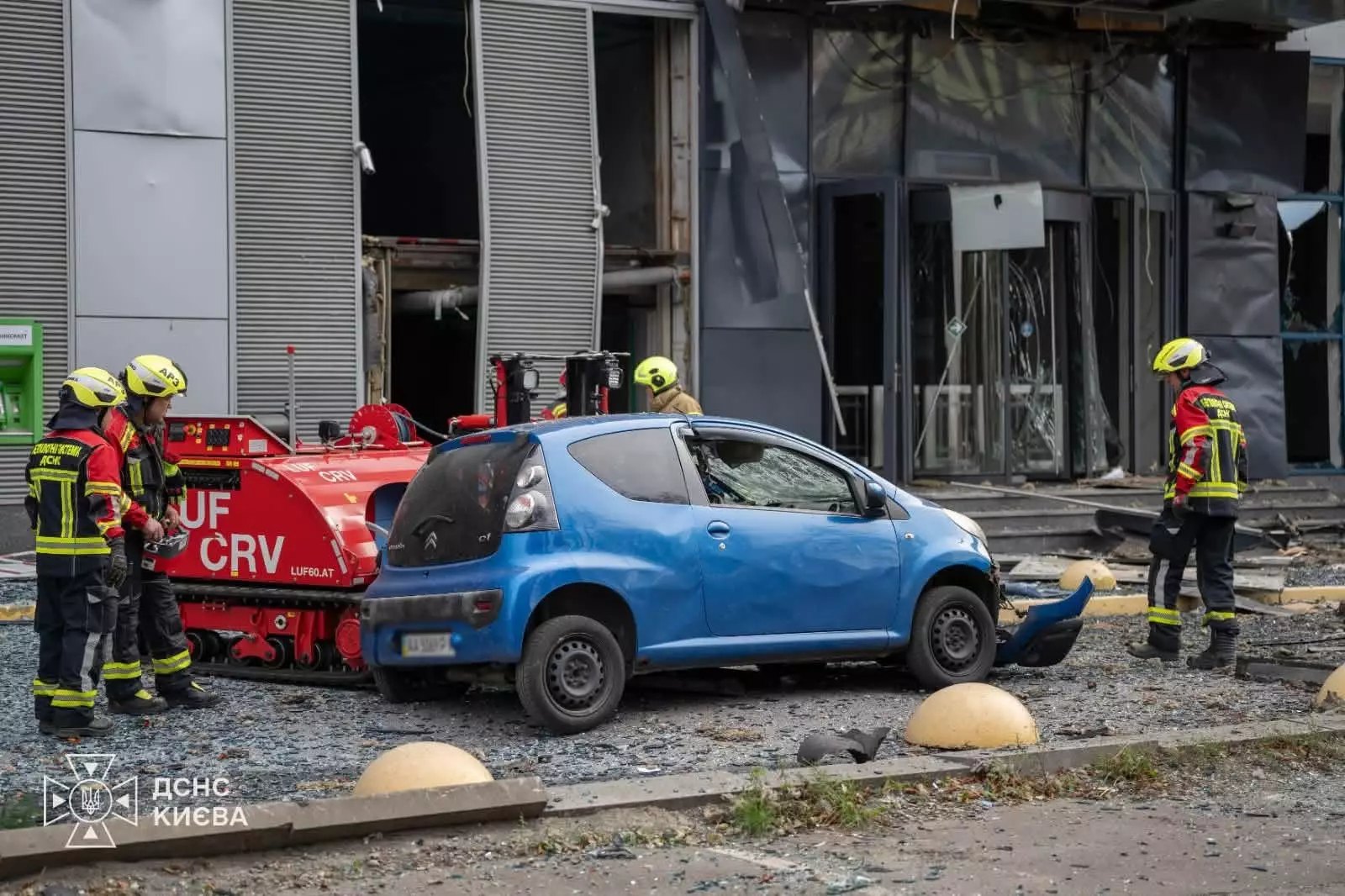
A drone hit a 16-storey apartment block in Pecherskyi district at about 08:00, killing a 14-year-old boy; in the afternoon another hit an office building in Solomianskyi district, killing four people in its car park. The High Council of Justice building and a food warehouse were also hit. Mayor's final figures of 25 Sep (21:20) replace interim counts of 46 and 57 injured; early reports of "2 children" referred to the injured, not the dead. OHCHR verification pending.
War crimes — established CAH — pattern
Russia said. The MoD claimed strikes on "defence industry sites, logistics centres and vessels" (Reuters). Kyiv's dead, the apartment block and the court building went unmentioned; Russia denies targeting civilians.
Official media. Kyiv City Military Administration, live log of 25 Sep (21:19): 7 killed, 59 injured, 25 in hospital; a 14-year-old boy among the dead ↗
Evidence held: SES and police scene reports (Pecherskyi, Solomianskyi, Shevchenkivskyi, Podilskyi); Air Force launch and interception data; drone fragments; city damage survey. Prosecutor proceedings under art. 438 CCU to be confirmed.
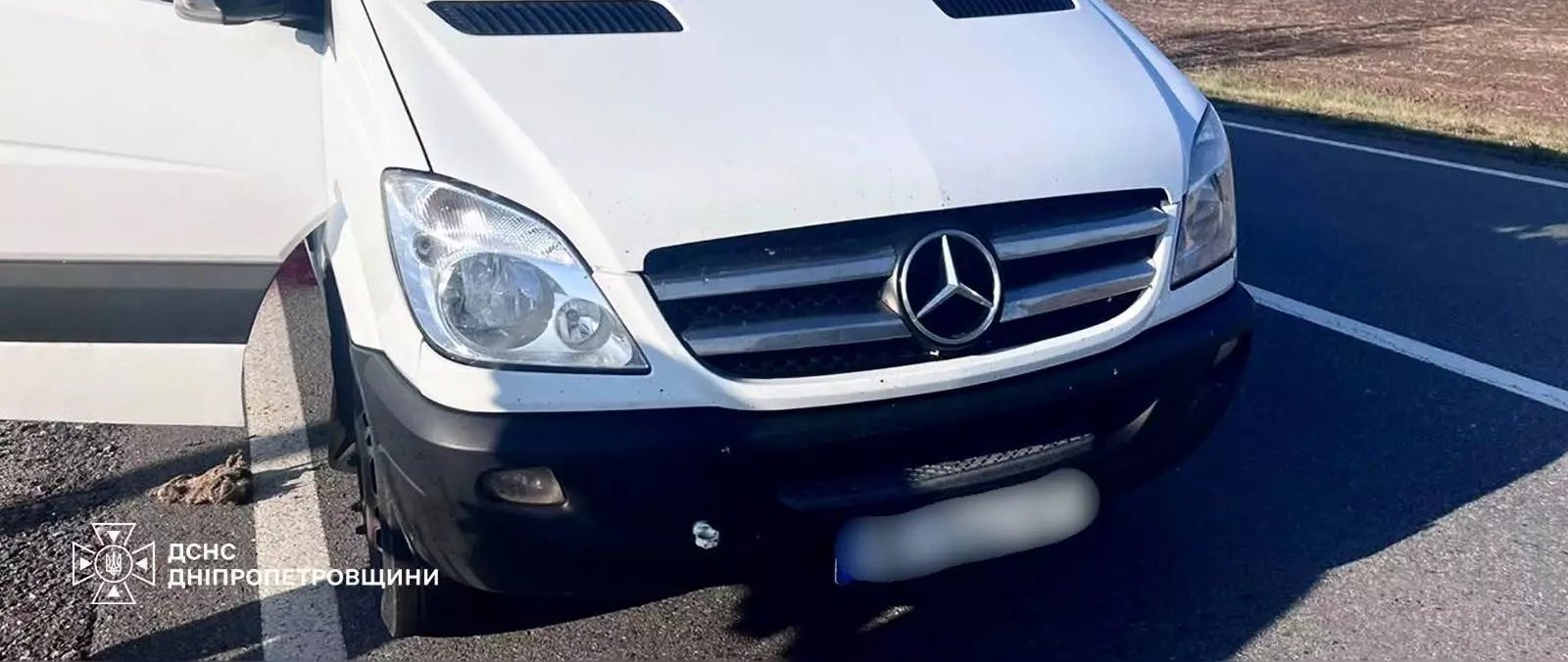
A Russian FPV drone hit a scheduled minibus on the road in Nikopol district, across the Dnipro from occupied Enerhodar. The district declared a day of mourning. This was the third bus strike in the district in 2026, after 7 April (4 killed) and 8 August (driver killed). The UN COI has found Russia's drone campaign against civilians on the Dnipro right bank, including Dnipropetrovsk oblast, to be a crime against humanity of murder. HRMMU verification of this incident is pending.
CAH of murder — established (COI, drone campaign) This strike — verification pending
Russia said. Nothing. Russia made no comment on the strike (AFP, 16 Sep). Its standing line is that it does not deliberately target civilians, but the UN COI found the drone attacks systematic and under centralised command (A/80/497).
Publicly available: regional administration photos of the minibus and official casualty statements; Prosecutor General's proceedings under art. 438 CCU. HRMMU verification not yet published; the perpetrating unit has not yet been publicly identified.
Earlier. Sumy, 26 Sep 2026 (glide bombs on residential areas, 2 killed) · Nikopol district, 16 Sep 2026 (FPV drone on a passenger minibus, 5 killed) · Bucha, Mar 2022 (A3 one-pager) · "Heirs of Goebbels" — the 2026 Bucha denial — the 2026 Bucha denial (6 pp.). In the Archive and on the Fact-checks page.
In preparation. Izium, Yahidne, Olenivka, Hroza, Okhmatdyt (2022–24).
Each card: 24–48 h after verification; UN figures replace national figures when published; every change is logged on the Method page.
Fact-checks
When Russia circulates a denial — as a report, a Security Council statement or a ministry briefing — we check it against the mandated record and publish the result in full. The method is the same each time: every verifiable claim, its source, what it actually establishes, what the document omits, and what it concedes compared with earlier Russian positions. Every fact-check is issued as a multi-page dossier on the model of "Heirs of Goebbels" — the 2026 Bucha denial: page 1 is the one-page summary; the following pages give the speaker and the venue, each claim against the record, the omissions, the concessions since 2022, and the sources.
What Moscow concedes, 13 Sep – 21 Oct 2026 · What Moscow itself concedes
PDF · 7 pagesZakharova · Peskov · Ministry of Defence · Gerasimov · Moscow · 13 Sep – 21 Oct 2026. Russia's own spokespeople, in five weeks, named the targets: a passenger train at the Polish border, a plant in Pryluky, a Kyiv data centre and locomotive depot, and "massive strikes on Ukraine's energy facilities". Each statement was meant as a defence. Read against the UN record, each one is an admission — of the strike, of the aim-point, or of the motive. Eight statements, what the record shows, and what each concedes.
What Moscow concedes, 13 Sep – 21 Oct 2026 · 7-page dossier (PDF) p.1 one-page summary · p.2 the occasion, the speakers, what others said and what was left out · p.3–4 the eight claims against the record · p.5 the record side by side · p.6 the law, lines to take and Q&A · p.7 sources and method · v1 · 21 Oct 2026
Polyanskiy at the OSCE, 1–10 Oct 2026 · Vienna: three statements, one admission
PDF · 7 pagesDmitry Polyanskiy, Russia's Permanent Representative to the OSCE · Permanent Council, Vienna · 1, 8 and 10 Oct 2026. In ten days Russia's new envoy to the OSCE told the Permanent Council that the war will go on until Europe's "party of war" is "out of business" — "or else until the complete military collapse of the Kyiv regime", the outcome he called more likely, that no one will give Kyiv "the gift" of a ceasefire because of Minsk, and that it "turns out" striking power plants, bridges and railways "is not allowed". The record answers each line — and the third one is an admission the International Criminal Court has already charged.
Polyanskiy at the OSCE, 1–10 Oct 2026 · 7-page dossier (PDF) p.1 one-page summary · p.2 the occasion, the speakers, what others said and what was left out · p.3–4 the seven claims against the record · p.5 the record side by side · p.6 the law, lines to take and Q&A · p.7 sources and method · v1 · 21 Oct 2026
Nebenzia at the Security Council, 9 Oct 2026 · Only military targets
PDF · 7 pagesVassily Nebenzia · UN Security Council, 10237th meeting · 9 Oct 2026. Two days after a cruise missile destroyed a five-storey apartment block in Pryluky and a day after a glide bomb hit two buses in Kramatorsk, Russia's Permanent Representative told the Security Council that Russian targets "have been and remain only military facilities". The UN Secretariat had just put the week's toll on the record: more than 100 civilians killed. Eight claims, the record, and what each concedes.
Nebenzia at the Security Council, 9 Oct 2026 · 7-page dossier (PDF) p.1 one-page summary · p.2 the occasion, the speakers, what others said and what was left out · p.3–4 the eight claims against the record · p.5 the record side by side · p.6 the law, lines to take and Q&A · p.7 sources and method · v2 · 21 Oct 2026 · merged and re-checked
Lavrov at the Security Council, 23 Sep 2026 · Five claims, one Council
PDF · 7 pagesSergey Lavrov · UN Security Council, 10227th meeting · 23 Sep 2026. At the high-level briefing on Ukraine during UN General Assembly week, Russia's Foreign Minister told the Council that a peace treaty was "initialed" in 2022 and banned by Boris Johnson, that Ukraine has imposed "a total ban on the Russian language in all spheres", that Crimea voted in a "referendum", that Kyiv's leaders are "terrorists" — and that "we are not going to have a pause". Each claim against the record; the last one is the one to keep.
Lavrov at the Security Council, 23 Sep 2026 · 7-page dossier (PDF) p.1 one-page summary · p.2 the occasion, the speakers, what others said and what was left out · p.3–4 the five claims against the record · p.5 the record side by side · p.6 the law, lines to take and Q&A · p.7 sources and method · v1 · 21 Oct 2026
Blind spots that are not there, 14 Oct 2026 · Blind spots that are not there
PDF · 6 pagesRussia's Arria-formula meeting of 14 October 2026, "Piercing the Blind Spots of Violations of International Humanitarian Law and International Human Rights Law in the Context of the Ukrainian Crisis". Russia argued that the UN ignores violations by Ukrainian forces. The UN's own reports record them — because Ukraine lets the UN in — and record torture in Russian custody on a far larger scale, where Russia lets no one in. Eight claims by Vassily Nebenzia, Rodion Miroshnik and Larry C. Johnson, checked against OHCHR, the Committee against Torture and the Commission of Inquiry, and against the UN Web TV transcript. Related: Oleshky.
Blind spots that are not there, 14 Oct 2026 · six-page dossier (PDF) p.1 one-page summary · p.2 the meeting, the speakers and what the 14 other members said · p.3–4 the eight claims against the record · p.5 the record side by side, the law, lines to take and Q&A · p.6 sources and method · v1, 19 Oct 2026
Oleshky: a blockade with no author, 16 Oct 2026 · Oleshky: a blockade with no author
PDF · 5 pagesEight Russian official statements on occupied Oleshky, 21 September – 16 October 2026: the Kremlin, the Foreign Ministry, the Permanent Representative to the UN and the occupation authorities. Moscow now calls the situation "critical", "a catastrophe", "a tragedy" — and blames Ukraine for blockading a town Russia has held, with every road into it, since 24 February 2022. None of the statements proposes the evacuation, corridor or ceasefire the UN, the ICRC and Pope Leo XIV have asked for. Context: Oleshky.
Oleshky: a blockade with no author, 16 Oct 2026 · five-page dossier (PDF) p.1 one-page summary · p.2 the speakers and how the line moved · p.3–4 the eight claims against the record · p.5 the record, the law, lines to take and Q&A · v1, 18 Oct 2026
What it concedes. Four years after "not a single civilian suffered" (UNSC, 5 Apr 2022), the report no longer disputes that the deaths occurred under Russian occupation. It argues about who the dead were. That is an acknowledgement.
Our own precision. The Bucha Wall of Remembrance lists residents of the community killed during the occupation, including local defence volunteers whose plaques say so. "509 civilians", used in some speeches, was imprecise. The legal record never depended on it.
Kryvyi Rih and Sumy, April 2025 · Two cities, one script
PDF · 7 pagesRussian MoD, Kremlin, Russian Mission to the UN · Kryvyi Rih and Sumy · April 2025. Nine days apart in April 2025, two Russian ballistic missiles air-burst over a playground in Kryvyi Rih and a city-centre street in Sumy on Palm Sunday. Each time the Russian Ministry of Defence announced the destruction of a military gathering — "commanders and Western instructors", "the command staff" — with a round number of dead soldiers and no names, photographs or coordinates. The UN verified 20 and at least 31 civilians killed, nine and two of them children. Eight claims, the record, and what each concedes: that the aim-points were in the middle of residential cities.
Kryvyi Rih and Sumy, April 2025 · 7-page dossier (PDF) p.1 one-page summary · p.2 the occasion, the speakers, what others said and what was left out · p.3–4 the eight claims against the record · p.5 the record side by side · p.6 the law, lines to take and Q&A · p.7 sources and method · v1 · 21 Oct 2026
Ukrainian children, 2023–2025 · Evacuation, camps, reunification
PDF · 7 pagesLvova-Belova, Nebenzia, Peskov · Moscow, New York · 2023–2026. Russia's account of the Ukrainian children taken to Russia and the occupied territories has three words in it: evacuation, holiday camps, family reunification. The International Criminal Court issued arrest warrants for the President and his Children's Commissioner for unlawful deportation and transfer (17 Mar 2023); the UN Commission of Inquiry found war crimes (2023) and then crimes against humanity (12 Mar 2026); the ECtHR found "a systematic programme of long-term, indeed permanent, removal" (9 Jul 2025). Russia's own figures — 380 orphans placed in Russian families, 700,000 children "accommodated" — concede the transfers. Eight claims, the record, and what each concedes.
Ukrainian children, 2023–2025 · 7-page dossier (PDF) p.1 one-page summary · p.2 the occasion, the speakers, what others said and what was left out · p.3–4 the eight claims against the record · p.5 the record side by side · p.6 the law, lines to take and Q&A · p.7 sources and method · v1 · 21 Oct 2026
Kremenchuk 2022 and Dnipro 2023 · Air defence and depots
PDF · 7 pagesRussian MoD, Kremlin, Russian Mission to the UN · Kremenchuk 2022 and Dnipro 2023 · the Kh-22 strikes. Two of the deadliest single strikes of the war were carried out with the same weapon: the Kh-22, a Soviet anti-ship missile with a warhead of nearly a tonne, fired from Tu-22M3 bombers. In Kremenchuk on 27 June 2022 it destroyed a working shopping mall; in Dnipro on 14 January 2023 it brought down the entrance of a nine-storey block. For each, Russia produced two explanations that exclude each other — a weapons depot and a mall that was "not functioning"; "we do not strike residential buildings" and "our missile was shot down by Ukrainian air defence". Six claims, the record, and what each concedes. The facts of each strike are in the Hub's historical case files.
Kremenchuk 2022 and Dnipro 2023 · 7-page dossier (PDF) p.1 one-page summary · p.2 the occasion, the speakers, what others said and what was left out · p.3–4 the six claims against the record · p.5 the record side by side · p.6 the law, lines to take and Q&A · p.7 sources and method · v1 · 21 Oct 2026
"Biolabs" and "dirty bomb", 2022 · Pretexts the UN examined
PDF · 7 pagesRussia's "biolabs" and "dirty bomb" claims · UN Security Council, BWC consultations, IAEA · Mar 2022 – Nov 2022. Twice in 2022 Russia told the world that Ukraine was preparing a weapon of mass destruction: US-run "military biological laboratories" in March, and a "dirty bomb" in October. Both claims were put to the one place that could test them — the UN system — and both were answered there. The UN's disarmament office was "not aware of any biological weapons programmes"; the Biological Weapons Convention's first consultative meeting in 25 years ended without consensus on Russia's allegations; the Security Council gave Russia's investigation commission two votes; and IAEA inspectors visited the three Ukrainian sites Russia had named and found no indications of undeclared nuclear activities or materials. Eight claims, the record, and what each concedes.
"Biolabs" and "dirty bomb", 2022 · 7-page dossier (PDF) p.1 one-page summary · p.2 the occasion, the speakers, what others said and what was left out · p.3–4 the eight claims against the record · p.5 the record side by side · p.6 the law, lines to take and Q&A · p.7 sources and method · v1 · 21 Oct 2026
Zaporizhzhia nuclear plant, 2022 – 2026 · Who shells the plant
PDF · 7 pagesRussian Mission to the UN, MoD, MFA · Zaporizhzhia nuclear power plant · August 2022 – October 2026. Since August 2022 Russia has told the Security Council, the IAEA Board and the press that Ukraine shells and now drones its own nuclear plant. The plant has been under Russian armed control since 4 March 2022; it has been run by a Rosatom entity since a presidential decree of 5 October 2022; IAEA experts have been on site since 1 September 2022. In four years the Agency has observed shelling, drone strikes, military vehicles in the turbine halls and 26 complete losses of off-site power — and has attributed none of the attacks to either side. Seven claims, the record, and what each concedes: that whatever happens at the plant happens on a site Russia controls.
Zaporizhzhia nuclear plant, 2022 – 2026 · 7-page dossier (PDF) p.1 one-page summary · p.2 the occasion, the speakers, what others said and what was left out · p.3–4 the seven claims against the record · p.5 the record side by side · p.6 the law, lines to take and Q&A · p.7 sources and method · v1 · 21 Oct 2026
Olenivka, July 2022 · A HIMARS that never came
PDF · 7 pagesRussian MoD, MFA and UN mission on Olenivka · Moscow, New York, Vienna · 29 Jul 2022 onward. Within hours of the explosion that killed at least 51 Ukrainian prisoners of war in Russian custody at Olenivka, the Russian Ministry of Defence announced the cause: a Ukrainian HIMARS strike, carried out "to intimidate" Ukrainian soldiers. Russia invited the UN and the ICRC to investigate, then gave neither the access it had offered. The UN's human rights office examined the barrack and concluded that the explosions were not caused by HIMARS rockets. Seven claims, the record, and what each concedes. The facts of the night are in the Hub's Olenivka dossier; this fact-check follows the claim.
Olenivka, July 2022 · 7-page dossier (PDF) p.1 one-page summary · p.2 the occasion, the speakers, what others said and what was left out · p.3–4 the seven claims against the record · p.5 the record side by side · p.6 the law, lines to take and Q&A · p.7 sources and method · v1 · 21 Oct 2026
Mariupol, March 2022 · "Azov did it": Mariupol, March 2022
PDF · 7 pagesNebenzia, Lavrov, the Russian MoD and Embassy in London · UN Security Council, Antalya, Moscow, Twitter · 7–17 Mar 2022. Two days before a Russian bomb hit the maternity ward of Mariupol's Hospital No. 3, Russia told the Security Council that Ukrainian forces had expelled the staff of a Mariupol maternity hospital and set up a firing position in it. After the strike, Russia offered three versions at once: the hospital was an Azov base, the photographs were staged, and Russian aircraft flew no missions over Mariupol. A week later the same three versions were applied to the Drama Theatre, where hundreds sheltered under the word "CHILDREN" painted on the ground. The OSCE, the UN human rights office, AP, Amnesty and Human Rights Watch examined both sites. Eight claims, the record, and what each concedes.
Mariupol, March 2022 · 7-page dossier (PDF) p.1 one-page summary · p.2 the occasion, the speakers, what others said and what was left out · p.3–4 the eight claims against the record · p.5 the record side by side · p.6 the law, lines to take and Q&A · p.7 sources and method · v1 · 21 Oct 2026
MH17, 2014 – 2025 · Three versions, one Buk
PDF · 7 pagesRussian Ministry of Defence, Almaz-Antey, the Kremlin · Moscow, New York, The Hague · 2014–2025. On 17 July 2014 flight MH17 was shot down over eastern Ukraine; 298 people died. In eleven years Russia has offered at least three incompatible explanations — a Ukrainian fighter jet, a Ukrainian Buk from Zaroshchenske, a Soviet missile "delivered to Ukraine in 1986" — and has vetoed, boycotted or declared "null and void" every body that examined the evidence. Eight claims, the record, and what each concedes. The key point: Russia's versions contradict each other before anyone else has to.
MH17, 2014 – 2025 · 7-page dossier (PDF) p.1 one-page summary · p.2 the occasion, the speakers, what others said and what was left out · p.3–4 the eight claims against the record · p.5 the record side by side · p.6 the law, lines to take and Q&A · p.7 sources and method · v1 · 21 Oct 2026
Crimea and Donbas, 2014 – 2015 · Those are local self-defence forces
PDF · 7 pagesPutin, Lavrov, Peskov, Churkin · Moscow, Vladivostok, New York · 2014–2021. From the first days in Crimea to the eve of the full-scale invasion, Russia's answer to every question about its soldiers in Ukraine was the same: there are none. The men in unmarked uniforms were "local militias"; the captured paratroopers had "lost their way"; the dead were "volunteers". Russia's own President, decrees and medals said otherwise, and in 2024 and 2025 the European Court of Human Rights fixed the dates: effective Russian control of Crimea from 27 February 2014 and of the "DPR/LPR" areas from 11 May 2014. Seven claims, the record, and what each concedes.
Crimea and Donbas, 2014 – 2015 · 7-page dossier (PDF) p.1 one-page summary · p.2 the occasion, the speakers, what others said and what was left out · p.3–4 the seven claims against the record · p.5 the record side by side · p.6 the law, lines to take and Q&A · p.7 sources and method · v1 · 21 Oct 2026
Narrative shift tracker
What Russia said on day one, after a week, and later. Each change of line concedes the previous one; the Bucha sequence (hoax → the dead were soldiers) is the template. Verified quotations only, with source and archived copy in the watch log below.
Reading the table: a line that moves from "it did not happen" to "it happened but was lawful" has conceded the fact. The remaining argument is legal, and on energy it has already been decided by the ICC.
Disinformation watch
Fact-checks start with knowing what is being said, where, and by whom. This log tracks Russian claims about crimes in Ukraine across four layers — UN organs, official Russia, propagandists, and foreign channels used as proxies — tagged by narrative and linked to our response. Verified entries only; a claim is logged with its primary source.
| Date · venue | Speaker | Claim (narrative) | Status |
|---|---|---|---|
| 3 Apr 2022 · Russian MoD statement | Ministry of Defence | Bucha images are "a hoax"; bodies placed after withdrawal Staged | Refuted "Heirs of Goebbels" — the 2026 Bucha denial |
| 5 Apr 2022 · UN Security Council source ↗ · archived | Amb. Nebenzia | "Not a single civilian suffered" in Bucha under Russian control Denial | Refuted "Heirs of Goebbels" — the 2026 Bucha denial |
| 18 Apr 2022 · Presidential decree | V. Putin | "Guards" title to the 64th Brigade for "mass heroism" Reward | Documented Bucha, Mar 2022 |
| 2023–24 · Russian courts | Basmanny, Ostankinsky courts | Prison terms for citizens who spoke about Bucha (Bazhutova, Gessen, Zygar) Suppression | Documented "Heirs of Goebbels" — the 2026 Bucha denial |
| 2026 · "International Public Tribunal" (Civic Chamber) | M. Grigoriev (EU-sanctioned) | The dead were combatants; Ukraine stages killings for the press Reclassify Staged | Refuted "Heirs of Goebbels" — the 2026 Bucha denial · letter to SG |
| 17 Sep 2026 · MFA press conference source ↗ · archived | M. Zakharova | The Secretary-General "knowingly played along with the anti-Russian campaign" on Bucha; a "provocation" Staged | Refuted "Heirs of Goebbels" — the 2026 Bucha denial |
| 23 Sep 2026 · UN Security Council (10227th) source ↗ · archived | FM S. Lavrov | Ukraine uses "openly terrorist methods"; no mention of civilian casualties, energy or strikes Denial | Documented |
| 1 Oct 2026 · Geneva briefing source ↗ · archived | R. Miroshnik (MFA) | Ukraine has "attacked 216 passenger buses" this year Ukraine did it | Documented — one week before Kramatorsk, Nebenzia at the Council, 9 Oct |
| 3 Oct 2026 · MFA statement source ↗ · archived | Ministry of Foreign Affairs | Russia "will continue to deliver massive strikes of retribution"; foreigners should leave Kyiv Legit. target | Documented Pryluky, 7 Oct 2026, Kyiv, 14 Oct 2026 |
| 4 Oct 2026 · MoD statement source ↗ · archived | Ministry of Defence | Strikes "will be intensified"; "the population of Ukraine should blame only the head of the Kyiv regime" Ukraine did it | Documented Kharkiv, 2–12 Oct 2026 |
| 7 Oct 2026 · MoD, Telegram 06:55 source ↗ · archived | Ministry of Defence | "Massive strike with high-precision weapons" on "military-industrial facilities"; lists a plant in Pryluky; no mention of the residential building Legit. target | Refuted Pryluky, 7 Oct 2026 |
| 7 Oct 2026 · Sputnik radio source ↗ · archived | M. Zakharova | Foreigners should leave Kyiv so that no "provocative staging and setup" is claimed afterwards — citing Bucha Staged | Documented Nebenzia at the Council, 9 Oct |
| 8 Oct 2026 · OSCE Permanent Council source ↗ · archived | D. Polyanskiy (PR to the OSCE) | "Impossible to hide the scale of the failure of Ukraine's air defence" Ukraine did it | Refuted Kharkiv, 2–12 Oct 2026 (glide bombs are not engaged by air defence) |
| 8 Oct 2026 · Kremlin source ↗ · archived | D. Peskov | No comment on Kramatorsk (33 killed on two buses) Denial | Documented Kramatorsk, 8 Oct 2026 |
| 9 Oct 2026 · UN Security Council (10237th) source ↗ · archived | Amb. V. Nebenzia | "Only military facilities"; casualties due to Ukrainian air defence "in residential areas" (AP I art. 58); "provocations and staged incidents"; energy "involved in military production"; Ukraine targets "civilian buses" Denial Ukraine did it Staged Legit. target | Refuted Nebenzia at the Council, 9 Oct |
| 10 Oct 2026 · OSCE mission statement source ↗ · archived | D. Polyanskiy | Striking "bridges, power plants, railway facilities and warehouses" is "not allowed to anyone except Zelensky"; "nothing will be left of Ukraine's infrastructure" Legit. target | Documented Zaporizhzhia, 10 Oct 2026, Pattern: Energy — stated intent |
| 13 Oct 2026 · TASS source ↗ · archived | M. Zakharova | Strikes "only on facilities linked to the military-industrial complex" became "a painful boomerang for Kyiv" Legit. target | Refuted Kyiv, 14 Oct 2026 |
| 14 Oct 2026 · MoD via Interfax, 09:13 source ↗ · archived | Ministry of Defence | "Five energy facilities used for the needs of Ukraine's military-industrial complex" — CHP-4, CHP-5, CHP-6, Trypilska TPP, a Kyiv substation Legit. target | Refuted Kyiv, 14 Oct 2026, Pattern: Energy — conduct already qualified by the ICC |
| 14 Oct 2026 · Arria-formula meeting convened by Russia source ↗ · archived | Amb. V. Nebenzia; R. Miroshnik; L. Johnson | The UN "is doing everything to avoid documenting the crimes of the Kiev regime"; OHCHR methodology flawed; Ukraine runs "secret prisons" Ukraine did it Denial | Refuted Nebenzia at the Council, 9 Oct, Pattern: Prisoners |
| 14 Oct 2026 · OSCE FSC source ↗ · archived | Y. Zhdanova | "9,006 civilians incl. 305 children" killed in Russia by Ukrainian forces since 2022 Ukraine did it | In monitoring — OHCHR figure for Russia: 496 killed Jan–Sep 2026 |
Entry rule: primary source (UN meeting record, official transcript, broadcast with timestamp, archived post) or it is not logged. Every Russian source is snapshotted to the Wayback Machine on logging, because posts are edited and deleted; "archived" opens the snapshot list. Status: Refuted (published fact-check) · Documented (recorded, no rebuttal needed) · In monitoring (claim seen, verification pending).
1 · UN organs. Security Council and General Assembly meeting records and UN Web TV; Human Rights Council statements and side events; Russian letters circulated as A/ and S/ documents; Arria-formula meetings convened by Russia.
2 · Official Russia. MFA weekly briefings and statements; Ministry of Defence daily statements; Presidential Administration; Investigative Committee; Civic Chamber bodies (the "tribunal").
3 · Propagandists. State television prime-time programmes and their hosts; the heads of state media groups; the largest pro-Kremlin Telegram channels. Logged when a claim first appears there before reaching layer 2 — it signals the next official line.
4 · Proxies abroad. RT and Sputnik in Spanish, Arabic, French; affiliated outlets and "initiatives" in Africa, Latin America and South Asia; foreign commentators quoted back by Russian media; "international observers" and "tribunal" members with foreign citizenship.
Staged events are faked for Western cameras · Denial nothing happened · Reclassify the dead were soldiers · Legit. target the object was military · Ukraine did it own air defence, own shelling · Reward decorations and promotions for implicated units · Suppression prosecution of those who speak
The shift from Denial to Reclassify (Bucha, 2022→2026) is itself evidence: each new line concedes the last.
How this runs
Weekly sweep of layers 1–2 (meeting records, MFA, MoD); event-driven sweep of layers 3–4 after each major strike or UN debate. Each new claim gets a narrative tag and a decision within 48 h: log only, short rebuttal, or full fact-check. Can be partly automated as a scheduled search with a human verification step.
International record
The UN, the courts and the world on Russia's war against Ukraine. What the United Nations and the other international bodies seized of the war have said, found and decided about Ukraine — by venue, newest first, each entry linked to the official record. New York: the Secretary-General, the Security Council and the General Assembly. Geneva, Vienna, The Hague, Strasbourg, Brussels and the specialised agencies: the bodies that investigate, verify, judge and vote. Findings of courts and mandated bodies are Tier A; decisions and votes are facts of the record; statements of states and alliances are a position, kept apart; Russia's own statements are shown and answered in the fact-checks. Data as of 20 Oct 2026.
Geneva. The bodies that document the war: the Human Rights Council and its Commission of Inquiry, the Human Rights Monitoring Mission, the treaty bodies and special procedures, WHO, UNHCR and IOM. Bodies: Human Rights Council · OHCHR / HRMMU · Commission of Inquiry · Treaty bodies · Special procedures · WHO · UNHCR · IOM.
What to cite before a meeting in Geneva · PDF
Also on the record. Notes that Ukraine's Unmanned Systems Forces reported 82 attacks on energy infrastructure in occupied territory and Russia.
Also on the record. Cites Russian authorities' statements of at least 53 killed and 462 injured in Russia in September 2026, which HRMMU did not verify.
Also on the record. Expresses deep concern at reports of Ukrainian attacks that killed or wounded civilians in occupied territory and in Russia.
Press release 8 Oct 2026 (OHCHR) ↗
Also on the record. Attributes 11 per cent of documented sexual-violence cases to Ukraine; notes reported Ukrainian strikes on warehouses, logistics centres and refineries inside Russia and Russian-reported casualties (3 killed, 41 injured in Moscow region, 19–20 Sep) that OHCHR could not verify.
Also on the record. Notes indications of increased civilian casualties from Ukrainian attacks on infrastructure in Russia and Russian-controlled areas of Ukraine, which it could not investigate for lack of access.
Statement 21 Sep 2026 (OHCHR) ↗
Press release 21 Sep 2026 ↗
A/HRC/63/60
Press release 21 Sep 2026 (OHCHR) ↗
Report A/HRC/63/60 (OHCHR) ↗
Also on the record. 11 per cent of verified cases are attributed to Ukrainian authorities, against Russian and third-country POWs and conflict-related detainees; almost half of those were threats of sexual violence.
Report page (HRMMU) ↗
Press release 18 Sep 2026 (OHCHR) ↗
Also on the record. Records that Ukrainian officials indicated ammunition might have been stored at the civilian warehouse, a question under Ukrainian investigation.
Also on the record. About half of Russian and third-country POWs interviewed in Ukrainian custody reported torture or ill-treatment, mainly during initial capture and interrogation; official internment conditions generally comply with IHL.
Also on the record. Cites 8 civilians killed and 86 injured in Ukrainian drone strikes on Wildberries logistics centres in Moscow and Tambov regions, 17–18 July 2026.
Press briefing note 21 Jul 2026 (OHCHR) ↗
Also on the record. Cites Ukrainian drone strikes that hit marked humanitarian vehicles and facilities, torture and ill-treatment of Russian POWs mostly in transit facilities, and Russian-reported Ukrainian attacks on energy infrastructure in Belgorod (not fully verified).
Statement 3 Jul 2026 (OHCHR) ↗
Video (UNOG Newsroom) ↗
UNHCR data portal – Ukraine ↗
UNHCR Ukraine situation page ↗
UNHCR Ukraine Operational Update 14 Sep 2026 ↗
Lives on hold: IDP intentions (1 Sep 2026) ↗
Also on the record. Around half of Russian POWs interviewed reported torture or ill-treatment at the start of captivity by Ukraine; Ukrainian forces attacked electricity and heating infrastructure in Belgorod region, reportedly causing regional outages.
A/HRC/62/CRP.1
Report page (HRMMU) ↗
OHCHR listing A/HRC/62/CRP.1 ↗
Also on the record. Records violations in Ukraine's mobilisation (irregular administrative detention, denial of lawyer access, force against conscientious objectors) and criticises the overbroad definition of 'collaborative activities' in Ukrainian criminal law.
A/HRC/61/61
Report page (OHCHR) ↗
Report A/HRC/61/61 ↗
Press release 12 Mar 2026 ↗
Conference room paper A/HRC/61/CRP.8 (PDF) ↗
Map of deportation routes ↗
A/HRC/61/CRP.8
Paper (PDF) ↗
Paper page (OHCHR) ↗
WHO news release 23 Feb 2026 ↗
SSA dashboard ↗
Also on the record. POWs held by Ukraine described torture and ill-treatment in transit locations; Ukraine prosecuted people for collaboration over lawfully compellable work; undue restrictions on conscientious objection.
A/HRC/61/CRP.3
Report page (HRMMU) ↗
OHCHR listing A/HRC/61/CRP.3 ↗
A/80/382
OHCHR document page ↗
Also on the record. The Commission examined Russian allegations of Ukrainian drone attacks on civilians in occupied areas but could not conclude its investigation owing to lack of access, witness-safety concerns and no response from Russian authorities.
A/80/497
Report page (OHCHR) ↗
Report A/80/497 ↗
Press release 27 Oct 2025 ↗
Annexes (PDF) ↗
Also on the record. Documents torture and ill-treatment of conflict-related detainees by Ukrainian authorities, with limited accountability, while noting steps taken to strengthen safeguards.
Also on the record. POWs held by Ukraine described torture and ill-treatment in transit locations; Ukraine prosecuted people for collaboration over work the occupying power may lawfully compel; conscientious objection continued to be denied.
Also on the record. Paragraph 17 records allegations of torture, sexual violence, unlawful killing and deaths in custody of Russian POWs by Ukrainian forces in unofficial or transit places, torture of conflict-related detainees by the SBU, and inadequate investigation of abuses since 2014.
CAT/C/UKR/CO/7
UHRI extract (paras 17–20) ↗
Document CAT/C/UKR/CO/7 (UN documents) ↗
A/HRC/59/CRP.2
Paper page (OHCHR) ↗
Press release 28 May 2025 ↗
Also on the record. Finds that both sides used drones to kill or wound visibly injured soldiers no longer able to defend themselves (a war crime) and documents violations by Ukrainian authorities against persons accused of collaboration.
A/HRC/58/67
Report page (OHCHR) ↗
Report A/HRC/58/67 ↗
Press release 19 Mar 2025 ↗
Chair's statement 19 Mar 2025 ↗
A/79/549
Report page (OHCHR) ↗
Press release 29 Oct 2024 ↗
Also on the record. Faults Ukraine for lacking a specific criminal provision on wrongful removal of children (art. 25(1) of the Convention).
CED/C/UKR/CO/1
UHRI extract ↗
Also on the record. Describes a few human rights violations by Ukrainian authorities against persons suspected of collaboration with Russia.
A/HRC/55/66
Report page (OHCHR) ↗
Report A/HRC/55/66 ↗
Press release 15 Mar 2024 ↗
CRC/C/RUS/CO/6-7
OHCHR document page ↗
UHRI extract ↗
Also on the record. Paragraphs 51–52 record allegations of intimidation and physical violence against Russian POWs by Ukrainian authorities during transfer from the front line and questioning, including in unofficial places; the Rapporteur calls these practices unlawful.
A/HRC/55/52/Add.1
OHCHR document page ↗
UHRI extract (paras 34–52) ↗
Also on the record. Two instances in which Ukrainian authorities shot, wounded and ill-treated detainees; a small number of likely indiscriminate explosive-weapon attacks by Ukrainian forces in Izium.
A/HRC/52/CRP.4
Paper page (OHCHR) ↗
Paper (PDF) ↗
Also on the record. Records a small number of violations by Ukrainian armed forces, including two incidents of shooting, wounding and torturing Russian prisoners of war qualified as war crimes, and likely indiscriminate attacks.
A/HRC/52/62
Report page (OHCHR) ↗
Report A/HRC/52/62 ↗
Press release 16 Mar 2023 ↗
CCPR/C/RUS/CO/8
OHCHR document page ↗
UHRI extract ↗
CEDAW/C/UKR/CO/9
OHCHR document page ↗
UHRI extract ↗
WHA75.11
Resolution WHA75.11 (PDF) ↗
WHA75 Journal No. 6, 27 May 2022 (vote record) ↗
No entries match these filters.
The ask · Geneva
Renew the mandate of the Commission of Inquiry by vote and fund the Monitoring Mission for the next year.
Demand access for OHCHR to occupied territory and to all prisoners of war held by Russia, which Russia has refused since 2022.
Raise the deportation of Ukrainian children in the Council's dialogue with the Commission and in the review of the Russian Federation by the treaty bodies.
Cite the Commission and the Monitoring Mission by document symbol: their findings are the record the Secretariat repeats.
Vienna. Nuclear safety and the OSCE: the IAEA at the Zaporizhzhia plant, its Board and General Conference, and the OSCE's Moscow Mechanism, ODIHR monitoring, Permanent Council and Parliamentary Assembly. Bodies: IAEA · OSCE Permanent Council · Moscow Mechanism · ODIHR · OSCE Parliamentary Assembly.
What to cite before a meeting in Vienna · PDF
IAEA Update 371 (to verify)
Update 371 (iaea.org) ↗
NucNet, 16 Oct 2026 ↗
UNN, 16 Oct 2026 ↗
IAEA Update 370 (to verify)
Update 370 (iaea.org) ↗
IAEA official account, 3 Oct 2026 ↗
EU statement (EEAS), 10 Sep 2026 ↗
Denmark statement, 10 Sep 2026 ↗
IAEA Updates 365, 366
IAEA DG updates on Ukraine (iaea.org) ↗
BASE chronology (Update 366, 11 Sep 2026) ↗
EU statement, IAEA General Conference, 18 Sep 2026 ↗
World Nuclear News, 8 Sep 2026 ↗
IAEA Updates 362, 363, 364, 365, 366
IAEA DG updates on Ukraine (iaea.org) ↗
BASE (German federal office) chronology citing Updates 361–366 ↗
EU statement, IAEA Board, 10 Sep 2026 (26 losses; 10 in the reporting period) ↗
ANS summary of Updates 364–365 ↗
ODIHR report page ↗
Report (PDF) ↗
EU statement citing the report, OSCE Permanent Council 1574, 23 Jul 2026 ↗
The Hague Declaration (PDF, oscepa.org) ↗
Session news, Day 2 ↗
Session news, Day 5 ↗
IAEA DG updates on Ukraine (iaea.org) ↗
Kyiv Post, 27 Feb 2026 ↗
Yahoo/Ukrainska Pravda on the 4th ceasefire (Jan 2026) ↗
GOV/2025/54
GOV/2025/54 (PDF, iaea.org) ↗
GOV/2025/26 (PDF, iaea.org), June 2025 report ↗
No entries match these filters.
The ask · Vienna
Support the IAEA presence at the Zaporizhzhia plant and the Board's resolutions on Ukraine; fund the Agency's assistance programme.
Invoke the Moscow Mechanism where a new pattern appears, and cite its reports as expert findings.
Do not let consensus be used to shut OSCE field work: keep the Support Programme for Ukraine and ODIHR monitoring funded outside the unified budget.
Raise each attack on a nuclear site and each loss of off-site power at the plant in the Board and the Permanent Council.
The Hague. The courts and the claims mechanisms: the International Criminal Court, the International Court of Justice, the OPCW, the Register of Damage, the Claims Commission, the Special Tribunal and Eurojust. Bodies: ICC · ICJ · OPCW · Register of Damage · Claims Commission · Special Tribunal · Eurojust / ICPA.
What to cite before a meeting in The Hague · PDF
RD4U news, 30 Sep 2026 ↗
Council of Europe press release, 30 Sep 2026 ↗
President of Ukraine, 30 Sep 2026 ↗
Council of Europe press release, 15 May 2026 ↗
Council of Europe Special Tribunal page ↗
President of Ukraine, 15 May 2026 ↗
Germany statement, EC-111, item 6(f) (PDF) ↗
Council of Europe press release, 16 Dec 2025 ↗
Committee of Ministers approval, 22 Oct 2025 ↗
Canada signs, 11 May 2026 ↗
Also on the record. The admitted counter-claims put Ukraine's own conduct in Donbas since 2014 before the Court; Russia alleges genocide by Ukraine, which Ukraine denies.
Order of 5 December 2025 (PDF) ↗
Press release 2025/55, 8 Dec 2025 ↗
Press release 2025/5 on counter-claims, 31 Jan 2025 ↗
Ukraine statement, EC-110, item 6(f) (PDF) ↗
Council of Europe Special Tribunal page ↗
S/2415/2025
Report S/2415/2025 (PDF) ↗
OPCW Ukraine page ↗
ICAO news, 12 May 2025 ↗
Government of the Netherlands, MH17 state responsibility ↗
S/2370/2025
OPCW news release, 14 Feb 2025 ↗
Report S/2370/2025 (PDF) ↗
Also on the record. The OPCW notes that both Russia and Ukraine have made allegations of chemical weapons use against each other since February 2022.
S/2338/2024
OPCW news release, 18 Nov 2024 ↗
Report S/2338/2024 (PDF) ↗
ICC-ASP/24/33
ICC press release, 24 Oct 2024 ↗
ASP Bureau report on non-cooperation ICC-ASP/24/33 (PDF) ↗
Press release 2024/10 (PDF) ↗
Judgment (PDF) ↗
Summary 2024/3 (PDF) ↗
Press release 2024/9, 31 Jan 2024 ↗
Summary of the Judgment ↗
Case page ↗
Eurojust press release, 3 Jul 2023 ↗
Eurojust ICPA page ↗
Eurojust press release, 24 Feb 2026 ↗
Eurojust press release, 24 Feb 2026 ↗
Eurojust timeline (PDF) ↗
ECLI:NL:RBDHA:2022:14040 (Girkin); 14036 (Dubinskiy); 14037 (Kharchenko); 14039 (Pulatov)
Court summary of the judgment ↗
Operative paragraphs (English) ↗
Eurojust timeline (PDF) ↗
Eurojust annual report 2025, core international crimes ↗
Order of 16 March 2022 (PDF) ↗
Press release 2022/11 (PDF) ↗
Case page ↗
No entries match these filters.
The ask · The Hague
Execute the ICC arrest warrants without exception; say so publicly before any visit by a person named in them.
Join or support the interventions in Ukraine v. Russia at the International Court of Justice and insist on compliance with the Order of 16 March 2022.
Sign and ratify the Convention on the International Claims Commission and fund the Register of Damage.
Ratify the agreement on the Special Tribunal for the Crime of Aggression and support its judges' election.
Support the OPCW's technical assistance visits and raise the confirmed use of riot-control agents as a method of warfare.
Strasbourg. The Council of Europe: the Committee of Ministers, the Parliamentary Assembly and the European Court of Human Rights — the first organisation to expel Russia and the court that has ruled on the war. Bodies: Committee of Ministers · PACE · European Court of Human Rights · Commissioner for Human Rights · Venice Commission.
What to cite before a meeting in Strasbourg · PDF
CoE press release, 30 Sep 2026 ↗
Register opens claims to refugees abroad, 23 Feb 2026 ↗
SG/Inf(2026)23
CoE press release, 9 Sep 2026 ↗
Report SG/Inf(2026)23 (PDF) ↗
Ministers' Deputies meeting, 9 Sep 2026 ↗
CoE press release, 24 Feb 2026 ↗
CETS No. 229
CoE press release, 16 Dec 2025 ↗
Convention CETS No. 229 ↗
Preparatory committee launched, 27 Feb 2026 ↗
Execution of judgments – Russian Federation ↗
nos. 8019/16, 43800/14, 28525/20, 11055/22
Judgment on HUDOC (001-244292) ↗
ECtHR inter-State applications ↗
PACE President statement, 9 Jul 2025 ↗
CoE press release, 25 Jun 2025 ↗
Agreement and Statute (PDF) ↗
Advance team agreement, 24 Jan 2026 ↗
nos. 20958/14 and 38334/18
ECtHR inter-State applications ↗
ECtHR factsheet: Armed conflicts ↗
CM/Res(2023)3
Reykjavik Declaration (PDF) ↗
CoE: War in Ukraine portal ↗
Resolution CM/Res(2023)3 ↗
nos. 8019/16, 43800/14, 28525/20
ECtHR factsheet: Armed conflicts ↗
ECtHR inter-State applications ↗
CM/Res(2022)2
CoE press release ↗
Cessation of membership page ↗
PACE Opinion 300 (2022) ↗
no. 11055/22
ECtHR factsheet: Armed conflicts ↗
ECtHR inter-State applications ↗
No entries match these filters.
The ask · Strasbourg
Keep the execution of the Court's judgments against Russia on the Committee of Ministers' agenda and record Russia's non-compliance.
Support PACE's resolutions on the war with a recorded vote and cite their numbers.
Contribute to the Register of Damage and the Claims Commission; back the Special Tribunal.
Brussels. The European Union and NATO, and the G7: Parliament's resolutions with recorded votes, the European Council's conclusions, the Council's legal acts on immobilised assets, NATO's summit language and North Atlantic Council statements on Russian incidents, and G7 leaders' statements. Bodies: European Parliament · European Council · Council of the EU · NATO · G7.
What to cite before a meeting in Brussels · PDF
Conclusions 15–16 Oct 2026 (PDF) ↗
Conclusions 18–19 Jun 2026 (PDF) ↗
Conclusions 19 Mar 2026 (PDF) ↗
Council topic page: Russia's war against Ukraine ↗
EU solidarity with Ukraine ↗
Ankara Summit Declaration ↗
Relations with Ukraine (updated 8 Oct 2026) ↗
Conclusions 18–19 Jun 2026 (PDF) ↗
Press page ↗
EUCO 26/25
Conclusions 18 Dec 2025 (PDF) ↗
Conclusions 18–19 Jun 2026 (PDF) ↗
Washington Summit Declaration ↗
Relations with Ukraine ↗
European Council conclusions, 14–15 Dec 2023 ↗
Meeting page ↗
Conclusions 15–16 Oct 2026 (PDF) ↗
G7 Leaders' statement on Ukraine, 19 May 2023 (Council of the EU) ↗
Madrid Summit Declaration ↗
European Council conclusions, 23–24 Jun 2022 ↗
Meeting page ↗
Versailles Declaration ↗
Meeting page ↗
No entries match these filters.
The ask · Brussels
Keep Russian sovereign assets immobilised until Russia pays for the damage; use them for Ukraine's defence and reconstruction.
Attribute each Russian incursion and sabotage jointly, in the North Atlantic Council and the European Council.
Adopt Parliament's resolutions by recorded vote and cite the tallies.
Agencies. The specialised agencies: UNESCO's verified damage to culture and killed journalists, the IMO on the Black Sea, ICAO on airspace and navigation, FAO and WFP on grain, UNICEF on children, the ILO and the ITU. Bodies: UNESCO · IMO · ICAO · FAO / WFP · UNICEF · ILO · ITU.
What to cite before a meeting in Agencies · PDF
Damaged cultural sites in Ukraine verified by UNESCO ↗
UNESCO Ukraine war hub — damage and victims (as of 25 Jun 2025: 501 sites since 24 Feb 2022) ↗
UNESCO Ukraine war hub (as of 29 Sep 2026) ↗
Also on the record. UNESCO's journalist count and condemnations cover all media workers killed in Ukraine regardless of nationality, including Russian state-media staff (Ivan Zuev, RIA Novosti, 16 Oct 2025).
UNESCO Ukraine war hub (as of 29 Sep 2026) ↗
UNESCO DG condemns killing of Antoni Lallican (6 Oct 2025; 'at least 23' since Feb 2022) ↗
UNESCO DG condemns killing of Olena Hramova and Yevhen Karmazin (24 Oct 2025) ↗
UNESCO DG condemns killing of Ivan Zuev (23 Oct 2025) ↗
Also on the record. The statement also records reported child deaths and injuries in Russia's Belgorod and Krasnodar regions in the same week.
UNICEF press statement ↗
48 COM 7A.30, 7A.31, 7A.32
Decision 48 COM 7A.30 (Kyiv) ↗
Decision 48 COM 7A.31 (L'viv) ↗
Decision 48 COM 7A.32 (Odesa) ↗
48th session page ↗
A42-2
ICAO news: Assembly condemns GNSS interference originating from DPRK and Russian Federation (3 Oct 2025) ↗
A42 resolutions, provisional edition (Russian version; A42-2 'Violations of the Convention by the Russian Federation') ↗
A42-WP/553 (draft resolution) ↗
C-DEC 235/7
C-DEC 235/7 (PDF) ↗
A42-WP/553: Infraction of the Convention by the Russian Federation — GNSS RFI (Council paper, 10 Sep 2025) ↗
A.1183(33)
Resolution A.1183(33) (PDF) ↗
IMO Assembly 33 meeting summary ↗
Decision 18 EXT.COM 5.2
World Heritage Centre news ↗
UN in Ukraine press release (26 Jan 2023) ↗
A41-2
A41 resolutions (provisional edition, PDF) ↗
A42-WP/670: Statement by Ukraine (24 Sep 2025), recalling A41-2 and the Council's request that it remain in force ↗
Circular Letter No.4611
IMO hot topic: Black Sea and Sea of Azov (timeline of circular letters) ↗
UN Black Sea Grain Initiative page ↗
MSC.495(105)
MSC 105 meeting summary ↗
IMO hot topic: Maritime security and safety in the Black Sea and Sea of Azov ↗
CL 169
FAO Council 169th session page (documents) ↗
CL 169/3: Impact of the Ukraine–Russia conflict on global food security (PDF) ↗
Report of the 169th session ↗
GB.344/Resolution
GB.344 resolution (PDF, English) ↗
GB.344 resolution (PDF, French) ↗
No entries match these filters.
The ask · Agencies
Support UNESCO's verification of damaged heritage and its condemnation of each killed journalist.
Raise attacks on ships and ports in the IMO Council and the Maritime Safety Committee.
Raise GNSS interference and airspace violations in the ICAO Council.
Keep Russia out of the governing councils it lost in 2022–2023.
Capitals. Acts of individual states with legal effect: parliamentary resolutions adopted by recorded vote, court judgments and indictments, and executive acts beyond sanctions — including the acts that go against Ukraine's case. Bodies: Parliaments · Courts and prosecutors · Governments.
What to cite before a meeting in Capitals · PDF
Statement (PDF, English) ↗
Yle report (public broadcaster) ↗
MIPL analysis ↗
C.N.180.2026.TREATIES-XVIII.10
UN depositary notification C.N.180.2026 (PDF) ↗
ICC press release, 1 Jun 2026 ↗
C.N.225.2025.TREATIES-XVIII.10
UN depositary notification C.N.225.2025 (PDF) ↗
ASP President statement, 5 Jun 2025 ↗
T/11449
Bill T/11449 (parlament.hu, PDF, captcha-gated) ↗
Telex report with tally ↗
Yle report (public broadcaster, appeal coverage referencing the 2025 verdict) ↗
Novaya Gazeta Europe report, 14 Mar 2025 ↗
Public Law 118-50, Division F
Public Law 118-50 (govinfo) ↗
Public Law text with Division F table of contents ↗
House Roll Call 145 on H.R. 8038 ↗
Senate vote 154 on H.R. 815 ↗
Home Office news: Wagner Group proscribed ↗
Proscribed terrorist groups list (Home Office) ↗
Statement (PDF, English) ↗
Riigikogu press release ↗
M.P. 2022 poz. 1253
Resolution, Monitor Polski 2022 poz. 1253 (PDF) ↗
Tally (Notes from Poland) ↗
Drucksache 20/4681
Bundestag record of the debate and vote ↗
Statement (PDF, English) ↗
ERR (public broadcaster) report with tally ↗
S.Res.623 (117th Congress)
S.Res.623 agreed text (congress.gov) ↗
LRT (public broadcaster) report with tally ↗
Statement (PDF, English) ↗
Sitting review ↗
All Riigikogu statements on Ukraine ↗
M.P. 2022 poz. 367
Resolution, Monitor Polski 2022 poz. 367 (PDF) ↗
No entries match these filters.
The ask · Capitals
Adopt parliamentary acts by recorded vote: the tally is what makes them citable.
Use universal jurisdiction: investigate and try war crimes committed in Ukraine in national courts.
Execute the ICC warrants and legislate for the use of immobilised Russian assets.
Regions. Statements and decisions of regional organisations outside Europe — the OAS, the African Union, ASEAN, the Pacific Islands Forum, CARICOM and others — not of individual states. Bodies: OAS · African Union · ASEAN · Pacific Islands Forum · CARICOM · Commonwealth.
What to cite before a meeting in Regions · PDF
CP/RES. 1195 (2374/22)
OAS announcement of the special meeting (AVI-068/22) ↗
Permanent Council documentation ↗
No entries match these filters.
The ask · Regions
Invite the Commission of Inquiry and the Monitoring Mission to brief regional bodies.
Adopt organisation-level statements on the deportation of children and attacks on grain exports.
Vote on the record in the General Assembly.
Every body with a mandate on the war: what created it, what it has established, its latest document, what comes next and whether Russia gives it access. Next dates feed the Calendar.
| Body | Mandate | Established | Latest | Next | Access for Russia |
|---|---|---|---|---|---|
| Eleventh emergency special session of the General Assembly (ES-11) New York | Convened by Security Council resolution 2623 (2022), 27 Feb 2022 (11-1-3), under GA resolution 377 A (V) 'Uniting for Peace'; session adjourned temporarily and resumed on request of Member States |
| ES-11/10 Support for lasting peace in Ukraine (107-12-51) ↗ 24 Feb 2026 | Feb 2027 — Likely fifth-anniversary resumption (not scheduled) | Not applicable |
| General Assembly 'veto initiative' (standing mandate for a debate when a veto is cast) New York | A/RES/76/262, adopted without a vote on 26 Apr 2022 (draft A/76/L.52, Liechtenstein) |
| Russian veto of amendments to the US draft (S/2025/115, S/2025/116), S/PV.9866 ↗ 24 Feb 2025 | — Debate convened after any future veto on Ukraine | Not applicable |
| Independent International Commission of Inquiry on Ukraine Geneva | HRC resolution 49/1 (4 Mar 2022, 32–2–13); special mandate on Kyiv, Chernihiv, Kharkiv and Sumy regions by S-34/1 (12 May 2022, 33–2–12); renewed by 52/32 (4 Apr 2023, 28–2–17), 55/23 (4 Apr 2024, 27–3–17), 58/24 (4 Apr 2025, 25–4–18) and 61/29 (31 Mar 2026, 25–4–18). Commissioners: Erik Møse (Norway, Chair), Pablo de Greiff (Colombia), Vrinda Grover (India); former: Jasminka Džumhur. Reports: A/77/533 (18 Oct 2022), A/HRC/52/62 (16 Mar 2023), A/HRC/52/CRP.4 (23 Aug 2023), A/78/540 (20 Oct 2023), A/HRC/55/66 (15 Mar 2024), A/79/549 (29 Oct 2024), A/HRC/58/67 (19 Mar 2025), A/HRC/59/CRP.2 (28 May 2025), A/80/497 (21 Oct 2025), A/HRC/61/61 and A/HRC/61/CRP.8 (12 Mar 2026). |
| Oral update to the Human Rights Council, 63rd session (energy attacks, militarisation of education, recruitment of foreigners) ↗ 21 Sep 2026 | Oct 2026 — Report to the General Assembly, 81st session (Third Committee), followed by a comprehensive report to HRC 64 in March 2027 | The Russian Federation has not responded to 41 Commission communications since 2022 (Chair's statement, 21 Sep 2026); no access to occupied territory or the Russian Federation. The Commission also records violations by Ukrainian forces and authorities where found (POW ill-treatment incidents, collaboration prosecutions, mobilisation abuses). |
| OHCHR / UN Human Rights Monitoring Mission in Ukraine (HRMMU) Geneva | OHCHR monitoring mission present in Ukraine since 2014; reporting to the Human Rights Council under the 'cooperation with and assistance to Ukraine' resolutions (53/30 of 14 Jul 2023, 28–3–16; 59/22 of 8 Jul 2025, 28–2–17), which request oral updates by the High Commissioner on each OHCHR report followed by interactive dialogues. Products: periodic reports (42nd: Dec 2024–May 2025; 43rd: Jun–Nov 2025, A/HRC/61/CRP.3; 44th: Dec 2025–May 2026 with energy focus, A/HRC/62/CRP.1), thematic reports (POWs, Oct 2024; civilians deprived of liberty, Sep 2025; forced displacement, Mar 2026; sexual violence, Sep 2026) and monthly Protection of Civilians updates. Head of Mission: Danielle Bell. |
| Civilian casualties remain at record levels amid intensifying attacks on energy as winter approaches (HRMMU press release) ↗ 16 Oct 2026 | Nov 2026 — Protection of Civilians update for October 2026 (mid-November); 45th periodic report covering Jun–Nov 2026 (December 2026) | No access to territory occupied by the Russian Federation or to the Russian Federation; Russian casualty claims (e.g. 205 killed and 1,302 injured in 27 regions, Dec 2025–May 2026) are reported as unverified. OHCHR interviews POWs on both sides and documents violations by Ukrainian authorities (ill-treatment of Russian POWs mainly in transit, 11% of CRSV cases, collaboration prosecutions). |
| Special Rapporteur on the situation of human rights in the Russian Federation (Mariana Katzarova) Geneva | Country mandate created by HRC resolution 51/25 (7 Oct 2022, 17–6–24) and renewed by 54/23 (12 Oct 2023, 18–7–22), 57/20 (10 Oct 2024, 20–8–19), 60/21 (7 Oct 2025, 20–8–18) and 63/22 (6 Oct 2026, 21–5–21). Reports: A/HRC/54/54, A/HRC/57/59, A/79/508 (torture, 28 Oct 2024), A/HRC/60/59, A/80/382 (anti-war expression, 27 Oct 2025), A/HRC/63/60 (transnational repression, Sep 2026). |
| Nowhere is safe: exporting the rule of fear beyond borders (A/HRC/63/60) ↗ 21 Sep 2026 | Oct 2026 — Report to the General Assembly, 81st session | The Russian Federation does not cooperate with the mandate (UPR recommendations in A/HRC/55/14 urged it to start cooperation); note that the OHCHR mandate page describing the resolution that created the mandate could not be read, so the link between 51/25 and the mandate is listed under unverified |
| WHO Surveillance System for Attacks on Health Care (SSA) Geneva | WHO's global system for collecting and verifying reports of attacks on health care; resolution WHA75.11 (28 May 2022) requested the Director-General to monitor attacks on health care in Ukraine and report to the Assembly. Ukraine data published on the SSA dashboard and in WHO news releases. |
| Ukraine: 3 WHO humanitarian warehouses destroyed in 3 months ↗ 4 Sep 2026 | Feb 2027 — Annual WHO tally of attacks on health care in Ukraine for 2026 | Verification depends on WHO country-office reporting; the SSA dashboard itself did not return Ukraine totals when fetched, so the latest cumulative figure after 23 Feb 2026 is unverified |
| IAEA Support and Assistance Mission to Zaporizhzhya (ISAMZ) and the Seven Indispensable Pillars Vienna | Continuous IAEA expert presence at the ZNPP since the Director General's mission of September 2022, endorsed by Board resolutions GOV/2022/58 (15 Sep 2022, 26–2–7), GOV/2022/71 (17 Nov 2022), GOV/2024/18 (7 Mar 2024) and GOV/2024/73 (12 Dec 2024) and by General Conference resolutions GC(67)/RES/16 (69–6–33), GC(68)/RES/15 (65–8–43), GC(69)/RES/16 (62–7–46) and the GC(70) resolution of Sep 2026 (63 in favour); IAEA experts are also present at Chornobyl, Rivne, Khmelnytskyy and South Ukraine. The Director General's Seven Indispensable Pillars for nuclear safety and security in armed conflict and the Five Principles for the ZNPP (presented to the Board in 2023) are the yardstick used in each report. |
| Update 371 – IAEA Director General Statement on Situation in Ukraine (eighth local ceasefire) ↗ 16 Oct 2026 | Nov 2026 — Director General's report to the November 2026 Board session; item kept on the General Conference agenda for 2027 | ISAMZ remains on site but Russia denies full access to and information about the plant (EU and Denmark statements to the Board, 10 Sep 2026); rotations across the front line are repeatedly delayed by military activity. |
| OSCE Moscow Mechanism Vienna | Human dimension mechanism of 1991 (Moscow Document); invoked on Russia's war against Ukraine by 45 participating States on 3 Mar 2022, 2 Jun 2022, 30 Mar 2023 and in 2024, by 38 States on Russia's domestic practice (28 Jul 2022) and by 41 States on POWs (24 Jul 2025) |
| Report on militarization and indoctrination of Ukrainian children by the Russian Federation ↗ 9 Jul 2026 | — Invoked ad hoc by participating States; no fixed cycle | Russia did not cooperate with the missions of experts; reports are based on open sources, interviews and submissions |
| OSCE Moscow Mechanism (missions of experts on Ukraine / Russia) Vienna | Human-dimension mechanism of 1991 allowing a group of participating States to dispatch a mission of experts without consensus. Invoked on Ukraine by 45 participating States with Ukraine's support on 3 March 2022 (first mission; report April 2022), again in 2022 and 2023, and by 45 States in 2024 on the arbitrary deprivation of liberty of Ukrainian civilians (recorded in the OSCE PA Birmingham 2022 and Bucharest 2024 Declarations). The individual reports (dates, titles, osce.org URLs) could not be opened from osce.org in this run — see 'unverified'. |
| Latest invocation confirmed in this run: mission on arbitrary deprivation of liberty of Ukrainian civilians (2024) — later invocations unverified ↗ Jul 2024 | Dec 2026 — 33rd Ministerial Council, Lugano, 3–4 Dec 2026 (per the hub calendar) — statements expected to cite the reports | Russia has not cooperated with the missions and has blocked consensus on related OSCE decisions; reports rely on remote interviews and open sources. |
| OSCE ODIHR Ukraine monitoring (interim reports on violations of IHL and IHRL) Vienna | ODIHR monitoring of reported violations of international humanitarian and human rights law in Ukraine since 2022, financed outside the unified budget; nine interim reports to date, the ninth covering 1 Dec 2025 – 31 May 2026. |
| Ninth Interim Report on reported violations of IHL and IHRL in Ukraine ↗ 15 Jul 2026 | Jan 2027 — Tenth interim report expected (semi-annual cycle; not confirmed) | No access to occupied territory or to Russian-held detainees; interviews with released persons and witnesses in government-controlled Ukraine and abroad. |
| Eurojust — JIT Ukraine, CICED and ICPA The Hague | JIT agreement 25 Mar 2022 (Lithuania, Poland, Ukraine; ICC OTP 25 Apr 2022; Estonia, Latvia, Slovakia 30 May 2022; Romania 13 Oct 2022); Eurojust mandate on core international crimes evidence in force 1 Jun 2022; CICED operational 23 Feb 2023; ICPA operational 3 Jul 2023, EU-funded (EUR 8.3m + EUR 5m Dec 2025). |
| Four years of full-scale invasion: continuing the road to accountability for Ukraine ↗ 24 Feb 2026 | — ICPA case files to be transferred to the Special Tribunal once operational | Evidence collection in Ukrainian-controlled territory and from refugees in EU States; no access to Russia or occupied territory. |
| International Claims Commission for Ukraine (Convention of 16 December 2025) The Hague | Convention approved by the Committee of Ministers 22 Oct 2025 and opened for signature in The Hague 16 Dec 2025; second pillar of the Reykjavik compensation mechanism (Register – Commission – compensation fund). Enters into force after 25 ratifications and sufficient financial commitments; open to non-member States and the EU. |
| The Netherlands ratifies the Convention establishing an International Claims Commission for Ukraine ↗ 15 Sep 2026 | — entry into force on 25th ratification plus financial commitments; seat expected in The Hague (Netherlands offer) | Russia is not a party; the compensation fund that would pay awards is still under discussion. |
| International Court of Justice — Allegations of Genocide (Ukraine v. Russian Federation), case 182 The Hague | Application filed 26 Feb 2022 under Article IX of the Genocide Convention; 32 States admitted as interveners (5 Jun 2023); jurisdiction upheld over Ukraine's request for a declaration that it did not commit genocide (2 Feb 2024). |
| Press release 2025/55: counter-claims admissible; time-limits for Reply and Rejoinder ↗ 8 Dec 2025 | 7 Dec 2026 — Ukraine's Reply due; Russia's Rejoinder due 7 Dec 2027; merits hearing not yet scheduled | Russia participates in the written phase (Counter-Memorial 18 Nov 2024 with counter-claims) but has not complied with the 2022 provisional measures order. |
| International Court of Justice — Application of the ICSFT and CERD (Ukraine v. Russian Federation), case 166 The Hague | Application filed 16 Jan 2017; provisional measures 19 Apr 2017; Judgment on the merits 31 Jan 2024 (case closed). |
| Judgment of 31 January 2024 ↗ 31 Jan 2024 | — none; judgment final and without appeal | Russia participated fully in the proceedings. |
| International Criminal Court — Situation in Ukraine The Hague | Ukraine's Article 12(3) declarations (2014: crimes 21 Nov 2013–22 Feb 2014; 2015: open-ended from 20 Feb 2014); investigation opened 2 Mar 2022 on referral by 39 States Parties (Lithuania 1 Mar, 38 jointly 2 Mar), later 43 with Japan, North Macedonia, Montenegro and Chile; Ukraine a State Party since 1 Jan 2025 (125th). |
| ICC Deputy Prosecutor Mame Mandiaye Niang concludes his first visit to Kyiv, Ukraine (statement) ↗ 6 Mar 2026 | Dec 2026 — 25th session of the Assembly of States Parties (annual); no trial possible until a suspect is in custody | Russia is not a State Party, does not recognise the Court and does not cooperate; none of the six persons under warrant has been surrendered. No ICC access to occupied territory. |
| OPCW Technical Assistance Visits (Article VIII(38)(e) CWC) — Ukraine The Hague | Technical assistance at the request of Ukraine under Article VIII, subparagraph 38(e) of the Chemical Weapons Convention: sampling, chain-of-custody verification and analysis by OPCW-designated laboratories; the mechanism does not attribute responsibility. |
| Report S/2415/2025 on TAV/02/25 and TAV/03/25 ↗ 20 Jun 2025 | Nov 2026 — 31st Conference of the States Parties; Executive Council agenda item 6(f) on RCA/Russia/Ukraine recurs each session | Visits take place in Ukrainian-controlled territory on Ukraine's request; Russia rejects the findings. No TAV has confirmed chloropicrin; chloropicrin claims rest on Ukrainian and German/Dutch intelligence assessments. |
| Register of Damage Caused by the Aggression of the Russian Federation against Ukraine (RD4U) The Hague | Established by Resolution CM/Res(2023)3 of the Council of Europe at the Reykjavik Summit (May 2023) as an Enlarged Partial Agreement; seat The Hague; opened for claims on 2 April 2024 via Ukraine's Diia platform; 44 States and the EU participate (May 2026). Records eligible claims for damage on or after 24 Feb 2022; does not assess value or order payment. |
| Register of Damage for Ukraine has opened all claims categories for submission ↗ 30 Sep 2026 | Dec 2026 — next Board eligibility decisions; handover to the Claims Commission after 25 ratifications of the Convention | Claims accepted only digitally; the Register notes that claimants in areas with limited power, connectivity or security may file later. No access to occupied territory. |
| Special Tribunal for the Crime of Aggression against Ukraine The Hague | Bilateral agreement Council of Europe–Ukraine with annexed Statute, signed Strasbourg 25 Jun 2025 (CM authorisation 24 Jun 2025); ratified by Ukraine 15 Jul 2025; Enlarged Partial Agreement on the Management Committee adopted by the Committee of Ministers in Chişinău 15 May 2026 with 36 States + EU; open to States that voted for UNGA resolution ES-11/1. |
| Ukraine Independence Day: Council of Europe advances justice and accountability ↗ 21 Aug 2026 | — Management Committee to adopt budget and rules; election of judges; investigations to begin thereafter | Russia rejects the Tribunal; trials in absentia and immunity questions depend on the Statute's provisions. |
| ECtHR inter-State cases Ukraine v. Russia / Ukraine and the Netherlands v. Russia Strasbourg | Inter-State applications under Article 33 ECHR: re Crimea (nos. 20958/14, 38334/18, lodged 2014/2018); Ukraine and the Netherlands v. Russia (nos. 8019/16, 43800/14, 28525/20, 11055/22); Ukraine v. Russia (VIII) no. 55855/18 (lodged 29 Nov 2018); Ukraine v. Russia (IX) no. 10691/21 (lodged 19 Feb 2021). Russia ceased to be a party on 16 Sep 2022; the Court retains jurisdiction over facts up to that date. |
| Grand Chamber judgment, Ukraine and the Netherlands v. Russia ↗ 9 Jul 2025 | pending — Just satisfaction (Article 41) in the inter-State judgments; Ukraine v. Russia (VIII) and (IX) pending; Committee of Ministers supervision of execution (first examination 8 Dec 2025) | Russia stopped participating in Council of Europe proceedings after exclusion; over 8,500 individual applications concerning Crimea, eastern Ukraine, the Sea of Azov and the 2022 invasion were pending (Jan 2023 factsheet) |
| Register of Damage for Ukraine (Enlarged Partial Agreement) and International Claims Commission Strasbourg | Register established by Resolution CM/Res(2023)3 at the Reykjavik Summit (16–17 May 2023); 44 states and the EU participate. Claims Commission created by the Convention CETS No. 229 opened for signature in The Hague on 16 Dec 2025 (enters into force after 25 ratifications). |
| Register of Damage now fully open for compensation claims ↗ 30 Sep 2026 | pending — Entry into force of the Claims Commission convention after 25 ratifications and secured funding; Commission to take over the Register's work | Russia is not a participant and has not responded |
| UNESCO verification of damaged cultural sites in Ukraine (with UNITAR/UNOSAT satellite imagery) Agencies | Running preliminary damage assessment by UNESCO's Culture Sector since 24 February 2022, cross-checking reported incidents against satellite imagery and multiple credible sources; published on unesco.org and updated regularly (not a Committee-mandated investigative body). |
| Damaged cultural sites in Ukraine verified by UNESCO (figures as of 29 Sep 2026) ↗ 7 Oct 2026 | 1 Feb 2027 — Ukraine's state of conservation reports on Kyiv, L'viv and Odesa due to the World Heritage Centre for the 49th Committee session | Remote/satellite verification; UNESCO states the figures are preliminary and do not commit the Organization |
Every recorded vote on Ukraine, with the full tally and the list of those against; every election since 2022 in which the Russian Federation or a Russian candidate stood, won or lost; the memberships Russia has lost; and the decisions Russia has blocked. Facts of the record only — no comment on how any state voted.
Recorded votes
Adopted at the 42nd meeting of the 63rd session, 6 October 2026; no Ukraine resolution was tabled at HRC 63 (the cooperation resolution is biennial: 53/30 in 2023, 59/22 in 2025)
Roll-call vote recorded by the Assembly (PACE voting results, vote 40902).
Roll-call vote recorded by the Assembly (PACE voting results, vote 40941).
Roll-call vote recorded by the Assembly (PACE voting results, vote 40874).
Adopted at the 70th General Conference (September 2026); 63 in favour announced; full tally and symbol to be confirmed from the iaea.org record.
Adopted at the 54th meeting of the 61st session, 31 March 2026 (draft A/HRC/61/L.17); calls for swift and verifiable withdrawal of Russian troops; requests a CoI oral update at HRC 63, a comprehensive report at HRC 64 and a report to the 81st General Assembly; country lists not confirmed from an official source
Against: Belarus, Burkina Faso, Burundi, Cuba, DPRK, Eritrea, Iran, Mali, Nicaragua, Niger, Russian Federation, Sudan
Adopted at the 23rd/24th plenary meetings of ES-11 (draft A/ES-11/L.17) on the fourth anniversary; calls for an immediate ceasefire and release of detained persons. A US amendment to delete the sovereignty/territorial-integrity language was rejected 11-69-62 (tally from secondary reporting; verify in A/ES-11/PV.23-24). The United States, China and Brazil abstained. The 'no' list is from press reporting (reform.news, Euromaidan Press) pending the UN voting record.
Roll-call vote recorded by the Assembly (PACE voting results, vote 40577).
Adopted text ↗
Voting results ↗
Adopted text ↗
Vote record (pace.coe.int) ↗
Draft and addendum Doc. 16311 ↗
Against: Belarus, Burkina Faso, Burundi, Central African Republic, China, Cuba, DPRK, Equatorial Guinea, Eritrea, Iran, Mali, Nicaragua, Niger, Russian Federation, Sudan, Zimbabwe
Third Committee resolution adopted in plenary by recorded vote (meeting A/80/PV.69); annual since 2016. Tallies from the UN voting record.
Against: Belarus, Burkina Faso, Burundi, Cuba, DPRK, Eritrea, Iran, Mali, Nicaragua, Niger, Russian Federation, Sudan
Abstained: Algeria, Angola, Armenia, Bahrain, Bangladesh, Botswana, Brazil, Brunei Darussalam, Cambodia, Central African Republic, China, Colombia, Congo, Djibouti, Egypt, El Salvador, Ethiopia, Gambia, Haiti, India, Indonesia, Iraq, Jordan, Kazakhstan, Kenya, Kuwait, Kyrgyzstan, Laos, Lebanon, Libya, Malaysia, Maldives, Mauritania, Mauritius, Mongolia, Mozambique, Namibia, Nepal, Nigeria, Oman, Pakistan, Qatar, Saudi Arabia, Senegal, Sierra Leone, Sri Lanka, Tajikistan, Thailand, Togo, Tunisia, Uganda, United Arab Emirates, United Republic of Tanzania, Uzbekistan, Viet Nam, Yemen, Zimbabwe
Adopted at the 22nd plenary meeting of ES-11 (draft A/ES-11/L.16/Rev.1); demands the unconditional return of all Ukrainian children forcibly transferred or deported by Russia. Brazil, China and the GCC states abstained.
Adopted at the 44th meeting of the 60th session
Roll-call vote recorded by the Assembly (PACE voting results, vote 40501).
Roll-call vote recorded by the Assembly (PACE voting results, vote 40452).
Roll-call vote recorded by the Assembly (vote 40455).
Adopted 19 Sep 2025 at the eleventh plenary meeting (iaea.org GC archive listing); recognises ZNPP as a Ukrainian facility that must operate exclusively under Ukrainian control and demands withdrawal of Russian military and other unauthorised personnel. Tally per Ukraine's MFA; the resolution PDF on iaea.org could not be opened to confirm.
Adopted at the 33rd meeting of the 59th session (Item 10); welcomes Ukraine's cooperation with OHCHR and HRMMU and keeps the OHCHR interactive dialogues on Ukraine on the agenda; country lists not confirmed from an official source
Roll-call vote recorded by the Assembly (PACE voting results, vote 40351).
Adopted text ↗
Voting results ↗
Adopted text ↗
Ukrainian Parliament Commissioner summary ↗
Roll-call vote recorded by the Assembly (PACE voting results, vote 40352).
Roll-call vote recorded by the Assembly (PACE voting results, vote 40248).
Adopted at the 58th meeting of the 58th session (draft A/HRC/58/L.22); demands a halt to forcible transfer and deportation of civilians, particularly children, and to executions of POWs; country lists not confirmed from an official source
Against: Belarus, Burkina Faso, Burundi, Central African Republic, DPRK, Equatorial Guinea, Eritrea, Haiti, Hungary, Israel, Mali, Marshall Islands, Nicaragua, Niger, Palau, Russian Federation, Sudan, United States
Abstained: Algeria, Angola, Argentina, Armenia, Bahrain, Bangladesh, Botswana, Brazil, Brunei Darussalam, Chad, China, Colombia, Costa Rica, Cuba, Dominican Republic, El Salvador, Ethiopia, Gabon, Ghana, Grenada, Guinea, Honduras, India, Iran, Iraq, Kazakhstan, Kenya, Kiribati, Kuwait, Kyrgyzstan, Laos, Lebanon, Lesotho, Libya, Malawi, Mauritania, Micronesia, Mongolia, Mozambique, Namibia, North Macedonia, Oman, Pakistan, Panama, Paraguay, Qatar, Rwanda, Saint Vincent and the Grenadines, Sao Tome and Principe, Saudi Arabia, Senegal, South Africa, Sri Lanka, Syria, Tajikistan, Togo, Tuvalu, Uganda, United Arab Emirates, United Republic of Tanzania, Uzbekistan, Viet Nam, Yemen, Zambia, Zimbabwe
Ukraine/EU text (draft A/ES-11/L.10), adopted at the 20th plenary meeting of ES-11 on the third anniversary of the invasion. The United States voted against for the first time; Hungary and Israel also voted no.
Against: Belarus, Burkina Faso, DPRK, Mali, Nicaragua, Niger, Russian Federation, Sudan
Abstained: Albania, Algeria, Angola, Antigua and Barbuda, Argentina, Bahrain, Botswana, Brazil, Burundi, Central African Republic, China, Colombia, Cuba, Democratic Republic of the Congo, Egypt, El Salvador, Equatorial Guinea, Eritrea, Ethiopia, Fiji, Gabon, Gambia, Georgia, Ghana, Grenada, Guinea, Haiti, Hungary, India, Iran, Iraq, Israel, Jordan, Kazakhstan, Kiribati, Kuwait, Kyrgyzstan, Laos, Lesotho, Libya, Mauritania, Micronesia, Mozambique, Namibia, North Macedonia, Oman, Pakistan, Palau, Panama, Papua New Guinea, Paraguay, Qatar, Rwanda, Saudi Arabia, Senegal, Serbia, Solomon Islands, Sri Lanka, Syria, Tajikistan, Togo, Tonga, Tuvalu, Uganda, Ukraine, United Arab Emirates, United Republic of Tanzania, United States, Uzbekistan, Viet Nam, Yemen, Zambia, Zimbabwe
US draft A/ES-11/L.11 adopted at the 20th plenary meeting of ES-11 after three European amendments (L.13 60-18-81; L.14 79-16-67; L.15 83-16-61) restored references to the aggression, sovereignty and territorial integrity; Russian amendment L.12 rejected 31-71-59. The United States and Ukraine abstained on the amended text.
Abstained: Denmark, France, Greece, Slovenia, United Kingdom
ADOPTED (not blocked) at the 9866th meeting. First Council resolution on the war since 2022; it does not name the aggression or affirm Ukraine's territorial integrity. Five amendments (UK on behalf of the European members; Russia) were not adopted — some for lack of votes, some because Russia cast its veto (S/2025/115, S/2025/116 recorded as vetoed drafts); France's motion to postpone the vote failed. Russia voted in favour.
Roll-call vote recorded by the Assembly (PACE voting results, vote 40179).
Against: Belarus, Burkina Faso, Burundi, China, Cuba, DPRK, Eritrea, Iran, Mali, Nicaragua, Niger, Russian Federation, Sudan, Zimbabwe
Third Committee resolution adopted in plenary by recorded vote (meeting A/79/PV.53); annual since 2016. Tallies from the UN voting record.
Against: China, Russian Federation
Fifth Board resolution, initiated by Ukraine at an extraordinary meeting; condemns attacks on substations supplying external power to NPPs without naming Russia; calls on Member States to support Ukraine's energy security. Symbol and date confirmed in GOV/2025/26; 22 in favour per Ukraine's Ministry of Energy, full tally per Ukrainska Pravda.
Adopted at the 48th meeting of the 57th session
Roll-call vote recorded by the Assembly (PACE voting results, vote 40023).
Roll-call vote recorded by the Assembly (PACE voting results, vote 40018).
Adopted at the tenth plenary meeting; reaffirms that Ukrainian NPPs including ZNPP must operate under full sovereign control of Ukraine; calls on Russia to give ISAMZ unrestricted access until control is returned. Tally printed on the resolution.
Against: Belarus, Burundi, Cuba, DPRK, Eritrea, Mali, Nicaragua, Russian Federation, Syria
Adopted at the 99th plenary meeting of the 78th session (draft A/78/L.90); demands that Russia urgently withdraw its military and other personnel from the ZNPP and return it to Ukrainian control.
Roll-call vote recorded by the Assembly (PACE voting results, vote 39934).
Roll-call vote recorded by the Assembly (PACE voting results, vote 39936).
Roll-call vote recorded by the Assembly (PACE voting results, vote 39693).
Adopted at the 55th meeting of the 55th session; country lists not in the sources consulted
Against: China, Russian Federation
Fourth Board resolution, drafted by Ukraine; demands urgent withdrawal of all unauthorised personnel from the ZNPP and its immediate return to Ukrainian control; notes anti-personnel mines in the plant's buffer zone. Board of Governors records are restricted: the tally is as announced after the vote, not from a published record.
Calls for at least 0.25% of GDP annually in military aid, embargo on Russian agricultural products and LNG, renewal of trade liberalisation.
Roll-call vote recorded by the Assembly (PACE voting results, vote 39651).
Against: Belarus, Burundi, China, Cuba, DPRK, Eritrea, Honduras, Iran, Mali, Nicaragua, Niger, Russian Federation, Sudan, Syria, Zimbabwe
Third Committee resolution adopted in plenary by recorded vote (meeting A/78/PV.50); annual since 2016. Tallies from the UN voting record.
Adopted at the 48th meeting of the 54th session
Adopted at the tenth plenary meeting; demands urgent withdrawal of unauthorised military and other personnel from the ZNPP and its return to full Ukrainian control; backs ISAMZ and IAEA presence at the other four sites. Tally printed on the resolution.
Against: China, Cuba, Eritrea
Abstained: Algeria, Bangladesh, Bolivia, Cameroon, India, Kazakhstan, Kyrgyzstan, Malaysia, Morocco, Nepal, Pakistan, South Africa, Sudan, United Arab Emirates, Uzbekistan, Viet Nam
Item 10 (technical assistance); requests OHCHR oral updates on each report on Ukraine at every session until the 59th session, each followed by an interactive dialogue (draft A/HRC/53/L.1)
Roll-call vote recorded by the Assembly (PACE voting results, vote 39334).
Against: Belarus, DPRK, Nicaragua, Russian Federation, Syria
Adopted at the 69th plenary meeting of the 77th session; the preamble refers to 'the aggression by the Russian Federation against Ukraine' and to the end of Russia's membership of the Council of Europe. Russia forced a recorded vote.
Adopted at the 57th meeting of the 52nd session (draft A/HRC/52/L.41/Rev.1); country lists not in the sources consulted
Against: Belarus, DPRK, Eritrea, Mali, Nicaragua, Russian Federation, Syria
Adopted at the 19th plenary meeting of ES-11 (draft A/ES-11/L.7) on the eve of the first anniversary. Two Belarusian amendments rejected: L.8 (11-94-56) and L.9 (15-91-52).
Roll-call vote recorded by the Assembly (PACE voting results, vote 39294).
Urges a special international tribunal for the crime of aggression, preferably through the UN; supports the ICC investigation; urges Ukraine to ratify the Rome Statute.
Recognises the Holodomor of 1932–1933 as genocide against the Ukrainian people.
Against: Belarus, China, Cuba, DPRK, Eritrea, Ethiopia, Iran, Kazakhstan, Mali, Nicaragua, Russian Federation, Sudan, Syria, Zimbabwe
Third Committee resolution adopted in plenary by recorded vote (meeting A/77/PV.54); annual since 2016. Tallies from the UN voting record.
Recognises Russia as a state sponsor of terrorism and a state which uses means of terrorism; calls for a special tribunal and a register of damage.
Against: China, Russian Federation
Abstained: India, Kenya, Namibia, Pakistan, Saudi Arabia, South Africa, Viet Nam
Third Board resolution; calls on Russia to cease all actions at Ukrainian nuclear facilities and withdraw military and other personnel from the ZNPP. Board of Governors records are restricted: the tally is as announced after the vote, not from a published record.
Against: Bahamas, Belarus, Central African Republic, China, Cuba, DPRK, Eritrea, Ethiopia, Iran, Mali, Nicaragua, Russian Federation, Syria, Zimbabwe
Adopted at the 15th plenary meeting of ES-11 (draft A/ES-11/L.6). Recognises that Russia must bear the legal consequences of its wrongful acts, including reparation, and recommends an international register of damage (later established in the Council of Europe, May 2023).
Roll-call vote recorded by the Assembly (PACE voting results, vote 39122).
Against: Belarus, DPRK, Nicaragua, Russian Federation, Syria
Adopted at ES-11 after the September 2022 'referendums' and attempted annexation of Donetsk, Kherson, Luhansk and Zaporizhzhia regions; declares them invalid and calls on States not to recognise them.
Adopted at the 42nd meeting of the 51st session; the OHCHR list does not itself describe the mandate created, see unverified
Against: China, Russian Federation
Proposed by Poland and Canada; calls on Russia to immediately cease all actions against the ZNPP and other Ukrainian nuclear facilities so that Ukraine regains full control. Tally per the Polish National Atomic Energy Agency.
Approved at the eighth meeting of Committee A as recorded in WHA75 Journal No. 6 (27 May 2022); adopted in plenary 28 May 2022; the exact day of the Committee vote is not stated in the Journal
Rejected at the eighth meeting of Committee A (WHA75 Journal No. 6, 27 May 2022); the Journal does not name the sponsors
Against: China, Eritrea
Abstained: Armenia, Bolivia, Cameroon, Cuba, India, Kazakhstan, Namibia, Pakistan, Senegal, Sudan, Uzbekistan, Venezuela
Adopted at the 34th special session; tasks the Commission of Inquiry with events in Kyiv, Chernihiv, Kharkiv and Sumy regions (Feb–Mar 2022) and requests an oral update on Mariupol
Roll-call vote recorded by the Assembly (PACE voting results, vote 38884).
Adopted text ↗
Voting results ↗
Adopted text ↗
CoE Kyiv office summary ↗
Against: Algeria, Belarus, Bolivia, Burundi, Central African Republic, China, Congo, Cuba, DPRK, Eritrea, Ethiopia, Gabon, Iran, Kazakhstan, Kyrgyzstan, Laos, Mali, Nicaragua, Russian Federation, Syria, Tajikistan, Uzbekistan, Viet Nam, Zimbabwe
Adopted at the 10th plenary meeting of ES-11 (draft A/ES-11/L.4); two-thirds of those present and voting required. Russia announced its withdrawal from the Council the same day.
Against: Belarus, DPRK, Eritrea, Russian Federation, Syria
Adopted at the 9th plenary meeting of ES-11 (draft A/ES-11/L.2). A competing South African draft (L.3) was not taken up: motion to act on it rejected 50-67-36.
Roll-call vote recorded by the Assembly (PACE voting results, vote 38846).
Against: Eritrea, Russian Federation
Abstained: Armenia, Bolivia, Cameroon, China, Cuba, Gabon, India, Kazakhstan, Namibia, Pakistan, Sudan, Uzbekistan, Venezuela
Adopted as orally revised at the 10th meeting of the 49th session; establishes the Independent International Commission of Inquiry on Ukraine
Against: China, Russian Federation
First Board resolution after the invasion; deplores Russia's actions including seizure of nuclear facilities and calls on Russia to cease all actions at Chornobyl and other Ukrainian facilities. Tally per the Polish National Atomic Energy Agency; 'not_voting' derived from 35 Board members and may be inaccurate.
Against: Belarus, DPRK, Eritrea, Russian Federation, Syria
Adopted at the 11th emergency special session (draft A/ES-11/L.1), convened under 'Uniting for Peace' after Security Council resolution 2623 (2022) of 27 Feb 2022 (11-1-3). Deplores the aggression and demands that Russia withdraw all forces.
Extraordinary plenary; demands withdrawal, SWIFT exclusion, calls for EU candidate status for Ukraine.
Against: Russian Federation
Abstained: China, India, United Arab Emirates
Procedural vote (no veto applies) under 'Uniting for Peace' (resolution 377 A (V)); first emergency special session convened by the Council since 1982.
Against: Armenia, Belarus, Burundi, Cambodia, China, Comoros, Cuba, DPRK, Eritrea, Ethiopia, India, Iran, Kazakhstan, Kyrgyzstan, Mali, Nicaragua, Philippines, Russian Federation, Saudi Arabia, Serbia, Sri Lanka, Sudan, Syria, Venezuela, Zimbabwe
Third Committee resolution adopted in plenary by recorded vote (meeting A/76/PV.53); annual since 2016. Tallies from the UN voting record.
Against: Armenia, Belarus, Bolivia, Cambodia, China, Cuba, DPRK, Eritrea, Ethiopia, Iran, Kyrgyzstan, Laos, Mali, Myanmar, Nicaragua, Philippines, Russian Federation, Serbia, Sri Lanka, Syria, Venezuela, Zimbabwe
Plenary resolution adopted by recorded vote (meeting A/76/PV.48). Draft A/76/L.22; last adoption before the full-scale invasion.
Against: Angola, Armenia, Belarus, Burundi, Cambodia, China, Comoros, Cuba, DPRK, Eritrea, India, Iran, Kazakhstan, Kyrgyzstan, Myanmar, Nicaragua, Philippines, Russian Federation, Serbia, Sudan, Syria, Venezuela, Zimbabwe
Third Committee resolution adopted in plenary by recorded vote (meeting A/75/PV.46); annual since 2016. Tallies from the UN voting record.
Against: Armenia, Belarus, Cambodia, China, Cuba, DPRK, Iran, Kyrgyzstan, Laos, Myanmar, Nicaragua, Russian Federation, Serbia, Sudan, Syria, Venezuela, Zimbabwe
Plenary resolution adopted by recorded vote (meeting A/75/PV.36). Draft A/75/L.38/Rev.1.
Against: Armenia, Belarus, Burundi, Cambodia, China, Cuba, DPRK, Eritrea, Guinea, India, Iran, Kazakhstan, Kyrgyzstan, Myanmar, Nicaragua, Philippines, Russian Federation, Serbia, Sudan, Syria, Uganda, Venezuela, Zimbabwe
Third Committee resolution adopted in plenary by recorded vote (meeting A/74/PV.50); annual since 2016. Tallies from the UN voting record.
Against: Armenia, Belarus, Burundi, Cambodia, China, Cuba, DPRK, Iran, Kyrgyzstan, Laos, Myanmar, Nicaragua, Philippines, Russian Federation, Serbia, Sudan, Syria, Venezuela, Zimbabwe
Plenary resolution adopted by recorded vote (meeting A/74/PV.41). Draft A/74/L.12/Rev.1.
Against: Armenia, Belarus, Bolivia, Burundi, Cambodia, Chad, China, Comoros, Cuba, DPRK, Eritrea, India, Iran, Kazakhstan, Kyrgyzstan, Myanmar, Nicaragua, Russian Federation, Serbia, South Africa, Sudan, Syria, Tajikistan, Uganda, Uzbekistan, Venezuela, Zimbabwe
Third Committee resolution adopted in plenary by recorded vote (meeting A/73/PV.65); annual since 2016. Tallies from the UN voting record.
Against: Armenia, Belarus, Bolivia, Burundi, Cambodia, Cuba, DPRK, Iran, Laos, Myanmar, Nicaragua, Russian Federation, Serbia, South Sudan, Sudan, Syria, Uzbekistan, Venezuela, Zimbabwe
Plenary resolution adopted by recorded vote (meeting A/73/PV.56). First adopted three weeks after the Kerch Strait incident of 25 Nov 2018 (draft A/73/L.47); an Iran/Syria amendment failed 25-64-60.
Against: Armenia, Belarus, Bolivia, Burundi, Cambodia, China, Cuba, DPRK, Eritrea, India, Iran, Kazakhstan, Kyrgyzstan, Myanmar, Nicaragua, Philippines, Russian Federation, Serbia, South Africa, Sudan, Syria, Tajikistan, Uganda, Uzbekistan, Venezuela, Zimbabwe
Third Committee resolution adopted in plenary by recorded vote (meeting A/72/PV.73); annual since 2016. Tallies from the UN voting record.
Against: Angola, Armenia, Belarus, Bolivia, Burundi, Cambodia, China, Comoros, Cuba, DPRK, Eritrea, India, Iran, Kazakhstan, Nicaragua, Philippines, Russian Federation, Serbia, South Africa, South Sudan, Sudan, Syria, Uganda, Uzbekistan, Venezuela, Zimbabwe
Third Committee resolution adopted in plenary by recorded vote (meeting A/71/PV.65); annual since 2016. Tallies from the UN voting record.
Against: Armenia, Belarus, Bolivia, Cuba, DPRK, Nicaragua, Russian Federation, Sudan, Syria, Venezuela, Zimbabwe
Adopted at the 80th plenary meeting of the 68th session (draft A/68/L.39) after the March 2014 'referendum' in Crimea; calls on States not to recognise any alteration of the status of Crimea and Sevastopol.
No votes match this filter.
Elections involving Russia since 2022
All elections where the Russian Federation or a Russian candidate stood. Listing wins as well as losses is what makes the losses citable.
| Date | Body | Seat | Candidate | Result | Elected instead · note | Record |
|---|---|---|---|---|---|---|
| 28 Nov 2025 | IMO Assembly, 34th session | IMO Council, Category (a), 2026–2027 biennium | Russian Federation | Not elected Not published by IMO (secret ballot); 48 candidates for 40 seats | Category (a): China, Greece, Italy, Japan, Liberia, Norway, Panama, Republic of Korea, United Kingdom, United States Second consecutive defeat. IMO's pre-session briefing set the election for Friday 28 Nov 2025 (in-person secret ballot); the Danish Maritime Authority reported the result as 'today' on 27 Nov 2025 — ballot date to be confirmed. | IMO: Council Members 2026–2027 ↗ IMO press briefing: Assembly 34 opens (election on 28 Nov) ↗ Danish Maritime Authority: Denmark not re-elected; Category A contested, Russia not elected ↗ Ukrainian Maritime Administration (28 Nov 2025) ↗ |
| 7 Nov 2025 | UNESCO General Conference, 43rd session (Samarkand) | UNESCO Executive Board, Electoral Group II (Eastern European States), 2025–2029 (3 seats) | Russian Federation | Not elected Russia does not appear on UNESCO's results page; elected: Ukraine 137, Romania 135, Republic of Moldova 133 | Ukraine, Romania, Republic of Moldova Ukraine's MFA reported that Russia received 93 votes, the fewest of four candidates (not shown on unesco.org, which lists only the three elected). Ukraine now sits on the Board 2025–2029; Russia has no seat. | UNESCO 43rd General Conference — election results (7 Nov 2025) ↗ UNESCO Executive Board — list of members (updated 13 Aug 2026) ↗ |
| Nov 2025 | OPCW Conference of the States Parties, 30th session (24–28 Nov 2025) | Executive Council, Eastern European Group, 2026–2028 (3 seats, term from 12 May 2026) | Russian Federation | Not elected secret ballot under Rules 79 and 81; tallies not published in the Conference report | Slovakia, Slovenia, Ukraine Third consecutive failure; five candidates (Armenia, Russia, Slovakia, Slovenia, Ukraine) for three seats. Ukraine returns to the Council. | Report of the 30th session C-30/5 (PDF) ↗ |
| 27 Sep 2025 | ICAO Assembly, 42nd session | ICAO Council, Part I and Part II, 2025–2028 | Russian Federation | Not elected Not published by ICAO | Part I: Australia, Brazil, Canada, China, France, Germany, Italy, Japan, United Kingdom, United States. Part II: Argentina, Colombia, Denmark, Egypt, India, Mexico, Nigeria, Saudi Arabia, Singapore, South Africa, Spain, Switzerland Russia was the only non-incumbent on the formal Part I candidate list (11 candidates for 10 seats) and, per the Council's later paper A43-WP/2 Appendix A, also stood in Part II; it was not elected in either part, nor in Part III on 30 Sep 2025. The Council was enlarged from 36 to 40 seats when the 2016 Protocol to Article 50(a) entered into force on 12 Jun 2026; four additional seats are to be filled at the 43rd (extraordinary) Assembly session in Nov 2026. | ICAO news: Assembly elects new Council Member States (27 Sep 2025) ↗ ICAO news: all incoming Council Member States elected (30 Sep 2025) ↗ A42 formal list of candidate Member States, Part 1–2 (25 Sep 2025) ↗ A43-WP/2: election of four additional Council members (24 Jul 2026) ↗ |
| Nov 2024 | OPCW Conference of the States Parties, 29th session (25–29 Nov 2024) | Executive Council, Eastern European Group, 2025–2027 (2 seats, term from 12 May 2025) | Russian Federation | Not elected secret ballot; tallies not published in the Conference report | Czech Republic, North Macedonia Second consecutive year without a Russian seat; three candidates for two seats. | Report of the 29th session C-29/5 (PDF) ↗ |
| Dec 2023 | IMO Assembly, 33rd session | IMO Council, 2024–2025 biennium | Russian Federation | Not elected Not published by IMO (secret ballot) | Category (a): China, Greece, Italy, Japan, Liberia, Norway, Panama, Republic of Korea, United Kingdom, United States First time Russia was absent from the IMO Council; the category in which it stood in 2023 is not stated on imo.org. The 2024–2025 Council list on imo.org contains no Russian Federation. | IMO: Structure of IMO (Council 2024–2025 list) ↗ IMO Assembly 33 meeting summary ↗ Ukrainian Maritime Administration: Russia suffers consecutive setbacks in IMO Council elections (28 Nov 2025) ↗ |
| 29 Nov 2023 | OPCW Conference of the States Parties, 28th session | Executive Council, Eastern European Group, 2024–2026 (3 seats, term from 12 May 2024) | Russian Federation | Not elected secret ballot; tallies not published in the Conference report | Lithuania, Poland, Ukraine First time Russia was not elected to the OPCW Executive Council; four candidates for three seats. | Report of the 28th session C-28/5 (PDF) ↗ Lithuania MFA, 30 Nov 2023 ↗ |
| 15 Nov 2023 | UNESCO General Conference, 42nd session | UNESCO Executive Board, Electoral Group II (Eastern European States), 2023–2027 (4 seats) | Russian Federation (outgoing member, term 2019–2023) | Not elected Russia does not appear on UNESCO's results page; elected: Serbia 137, Albania 134, Slovakia 117, Czechia 99 | Serbia, Albania, Slovakia, Czechia Russia's Board term expired and it was not returned; UNESCO's official results list only the four elected candidates for four Group II seats, so whether Russia formally stood is not confirmed on unesco.org. Russia is absent from the Board composition 2023–2027 and 2025–2029. | UNESCO 42nd General Conference — election results (15 Nov 2023) ↗ UNESCO Executive Board — composition by electoral group ↗ UNESCO Executive Board — list of members ↗ |
| 9 Nov 2023 | General Assembly and Security Council | Judge of the International Court of Justice, 2024–2033 (5 seats) | Kirill Gevorgian (Russian Federation), sitting judge and former Vice-President | Not elected General Assembly: 77 (absolute majority 97); Security Council rounds 1–5: 6, 5, 6, 6, 5 (majority 8). Elected: Gómez Robledo (Mexico) 143, Cleveland (USA) 135, Aurescu (Romania) 117, Charlesworth (Australia) 117, Tladi (South Africa) 113. | Bogdan-Lucian Aurescu (Romania) took the Eastern European seat; also Hilary Charlesworth, Sarah Cleveland, Juan Manuel Gómez Robledo, Dire Tladi First time that the USSR/Russia is not represented on the Court since its creation. | Press release SC/15485 ↗ Press release GA/12559 ↗ UN News ↗ |
| 10 Oct 2023 | General Assembly | Human Rights Council, Eastern European States, 2024–2026 (2 seats) | Russian Federation | Not elected Vote counts not confirmed from an official page in this session (see unverified); Albania and Bulgaria elected | Albania, Bulgaria Russia's first attempt to return after its suspension (ES-11/3, 7 Apr 2022). Czechia had been elected on 10 May 2022 to fill the remainder of Russia's term (to 31 Dec 2023). | GA 78 elections page: Human Rights Council ↗ Press release GA/12543 ↗ Verbatim record A/78/PV.17 ↗ |
| Oct 2022 | ICAO Assembly (41st session), Montreal | ICAO Council 2022–2025, Part I (States of chief importance in air transport) | Russian Federation | Not elected Not confirmed from an official page in this session (see unverified) | Part I 2022–2025: Russia absent from the elected list Russia had sat in Part I since 1970s; in the 42nd Assembly (27 Sep 2025) Russia again was not among Part I or Part II States elected. | ICAO: Assembly elects new Council Member States (27 Sep 2025) ↗ |
| Sep 2022 | ITU Plenipotentiary Conference 2022 (Bucharest) | ITU Council, Region C (Eastern Europe and Northern Asia), 2023–2026 (5 seats) | Russian Federation | Not elected Not confirmed from itu.int | Azerbaijan, Bulgaria, Czech Republic, Poland, Romania Russia is not listed on the ITU Council for 2023–2026 (ITU Council membership page); ballot figures not published on the page. | ITU Council members 2023–2026 ↗ |
What Russia lost
Suspensions, exclusions and memberships ended since February 2022.
GA 78 elections page: HRC ↗
FATF statement on the Russian Federation ↗
ECtHR plenary resolution, 22 Mar 2022 ↗
Execution of judgments – Russian Federation ↗
OAS press release E-022/22 ↗
Resolution ↗
Press release GA/12414 ↗
CoE press release ↗
Cessation of membership (CM/Res(2022)2 and (2022)3) ↗
Resolution CM/Res(2022)2 (PDF) ↗
GB.344 resolution (PDF) ↗
CoE press release (16 Mar 2022, refers to 25 Feb decision) ↗
Where Russia blocked
Vetoes, blocked consensus and refused access, with the vote where there was one.
Press release SC/16005 ↗
Meeting record S/PV.9866 ↗
UN veto list (Dag Hammarskjöld Library) ↗
ICC press release, 24 Oct 2024 ↗
ASP Bureau report ICC-ASP/24/33 (PDF) ↗
Press release SC/15046 ↗
Draft S/2022/720 ↗
Meeting record S/PV.9143 ↗
US Mission to the OSCE statements ('the Russian Federation has blocked consensus on the mandate extension') ↗
Press release GA/12411 ↗
Order of 16 March 2022 (PDF) ↗
ICJ press release, 31 Jan 2024 ↗
Press release SC/14808 ↗
Draft S/2022/155 ↗
Meeting record S/PV.8979 ↗
A short note for the hour before a meeting: the latest findings of the bodies in that city, the latest votes, what Russia said there and what to ask for. Rebuilt with every update; each one is a one-page PDF.
Latest findings
- 15 Oct 2026 · Protection of Civilians in Armed Conflict — September 2026 — Jan–Sep 2026: 2,570 civilians killed, 15,211 injured
- 21 Sep 2026 · Oral update: winter attacks on energy, militarisation of education in occupied areas, deceptive recruitment of foreigners — Russia has not answered 41 Commission communications since 2022
- 18 Sep 2026 · Sexual violence in the context of the Russian Federation's full-scale armed attack against Ukraine, 24 February 2022 – 31 July 2026 — 1,004 CRSV cases documented; 89% attributed to Russian authorities
- 16 Sep 2026 · Protection of Civilians in Armed Conflict — August 2026 — Jan–Aug 2026: 2,222 killed, 13,058 injured — more than all of 2025
- 12 Aug 2026 · Protection of Civilians in Armed Conflict — July 2026 — July 2026: 437 killed, 2,610 injured — most killed since May 2022
Latest decisions and votes
- 6 Oct 2026 · 63/22 Situation of human rights in the Russian Federation — 21–5–21
- 31 Mar 2026 · 61/29 Situation of human rights in Ukraine stemming from the Russian aggression (CoI mandate extended one year) — 25–4–18
- 7 Oct 2025 · 60/21 Situation of human rights in the Russian Federation — 20–8–18
- 28 May 2022 · WHA75.11: Health emergency in Ukraine and refugee-receiving and -hosting countries, stemming from the Russian Federation's aggression — Committee A: 88–12–53 for the Ukraine text; rival draft rejected 15–66–70
The ask
- Renew the mandate of the Commission of Inquiry by vote and fund the Monitoring Mission for the next year.
- Demand access for OHCHR to occupied territory and to all prisoners of war held by Russia, which Russia has refused since 2022.
- Raise the deportation of Ukrainian children in the Council's dialogue with the Commission and in the review of the Russian Federation by the treaty bodies.
- Cite the Commission and the Monitoring Mission by document symbol: their findings are the record the Secretariat repeats.
Latest findings
- 16 Oct 2026 · IAEA Update 371: The eighth localized ceasefire facilitated by the IAEA between Ukraine and the Russian Federation commenced on — Eighth IAEA-brokered local ceasefire, from 15 Oct 2026
- 15 Oct 2026 · Eighth IAEA-brokered local ceasefire takes effect for repairs near ZNPP — 8th IAEA-brokered local ceasefire, from 15 Oct 2026
- 9 Oct 2026 · IAEA Update 370: Drone incidents at the ZNPP earlier in the week: on 5 October the IAEA team was informed of a reported drone a — Drone attack inside the ZNPP protected area, 5 Oct 2026
- 3 Oct 2026 · Series of drone attacks at ZNPP in September 2026 reported to the IAEA — Reported drone strikes on 19, 20 and 27 Sep 2026
- 2 Oct 2026 · IAEA Update 369: The ZNPP is considering a further reduction in the number of emergency diesel generators kept in automatic sta — ZNPP diesel fuel supplies remain a concern
Latest decisions and votes
- 17 Sep 2026 · Nuclear safety, security and safeguards in Ukraine (70th regular session) — 63–None–None
- 19 Sep 2025 · Nuclear safety, security and safeguards in Ukraine (69th regular session) — 62–7–46
- 12 Dec 2024 · Attacks on energy infrastructure critical to the safety of Ukraine's nuclear power plants (extraordinary meeting) — 22–2–10
- 8 Jul 2026 · The Hague Declaration: resolutions on Russia's crimes, POWs and deported children — 92%+ of 216 released civilian detainees reported torture (OHCHR, cited)
- 8 Jul 2026 · Resolution on Crimes Against Humanity and War Crimes Committed by the Russian Federation: release of POWs and civilian detainees and return of Ukrainian children (The Hague Declaration, 33rd Annual Session) — OSCE PA declaration
- 3 Jul 2025 · Porto Declaration: resolution on the 50th anniversary of the Helsinki Final Act — Russia's use of force against Ukraine is a crime of aggression (32nd Annual Session) — OSCE PA declaration
The ask
- Support the IAEA presence at the Zaporizhzhia plant and the Board's resolutions on Ukraine; fund the Agency's assistance programme.
- Invoke the Moscow Mechanism where a new pattern appears, and cite its reports as expert findings.
- Do not let consensus be used to shut OSCE field work: keep the Support Programme for Ukraine and ODIHR monitoring funded outside the unified budget.
- Raise each attack on a nuclear site and each loss of off-site power at the plant in the Board and the Permanent Council.
Latest findings
- 20 Jun 2025 · Third OPCW report: CS confirmed in grenades dropped by FPV drone on a border guard post — Third confirmed CS finding; drone wipe positive for CS
- 12 May 2025 · ICAO Council: Russia breached the Chicago Convention by downing MH17 — First ICAO Council merits ruling between States
- 14 Feb 2025 · Second OPCW report confirms CS in grenades from three further front-line incidents — CS in 4 grenades from 3 incidents, Oct 2024
- 18 Nov 2024 · First OPCW Technical Assistance Visit confirms CS riot-control agent in grenade and soil from the front line — CS confirmed in grenade and soil, Illinka, 20 Sep 2024 incident
- 24 Oct 2024 · Mongolia failed to comply with the Court's request to arrest and surrender Vladimir Putin — Non-compliance finding under article 87(7)
Latest decisions and votes
- 30 Sep 2026 · Register of Damage opens all 43 claim categories; 195,000 claims received — 195,000 claims received; 65,000+ recorded; 43 categories
- 15 Sep 2026 · Netherlands ratifies the Claims Commission convention; 40 signatories, 10 ratifications — 40 signatories; 9 States + EU ratified (Sep 2026)
- 15 May 2026 · Enlarged Partial Agreement on the Special Tribunal's Management Committee adopted; 36 States and the EU to join — 36 States + EU join the Enlarged Partial Agreement
The ask
- Execute the ICC arrest warrants without exception; say so publicly before any visit by a person named in them.
- Join or support the interventions in Ukraine v. Russia at the International Court of Justice and insist on compliance with the Order of 16 March 2022.
- Sign and ratify the Convention on the International Claims Commission and fund the Register of Damage.
- Ratify the agreement on the Special Tribunal for the Crime of Aggression and support its judges' election.
- Support the OPCW's technical assistance visits and raise the confirmed use of riot-control agents as a method of warfare.
Latest findings
- 9 Sep 2026 · Secretary General's report on human rights in the temporarily occupied territories of Ukraine (SG/Inf(2026)23) — c. 3.5 million people living under occupation (Ukrainian estimate)
- 9 Jul 2025 · Ukraine and the Netherlands v. Russia: Grand Chamber judgment on the merits — 298 MH17 victims; violations from 11 May 2014 to 16 Sep 2022
- 25 Jun 2024 · Ukraine v. Russia (re Crimea): Grand Chamber judgment on the merits — Russia in effective control of Crimea from 27 Feb 2014 (2021 decision)
- 30 Nov 2022 · Ukraine and the Netherlands v. Russia: admissibility decision (jurisdiction over eastern Ukraine from 11 May 2014) — Russian jurisdiction over eastern Ukraine from 11 May 2014
- 1 Mar 2022 · Interim measures indicated to Russia under Rule 39 (Ukraine v. Russia (X), no. 11055/22) — Rule 39 measures 1 Mar, 4 Mar, 1 Apr 2022
Latest decisions and votes
- 30 Sep 2026 · Resolution 2676 (2026) — Threats to the International Criminal Court — 79–0–0
- 30 Sep 2026 · Resolution 2677 (2026) — Fake 'elections' in Russia and its destabilising attacks on Europe — 59–0–0
- 29 Sep 2026 · Resolution 2672 (2026) — The need for systemic support to Ukrainian soldiers who became disabled as a result of hostilities — 87–0–0
- 30 Sep 2026 · Register of Damage fully open: all 43 claim categories accepting claims — c. 195,000 claims received; c. 65,000 recorded (30 Sep 2026)
- 24 Feb 2026 · Committee of Ministers decision on the fourth anniversary of Russia's war of aggression — 46 member states; 35 states + EU signatories of Claims Commission convention
- 16 Dec 2025 · Convention establishing an International Claims Commission for Ukraine opened for signature — 39 states + EU signatories by Sep 2026
The ask
- Keep the execution of the Court's judgments against Russia on the Committee of Ministers' agenda and record Russia's non-compliance.
- Support PACE's resolutions on the war with a recorded vote and cite their numbers.
- Contribute to the Register of Damage and the Claims Commission; back the Special Tribunal.
Latest decisions and votes
- 29 Feb 2024 · Resolution on the need for unwavering EU support for Ukraine, after two years of Russia's war of aggression against Ukraine — 451–46–49
- 19 Jan 2023 · Resolution on the establishment of a tribunal on the crime of aggression against Ukraine — 472–19–33
- 15 Dec 2022 · Resolution on 90 years after the Holodomor: recognising the mass killing through starvation as genocide — 507–12–17
- Oct 2026 · EU support to Ukraine: EUR 228.7 billion, including Ukraine Facility and proceeds of immobilised Russian assets — EUR 228.7 billion total EU support; EUR 3.8 billion from immobilised assets
- 18 Dec 2025 · EUR 90 billion Ukraine Support Loan for 2026–2027 agreed — EUR 90 billion loan, 2026–2027, EU borrowing
- 14 Dec 2023 · European Council decides to open accession negotiations with Ukraine — Accession negotiations opened; clusters 1–3 open by Oct 2026
The ask
- Keep Russian sovereign assets immobilised until Russia pays for the damage; use them for Ukraine's defence and reconstruction.
- Attribute each Russian incursion and sabotage jointly, in the North Atlantic Council and the European Council.
- Adopt Parliament's resolutions by recorded vote and cite the tallies.
Latest findings
- 29 Sep 2026 · UNESCO verifies damage to 563 cultural sites in Ukraine — 563 cultural sites verified damaged as of 29 Sep 2026
- 29 Sep 2026 · UNESCO count: 26 journalists and media workers killed; 4,650 educational institutions damaged or destroyed — 26 journalists and media workers killed, as of 29 Sep 2026 (UNESCO)
- 25 Aug 2026 · Monthly child casualties in Ukraine reach a four-year high; 3,946 children killed or injured since Feb 2022 — 3,946 children killed or injured since Feb 2022 (UN-verified, Aug 2026)
- 16 Apr 2026 · Child casualties in Ukraine up 65% in March 2026; at least 3,452 children killed or injured since Feb 2022 — 89 child casualties in March 2026; 3,452+ since Feb 2022
- 12 May 2025 · ICAO Council finds Russia responsible under international air law for the downing of flight MH17 — ICAO Council: Russia responsible for MH17, 12 May 2025
Latest decisions and votes
- Jul 2026 · Decisions 48 COM 7A.30–7A.32: all three Ukrainian properties retained on the List in Danger; damage from 2026 strikes on Kyiv and L'viv recorded — 3 Ukrainian World Heritage sites retained on the List in Danger, Jul 2026
- 3 Oct 2025 · Resolution A42-2: Assembly condemns Russia for GNSS interference as an infraction of the Chicago Convention — ICAO Assembly condemns Russia's GNSS interference, Oct 2025
- Jul 2025 · Decision 47 COM 7A.26: Odesa retained on the List in Danger after 'several large-scale attacks' — Odesa retained on the List in Danger (47 COM 7A.26, 2025)
The ask
- Support UNESCO's verification of damaged heritage and its condemnation of each killed journalist.
- Raise attacks on ships and ports in the IMO Council and the Maritime Safety Committee.
- Raise GNSS interference and airspace violations in the ICAO Council.
- Keep Russia out of the governing councils it lost in 2022–2023.
Latest findings
- 31 Aug 2026 · Helsinki Court of Appeal upholds Torden's war-crimes conviction on three counts, reduces sentence to 12.5 years — Conviction upheld on 3 of 5 counts; 12 years 6 months
- 14 Mar 2025 · Helsinki District Court convicts Rusich commander Voislav Torden (Yan Petrovsky) of war crimes in Luhansk region, life sentence — Life imprisonment; first universal-jurisdiction verdict in Finland
Latest decisions and votes
- 30 Sep 2026 · Riigikogu statement 'On ensuring victory for Ukraine and security for Europe' — Calls to complete the aggression tribunal; 0.25% GDP for Ukraine's defence
- 29 May 2026 · Hungary withdraws its notification of withdrawal and remains a State Party — Withdrawal revoked 4 days before effect
- 2 Jun 2025 · Hungary notifies withdrawal from the Rome Statute — Withdrawal to take effect 2 June 2026
The ask
- Adopt parliamentary acts by recorded vote: the tally is what makes them citable.
- Use universal jurisdiction: investigate and try war crimes committed in Ukraine in national courts.
- Execute the ICC warrants and legislate for the use of immobilised Russian assets.
Latest decisions and votes
- 21 Apr 2022 · OAS Permanent Council suspends the Russian Federation as a Permanent Observer — Russia's permanent-observer status suspended
The ask
- Invite the Commission of Inquiry and the Monitoring Mission to brief regional bodies.
- Adopt organisation-level statements on the deportation of children and attacks on grain exports.
- Vote on the record in the General Assembly.
· Egypt, Jordan, Ukraine & other topics - Daily Press Briefing — UN Transcripts transcript ↗
Our guest on Monday is, will be Bjorg Sangjer, Assistant Secretary General for Policy in the Department of Economic and Social Affairs; and Sarah Hendrix, the Director of Policy Program and Intergovernmental Divisions at UN Women. They'll be here to brief you on the Secretary-General's annual report on women, peace, and security. 00 p.m., there will be a briefing by the Independent International Commission of Inquiry on Ukraine. Erik Moos, the Chairman, will be virtually from Oslo, and Pablo de Greiff from Colombia will be here in the room. The Secretary-General is leaving for Egypt in a few hours.
The Secretary-General also calls for all those responsible to be found and to be held to account. Let me start with Ukraine, where we, along with our humanitarian partners, continue to reach frontline communities despite continued attacks. Our colleagues The Office of the Coordination of Humanitarian Affairs tell us that today, two interagency convoys delivered food. They delivered clothes, hygiene, winter kits, and other essential supplies to frontline communities in the regions of Kherson and Dnipro.
Meanwhile, authorities report that civilians were killed and injured, including children. That took place between yesterday and this morning in attacks across Ukraine. Energy infrastructure also came under attack, leaving half a million without electricity. across several regions. A power plant suspended operations after sustaining significant damage.
A power plant suspended operations after sustaining significant damage. Our humanitarian colleagues also tell us that an attack yesterday on Kharkiv damaged vehicles and a generator belonging to an NGO. Nearly two-thirds of more than 250 humanitarian access incidents recorded between January and August involved violence against aid workers, their assets, and their facilities. Turning to Yemen, humanitarian colleagues tell us that more than 256,000 people have now been forced from their homes since the start of the fighting in August in that country, and the fighting is continuing.
· Daily Press Briefing by the Spokespersons of the Secretary-General w/ Jorge Moreira da Silva (UNOPS) briefing on his rec transcript ↗
At the same time, he said, we cannot let intolerable violence obscure the very legitimate and very real grievances of many of the peaceful demonstrators. He added that from the Middle East to Ukraine to Sudan, we're seeing civilians and civilian infrastructure deliberately thrust into the line of fire. Nothing seems to be off limits, he said, warning that war exposes the fundamental unfairness of an economic system that forces those with the least to absorb the greatest shocks. Everywhere, he said, fighting must stop.
Again, we continue to urge all to respect the freedom of movement for peacekeepers and to avoid any acts that could lead to further escalation. And moving to Ukraine, where humanitarian colleagues tell us that repeated attacks continue to claim civilian lives, disrupt essential services, and hinder humanitarian evacuations. In regions of Kyiv and Kharkiv. Those were the most impacted, while attacks on the capital damaged homes, medical facility, ambulances, and some transport infrastructure.
Relentless attacks were also impacting humanitarian operations. Yesterday, a drone strike severely damaged a clearly marked humanitarian vehicle in the Donetsk region, forcing the humanitarian group to suspend its operations to try to evacuate people from Kramatorsk, and Sloviansk in the region. Aid workers, thankfully, were unharmed. Our humanitarian partners, including with support from UN agencies, are providing emergency repair material, hot meals, cash assistance, and psychosocial support.
Our humanitarian partners, including with support from UN agencies, are providing emergency repair material, hot meals, cash assistance, and psychosocial support. Yesterday, an interagency convoy delivered medicines, hygiene kits, and winter supplies to a frontline community in the region of Zaporizhzhia, where access remains severely restricted, as you well know. And lastly, a note from Afghanistan, where our friends at the World Food Programme warned that the situation in the country is deteriorating fast, and hunger and malnutrition are no longer seasonal setbacks. The Integrated Food Security Phase Classification projection released earlier this month confirms more than 19.2 million human beings are acutely food insecure in Afghanistan, of which 5 million will be facing emergency levels of hunger, while 4 million children and 1.3 million mothers are projected to be malnourished.
· Emissions Gap Report, El Niño, Extreme heat & other topics - Daily Press Briefing — UN Transcripts transcript ↗
UN Spokesperson 17:48 We are not at this point able to make a formal determination. Speaker 4 17:53 And secondly, does the Secretary-General have any comment on the announcement of talks between the United States, Russia, and Ukraine next month on ending the war in Ukraine. UN Spokesperson 18:16 We always welcome new avenues of dialogue to bring an end to this war. We are always ready to support any efforts to bring an end to the war in Ukraine based on international law, based on the sovereignty and territorial integrity of Ukraine, and for a settlement to be just, to be fair and sustainable, and also based on all relevant UN resolutions.
A follow-up on Edie's question about these multilateral meetings. On the Ukraine-U UN Spokesperson 19:43 I mean, this story literally broke, I think, in the last 10 minutes, so let us look into it. Speaker 10 19:48 All right. Number two is on the story that broke a few days ago, which is trilateral U.S., Russia, China.
Speaker 30 29:03 Thank you very much. President Trump said recently that president of Ukraine shouldn't be at the moment anymore in the discussion for peace. He thinks that somebody else should represent Ukraine. Now, But does the Secretary General think that this is something that could help or not the peace process?
Paragraphs that mention Ukraine, copied verbatim from the UN transcript. An editor turns them into entries of the record above, with the speaker named.
OHCHR monthly update detected automatically: September 2026 ukraine.ohchr.org ↗ · checked
Cite the speaker and the date, never "the UN says". The Secretary-General's words carry the Charter; the Spokesperson's noon briefing is on the record and transcribed the same day; an OCHA or OHCHR figure is the one the Secretariat will repeat.
Figures first, assessments second. "More than 100 civilians killed in one week (OHCHR, 9 Oct)" is Tier A. "Could amount to war crimes" (High Commissioner, 8 Oct) is a UN position — strong, but not a finding. We keep the two apart on this page and in every PDF.
Quote all of it. On 7 Oct the Secretary-General condemned the attacks on Ukrainian cities and, in the same statement, voiced concern at civilian casualties in Russia. Leaving out the second sentence invites the reply "selective quotation" and loses the first.
Official record over transcript. Links go to press.un.org and the verbatim records (S/PV.). The automatic transcripts at transcripts.un.org are used only on the day, until the official text is posted; quotes on this page are checked against the official text when it appears.
Case files. "UN said" is a fixed line on each card and one-pager: Pryluky — ASG Khiari, 9 Oct; Kramatorsk — High Commissioner, 8 Oct; Kyiv energy — Spokesperson, 14 Oct.
Fact-checks. Each Russian claim is set against what UN officials said the same week; the Secretary-General's 7 Oct statement answers "only military facilities" (Nebenzia at the Council, 9 Oct).
Brief and pulse. The newest UN entry opens the weekly brief; the monthly pulse quotes the OHCHR update it is built on.
Subscribe. "UN statements" is a category of its own: same-day alert with the quote, the link and the figure.
What the UN has not said
No Secretary-General statement in October uses the words "war crime"; the High Commissioner says "could amount to". The UN names "Russian forces" as the attacker in the 7 Oct statement and "Russian long-range drone attacks" in the 2 Oct update, and in both also records casualties in Russia. This page shows the wording as given, so that no one who quotes it is corrected from the Russian side.
…
…
…
…
…
…
Photo & video
Every photograph and video on this site in one place — from the State Emergency Service, city and regional administrations and the case files — each with its source, date, licence and a link to the original post. Free to reuse with the credit line: Copy credit gives the line; 1:1 and 16:9 give a ready image for social media with the credit printed on it. Data as of 23 Oct 2026.
Loading…
No images match these filters.
Only official sources with an open licence. The State Emergency Service, the Kyiv city administration, the National Police, the Ministry of Internal Affairs, the Cabinet of Ministers and the Kharkiv, Zaporizhzhia and Donetsk regional administrations publish under CC BY 4.0. Agency photographs and images without a licence are linked, never copied.
No bodies, ever. Images that may distress — blood, covered remains, a child's belongings — are blurred until you click, are printed blurred in the PDFs and are left out of the share kit.
No identifiable children or prisoners of war. The Third Geneva Convention protects prisoners of war from public curiosity; we apply the same rule to children.
Nothing that helps the attacker. Only what an official source has already published — at once if the source published it, otherwise not earlier than 24 hours after the strike; never air defence, never a precise point of impact.
Use the line given by Copy credit, for example: Photo: State Emergency Service of Ukraine (DSNS) · CC BY 4.0 · via Ukraine Evidence Hub. Link to the original post where you can.
Every case file also has a ZIP of its photographs; sensitive images in it are marked sensitive-.
Have photographs or video of a crime yourself? See Have evidence? — we do not collect material, we tell you where it counts.
For every recent case file: what images we hold, how they are dated, who named the place and the weapon, whether the UN has recorded the attack, and what Russia said. The verdict is mechanical: corroborated when the UN record mentions the attack and at least two Ukrainian authorities name it; consistent when two or more independent official sources agree; preliminary otherwise. Built from the case-file data at every update.
Consistent across 10 official Ukrainian sources
- Images on file 9 photos, 0 videos — State Emergency Service of Ukraine (DSNS)
- Dated 20 Oct 2026 – 21 Oct 2026 — the day of the attack or the rescue work that followed
- Place Kyiv and Kyiv region — named by the State Emergency Service and the regional authorities; shown at town level only
- UN record this attack is not yet mentioned by a UN body; UN reports on the pattern are cited in the case file
- Ukrainian authorities 10 official sources
- Media that reported it 3 outlets (Tier C)
- Russia's account 3 Russian statements recorded and answered in the case file
Not independently geolocated by the Hub. We check dates, places and the agreement of independent official sources; geolocation is left to courts and specialised investigators.
Consistent across 9 official Ukrainian sources
- Images on file 4 photos, 0 videos — State Emergency Service of Ukraine (DSNS)
- Dated 19 Oct 2026 — the day of the attack or the rescue work that followed
- Place Nova Vodolaha, Kharkiv region — named by the State Emergency Service and the regional authorities; shown at town level only
- Weapon Geran-3 — Kharkiv regional prosecutor's office, 19 Oct 2026
- UN record this attack is not yet mentioned by a UN body; UN reports on the pattern are cited in the case file
- Ukrainian authorities 9 official sources
- Media that reported it 3 outlets (Tier C)
- Russia's account 2 Russian statements recorded and answered in the case file
Not independently geolocated by the Hub. We check dates, places and the agreement of independent official sources; geolocation is left to courts and specialised investigators.
Consistent across 8 official Ukrainian sources
- Images on file 5 photos, 0 videos — State Emergency Service of Ukraine (DSNS)
- Dated 16 Oct 2026 — the day of the attack or the rescue work that followed
- Place Vinnytsia — named by the State Emergency Service and the regional authorities; shown at town level only
- UN record this attack is not yet mentioned by a UN body; UN reports on the pattern are cited in the case file
- Ukrainian authorities 8 official sources
- Media that reported it 8 outlets (Tier C)
- Russia's account 3 Russian statements recorded and answered in the case file
Not independently geolocated by the Hub. We check dates, places and the agreement of independent official sources; geolocation is left to courts and specialised investigators.
Consistent across 7 official Ukrainian sources
- Images on file 1 photos, 0 videos — State Emergency Service, Dnipropetrovsk region
- Dated no dated image
- Place Dnipro — named by the State Emergency Service and the regional authorities; shown at town level only
- UN record this attack is not yet mentioned by a UN body; UN reports on the pattern are cited in the case file
- Ukrainian authorities 7 official sources
- Media that reported it 15 outlets (Tier C)
- Russia's account 2 Russian statements recorded and answered in the case file
Not independently geolocated by the Hub. We check dates, places and the agreement of independent official sources; geolocation is left to courts and specialised investigators.
Consistent across 8 official Ukrainian sources
- Images on file 9 photos, 2 videos — State Emergency Service of Ukraine (DSNS)
- Dated 14 Oct 2026 – 15 Oct 2026 — the day of the attack or the rescue work that followed
- Place Lutsk — named by the State Emergency Service and the regional authorities; shown at town level only
- UN record this attack is not yet mentioned by a UN body; UN reports on the pattern are cited in the case file
- Ukrainian authorities 8 official sources
- Media that reported it 9 outlets (Tier C)
- Russia's account 2 Russian statements recorded and answered in the case file
Not independently geolocated by the Hub. We check dates, places and the agreement of independent official sources; geolocation is left to courts and specialised investigators.
Corroborated: on the UN record and named by several Ukrainian authorities
- Images on file 9 photos, 2 videos — State Emergency Service of Ukraine (DSNS) · State Emergency Service, Kharkiv region
- Dated 12 Oct 2026 – 21 Oct 2026 — some images are dated later than the rescue work: check before use
- Place Kharkiv and Pisochyn — named by the State Emergency Service and the regional authorities; shown at town level only
- UN record this attack is mentioned in the UN record (Kharkiv) — see International record
- Ukrainian authorities 5 official sources
- Media that reported it 14 outlets (Tier C)
- Russia's account 3 Russian statements recorded and answered in the case file
Not independently geolocated by the Hub. We check dates, places and the agreement of independent official sources; geolocation is left to courts and specialised investigators.
Corroborated: on the UN record and named by several Ukrainian authorities
- Images on file 1 photos, 0 videos — State Emergency Service, Kyiv
- Dated no dated image
- Place Kyiv — named by the State Emergency Service and the regional authorities; shown at town level only
- UN record this attack is mentioned in the UN record (Kyiv) — see International record
- Ukrainian authorities 7 official sources
- Media that reported it 15 outlets (Tier C)
- Russia's account 4 Russian statements recorded and answered in the case file
Not independently geolocated by the Hub. We check dates, places and the agreement of independent official sources; geolocation is left to courts and specialised investigators.
Corroborated: on the UN record and named by several Ukrainian authorities
- Images on file 6 photos, 1 videos — State Emergency Service of Ukraine (DSNS) · State Emergency Service, Zaporizhzhia region
- Dated 10 Oct 2026 — the day of the attack or the rescue work that followed
- Place Zaporizhzhia — named by the State Emergency Service and the regional authorities; shown at town level only
- UN record this attack is mentioned in the UN record (Zaporizhzhia) — see International record
- Ukrainian authorities 8 official sources
- Media that reported it 9 outlets (Tier C)
- Russia's account 4 Russian statements recorded and answered in the case file
Not independently geolocated by the Hub. We check dates, places and the agreement of independent official sources; geolocation is left to courts and specialised investigators.
Corroborated: on the UN record and named by several Ukrainian authorities
- Images on file 10 photos, 1 videos — State Emergency Service of Ukraine (DSNS) · State Emergency Service, Donetsk region
- Dated 8 Oct 2026 – 20 Oct 2026 — some images are dated later than the rescue work: check before use
- Place Kramatorsk, Donetsk region — named by the State Emergency Service and the regional authorities; shown at town level only
- Weapon 1 — Donetsk regional prosecutor; National Police, 8 Oct 2026
- UN record this attack is mentioned in the UN record (Kramatorsk) — see International record
- Ukrainian authorities 6 official sources
- Media that reported it 13 outlets (Tier C)
- Russia's account 2 Russian statements recorded and answered in the case file
Not independently geolocated by the Hub. We check dates, places and the agreement of independent official sources; geolocation is left to courts and specialised investigators.
Corroborated: on the UN record and named by several Ukrainian authorities
- Images on file 10 photos, 4 videos — State Emergency Service of Ukraine (DSNS) · State Emergency Service, Chernihiv region
- Dated 7 Oct 2026 – 9 Oct 2026 — the day of the attack or the rescue work that followed
- Place Pryluky, Chernihiv region — named by the State Emergency Service and the regional authorities; shown at town level only
- UN record this attack is mentioned in the UN record (Pryluky) — see International record
- Ukrainian authorities 6 official sources
- Media that reported it 12 outlets (Tier C)
- Russia's account 3 Russian statements recorded and answered in the case file
Not independently geolocated by the Hub. We check dates, places and the agreement of independent official sources; geolocation is left to courts and specialised investigators.
What survivors, relatives and witnesses told the bodies that investigate — in their words, as published. A UN Commission of Inquiry, OHCHR and the OSCE Moscow Mechanism · B Human Rights Watch, Amnesty International, Truth Hounds, ZMINA. We do not interview anyone ourselves; names appear only where the source gives them. Accounts about the conduct of Ukrainian forces are shown too, as in the sources.
“It's impossible to do anything around the house. My body is just freezing.”
— a Kyiv resident (energy outages, winter 2025–2026), Kyiv
A OHCHR / UN Human Rights Monitoring Mission in Ukraine (HRMMU) · Attacks against Ukraine's energy infrastructure and update on the human rights situation in Ukraine, 1 Dec 2025 – 31 May 2026 (44th periodic report) · para 33 · 29 Jun 2026 · Source ↗
“My whole body froze while standing near the well.”
— a 77-year-old woman in Kyiv, Kyiv
A OHCHR / UN Human Rights Monitoring Mission in Ukraine (HRMMU) · Attacks against Ukraine's energy infrastructure and update on the human rights situation in Ukraine, 1 Dec 2025 – 31 May 2026 (44th periodic report) · para 36 · 29 Jun 2026 · Source ↗
“This was a theatre of farce, where we were mere observers. It was a one-sided game.”
— a person tried and convicted by a Russian court, recalling her trial, Russian Federation (court)
A Independent International Commission of Inquiry on Ukraine · A/HRC/61/61 · para 22 · 12 Mar 2026 · Source ↗
“They tortured me and left me to die. It's a miracle I'm still alive. Those weeks changed my life and my family's forever.”
— a 26-year-old man, a former contract soldier of the Ukrainian armed forces, village in Kherson Oblast
A Independent International Commission of Inquiry on Ukraine · A/HRC/61/61 · para 46 · 12 Mar 2026 · Source ↗
“I was sad, I was scared. I worried that I would have to live in the Russian Federation.”
— one child who managed to return to Ukraine, Russian Federation
A Independent International Commission of Inquiry on Ukraine · A/HRC/61/61 · Summary · 12 Mar 2026 · Source ↗
“I am still looking for my daughter, and I am terribly afraid of what she might think of me…”
— a mother who has not managed to find her daughter, placed in an unidentified institution in the Russian Federation, Russian Federation (unidentified institution)
A Independent International Commission of Inquiry on Ukraine · A/HRC/61/CRP.8 · para 13 · 12 Mar 2026 · Source ↗
“Your day starts with explosions. The explosions wake you up instead of an alarm.”
— an evacuee in a transit centre, on life in a frontline settlement in Dnipropetrovsk region, Dnipropetrovsk region (frontline settlement)
A OHCHR / UN Human Rights Monitoring Mission in Ukraine (HRMMU) · Report on the human rights situation in Ukraine, 1 June – 30 November 2025 (43rd periodic report) · epigraph before para 35 · 9 Dec 2025 · Source ↗
“The atmosphere in our town is very tense. People are afraid of the occupation authorities and Russian soldiers.”
— a woman from occupied Kherson region, occupied Kherson region
A OHCHR / UN Human Rights Monitoring Mission in Ukraine (HRMMU) · Report on the human rights situation in Ukraine, 1 June – 30 November 2025 (43rd periodic report) · epigraph before para 96 · 9 Dec 2025 · Source ↗
“The most hideous thing was the hunger. Constant hunger. Bodily injuries are nothing in comparison to the hunger.”
— a Ukrainian POW on conditions of internment in a pre-trial detention facility in the Russian Federation, pre-trial detention facility, Russian Federation
A OHCHR / UN Human Rights Monitoring Mission in Ukraine (HRMMU) · Report on the human rights situation in Ukraine, 1 June – 30 November 2025 (43rd periodic report) · epigraph before para 58 · 9 Dec 2025 · Source ↗
“During my whole time in the facility, we were beaten almost every day.”
— a Ukrainian POW on treatment in 2025 in a pre-trial detention facility in the Russian Federation, pre-trial detention facility, Russian Federation
A OHCHR / UN Human Rights Monitoring Mission in Ukraine (HRMMU) · Report on the human rights situation in Ukraine, 1 June – 30 November 2025 (43rd periodic report) · epigraph after para 59 · 9 Dec 2025 · Source ↗
“I knew nothing, but they kept torturing me even more.”
— a Russian POW on torture during interrogation in a transit place, transit place (Ukrainian custody)
Also on the record: this account concerns the conduct of Ukrainian forces.
A OHCHR / UN Human Rights Monitoring Mission in Ukraine (HRMMU) · Report on the human rights situation in Ukraine, 1 June – 30 November 2025 (43rd periodic report) · epigraph before para 65 · 9 Dec 2025 · Source ↗
“We are hit every day, drones fly at any time – morning, evening, day or night, constantly.”
— one man from the targeted localities, Kherson, Dnipropetrovsk and Mykolaiv regions (drone-targeted localities)
A Independent International Commission of Inquiry on Ukraine · A/80/497 · Summary · 21 Oct 2025 · Source ↗
“We don’t have a day without injuries in Kherson.”
— one resident (July 2025), Kherson
A Independent International Commission of Inquiry on Ukraine · A/80/497 · para 14 · 21 Oct 2025 · Source ↗
“Drones do not allow us to put out fires – they keep watch and they will drop an explosive on people…”
— a woman from Dobra Nadiia village, Dnipropetrovsk Oblast, Dobra Nadiia, Dnipropetrovsk region
A Independent International Commission of Inquiry on Ukraine · A/80/497 · para 22 · 21 Oct 2025 · Source ↗
“I saw the house burn down in front of my eyes and there was nothing I could do.”
— a 47-year-old woman from Dniprovske village, Mykolaiv Oblast, Dniprovske, Mykolaiv region
A Independent International Commission of Inquiry on Ukraine · A/80/497 · para 23 · 21 Oct 2025 · Source ↗
“We hid the generators. If you left it in the middle of the yard, it would definitely be hit by a drone.”
— a woman from Kherson Oblast, Kherson region
A Independent International Commission of Inquiry on Ukraine · A/80/497 · para 37 · 21 Oct 2025 · Source ↗
“I feared that if the Russians found out that someone was searching for him, they might retaliate.”
— the wife of a man who disappeared in an area marked by hostilities, area marked by hostilities (not specified)
A Independent International Commission of Inquiry on Ukraine · A/HRC/58/67 · para 17 · 19 Mar 2025 · Source ↗
“The despair is killing me. I don't know what to do or how to help my husband.”
— the wife of a man missing for over two years, not specified
A Independent International Commission of Inquiry on Ukraine · A/HRC/58/67 · para 30 · 19 Mar 2025 · Source ↗
“It was just pain. I couldn't even breathe.”
— a 26-year-old female prisoner of war, detention facility, Russian Federation
A Independent International Commission of Inquiry on Ukraine · A/HRC/58/67 · para 49 · 19 Mar 2025 · Source ↗
“The explosion was so strong that I immediately found myself on the floor.”
— a surgeon at Okhmatdyt children's hospital who was operating on a child at the moment of the strike, Kyiv, Okhmatdyt children's hospital
B Amnesty International · Ukraine: Russian strikes exact increasingly heavy toll on Ukraine's children (EUR 50/8743/2024) · p. 3 · 18 Nov 2024 · Source ↗
“During the evacuation, it was complete chaos.”
— the godmother of a child patient undergoing treatment at the hospital that morning, Kyiv, Okhmatdyt children's hospital
B Amnesty International · Ukraine: Russian strikes exact increasingly heavy toll on Ukraine's children (EUR 50/8743/2024) · p. 4 · 18 Nov 2024 · Source ↗
“It was hell. Explosions. Destroyed buildings. Houses on fire. Wounded people crying.”
— a woman who evacuated an injured man (siege of Mariupol), Mariupol
A Independent International Commission of Inquiry on Ukraine · A/HRC/55/66 · para 15 · 15 Mar 2024 · Source ↗
“No creature alive deserves to be treated like Russians treat Ukrainians in their detention facilities.”
— a former detainee, Russian detention facilities
A Independent International Commission of Inquiry on Ukraine · A/HRC/55/66 · para 69 · 15 Mar 2024 · Source ↗
“Every time I answered that I didn't know or didn't remember something, they gave me electric shocks”
— a victim who had been subjected to electric shocks, occupied territory (Kherson/Zaporizhzhia regions covered by report)
A Independent International Commission of Inquiry on Ukraine · A/78/540 · para 51 · 19 Oct 2023 · Source ↗
“It was so painful … I thought I would die there. It was lasting for two hours.”
— a victim, occupied territory (Kherson/Zaporizhzhia regions covered by report)
A Independent International Commission of Inquiry on Ukraine · A/78/540 · para 62 · 19 Oct 2023 · Source ↗
“I am still waiting for my wife, I cannot believe they are all gone, I cannot sleep, I cannot eat…”
— a man who lost his wife, son and daughter-in-law in the attack (first name given by OHCHR), Hroza
A OHCHR / UN Human Rights Monitoring Mission in Ukraine (HRMMU) · Attack on Funeral Reception in Hroza, 5 October 2023 · p. 5 · 2023-10 · Source ↗
“Those injured helped others with everything they had at hand”
— a survivor released during a prisoner exchange in September (first name given by HRW), Olenivka
B Human Rights Watch · One Year Since Death of Ukrainian POWs in Explosion · article body · 28 Jul 2023 · Source ↗
“Doctors among the captives were allowed to help, but it was not enough.”
— a survivor released during a prisoner exchange in September (first name given by HRW), Olenivka
B Human Rights Watch · One Year Since Death of Ukrainian POWs in Explosion · article body · 28 Jul 2023 · Source ↗
“As soon as I tried to say something, I started shaking. I was afraid I would be beaten if I said something wrong.”
— a resident of occupied Kakhovka, Kherson region, detained at the Armiansk checkpoint in January 2023, Simferopol pre-trial detention centre No. 2 (detained at Armiansk checkpoint)
B Human Rights Centre ZMINA · A story of a man spent two months in captivity in the Russian pre-trial detention center with other civilians and volunteers · article body · 3 Jul 2023 · Source ↗
“They did not just beat us, they broke us.”
— a man POW describing 'admission' in a pre-trial detention facility in the Russian Federation, pre-trial detention facility, Russian Federation
A OHCHR / UN Human Rights Monitoring Mission in Ukraine (HRMMU) · Report on the treatment of prisoners of war and persons hors de combat, 24 Feb 2022 – 23 Feb 2023 · boxed quote before para 58 · 24 Mar 2023 · Source ↗
“I was hungry all the time. You eat but you don't feel like you have eaten. I weighed 106 kg, and now my weight is 75 kg.”
— a man POW about conditions in a pre-trial detention facility in the Russian Federation, pre-trial detention facility, Russian Federation
A OHCHR / UN Human Rights Monitoring Mission in Ukraine (HRMMU) · Report on the treatment of prisoners of war and persons hors de combat, 24 Feb 2022 – 23 Feb 2023 · boxed quote before para 44 · 24 Mar 2023 · Source ↗
“It was the most terrifying episode. They told us nothing. I thought we were brought out to be executed.”
— a man POW about treatment during a transfer for an exchange of POWs, transfer for exchange
A OHCHR / UN Human Rights Monitoring Mission in Ukraine (HRMMU) · Report on the treatment of prisoners of war and persons hors de combat, 24 Feb 2022 – 23 Feb 2023 · boxed quote before para 86 · 24 Mar 2023 · Source ↗
“The questioning lasted for about an hour and they used electricity six times, whenever they thought I was lying…”
— a Russian POW on torture and psychological pressure during interrogations by Ukrainian armed forces, place of interrogation (Ukrainian custody)
Also on the record: this account concerns the conduct of Ukrainian forces.
A OHCHR / UN Human Rights Monitoring Mission in Ukraine (HRMMU) · Report on the treatment of prisoners of war and persons hors de combat, 24 Feb 2022 – 23 Feb 2023 · boxed quote before para 95 · 24 Mar 2023 · Source ↗
“The prosecutor says the only way to be exchanged is to admit guilt…”
— a Russian POW, Ukrainian custody
Also on the record: this account concerns the conduct of Ukrainian forces.
A OHCHR / UN Human Rights Monitoring Mission in Ukraine (HRMMU) · Report on the treatment of prisoners of war and persons hors de combat, 24 Feb 2022 – 23 Feb 2023 · boxed quote before para 120 · 24 Mar 2023 · Source ↗
“They punished innocent people; now those who are guilty, if they are still alive, need to be punished to the fullest extent.”
— a man whose father was executed by Russian armed forces in a village in Kharkiv Province, village in Kharkiv Province
A Independent International Commission of Inquiry on Ukraine · A/HRC/52/62 · para 111 · 15 Mar 2023 · Source ↗
“There was no choice for the boys who were under 18 years old.”
— a 16-year-old boy from Mariupol, on being stopped in Manhush, Manhush (Mariupol area), filtration
B Amnesty International · “Like a prison convoy”: Russia's unlawful transfer and abuse of civilians in Ukraine during 'filtration' (EUR 50/6136/2022) · p. 10 · 10 Nov 2022 · Source ↗
“They told me I was going to be taken away from my mom…”
— an 11-year-old boy separated from his mother during filtration, Mariupol area, filtration
B Amnesty International · “Like a prison convoy”: Russia's unlawful transfer and abuse of civilians in Ukraine during 'filtration' (EUR 50/6136/2022) · p. 11 · 10 Nov 2022 · Source ↗
“By the time they came to get me the next day, I just wanted them to kill me, to put an end to it”
— a 52-year-old agronomist detained in early September 2022, Izium
B Human Rights Watch · Ukraine: Russian Forces Tortured Izium Detainees · article body · 19 Oct 2022 · Source ↗
“At some point I told them, just give me a list of names of whoever you want, and I will sign it”
— a 48-year-old electrician who was arrested five times, Izium
B Human Rights Watch · Ukraine: Russian Forces Tortured Izium Detainees · article body · 19 Oct 2022 · Source ↗
“They even put a gun to my head and threatened to shoot me unless I gave names.”
— a 31-year-old builder, Izium
B Human Rights Watch · Ukraine: Russian Forces Tortured Izium Detainees · article body · 19 Oct 2022 · Source ↗
“I used to want to find those who were responsible and kill them, but now I want the guilty to be put on trial…”
— a stepfather whose son was killed in Bucha, Bucha
A Independent International Commission of Inquiry on Ukraine · A/77/533 · para 111 · 18 Oct 2022 · Source ↗
“The room had no light. We could only sit on small children’s chairs or narrow benches.”
— a woman from Yahidne held in the school basement, Yahidne
B Human Rights Watch · Ukraine: Executions, Torture During Russian Occupation · Yahidne section · 18 May 2022 · Source ↗
“We tried not to drink much because there was not enough water”
— a woman from Yahidne held in the school basement, Yahidne
B Human Rights Watch · Ukraine: Executions, Torture During Russian Occupation · Yahidne section · 18 May 2022 · Source ↗
“Almost all the children had high fevers, spasms from coughing, and would throw up.”
— a woman from Yahidne held in the school basement, Yahidne
B Human Rights Watch · Ukraine: Executions, Torture During Russian Occupation · Yahidne section · 18 May 2022 · Source ↗
“They concluded that we were guilty and should be punished.”
— a 48-year-old Bucha resident (first name given by HRW), Bucha
B Human Rights Watch · Ukraine: Russian Forces' Trail of Death in Bucha · article body · 21 Apr 2022 · Source ↗
The weapons that hit the places in our case files are built with foreign electronics. Ukraine's Defence Intelligence (HUR) has catalogued 6,181 foreign components found in Russian weapons (updated 19 Oct 2026). Below: the weapons in our case files, by the country where each component's maker is headquartered. B Tier B — an official Ukrainian source.
United States 521 · China 112 · Switzerland 68 · Japan 47 · Taiwan 22 · Germany 21
Most frequent makers
- Texas Instruments (US) — 217
- STMicroelectronics (Switzerland) — 41
- Analog Devices (US) — 35
- CTS Corporation (US) — 21
- Maxim Integrated Products (Analog Devices) (US) — 17
United States 60 · China 27 · Switzerland 11 · Japan 8 · Great Britain 4 · Germany 3
Most frequent makers
- Texas Instruments (US) — 23
- STMicroelectronics (Switzerland) — 9
- Analog Devices (US) — 5
- Micron Technology (US) — 3
- Vishay Intertechnology (US) — 3
United States 231 · Taiwan 11 · Switzerland 9 · Netherlands 7 · China 6 · Japan 5
Most frequent makers
- Texas Instruments (US) — 52
- Xilinx (AMD) (US) — 25
- Cypress Semiconductor (Infineon) (US) — 21
- Integrated Device Technology (Renesas) (US) — 17
- Maxim Integrated Products (Analog Devices) (US) — 14
United States 93 · Switzerland 12 · Taiwan 6 · Germany 4 · China 3 · Russia 3
Most frequent makers
- Texas Instruments (US) — 12
- KYOCERA AVX (US) — 7
- ON Semiconductor (US) — 3
- Burr-Brown (Texas Instruments) (US) — 3
- Analog Devices (US) — 3
United States 77 · Switzerland 9 · Ireland 1 · Netherlands 1
Most frequent makers
- Analog Devices (US) — 13
- STMicroelectronics (Switzerland) — 9
- Altera (Intel) (US) — 9
- Texas Instruments (US) — 8
- Spansion (Infineon) (US) — 5
United States 15 · China 9 · Switzerland 7 · Japan 2 · Russia 1
Most frequent makers
- Altera (Intel) (US) — 3
- MT Microsystems (China) — 3
- Axicom (TE Connectivity) (Switzerland) — 3
- XLSEMI (China) — 3
- u-blox (Switzerland) — 2
United States 155 · Japan 17 · Switzerland 10 · Taiwan 7 · Germany 2 · Belarus 1
Most frequent makers
- Analog Devices (US) — 39
- Texas Instruments (US) — 18
- Maxim Integrated Products (Analog Devices) (US) — 8
- Linear Technology (Analog Devices) (US) — 7
- Traco Power (Switzerland) — 7
United States 66 · China 13 · Japan 7 · Switzerland 6 · Netherlands 5 · Germany 3
Most frequent makers
- AVX Corporation (US) — 11
- Analog Devices (US) — 8
- Texas Instruments (US) — 7
- Fairchild Semiconductor (ON Semiconductor) (US) — 6
- NXP Semiconductors (Netherlands) — 5
Counts are components with a known manufacturer's headquarters country, read from the portal filters on 21 Oct 2026 (via a browser; the portal is closed to automated requests). A component found in a weapon is not evidence that its maker supplied Russia: most reach it through intermediaries in third countries. Whether the Russian makers of these weapons are sanctioned is shown under Sanctions → From strike to sanction.
What satellites recorded. We make our own before-and-after views from free Copernicus Sentinel-2 imagery and link the damage maps of the UN Satellite Centre (UNOSAT). Sentinel-2 crops are made by the Hub from free Copernicus data (Earth Search STAC on AWS, no account) — 10 m per pixel: enough for a reservoir, a flood, a burn scar or a power-plant fire, not for a single building. Each pair shows the latest cloud-free scene before the event and the first usable scene after it. The false-colour view (shortwave infrared) shows water as black, healthy vegetation as green and burnt or bare ground as pink or brown.
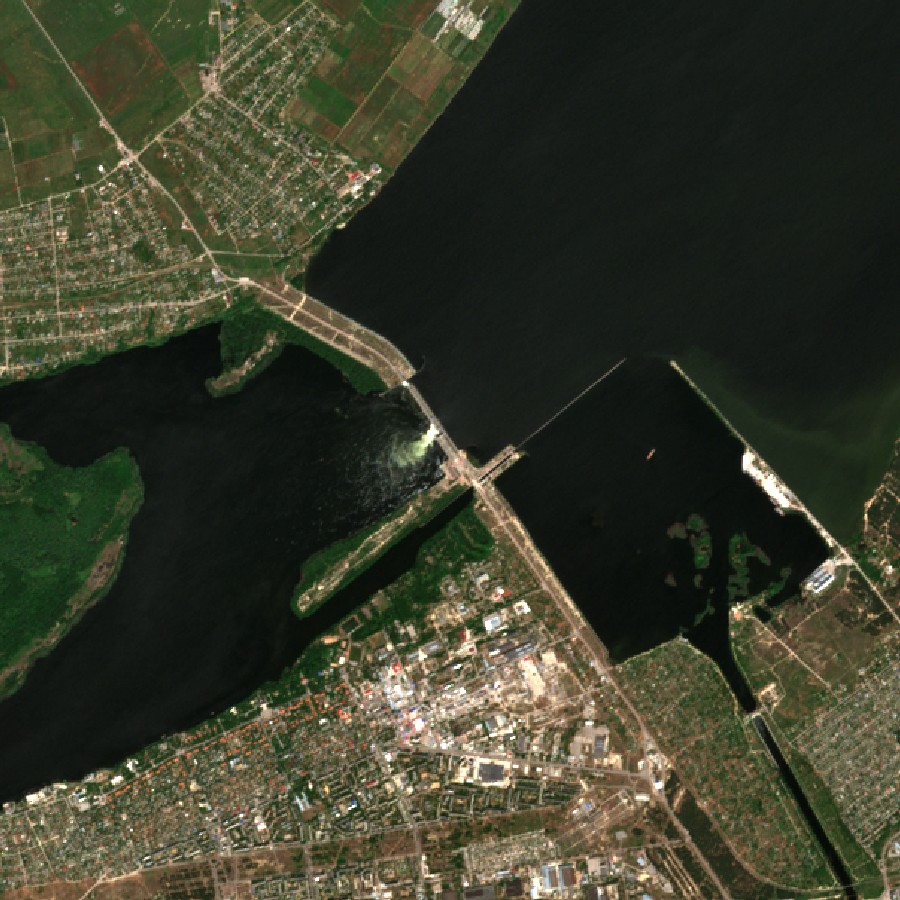
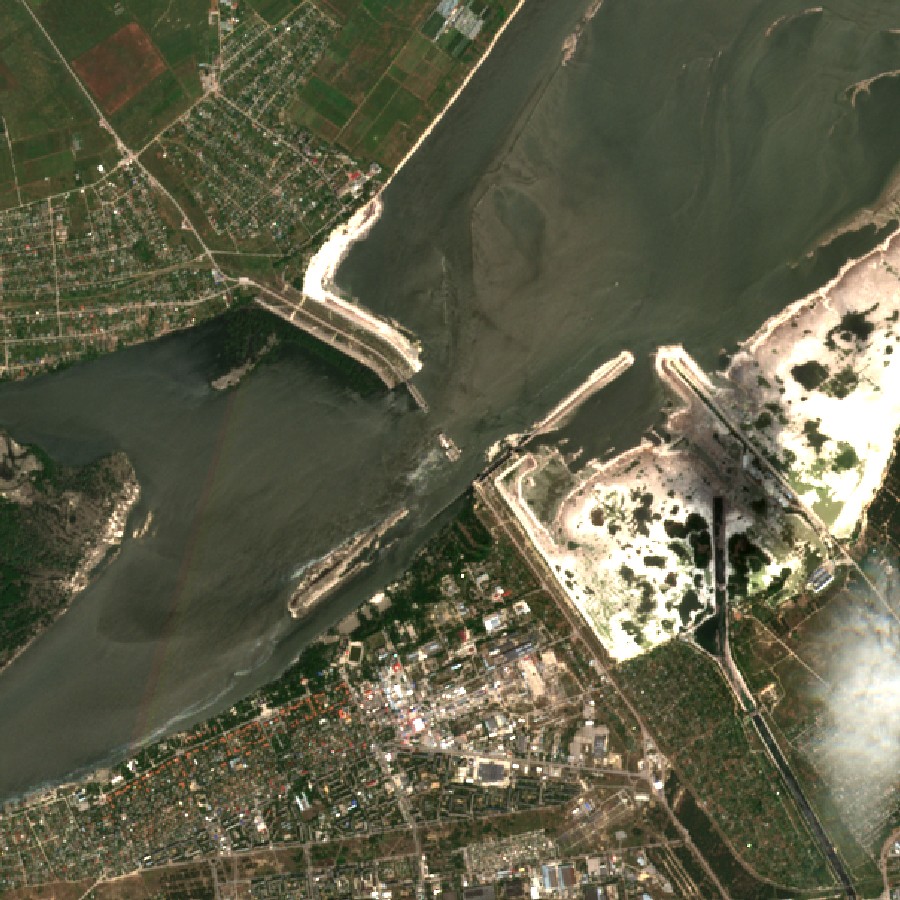
Before — 5 June 2023, the day before: the dam holds the Kakhovka reservoir (top, black water); the hydroelectric plant spans the river.
After — 18 June 2023: the central section of the dam is gone; the water level behind it has dropped and pale, exposed bed appears at right.
A UNOSAT (7 Jun 2023, imagery of 6 Jun 08:07 UTC): damaged dam wall; within an 80 km² area around the dam, 346 structures damaged or potentially affected and 7 harbours damaged — preliminary, not validated in the field. UNOSAT map ↗
Contains modified Copernicus Sentinel data 2023, processed by the Ukraine Evidence Hub · scenes S2A_36TWS_20230605_0_L2A and S2A_36TWS_20230618_0_L2A · 10 m per pixel · Oleshky: a town starved under occupation
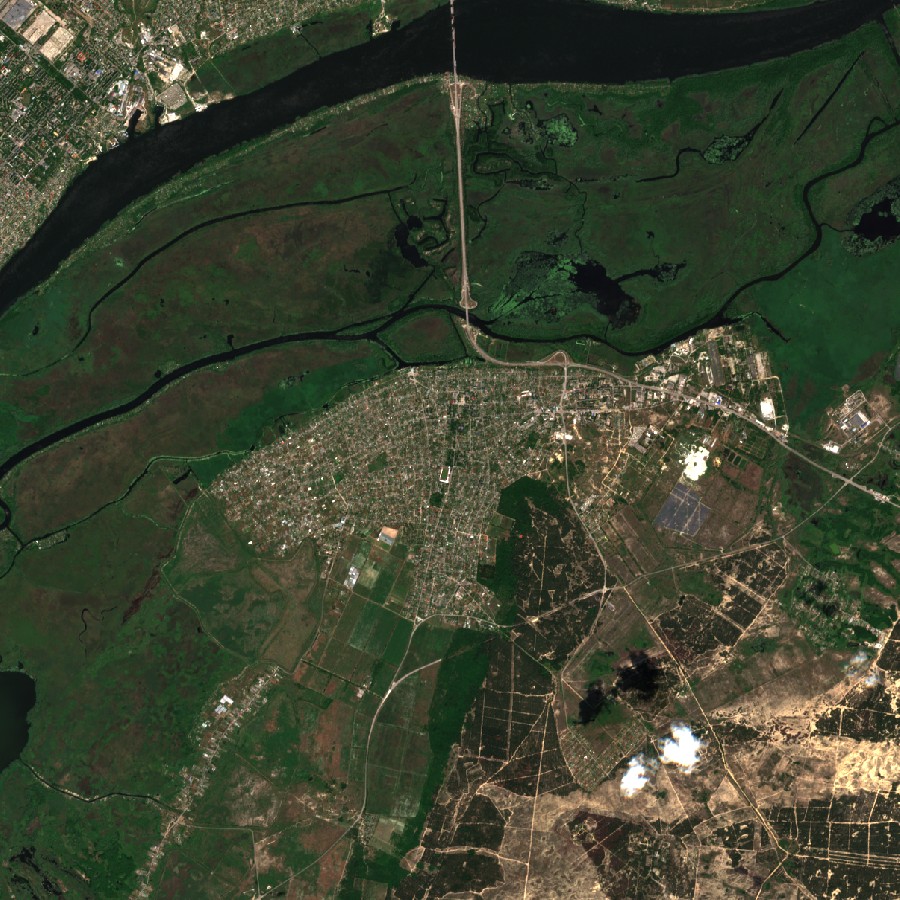
Before — 3 June 2023: green floodplain forests and wetlands between the Dnipro and Oleshky (centre).
After — 18 June 2023, twelve days after the dam was destroyed: most water has receded and the floodplain around the town has turned from green to brown. Cloud-free images from 6–10 June are not available.
A UNOSAT (9 Jun 2023): about 620 km² flooded in Kherson region between 6 and 9 June; about 110,000 people living close to flooded areas — preliminary. UNOSAT map ↗
Contains modified Copernicus Sentinel data 2023, processed by the Ukraine Evidence Hub · scenes S2B_36TVS_20230603_0_L2A and S2A_36TVS_20230618_0_L2A · 10 m per pixel · Oleshky: a town starved under occupation
- Kyiv CHP-5 (case file, 14 Oct 2026) — No cloud-free Sentinel-2 image of Kyiv since the strike of 13–14 October; the latest clear image is from 5 October. Checked again in every run.
- Darnytsia CHP, Kyiv (case file, 14 Oct 2026) — Same: the image of 15 October is fully clouded.
- Trypilska thermal power plant (case file, 14 Oct 2026) — Same: no cloud-free image since 14 October.
- Damage assessment around the Nova Kakhovka dam ↗ · 7 Jun 2023
- Cumulative satellite-detected waters and impact, Kherson region, 6–9 June 2023 ↗ · 9 Jun 2023
- Damage assessment overview map — Kharkiv (imagery of 15 June 2022) ↗ · 25 Nov 2022
- Damage assessment overview map — Volnovakha (imagery of 26 April, 3 and 7 May 2022) ↗ · 18 Oct 2022
- Damage assessment overview map — Melitopol (imagery of 2 August 2022) ↗ · 11 Nov 2022
- Damage assessment overview map — Bucha (imagery of 31 March 2022) ↗ · 5 Apr 2022
- Damage assessment overview map — Livoberezhnyi and Zhovtnevyi districts, Mariupol ↗
- Kryvyi Rih · 19 Oct: detection on 20 Oct 2026, 23:37 UTC, 3.33 km from the town point, confidence nominal — not linked to the strike: too far or at the wrong time.
VIIRS sees fires of roughly 0.1 ha and larger through clear sky at the moment of the satellite pass; most strikes on homes leave no detection. A detection is supporting context, never proof. Data: NASA FIRMS, open.
Checked 21 Oct 2026: the Vantor (formerly Maxar) Open Data Program has no event folder for Ukraine (latest: Bordeaux wildfire, Colombia and Indonesia earthquakes, DRC Ebola). Its sub-metre images (CC BY-NC 4.0, allowed on this site since 21 Oct 2026) will be added if an activation covers Ukraine.
The ask
Close the supply routes. Every Russian missile and drone on this page flies on foreign electronics. List the goods for high-risk due diligence, ban their re-export to Russia, Belarus and the DPRK, and sanction the intermediaries.
Show the record, not only the numbers. Use these images in statements, briefings and reports, with the credit line.
Protect the people in them. Do not crop out the blur, and do not repost images of children or prisoners of war.
Have evidence?
If you have photographs, video, documents or testimony of a crime committed by Russia in Ukraine, send it where it can be used in court. This site does not collect evidence and cannot protect witnesses or keep the chain of custody — the bodies below can.
Online form, photos and video, a mobile app. Material is used in Ukrainian courts and shared with the International Criminal Court; personal details are kept confidential.
Encrypted portal for information on crimes under the Rome Statute; protects the identity of the person who submits.
Takes first-hand accounts from survivors, relatives and witnesses — on both parties to the conflict. Questions and other ways to submit: [email protected].
The state portal for reporting a child deported, forcibly transferred or missing, and for a consultation.
Report captivity, disappearance, deportation, forced mobilisation in occupied territory or a death. Hotline 1648 (24 hours); from abroad +38 044 287 81 65.
Claims for damage, loss or injury caused by Russia's aggression are filed in digital form through the Diia portal; the Register records them for a future compensation mechanism.
Keep the original file. Do not edit, crop, filter or re-save it; messengers strip the date and place — send the file itself, not a screenshot.
Write down what you know. Date, time, place, what you saw, who else was there.
Do not post it first. Publishing can endanger witnesses and help the attacker; send it to the bodies above.
Your safety first. Do not film air defence or the positions of the defence forces.
We publish only what official bodies and recognised organisations have already published. If you see an error on this site, or a published source we have missed, write to [email protected]. Please do not send us original evidence.
The ask
Point people to these channels. Diplomats, journalists and organisations who receive material from witnesses can forward this page.
Map & data
One map for the whole war: where the front runs and how it moved since 24 February 2022, where Russian strikes land, what Russia claims and what the UN has found. The front line is a background layer from independent open-source maps, shown with a delay of at least 48 hours; this page never shows Ukrainian positions, units or movements.
Front line from 8 Jul 2024: © DeepStateMap.live, occupied territory as of (via the daily open mirror github.com/cyterat/deepstate-map-data). 24 Feb 2022 – 7 Jul 2024: VIINA territorial control (University of Michigan, ODbL; majority vote of DeepStateMap, Wikipedia maps and news reports, settlement level — approximate). Borders: Natural Earth. Base map: © OpenStreetMap contributors, © CARTO. Areas are derived by the Hub (Tier C); the line is an independent estimate, not a statement of the Hub or of any government.
Week on the front · 17–23 Oct 2026
Bottom line
Russia kept attacking along the whole line — 165 to 270 clashes a day — and its Chief of General Staff claimed 1,800 km² and 92 settlements. Independent analysts confirmed little of it: from 17 to 22 October ISW reported three Russian advances, north of Kostiantynivka, south of Orikhiv and south of Dobropillia, and called several of the claims false. What did not stop were the strikes on towns behind the line.
C 22 October. The General Staff reported 165 combat clashes over the day. ISW confirmed no Russian advance on any direction that day and did not confirm Russia's claim to Myrivka: the village lies about 16 km beyond the furthest Russian advance it has assessed. ISW counts a net Russian loss of 241 km² since 1 September. ISW/CTP, 22 Oct 2026 ↗ · General Staff via DSnews, 23 Oct 2026 ↗
C 21 October. ISW reported that Russian forces had recently advanced south of Dobropillia, but judged significant gains there unlikely despite infiltration attempts in fog and rain. It called the Ministry of Defence claims to Chervonyi Yar and Yulivka (Zaporizhzhia region) "blatantly false" — both lie about 17 km beyond the front line it assessed — and saw no Russian advance in the Sumy region, east of Lyman or near Velykyi Burluk. ISW/CTP, 21 Oct 2026 ↗
C Two Russian advances in six days. ISW recorded no confirmed Russian gains on 15, 16, 18 and 19 October; on 17 October it reported that Russian forces had recently advanced north of Kostiantynivka, and on 20 October that they had advanced south of Orikhiv. ISW counts a net Russian loss of about 122 km² since 1 September. ISW/CTP, 17 Oct 2026 ↗ · ISW/CTP, 19 Oct 2026 ↗ · ISW/CTP, 20 Oct 2026 (via Kyiv Post) ↗
C The map agrees. On the DeepState map the occupied area changed by +26 km² in seven days and +9 km² in 30 days (derived by the Hub). Over the past year Russia gained about 1,937 km² — 1.7% of what it already held. DeepStateMap.live polygons, derived by the Hub ↗
B Pressure without result. The General Staff reported 204 combat clashes on 18 October, 206 on 19 October and 269 on 20 October; the Kostiantynivka and Pokrovsk directions were among the most attacked. General Staff via h.ua, 19–20 Oct 2026 ↗ · General Staff via LB.ua, 20 Oct 2026 ↗ · General Staff via Ukrmedia, 21 Oct 2026 ↗
Russia says What Russia said. On 16 October General Gerasimov claimed 1,800 km² and 92 settlements, Russian troops 5 km from Zaporizhzhia city and the capture of Kostiantynivka. ISW called the claims to Kovalivka and Palamarivka (Kupiansk) false, found no evidence that Russian forces had consolidated in Dobropillia, and measured at least 20.95 km to Zaporizhzhia city. On 19 and 20 October the Ministry of Defence claimed Omelnyk and Tymoshivka (Zaporizhzhia region); ISW assessed the flag-raising in Omelnyk as an infiltration mission likely meant to support the claim. ISW/CTP, 17 Oct 2026 ↗ · ISW/CTP, 19 Oct 2026 ↗ · Russian Ministry of Defence via Channel One, 20 Oct 2026 ↗
B Civilians on the line. On 19 October a drone on the central park of Nova Vodolaha (Kharkiv region) killed 6 people, two of them girls aged 1 and 11 (Case file). On 20 October three strikes on Kramatorsk killed 4 people, three of them heat-supply workers preparing the city's network for winter, and a house in Kherson was shelled, injuring a woman and three children. Overnight into 21 October drones killed two elderly residents of Korotych near Kharkiv and two people in a Kyiv high-rise. In occupied Oleshky, about 2,000 people remain without food, power or water, with no agreed evacuation. Case file → Kharkiv regional military administration, 20 Oct 2026 ↗ · Donetsk regional military administration via Glavnoe, 20 Oct 2026 ↗ · Kherson city military administration via Life.Kyiv, 20 Oct 2026 ↗ · Kyiv city military administration via Suspilne, 21 Oct 2026 ↗ · Mezha, 8 Oct 2026 ↗
| Direction | This week | What the record shows | Source |
|---|---|---|---|
| Pokrovsk – Dobropillia | Heaviest assaults | Among the most attacked directions every day. A Russian flag-raising in Dobropillia was an infiltration; ISW has not observed evidence that Russian forces consolidated positions in the town. | C ISW/CTP, 18 Oct 2026 ↗ · ISW/CTP, 19 Oct 2026 ↗ |
| Kostiantynivka | Contested | The only confirmed Russian advance of the week, north of the city (ISW, 17 Oct). Gerasimov claimed the city on 16 October; ISW and Ukrainian sources say it is not fully seized. No confirmed advance on 18–19 October. | C ISW/CTP, 17 Oct 2026 ↗ · ISW/CTP, 19 Oct 2026 ↗ |
| Lyman | Ukrainian counter-attacks | No confirmed Russian advance; ISW reported Ukrainian gains in the Lyman area on 19 October and a slowing Russian offensive pace. | C ISW/CTP, 15 Oct 2026 ↗ · ISW/CTP, 19 Oct 2026 ↗ |
| Kupiansk – Oskil | No Russian gains | Russian claims to Kovalivka and Palamarivka assessed as false; no Russian advance on 17–19 October. | C ISW/CTP, 17 Oct 2026 ↗ · ISW/CTP, 19 Oct 2026 ↗ |
| Sumy – Kharkiv border | No Russian gains | No Russian advance; the claim to Velykyi Burluk not observed, and the claimed seizure of Kolodiazne refuted by the Ukrainian side. | C ISW/CTP, 18 Oct 2026 ↗ · ISW/CTP, 19 Oct 2026 ↗ |
| Huliaipole – Zaporizhzhia | Contested | ISW reported a Russian advance south of Orikhiv on 20 October. Russian claims to Omelnyk (19 Oct) and Tymoshivka (20 Oct) not confirmed; ISW measured Russian forces at least 20.95 km from Zaporizhzhia city, against the 5 km claimed by Gerasimov. | C ISW/CTP, 17 Oct 2026 ↗ · ISW/CTP, 19 Oct 2026 ↗ · ISW/CTP, 20 Oct 2026 (via Kyiv Post) ↗ |
| Kherson – Dnipro | River line | No ground activity reported on 17–19 October. Shelling and drone attacks on civilians on the right bank continue — a pattern the UN Commission found to be a crime against humanity. | C ISW/CTP, 17 Oct 2026 ↗ · ISW/CTP, 19 Oct 2026 ↗ |
Russia claims · the record
Settlements Russia's Ministry of Defence said it captured, checked against the independent map and Ukrainian military statements. Of 19 claims since 1 October 2026, 0 are confirmed by the independent map at the time of review. A claim is marked contradicted only when an independent source or the Ukrainian military places the settlement outside Russian control.
| Settlement | Russia claimed | Status | The record |
|---|---|---|---|
| Myrivka Zaporizhzhia | Russian Ministry of Defence via Rossiyskaya Gazeta, 22 Oct 2026 ↗ | Contradicted by the record | Russia's Ministry of Defence said its "Vostok" group had taken the village. ISW did not confirm the claim: the village lies about 16 km beyond the furthest Russian advance it has assessed (ISW, 22 Oct). ISW/CTP, 22 Oct 2026 ↗ |
| Yulivka Zaporizhzhia | Russian Ministry of Defence via TASS (Mail.ru News), 21 Oct 2026 ↗ | Contradicted by the record | Russia's Ministry of Defence said its "Dnepr" group had taken the village, north-west of Orikhiv. ISW called the claim "blatantly false": the village lies about 17 km beyond the front line it assessed (ISW, 21 Oct). ISW/CTP, 21 Oct 2026 ↗ |
| Chervonyi Yar Zaporizhzhia | Russian Ministry of Defence via Vzglyad, 22 Oct 2026 ↗ | Contradicted by the record | Russia's Ministry of Defence said its "Vostok" group had taken the village, west of Huliaipole. ISW called the claim "blatantly false": the village lies about 17 km beyond the front line it assessed (ISW, 21 Oct). ISW/CTP, 21 Oct 2026 ↗ |
| Tymoshivka Zaporizhzhia | Russian Ministry of Defence via Channel One, 20 Oct 2026 ↗ | Contradicted by the record | ISW: the claim is exaggerated; Tymoshivka lies at least 12 km beyond the furthest Russian advance (ISW, 20 Oct). ISW/CTP, 20 Oct 2026 ↗ |
| Omelnyk Zaporizhzhia | Russian Ministry of Defence via Moscow 24, 19 Oct 2026 ↗ | Not confirmed | Russia's Ministry of Defence said units of its "Vostok" group had taken control of the village. ISW (19 Oct) assessed a Russian flag-raising in eastern Omelnyk as an infiltration mission, likely meant to support the claim, and did not confirm Russian control. ISW/CTP, 19 Oct 2026 ↗ |
| Lidyne Donetsk | ISW/CTP, 12 Oct 2026 ↗ | Contradicted by the record | ISW: no evidence; about 13.5 km beyond the furthest Russian advance. A Russian milblogger later conceded Ukrainian control (ISW, 15 Oct). ISW/CTP, 12 Oct 2026 ↗ · ISW/CTP, 15 Oct 2026 ↗ |
| Petrivka and Novotroitske Donetsk | ISW/CTP, 11 Oct 2026 ↗ | Contradicted by the record | ISW: the flag-raising video released as proof was AI-altered; Petrivka lies about 10 km beyond the front. ISW/CTP, 11 Oct 2026 ↗ |
| Mykilske Zaporizhzhia | ISW/CTP, 12 Oct 2026 ↗ | Contradicted by the record | ISW: about 18 km beyond the furthest Russian advance; no confirmed Russian advance near Huliaipole. ISW/CTP, 12 Oct 2026 ↗ |
| Samiilivka Dnipropetrovsk (per ISW) | ISW/CTP, 5 Oct 2026 ↗ | Contradicted by the record | ISW: no evidence of any Russian presence; about 16 km from the Russian line. ISW/CTP, 5 Oct 2026 ↗ |
| Kyianytsia Sumy | ISW/CTP, 9 Oct 2026 ↗ | Contradicted by the record | Ukraine's 8th Air Assault Corps says it holds the village. ISW/CTP, 9 Oct 2026 ↗ |
| Novoandriivka Zaporizhzhia | ISW/CTP, 16 Oct 2026 ↗ | Contradicted by the record | Claimed by Gerasimov; Ukraine's 17th Army Corps said on 15 October it controls the village. ISW/CTP, 15 Oct 2026 ↗ |
| Zaporizhzhia city "5 km away" Zaporizhzhia | ISW/CTP, 16 Oct 2026 ↗ | Contradicted by the record | ISW: Russian forces are at least 21 km from the city (11.6 km counting infiltration attempts). ISW/CTP, 16 Oct 2026 ↗ |
| Dobropillia Donetsk | ISW/CTP, 13 Oct 2026 ↗ · ISW/CTP, 16 Oct 2026 ↗ | Not confirmed | Encirclement claimed from 7 October, capture on 16 October. ISW observed only limited infiltration; the General Staff denied the capture. ISW/CTP, 16 Oct 2026 ↗ |
| Kostiantynivka Donetsk | ISW/CTP, 9 Oct 2026 ↗ | Contested | First claimed in July 2026, repeated 9 October. ISW: under 40% infiltrated; the DeepState map does not show the city as occupied. ISW/CTP, 9 Oct 2026 ↗ · DeepStateMap.live polygons, derived by the Hub ↗ |
| Nefedivka and Chorne Kharkiv | ISW/CTP, 15 Oct 2026 ↗ | Not confirmed | ISW: not confirmed; a Russian Northern Grouping source says Ukrainian forces remain in Nefedivka. ISW/CTP, 15 Oct 2026 ↗ |
| Palamarivka and Kovalivka Kharkiv | ISW/CTP, 16 Oct 2026 ↗ | Not confirmed | Claimed by Gerasimov. ISW: the nearest assessed Russian advance is more than 5 km away. ISW/CTP, 16 Oct 2026 ↗ |
| Riznykove and Kupyne Kharkiv | ISW/CTP, 11 Oct 2026 ↗ | Not confirmed | ISW: no Russian advance in northern Kharkiv on 10–11 October; Kupyne had already been claimed once, in August. ISW/CTP, 11 Oct 2026 ↗ |
| Nova Kozacha Kharkiv | ISW/CTP, 3 Oct 2026 ↗ | Not confirmed | ISW: not confirmed; a Russian source says only infiltration groups are present. ISW/CTP, 9 Oct 2026 ↗ |
| Vysoka Yaruha, Nesterne, Rublene Kharkiv | ISW/CTP, 1 Oct 2026 ↗ | Not confirmed | ISW: no evidence of the claimed advances. ISW/CTP, 1 Oct 2026 ↗ |
Distance from the front
Every strike in the current log is measured from the nearest ground Russia holds — the front line, occupied Crimea or the Russian border. Russia says it strikes military targets; the record shows where its missiles and drones land. Distances are derived by the Hub from the coordinates and rounded to 5 km.
| Strike | Killed / injured | Distance |
|---|
Civilians killed per month, 2026 A PDF
Table view
| Month | Killed | Injured | Note |
|---|---|---|---|
| Sep | 328 | 2,105 | |
| Aug | 372 | 2,349 | |
| Jul | 448 | 2,675 | revised |
| Jun | 293 | 1,990 | |
| May | 288 | 1,814 | derived |
| Apr | 238 | 1,404 | |
| Jan–Mar | 577 | 2,770 | aggregate |
Incident map · Oct 2026 B
Select a marker. Size = civilians killed; dashed rings = regions with emergency power outages on 8–9 Oct.
Strike log · nights with 100+ drones and missiles
PDFAir Force of Ukraine preliminary morning counts, 16 Sep – 21 Oct 2026. Missile counts have not been published consistently since August; where a package included ballistic or cruise missiles this is noted. 30 such nights or days since 16 September; September alone saw 3,177 jet-powered drones (Air Force, 29 Sep).
| Night / day | Launched | Intercepted or suppressed | Hits (locations) | Note |
|---|---|---|---|---|
| 23 Oct (day) | Strikes on Dnipro and Pidhorodne community; an FPV drone on Zaporizhzhia; a strike on a private house in Vilniansk; three FAB-250 aerial bombs on Kramatorsk | n/a | n/a | Kramatorsk, Donetsk region, 23 Oct: three FAB-250 aerial bombs hit a residential area during the day, 27 residential buildings damaged — 1 killed, 6 injured, incl. 3 children, girls aged 7 and 10 and a boy aged 1 (Donetsk regional prosecutor's office); Dnipro, 23 Oct: strikes during the day destroyed a private house and damaged critical infrastructure, an enterprise, private houses and cars; a body was recovered from the rubble of the destroyed house — 1 killed, 8 injured, all in hospital, as of 18:30 (Dnipropetrovsk regional military administration); Pidhorodne community, Dnipro district, 23 Oct: 3 injured, as of 18:30 (Dnipropetrovsk regional military administration); Zaporizhzhia, 23 Oct: an FPV drone strike — 2 injured, a woman and a man aged 55 (Zaporizhzhia regional military administration); Vilniansk, Zaporizhzhia region, 23 Oct: a strike partly destroyed a private house and damaged neighbouring buildings — 2 injured, women aged 44 and 63 (Zaporizhzhia regional military administration) |
| 22–23 Oct | 176 drones (92 jet-powered), from 18:00 on 22 Oct | 140 drones (68 jet-powered) | 19 | Debris at 13 locations; 10 drones still in the airspace at 08:00 (Air Force). Sumy, overnight: a massed drone attack, drones hit civilian infrastructure in three parts of the city and damaged residential buildings in Kovpakivskyi district — 2 injured, preliminary (Sumy regional military administration); Nikopol district, Dnipropetrovsk region, overnight: drones hit the district centre and the Marhanets, Chervonohryhorivka and Pokrov communities — 1 injured (Dnipropetrovsk regional military administration); Shakhtarske community, Dnipropetrovsk region, overnight: a drone attack — 1 injured (Dnipropetrovsk regional military administration); Rivne region, overnight and morning: drones hit energy facilities in the north of the region, power cut in parts of Sarny and Dubno districts — no casualties (Rivne regional military administration) |
| 22 Oct (day) | Strike on the market in Lozova; strike on a private house in Zaporizhzhia; a drone on a private house in Zhytomyr community; attacks on Izium district | n/a | n/a | Lozova, Kharkiv region, 22 Oct: a strike on the town market, a shop caught fire, an apartment building, private houses and cars damaged — 2 killed, women aged 50 and 60, 38 injured (Kharkiv regional military administration, State Emergency Service); Zaporizhzhia, 22 Oct: a strike hit a private house — 2 killed (Zaporizhzhia regional military administration); Zhytomyr community, Zhytomyr region, 22 Oct: a Shahed drone hit a private house — 9 injured, incl. 2 children (Zhytomyr regional military administration); Izium and Izium district, Kharkiv region, 22 Oct: Russian attacks, incl. on the Izium–Sloviansk highway — 5 injured, incl. a boy aged 13 (Kharkiv regional military administration) |
| 21–22 Oct | 210 drones (110 jet-powered) + Iskander-M, S-400, Zircon and Onyx missiles (number not given), from 18:00 on 21 Oct | 181 drones (87 jet-powered) | 32 | Debris at 8 locations; 10 drones still in the airspace at 09:00; main direction — Kyiv (Air Force). Kyiv, Dniprovskyi and Darnytskyi districts, about 22:10: on the evening of 21 Oct ballistic missiles hit a car-service building, private houses and a transport infrastructure facility, a gas station damaged — 6 injured, 4 of them in hospital (Kyiv mayor Vitali Klitschko); Kyiv, overnight: several waves of ballistic missiles from about 00:05 hit six districts: residential buildings and cars in Dniprovskyi, transport infrastructure in Darnytskyi, an ambulance station, ambulances and a monastery in Pecherskyi, non-residential buildings in Obolonskyi and Holosiivskyi, a restaurant complex in Sviatoshynskyi; part of the metro infrastructure on the Pivdennyi bridge hit — 1 killed, a man (48), in Dniprovskyi district, 24 injured, 16 of them in hospital, as of the afternoon of 22 Oct (the morning count of 22 injured included 4 children); the count covers the strikes since the evening of 21 Oct (Kyiv city prosecutor's office, Kyiv city military administration); Lymanivka, Kharkiv region, 06:04: a Russian attack on the village — 1 killed, a woman (42), 4 injured, incl. boys aged 13 and 10 (Kharkiv regional military administration); Kharkiv, Slobidskyi and Osnovianskyi districts, overnight: a jet-powered drone hit private houses and an outbuilding caught fire; a shop, four cars and windows of an apartment building damaged — no casualties reported (Kharkiv mayor Ihor Terekhov; Kharkiv regional military administration); Kharkiv, Kholodnohirskyi district, about 06:47: a drone hit a truck parking lot, four trucks, a trailer and a car burned — no casualties reported (Kharkiv regional military administration); Kremenchuk, Poltava region, 02:27: a drone hit the building of a private TV and radio company, fire; at 06:16 an energy facility in Kremenchuk district hit — no casualties reported (Poltava regional military administration); Kropyvnytskyi district, Kirovohrad region, evening of 21 Oct: jet-powered drones hit warehouses, a large fire — no casualties, preliminary (Kirovohrad regional military administration); Odesa region, overnight: drones hit a food-industry enterprise, its administrative building burned down — no casualties (Odesa regional military administration); Zaporizhzhia, evening of 21 Oct and overnight: a strike on an infrastructure facility caused a fire; guided aerial bombs on the city overnight — 1 injured, preliminary (Zaporizhzhia regional military administration) |
| 21 Oct (day) | Drone strike on a civilian car near Komyshuvakha; guided aerial bombs and a drone on Sloviansk; a drone and a second strike on an enterprise in Chernihiv; aircraft, drones and artillery on Kherson region; strikes on Druzhkivka and Kramatorsk; drones on Sumy region | n/a | n/a | Komyshuvakha area, Zaporizhzhia region, 21 Oct: a drone hit a civilian car — 2 killed, a man (73) and a woman (71) (Zaporizhzhia regional military administration); Sloviansk, Donetsk region, during the day: guided aerial bombs and an FPV drone hit the city, six apartment buildings and a hotel damaged — 8 injured, incl. two boys aged 7 and 13 (Donetsk regional military administration); Chernihiv, morning and a few hours later: a jet-powered drone hit an enterprise, then a second strike — 1 killed, a man (61), and 1 injured, a man (54) (Chernihiv regional police); Kherson region, 21 Oct: aircraft, drones and artillery hit 38 settlements and the city of Kherson — 2 killed, incl. a man (63) in Biliivka who died of drone injuries, 4 injured (Kherson regional military administration); Druzhkivka and Kramatorsk, Donetsk region, 21 Oct: Russian attacks — 2 killed, one in each city (Donetsk regional military administration); Sumy region, 21 Oct: drone attacks on 26 settlements — 1 killed, 4 injured (Sumy regional military administration) |
| 20–21 Oct | 186 drones (88 jet-powered) + Iskander-K cruise missiles | 150 drones (63 jet-powered) | 27 | Debris at 13 locations; 10 drones still in the airspace at 08:30 (Air Force). Kyiv, Sviatoshynskyi district, early morning: a drone hit a 24-storey residential building, fire on the 20th floor — 2 killed, 2 injured (Kyiv city military administration); Korotych, Kharkiv region, overnight: a drone attack on the residential sector — 2 killed, an 81-year-old woman and an 83-year-old man; 13 houses and a car damaged, 11 people treated for acute stress incl. a 2-month-old baby (Kharkiv regional military administration); Kremenchuk, Poltava region, late evening of 20 Oct: a drone hit a university building — 2 injured, incl. a 16-year-old girl (Poltava regional military administration); Kyiv, Solomianskyi district, overnight: a fire at a transport facility after a drone attack — no casualties reported (Kyiv mayor Vitali Klitschko); Uman, Cherkasy region, overnight: drones hit a hypermarket and a private house, fires — 1 injured (Cherkasy regional military administration); Zhovkva community, Lviv region, overnight: a drone hit an enterprise, fire — 2 injured, both workers (Lviv regional military administration); Volyn region (Kovel, Lutsk, Kolky), evening of 20 Oct and overnight: drones hit enterprises, critical and energy infrastructure, more than 5,000 subscribers in Lutsk district without power — no casualties (Volyn regional military administration); Odesa region, overnight: drones damaged energy facilities and a food-industry enterprise — no casualties reported (Odesa regional military administration) |
| 20 Oct (day) | Strikes on Kramatorsk; missile strike on Kharkiv; drones on Kyiv; shelling of Kherson; strikes in Zaporizhzhia region | n/a | n/a | Kramatorsk, Donetsk region, during the day: three strikes — 4 killed, three of them heat-supply workers, 6 injured (Donetsk regional military administration); Kharkiv, Novobavarskyi district, daytime: a missile strike on a private residential area — 9 injured, homes and an enterprise damaged (Kharkiv mayor Ihor Terekhov); Kyiv, Holosiivskyi district, daytime: drone debris hit the upper floors of a medical facility — 3 injured (Kyiv city military administration); Kyiv, Solomianskyi district, daytime: a drone hit the top floor of a medical facility — no casualties (Kyiv mayor Vitali Klitschko); Kherson, Korabelnyi district, afternoon: a house shelled — 4 injured, a woman and three children (Kherson city military administration); Zaporizhzhia, daytime: a strike hit a warehouse building — 3 injured (Zaporizhzhia regional military administration); Zaporizhzhia, evening: an FPV drone hit the roof of a municipal bus — 1 injured (Zaporizhzhia regional police); Balabyne, Zaporizhzhia region: a strike damaged a private house — 1 killed, a man (47) (Zaporizhzhia regional police) |
| 19–20 Oct | 165 drones (105 jet-powered) | 115 drones (73 jet-powered) | 30 | Debris at 13 locations; 20 drones still in the airspace at 08:15 (Air Force). Obukhiv district, Kyiv region: an enterprise hit on the evening of 19 Oct, 3 killed, 6 injured (State Emergency Service, Kyiv regional military administration); Izium: 5 injured (State Emergency Service); Chabany, Kyiv region, morning: 3 killed, 4 injured (State Emergency Service); Dnipro suburb: warehouses hit, 2 killed (regional administration) |
| 19 Oct (day) | Geran-3 attack drone on Nova Vodolaha; Banderol missile on Kryvyi Rih | n/a | n/a | Nova Vodolaha (Kharkiv region), about 16:30: a drone on the central park — 6 killed, two of them children, girls aged 1 and 11; 15 injured, seven of them children (Kharkiv regional military administration, updated 20 Oct) → Nova Vodolaha, Kharkiv region, 19 Oct 2026. Kryvyi Rih, morning: 2 killed, 7 injured incl. a boy (15) (Dnipropetrovsk regional military administration) |
| 18–19 Oct | 269 drones (59 jet-powered) + Iskander-M/S-400 ballistic and Iskander-K cruise missiles | 243 drones (43 jet-powered) + 4 Iskander-K | 25 | Debris at 8 locations; attack still under way at 09:00 (Air Force). Kyiv: 1 killed, 8 injured (city military administration); Irpin: a woman killed, 17 injured incl. 8 children (Kyiv regional military administration, as of 11:00; Irpin city council); Dnipro: 1 injured (regional administration) |
| 17–18 Oct | 180 drones (26 jet-powered) + 1 Iskander-M ballistic missile | 152 drones (16 jet-powered) | 20 | Debris at 4 locations; about 10 drones still in the airspace at 08:00 (Air Force). Zaporizhzhia: 1 killed, 2 injured incl. a girl (6); Dnipropetrovsk region: 3 injured (regional administrations) |
| 17 Oct (day) | 157 drones (25 jet-powered) + 6 S-8000 Banderol missiles | 140 drones (22 jet-powered) + all 6 missiles | n/a | Daytime wave, 07:30–19:30; about 30 more drones in the airspace at 22:00 (Air Force); Sloviansk, Donetsk region, 03:40 and about 09:20: FAB-250 glide bombs hit apartment blocks and private houses — 9 killed, 12 injured, all bodies recovered after a five-day search (Sloviansk city military administration, 21 Oct) |
| 16–17 Oct | 332 drones (31 jet-powered) + Iskander-M/KN-23 ballistic, Kh-22/32 and 4 Kalibr cruise missiles | 289 drones + 4 Kalibr; no ballistic missile reported intercepted | 22 | More than 15 power facilities attacked (President); Vinnytsia left without electricity, main water station without power; outages in Lutsk, Rivne, Zhytomyr → Vinnytsia, Lutsk, Rivne, Zhytomyr, 16–17 Oct 2026. Over the day 7 killed, about 90 injured in eight regions (regional administrations) |
| 15–16 Oct | 149 drones (108 jet-powered) | 114 drones (77 jet-powered) | 24 | Volyn region: 370,000 without electricity; an enterprise in Manevychi hit, 1 killed, 8 injured. Over the day at least 4 killed (Kherson region 2, Kramatorsk 1, Manevychi 1) and at least 52 injured in 11 regions (regional administrations) |
| 14–15 Oct | 580 drones + 2 Kh-59 | 536 drones | 31 | Part of 850+ drones in 33 hours (President). Over 14–15 Oct at least 17 killed in six regions, incl. Lutsk 6 (14 Oct, daytime) and Kropyvnytskyi 3; 67 injured → Lutsk, Kropyvnytskyi and beyond, 14–15 Oct 2026 |
| 13–14 Oct | 39 ballistic (Iskander-M, KN-23, S-400, Zircon/Oniks) + 128 drones | 4 missiles + 115 drones | 22 | All three Kyiv CHPs; 600,000 without power → Kyiv, 14 Oct 2026 |
| 12–13 Oct | 5 ballistic + 9 Banderol + 108 drones | 88 drones | 17 | Kyiv: 2 killed; Lozova 1 |
| 11–12 Oct | 121 drones + 1 Kh-59 | 89 | 15 | |
| 9–10 Oct | 160 drones (110 jet-powered) | n/a | 14 | Zaporizhzhia glide bombs the same night → Zaporizhzhia, 10 Oct 2026 |
| 8–9 Oct | 136 drones (93 jet-powered) | 114 | 8 | |
| 7–8 Oct | 142 drones (82 jet-powered) | 126 | 7 | Kyiv energy facility hit by day; blackout |
| 6–7 Oct | 48 cruise + ballistic + anti-ship (~70 missiles) + 130 drones | 39 cruise + 5 ballistic + 117 drones | 18 | Pryluky, Kremenchuk, Oleksandriia, Kyiv → Pryluky, 7 Oct 2026 |
| 4–5 Oct | 205 drones (49 jet-powered) | 172 | 13 | Kharkiv glide bombs by day → Kharkiv, 2–12 Oct 2026 |
| 2–3 Oct | 157 drones | 131 | 12 | Mykolaiv port: Iskander-M |
| 1–2 Oct | 108 drones (47 jet-powered) | 88 | 11 | Kyiv Southern Bridge hit five times |
| 30 Sep (day) | 285 drones (174 jet-powered) | 254 | — | Daytime wave after the night strike |
| 29–30 Sep | 188 drones + Zircon/Oniks + Iskander-M/S-400 | 155 drones + 5 missiles | 18 | Largest energy strike since April; Trypilska TPP |
| 28–29 Sep | 152 drones + 3 missiles | 106 drones + 3 missiles | 24 | |
| 26–27 Sep | 170 drones (76 jet-powered) | 147 | 18 | Kharkiv glide bombs: 22 injured incl. 6 children |
| 25–26 Sep | 173 drones | 134 | — | Zaporizhzhia: 2 killed |
| 25 Sep (day) | 162 drones | 127 | — | Kyiv: 7 killed incl. 2 children (with the night wave) |
| 24–25 Sep | 295 drones | 267 | 16 | |
| 23–24 Sep | 282 drones + Zircon, Iskander-M, S-400, KN-23 | 219 drones + 4 Zircon + 3 ballistic + 1 Banderol | 13 | Kyiv maternity hospital damaged; 2 killed |
| 22–23 Sep | 161 drones + Banderols | 119 + 3 | 18 | |
| 21–22 Sep | 212 drones + 4 Kalibr + 8 Banderol + Oniks + ballistic | 186 | 22 | Dnipro Interpipe plant: 4 killed; Naftogaz facility destroyed |
| 19–20 Sep | 138 drones | 101 | 17 | |
| 16–17 Sep | 157 drones + ballistic + 4 Kalibr + Oniks | 124 drones + 7 Banderol; 0 ballistic | 36 | Kyiv water supply cut on the left bank; 20 injured |
Sources: Air Force of Ukraine daily summaries as relayed by Ukrinform, Kyiv Independent, Censor.net, RBC-Ukraine, UNN, Hromadske, ISW (16 Sep – 16 Oct 2026). Preliminary figures; not a Tier A series.
Open data, feeds and widgets
Everything on this site is also available as files that update with every publication (CC BY 4.0 — attribute "Ukraine Evidence Hub" and the original source named in each record).
strikes.json · strikes.csv — the strike log
losses.json — Russian losses, assets, facilities, economy
sanctions_docs.json · sanctions/index.json — legal acts and registers
un-record.json — UN statements
beyond.json — Beyond Ukraine
updates.json — the update log, six languages
hub.json — every figure on the site in one file
feed.xml — all updates
feed-cases.xml — case files only
feed-un.xml — UN record
feed-cost.xml — the cost of the war
calendar.ics — the Calendar page as a feed: meetings, reports, deadlines
Latest strikes, the key figures or a case file as a small frame on your own page. Preview ↗
<iframe src="https://ukraine-evidence.org/widget.html?type=strikes" width="100%" height="360" style="border:0" loading="lazy" title="Ukraine Evidence Hub"></iframe>type = strikes · kpis · cases · cost · calendar; add &lang=fr for another language
Live preview — this is what the frame looks like on another site:
Occupation, 2014 → now
- Crimea occupiedRussia seizes Crimea and stages a "referendum". On 27 March the General Assembly affirms Ukraine's territorial integrity and calls on states not to recognise any change of status — 100 in favour, 11 against, 58 abstentions (resolution 68/262). A GA/11493 ↗
- Parts of Donetsk and Luhansk seizedRussian-controlled forces take parts of the two regions; the occupation line holds with fighting until 2022. Context
- Full-scale invasionOn 2 March the General Assembly deplores Russia's aggression "in the strongest terms" and demands full withdrawal — 141 in favour, 5 against, 35 abstentions (ES-11/1). A GA/12407 ↗
- Four regions "annexed"On 12 October the General Assembly condemns the "attempted illegal annexation" of Donetsk, Kherson, Luhansk and Zaporizhzhia regions — 143 in favour, 5 against, 35 abstentions (ES-11/4). A GA/12458 ↗
- Withdraw "immediately, completely and unconditionally"General Assembly resolution ES-11/6 — 141 in favour, 7 against, 32 abstentions. A GA/12492 ↗
- From 109,361 to 117,112 km²Over 27 months Russia added about 7,751 km² — 1.3% of Ukraine — at the cost of continuous assaults (derived from DeepState snapshots). C DeepStateMap.live polygons, derived by the Hub ↗
- "Realities on the ground"At the General Assembly Ambassador Nebenzia says the status of the annexed regions is "not subject to discussion" and demands recognition of the situation on the ground. The General Assembly's position (ES-11/4) is unchanged. Russia says Russian Mission to the UN, 1 Sep 2026 ↗
Legal qualification
Established — by bodies with a mandate
Aggression and annexation. The General Assembly deplored Russia's aggression and demanded its withdrawal (ES-11/1), and condemned the "attempted illegal annexation" of four regions (ES-11/4). GA/12458 ↗
Killing of prisoners. The Commission of Inquiry found a Russian policy of killing surrendering soldiers — a war crime (A/HRC/58/67). A/HRC/58/67 ↗
Crimes against humanity. Torture and enforced disappearance in occupied territory (A/HRC/58/67); murder and forcible transfer by drone attacks on civilians in Kherson, Dnipropetrovsk and Mykolaiv regions (A/80/497); deportation and forcible transfer of children (A/HRC/61/61). A/80/497 ↗ · A/HRC/61/61 ↗
Pattern — what the record shows repeatedly
Strikes far from the front. Many of the deadliest strikes in the 2026 log hit cities far behind the line, where no Russian ground force is in contact (see "Distance from the front", derived).
Claims ahead of diplomacy. Russia announces captures that independent maps do not show — 0 of 16 confirmed since 1 October; the Dobropillia "encirclement" was first announced during UN General Assembly high-level week (22 Sep). ISW/CTP daily assessments ↗
Occupation as a system. Passportization, conscription of protected persons, property seizure and the ban on the Ukrainian curriculum recur in every UN report on the occupied territories since 2022. A/HRC/62/59 ↗
Position — Ukraine's qualification
Ukraine qualifies the occupation as a continuing act of aggression and the forcible transfer of Ukrainian children as genocide under Article II(e) of the Genocide Convention. These are Ukraine's legal positions, not findings of a UN body.
What we do not know
- The front line is an independent estimate. The DeepState polygons show territory assessed as occupied; contested "grey zones" are not shown, and a settlement outside the polygon is not necessarily under Ukrainian control.
- The 2014–2022 line in Donetsk and Luhansk regions and the March 2022 maximum extent of the occupation are not drawn: we have no open, attributable dataset for them yet.
- Distance is measured to the nearest Russian-held ground. Missiles and drones are often launched from much farther away — from Russian territory, Crimea or the Black Sea.
- Strike coordinates are approximate (city or district level). Casualty figures are preliminary Ukrainian figures (Tier B) until OHCHR verifies them.
- A claim marked "not confirmed" may be confirmed later; statuses are reviewed weekly. OCHA's October figures and the IAEA's October updates on Zaporizhzhia were not yet available at review.
What we ask
Do not recognise "realities on the ground". Reaffirm General Assembly resolution ES-11/4 in national statements; no change of status by force, no matter how much territory is held.
Do not repeat claims that the record does not support. Russian announcements of captured towns are not facts until an independent source confirms them. Use this table before citing them.
Open the occupied territories to the UN. Press for unimpeded access for HRMMU, the Commission of Inquiry and the ICRC to occupied areas and to prisoners of war — and for an ICRC-mediated evacuation of Oleshky.
Protect the cities behind the line. Air defence and sanctions on the supply chains of glide bombs, drones and missiles: the deadliest strikes land far from the front.
Rules for this page: front-line data only after an independent source has published it and at least 48 hours have passed; no Ukrainian positions, units or movements; Russian claims always labelled as claims; every figure with source, date and tier (A — UN-mandated bodies, B — Ukrainian authorities, C — independent researchers). Report an error: Corrections.
Accountability
What exists already: six ICC arrest warrants, unit designations by the US, UK and EU, convictions in absentia in Ukrainian courts. Click a node in the chain for the evidentiary link and the status.
Select a node. Each node: office, holder, link to the strike, warrants or sanctions.
| ICC warrant | Date | Conduct |
|---|---|---|
| Vladimir Putin | 17 Mar 2023 | Unlawful deportation and transfer of children |
| Maria Lvova-Belova | 17 Mar 2023 | Same |
| Lt Gen Sergei Kobylash | 5 Mar 2024 | Attacks on civilian objects, CAH — strikes on electricity infrastructure, Oct 2022 – Mar 2023 |
| Adm Viktor Sokolov | 5 Mar 2024 | Same (Black Sea Fleet) |
| Sergei Shoigu | 24 Jun 2024 | Same (Minister of Defence at the time) |
| Gen Valery Gerasimov | 24 Jun 2024 | Same (Chief of the General Staff) |
| Bucha units | Designation / status |
|---|---|
| 234th Guards Air Assault Regiment (Pskov); 76th Division | US State Dept, 28 Jun 2022; commander identified (NYT, Dec 2022) |
| 64th Separate Motor Rifle Brigade (Khabarovsk) | US, 28 Jun 2022; UK sanctions on commander; "Guards" title from Putin, 18 Apr 2022 |
| Nine servicemen, Bucha | Convicted in absentia, Irpin City Court, Aug 2023 (11–12 years) |
| Maxim Grigoriev (author of the Bucha denial) | EU sanctions 2026; Canada SEMA Aug 2024 — state propaganda |
What we ask
No amnesty for war crimes in any settlement · cooperation with the ICC and the Special Tribunal for the Crime of Aggression · renewal of the Commission of Inquiry mandate and funding for HRMMU · support for the Register of Damage and the International Claims Commission.
What happened next
The question asked most often: "and then what?" One row per major incident — the UN finding, the national proceeding, the international step. Empty cells are honest: they show where accountability has not yet reached.
| Incident | UN finding A | Ukrainian proceedings B | International step |
|---|---|---|---|
| Bucha, Mar 2022 | OHCHR: 73 civilians killed, documented by name (7 Dec 2022); COI: war crimes (A/77/533) | 9 servicemen convicted in absentia (Irpin, Aug 2023); 72 murders solved (National Police) | US designation of 234th Regt and 64th Bde (28 Jun 2022); GA res. ES-11/3 |
| Kramatorsk station, 8 Apr 2022 | OHCHR: 61 killed incl. 7 children; indiscriminate attack | Proceedings under art. 438 CCU; Tochka-U unit identified | Cited in COI report A/77/533 |
| Olenivka, 29 Jul 2022 | UN fact-finding mission established, denied access, disbanded Jan 2023; OHCHR: Russia's account not credible | Investigation open; survivors interviewed after exchanges | — (no on-site investigation to date) |
| Energy campaign, Oct 2022 – Mar 2023 | COI: war crimes and possible CAH (A/HRC/52/62) | Evidence shared with ICC OTP via JIT | ICC warrants: Kobylash, Sokolov (5 Mar 2024); Shoigu, Gerasimov (24 Jun 2024) |
| Children, since 2022 | COI: unlawful transfer, war crime (A/HRC/52/62) | Ombudsman register: 20,651 cases; 2,665 returned | ICC warrants: Putin, Lvova-Belova (17 Mar 2023); International Coalition for the Return of Ukrainian Children |
| Hroza, 5 Oct 2023 | HRMMU on site within 24 h: 59 killed, no military objective found | Two local informants charged with treason; Iskander unit identified | Raised at UNSC, Oct 2023 |
| Okhmatdyt, 8 Jul 2024 | OHCHR: high likelihood of a direct hit by a Kh-101 | Proceedings open; missile fragments documented | UNSC emergency meeting 9 Jul 2024 |
| Pryluky, 7 Oct 2026 | UN ASG Khiari, UNSC 9 Oct: "the deadliest attack… at least 19 people, including five children"; OHCHR verification pending | Proceedings opened under art. 438 CCU; evidence shared with ICC OTP | Security Council meeting 9 Oct 2026 (10237th) |
| Kramatorsk buses, 8 Oct 2026 | High Commissioner Türk, 8 Oct: direct attacks on civilians "could amount to war crimes"; ASG Khiari: "at least 33" | Proceedings under art. 438 CCU; weapon identified (UMPB D-30SN) | Security Council meeting 9 Oct 2026; Russia silent by name |
| Kyiv energy, 13–14 Oct 2026 | ICC warrants of 2024 cover the same conduct; COI statement 21 Sep 2026; ASG Khiari 9 Oct: "all attacks on energy infrastructure… must cease" | Proceedings; MoD target list preserved as evidence | — (no Council meeting yet) |
The named
Who has been named, by whom, and at what level of the ladder: an ICC warrant, a conviction (in absentia in Ukraine, or by a foreign court), a notice of suspicion, or sanctions only. Each row links to the document that names the person. Interpol issues no red notices for Russian servicemen (art. 3 of its Constitution), so the Ukrainian wanted database and the ICC are the only live lists. No photographs are reproduced here; the linked pages carry them.
| Person | Position | Level | Date | Conduct / act | Source |
|---|---|---|---|---|---|
| Vladimir Putin | President of the Russian Federation | ICC warrant | 17 Mar 2023 | Unlawful deportation and transfer of children (art. 8(2)(a)(vii), 8(2)(b)(viii)); command responsibility | ICC ↗ |
| Maria Lvova-Belova | Presidential Commissioner for Children's Rights | ICC warrant | 17 Mar 2023 | Same conduct | ICC ↗ |
| Sergei Kobylash | Lt Gen; Commander, Long-Range Aviation (2022–23), now Aerospace Forces | ICC warrant Suspicion · UA | 5 Mar 2024 · 10 Sep 2024 | Strikes on the electricity system Oct 2022 – Mar 2023 (war crimes, CAH); Ukraine: Okhmatdyt strike, 8 Jul 2024 (art. 438) | ICC ↗ · SBU/OPG ↗ |
| Viktor Sokolov | Admiral; Commander, Black Sea Fleet | ICC warrant Suspicion · UA | 5 Mar 2024 · 25 May 2023 | Same campaign (Kalibr strikes on energy); Ukraine: arts. 438, 437, 110 | ICC ↗ · SBU ↗ |
| Sergei Shoigu | Minister of Defence (to May 2024); Secretary of the Security Council | ICC warrant | 24 Jun 2024 | Strikes on the electricity system 10 Oct 2022 – 9 Mar 2023 | ICC ↗ |
| Valery Gerasimov | General; Chief of the General Staff | ICC warrant Wanted · UA | 24 Jun 2024 · since 5 Aug 2015 | Same campaign; Ukraine: art. 437 (Ilovaisk, 2014), on the wanted list | ICC ↗ · SBU ↗ |
| Alexander Lapin | Col Gen; Commander, Central Military District (2022); Leningrad MD | Convicted in absentia | Jun 2026 | Life imprisonment — arts. 110, 437: the offensive on Kyiv and the north, Feb–Mar 2022 | Court report ↗ |
| Andrei Bizyaev and eight servicemen | 64th Separate Motor Rifle Brigade (Khabarovsk) | Convicted in absentia | Aug 2023 | Irpin City Court: 11–12 years, art. 438 — Bucha and Kyiv region, Mar 2022 | JusticeInfo ↗ |
| Voislav Torden (Yan Petrovsky) | Commander, "Rusich" unit | Convicted · Finland | 14 Mar 2025 · 31 Aug 2026 | Helsinki District Court: life; Court of Appeal: 12.5 years for three counts of war crimes (Luhansk region, 2014) | Report ↗ · TRIAL UJIM ↗ |
| Senior seaman, 177th Marine Regiment, Caspian Flotilla | Guard, filtration camp, Melitopol | Extradited · Lithuania | 30 Oct 2025 | Vilnius court ordered detention; first extradition of a Russian serviceman to an EU state for war crimes in Ukraine | Report ↗ |
| Azatbek Omurbekov | Commander, 64th Separate Motor Rifle Brigade | Suspicion · UA | 1 Jul 2025 | Art. 438 — Bucha, Mar 2022; US and UK sanctions since 2022 | Report ↗ |
| Andrei Mordvichev | Lt Gen; Commander, 8th Army (Mariupol); now C-in-C Ground Forces | Suspicion · UA | 29 Sep 2022 | Arts. 110, 437 — siege of Mariupol | SBU ↗ |
| Nikolai Gostev | Lt Gen; Commander, 4th Air and Air Defence Army | Suspicion · UA | 28 Jul 2023 | Air strikes on Mariupol, incl. incendiary munitions | SBU ↗ |
| Platoon commander, 234th Air Assault Regiment (name withheld by OPG) | 76th Air Assault Division (Pskov) | Suspicion · UA | 31 Oct 2025 | Execution of 17 civilians, Bucha, Mar 2022 | OPG ↗ |
| 121 commanders | Long-Range Aviation, Navy, Missile and Artillery Forces | Sanctions · UA | 17 Apr 2026 | Decree 303/2026 — strikes on Okhmatdyt, Sumy, Chernihiv, Hroza, Ternopil, Kremenchuk; names in the annex | Decree ↗ |
| 173 individuals | Officials, "educators", military and church figures involved in deportation of children | Dossiers · HUR | 17 Aug 2026 | War & Sanctions portal: role, description, sources per person | HUR ↗ |
| Sergei Yevsyukov, Vyacheslav Yakurnov | Head and operations officer, Colony No. 120 (Olenivka) | Identified · NGO | 2022–26 | Olenivka, 29 Jul 2022 — identification by the Media Initiative for Human Rights; Ukrainian proceedings open C | MIHR ↗ |
| Igor Bagnyuk and 33 officers | Main Computing Centre of the General Staff — missile targeting | Identified · OSINT | 23 Oct 2022 | Bellingcat / The Insider / Der Spiegel identification C | Report ↗ |
ICC — the six warrants with the Chamber's decisions: icc-cpi.int ↗ A
Wanted database of the Ministry of Internal Affairs — cards with photo, date of birth, article of the Criminal Code; Russian servicemen under arts. 437–438 among them: wanted.mvs.gov.ua ↗ B
War & Sanctions (Defence Intelligence) — dossiers: child abductors, "war managers", "engineers of aggression", propagandists: war-sanctions.gur.gov.ua ↗ B
State sanctions register (NSDC) — every sanctioned person with decree number and term: drs.nsdc.gov.ua ↗ B
Prosecutor General — aggregate figures and case releases; no public register of suspects by name: war.gp.gov.ua ↗ B
Universal-jurisdiction cases — TRIAL International's UJIM database (Torden and others): ujim.trialinternational.org ↗ C
In: a person named in an ICC decision, a court judgment, a notice of suspicion published by the Prosecutor General or the SBU, a sanctions decree, or an official intelligence dossier. Each row carries the level and the link.
Out: Myrotvorets and similar anonymous lists (not a state resource; contains known errors), personal data of relatives, photographs — the linked official pages carry those under their own responsibility.
Interpol: no red notices for Russian servicemen since 2014 (art. 3 of the Interpol Constitution). Why ↗
Next: the 22 commanders convicted in absentia (Prosecutor General, Feb 2026) are not published as one list — requested; the annex to decree 303/2026 will be added as a searchable table.
Method
Source tiers
A UN-mandated bodies. OHCHR / Human Rights Monitoring Mission in Ukraine, the Independent International Commission of Inquiry, UNESCO, IAEA, WHO, UNHCR; ICC decisions. These are the figures the Secretariat cites and the only ones that cannot be dismissed as "Ukrainian numbers".
B Ukrainian authorities. Prosecutor General, National Police, Ombudsman, Air Force, State Emergency Service, regional administrations. Fuller and faster; always labelled as national data.
C Independent investigations. Maxar, NYT and AP visual investigations, Bellingcat, CIR, Yale HRL; sanctions listings.
Tiers are never merged in one figure. When a Tier A figure exists, it replaces Tier B on this site.
Legal qualification, three layers
Established found by a UN mechanism or court · Pattern the argument Ukraine makes from the documented pattern · Position Ukraine's qualification, pending international findings. Never presented as one.
Rules
- Every figure carries a source and a date; derived figures are marked "derived".
- No graphic images of the dead. Maps, numbers, satellite imagery, memorials, portraits with family consent.
- One idea per page, one figure per headline.
- Our own imprecisions are corrected publicly, in one sentence.
- Every item ends with an ask: what a Member State can do.
- When a UN body publishes a figure lower than ours, both are shown the same day, with their dates. No delay, no footnote.
- Every external source is linked and snapshotted to the Wayback Machine when first cited; the Sources page lists every link with its access date.
Update cycle
| Mass strike | Air Force summary at T+10 h → case card at T+24 h → FR/ES at T+48 h → OHCHR figures replace national ones when published |
| Monthly pulse | OHCHR Protection of Civilians update, 10th–16th of each month |
| Indicators | Weekly check; dated on the tile |
| Fact-checks | Per Russian document; 1–2 days; circulated to the SG when warranted |
Map outline schematic.
Photo and video
State Emergency Service (DSNS) and its regional directorates publish photo galleries and video from every major strike site within hours, under dsns.gov.ua ↗ and 24 regional sites (cn., dn., zp., kh., kyiv.dsns.gov.ua …). Their content is released under Creative Commons Attribution 4.0 — reusable with credit. Each case file carries one DSNS photo with the credit, the date and a link to the original post, and an "Official media" line to the full gallery and video.
Other official sources used for links (not yet for embedded images): National Police (weapon fragments, scene documentation), Air Force (launch and interception summaries), regional military administrations (casualty lists, damage surveys), Prosecutor General (proceedings), Office of the President. Satellite imagery is requested from Maxar News Bureau and shown only with its licence line.
What is never shown. No images of the dead or of identifiable injured people, no close-ups of body bags, no children's faces without consent; galleries that contain such images are linked, not embedded, and the link says so. Images are not cropped to alter meaning; the DSNS watermark stays.
Chain of custody. The file name encodes source, region, date and subject (photo-zaporizhzhia_2026-10-11_rubble.jpg); the original URL and a Wayback copy are in the sources register; the image is listed with its hash under Files and integrity.
The DSNS post that closes a search-and-rescue operation is the first final figure for a strike — killed, children, injured, rescued, responders, tonnes of debris. It arrives 24–48 h after the strike and precedes the regional administration summary and OHCHR verification. This site takes the DSNS closing figure as its Tier B number (Zaporizhzhia: 23 killed incl. 4 children, 11 Oct; Pryluky: 22 incl. 5 children, 8 Oct) and shows the earlier interim figure in the corrections log.
Reading a DSNS post. The interim count carries a time stamp ("as of 18:45"); the closing post says "search and rescue completed". Only the closing figure is used in headlines; interim figures are shown with their hour.
Video. DSNS posts embed video (YouTube/Facebook); it is linked from the "Official media" line, never re-hosted. A still is taken only when no photo is published.
What we do not know
Occupied territory. OHCHR has no access; the Commission of Inquiry works from released detainees and open sources. Civilian deaths in Mariupol (2022), in the occupied parts of Donetsk, Luhansk, Zaporizhzhia and Kherson regions, and in filtration are counted only where a name and two sources exist. The true figures are higher by an unknown margin; this site does not estimate them.
Prisoners and detainees. The number of civilians held by Russia is a minimum (16,000+ recorded); Russia publishes no lists and admits no ICRC access. Deaths in custody are known mainly from exchanges.
Children. 20,651 is the number of recorded cases with identifying data, not the number of children taken; estimates run far higher and are not used here.
Strike packages. Air Force launch and interception counts are preliminary morning figures; missile counts have not been published consistently since August 2026. The strike log is a lower bound.
Attribution below unit level. Which regiment, which crew: known in some cases (Bucha, Hroza), not in most. The chain of command on the Accountability page stops where the evidence stops.
Casualties in Russia. OHCHR records them (496 killed Jan–Sep 2026); this site cites that figure when Russia raises the subject and does not verify it independently.
Rule
Where we do not know, we say so on the page itself — not in a footnote. A reader who is told the limits of a figure will trust the figure.
Why the UN figure is lower
OHCHR counts only what it has verified: each civilian casualty is corroborated from at least two independent sources, or by the Monitoring Mission's own field visit. Casualties in occupied territory and in places under intense fighting — Mariupol in 2022, Bakhmut, Avdiivka — are largely absent from its tables. OHCHR says so in every update: the real figures are "considerably higher".
Ukrainian bodies count what they have recorded: the Prosecutor General registers every proceeding; the Ombudsman registers every reported child. These figures are fuller and faster, and they are the national record. They are not lower-quality — they measure something different.
So when a reader sees 16,431 (OHCHR) beside a larger Ukrainian number, both are right. This site shows the UN figure first because it is the one international bodies and most governments will repeat; the national figure is shown beside it, labelled, never merged.
Corrections log
Every change to a published figure or wording, with date and reason. Nothing is silently edited.
| Date | Was | Now | Why |
|---|---|---|---|
| 23 Oct 2026 | Oleshky: "Russia has not confirmed it will go ahead" with the evacuation | Russia did not confirm it for five months; on 23 Oct the Kremlin confirmed a US-brokered local ceasefire from 29 Oct | White House announcement and Kremlin confirmation, 23 Oct; case file, both fact-checks, their PDFs and the Home card updated |
| 23 Oct 2026 | Lozova, 22 Oct: 2 killed, 34 injured | 2 killed, 38 injured | Kharkiv regional military administration (O. Syniehubov), morning summary of 23 Oct; strike log and its PDF, map, timeline and Home status updated |
| 23 Oct 2026 | Dnipro district, 23 Oct (morning): 2 injured at an enterprise | Dnipro: 1 killed, 8 injured; Pidhorodne community: 3 injured | Dnipropetrovsk regional military administration, evening summary as of 18:30 on 23 Oct (1 killed and 11 injured in the region); strike log and its PDF, map, timeline and Home status updated |
| 22 Oct 2026 | Kyiv, 21–22 Oct: 1 killed, 22 injured, incl. 4 children (State Emergency Service, morning of 22 Oct) | 1 killed, a man (48), 24 injured, 16 of them in hospital | Kyiv city prosecutor's office and Kyiv city military administration, afternoon of 22 Oct; strike log and its PDF, map, timeline and Home status updated |
| 22 Oct 2026 | Kyiv, night of 21–22 Oct: 15 injured, incl. two 15-year-olds (Kyiv mayor, 06:05) | 1 killed, 22 injured, incl. 4 children | State Emergency Service summary, morning of 22 Oct, covering the strikes since the evening of 21 Oct; strike log, map, timeline and Home status updated |
| 21 Oct 2026 | Sloviansk, 17 Oct: 6 killed, 15 injured | 9 killed, 12 injured | Final toll from the Sloviansk city military administration (V. Liakh, 21 Oct, via Interfax-Ukraine): all bodies recovered after a five-day search; 12 injured in the air strike (earlier 15); map, timeline and strike log updated |
| 21 Oct 2026 | Only military targets (Nebenzia at the Security Council, 9 Oct 2026): quotations taken from the interpreted transcript — e.g. "Various provocations and staged incidents are used to this end", "A predictable response followed…" | Quotations from the English text published by the Russian Mission — "They're resorting to various provocations and hoaxes"; "…the Russian Armed Forces naturally responded by targeting Ukrainian defense and industrial facilities, as well as energy infrastructure used for military production and logistics" | The published text governs; the two checks of the same statement were merged into one and re-verified against primary sources (editorial decision, 21 Oct 2026) |
| 21 Oct 2026 | Only military targets: civilians killed in Ukraine in 2026 given as 2,222 (Jan–Aug); Pryluky "five children died", 22 killed; claim on the Arria-formula meeting of 14 Oct | 2,570 killed in Jan–Sep 2026 (HRMMU, 15 Oct 2026); Pryluky at least 19 killed incl. 5 children as reported to the Council on 9 Oct (UN), 22 according to Ukrainian authorities (B); the Arria claim is answered in "Blind spots that are not there" | Newer UN figure; UN and Ukrainian tolls shown side by side, never merged; no duplicate claims across fact-checks |
| 20 Oct 2026 | Executions of Ukrainian prisoners of war and persons hors de combat: 128 on Pattern: Prisoners and Blind spots that are not there, 14 Oct 2026 (after the change of 15:41, row below) and “at least 128” on Map & data | 129 everywhere | Restored to the OHCHR / HRMMU figure of 10 Aug 2026 (129 executions); Map & data (Occupation & law, KPI) aligned to the same figure; editorial decision, 20 Oct 2026, superseding the row below. Card, PDFs of Pattern: Prisoners and Blind spots that are not there, 14 Oct 2026 (six languages) updated |
| 20 Oct 2026 | Pattern: Prisoners and Blind spots that are not there, 14 Oct 2026: 129 Ukrainian prisoners of war executed after capture (OHCHR) | 128 | Aligned with the OHCHR figure used on Map & data (at least 128 executions of Ukrainian POWs and persons hors de combat since February 2022); editorial decision, 20 Oct 2026. The figure “124 of 129 released POWs” is the interview sample and is unchanged. Card, PDF of Pattern: Prisoners and Blind spots that are not there, 14 Oct 2026 (six languages) updated |
| 20 Oct 2026 | Nova Vodolaha, Kharkiv region, 19 Oct 2026, Nova Vodolaha (19 Oct): 6 killed, three of them children | 6 killed, two of them children (girls aged 1 and 11) | Kharkiv regional military administration (O. Syniehubov), updated toll, 20 Oct; the first report at 18:20 on 19 Oct named three children; card, Home, map, timeline, strike log and the one-pager PDF (v2) updated |
| 20 Oct 2026 | Obukhiv district, Kyiv region, evening of 19 Oct: 1 killed, 6 injured | 3 killed, 6 injured | State Emergency Service and Kyiv regional military administration (T. Tkachenko), morning of 20 Oct: updated toll; map, timeline and strike log updated |
| 21 Oct 2026 | Kyiv, Sviatoshynskyi district, early morning of 21 Oct: 2 killed, 1 injured | 2 killed, 2 injured | Updated toll from the Kyiv city military administration and Kyiv mayor Vitali Klitschko (two people hospitalised); strike log, map, timeline and strike log PDF updated |
| 21 Oct 2026 | Strike log: 29 nights or days with 100+ drones and missiles, 16 Sep – 20 Oct | 30, 16 Sep – 21 Oct | The night of 20–21 Oct (186 drones and Iskander-K missiles, Air Force) added to the count and to the strike log PDF |
| 21 Oct 2026 | Kremenchuk, Poltava region, late evening of 20 Oct: 1 injured | 2 injured, incl. a 16-year-old girl | Updated toll from the Poltava regional military administration |
| 20 Oct 2026 | Strike log: 28 nights or days with 100+ drones and missiles, 16 Sep – 19 Oct | 29, 16 Sep – 20 Oct | The night of 19–20 Oct (165 drones, Air Force) added to the count and to the strike log PDF |
| 19 Oct 2026 | Case files: 124 civilians killed in the incidents on the ten cards, 22 Sep – 17 Oct | 128, 22 Sep – 19 Oct | Nova Vodolaha, Kharkiv region, 19 Oct 2026 (Nova Vodolaha, 6 killed) added; Sumy, 26 Sep 2026 (Sumy, 2 killed) moved to the Archive |
| 19 Oct 2026 | Strike log: 27 nights or days with 100+ drones and missiles, 16 Sep – 18 Oct | 28, 16 Sep – 19 Oct | The night of 18–19 Oct (269 drones with ballistic and cruise missiles, Air Force) added to the count and to the strike log PDF |
| 19 Oct 2026 | Irpin, night of 18–19 Oct: 1 killed, 6 injured incl. 3 children, 3 missing | 1 killed, 17 injured incl. 8 children | Kyiv regional military administration (T. Tkachenko), as of 11:00 on 19 Oct: updated count; 84 objects damaged; no update on the missing; map, strike log and timeline updated |
| 19 Oct 2026 | Kyiv, evening and night of 18–19 Oct: 1 killed, 3 injured | 1 killed, 8 injured | Kyiv city military administration, morning of 19 Oct: updated toll after the overnight missile and drone attack; map, timeline and strike log updated |
| 19 Oct 2026 | Kyiv, evening of 18 Oct: 1 killed, 2 injured | 1 killed (a woman, 21), 3 injured | Kyiv mayor V. Klitschko, night of 18–19 Oct: a second missile strike damaged a metro station and a residential building in the Solomianskyi district; map and timeline updated |
| 18 Oct 2026 | St Petersburg and Leningrad region, night of 18 Oct (cost of the war): casualties in Leningrad region not recorded | Leningrad region: 10 injured, including 5 children; 7 in hospital | Leningrad region health committee via TASS (Vedomosti, 18 Oct); regional governor A. Drozdenko: a woman and three children poisoned by smoke from a fire caused by drone debris in Vsevolozhsk district |
| 18 Oct 2026 | Sumy, 17 Oct: 1 killed, 2 injured | 2 killed, 3 injured | Toll for the day from the Sumy regional police (morning of 18 Oct): a man (30) killed by a drone and a man (42) by guided bombs in the Sumy community; map and timeline updated |
| 18 Oct 2026 | St Petersburg, night of 18 Oct (cost of the war): 'no casualties reported by the city governor' | 1 killed, 5 injured; fires also at the Ruchyi oil depot and Kolpino warehouses; 12 apartment buildings and 2 houses damaged | Later statement by St Petersburg governor A. Beglov (Interfax, 09:30 Moscow time, 18 Oct); Leningrad region governor: 145 drones downed (earlier 126–127) |
| 18 Oct 2026 | Sloviansk, 17 Oct: 3 killed, 16 injured | 6 killed, 15 injured | Toll for the day of 17 Oct from the Sloviansk city military administration (V. Liakh), morning of 18 Oct: some victims were killed by FPV drones; bodies remain under the rubble; map and timeline updated |
| 18 Oct 2026 | Zaporizhzhia, 18 Oct: 1 killed, 1 injured | 1 killed, 2 injured incl. a girl (6) | Updated count from the Zaporizhzhia regional military administration (M. Semikin): two overnight strikes; map and timeline updated |
| 18 Oct 2026 | Nights or days with 100+ drones and missiles, 16 Sep – 17 Oct: 26 | 27 (16 Sep – 18 Oct) | Overnight wave of 17–18 Oct (180 drones and an Iskander-M ballistic missile, Air Force) added to the strike log; strike log PDF re-issued (v5) |
| 18 Oct 2026 | Poltava, 17 Oct: 1 killed, 2 injured | 1 killed, 4 injured | Updated count from the Poltava regional military administration (V. Diakivnych); map and timeline updated |
| 18 Oct 2026 | Nights or days with 100+ drones and missiles, 16 Sep – 17 Oct: 25 | 26 | Daytime wave of 17 Oct (157 drones and 6 Banderol missiles, Air Force) added to the strike log; strike log PDF re-issued (v4) |
| 17 Oct 2026 | Calendar: "36th meeting of the Ukraine Defense Contact Group (NATO HQ), 15 Oct 2026" | Entry removed | The source announced the meeting of 15 Oct 2025, not 2026; no UDCG meeting on 15 Oct 2026 has been announced or reported (2026 meetings: 12 Jan, 15 Apr, 18 Jun, September online) |
| 17 Oct 2026 | Sloviansk, 17 Oct: 1 killed, 10 injured | 3 killed, 16 injured | Injured in the 03:40 strike rose to 13 (as of 13:06); a second strike around 09:20 killed 2 and injured 3 (Sloviansk city military administration); map and timeline updated |
| 17 Oct 2026 | Kherson, 17 Oct: 1 killed, 22 injured | 1 killed, 37 injured in the city (Kherson region over the day: 1 killed, 40 injured incl. 3 children) | Kherson regional prosecutor's office, as of 17:30: 35 injured in the 04:00 aerial-bomb strike, an ambulance driver killed in a repeat strike on the same address, 2 injured by a drone; map and timeline updated |
| 16 Oct 2026 | Strike log, 15–16 Oct: "Over the day 3 killed (Kherson region 2, Kramatorsk 1)" | At least 4 killed (Kherson region 2, Kramatorsk 1, Manevychi 1) | Volyn regional administration reported 1 killed and 8 injured at an enterprise in Manevychi in the same overnight attack (16 Oct); site and strike log PDF updated |
| 16 Oct 2026 | Nights or days with 100+ drones and missiles, 16 Sep – 16 Oct: "at least 21" (site); strike log PDF: 22 to 14 Oct | 24 (every row of the strike log, 16 Sep – 16 Oct, incl. two daytime waves) | Recounted row by row from the strike log table; the earlier site figure under-counted rows, and the PDF had not been re-issued since 14 Oct (now v2) |
| 16 Oct 2026 | 17,257 civilians killed incl. 835 children, 53,693 injured (OHCHR, as of 31 Aug 2026); "+55% Jan–Aug 2026 vs 2025" | 17,605 killed, 55,846 injured (as of 30 Sep 2026); "+59% Jan–Sep 2026 vs 2025" (2,570 killed, 15,211 injured) | OHCHR September 2026 update (16 Oct) replaced the August figures on the home indicators and the pulse; the child total is not repeated until OHCHR states it in text |
| 15 Oct 2026 | Map: "Volyn region · 15 Oct", 6 killed (night of 14–15 Oct); "Lutsk · 14 Oct", 3 killed | "Lutsk · 14 Oct", 6 killed, 12 injured; the separate Volyn entry removed | The six deaths in Volyn were the 14 Oct daytime strike on a Lutsk market (Lutsk City Council; Volyn regional administration), already on the map with an early toll of 3 |
| 14 Oct 2026 | "509 civilians" (Bucha Wall of Remembrance, used in some speeches) | "residents of the Bucha community killed during the occupation" | The wall includes local defence volunteers, as its plaques state; the legal record (OHCHR: 73 by name) never relied on the memorial |
| 14 Oct 2026 | July 2026: 286 killed (preliminary) | 448 killed | OHCHR revision in the September update after verification of July incidents |
| 14 Oct 2026 | 16,431 civilians killed incl. 803 children (OHCHR, as of 30 Jun 2026); "+37% H1 2026 vs H1 2025" | 17,257 incl. 835 children (as of 31 Aug 2026); "+55% Jan–Aug 2026 vs 2025" | OHCHR August 2026 update (16 Sep) and USG DiCarlo's Security Council briefing of 23 Sep replaced the mid-year figures |
| 14 Oct 2026 | Zaporizhzhia, 10 Oct: "20 killed incl. 3 children; five-storey block" | 23 killed incl. 4 children, 32 injured incl. 3 children; entrance section of a three-storey block | SES Zaporizhzhia region final report of 11 Oct (search and rescue completed) replaces the 10 Oct interim count; map, card, brief and the derived weekly total (99 → 98) updated; PDF re-issued as v2 |
| 14 Oct 2026 | Pryluky: "19 killed" (UN briefing, 9 Oct) | 22 killed (SES final) | Both figures shown with their dates; the UN figure was given before rescue work ended |
| 14 Oct 2026 | Map period "Oct 2026", 7 entries | 16 Sep – 14 Oct 2026, 28 entries | Full sweep of the four-week window; earlier version under-counted strikes |
| 14 Oct 2026 | "130,000+ war-crime proceedings" (Prosecutor General) | 225,000+ war crimes of 256,000+ crimes linked to the aggression; 1,191 suspects, 856 indicted, 254 convicted | Figure replaced with the latest published OPG total (7 May 2026; ZMINA, UNN). Earlier figure was out of date |
| 14 Oct 2026 | Map period limited to Oct 2026 | 2022–2026 by year | Site update v0.4 |
Privacy
The site sets no cookies and stores no IP addresses or names. To improve the site we keep anonymous, aggregated usage statistics that cannot be linked to a person. These statistics are not public.
If you subscribe, we keep only your e-mail address, the optional organisation and role, and your choices — to send what you asked for. Unsubscribing deletes them.
Files and integrity
SHA-256 of every PDF published on this site. A file whose hash does not match was not published here — relevant for a resource that fact-checks forgeries.
| File | SHA-256 | Size |
|---|---|---|
| appendix_cf-03.pdf | 0758d77f70a83370d6d6492dfa69116b0220f1d458f66913888fab4e32b019ef | 1163 KB |
| appendix_cf-04.pdf | 3341c808d628a75cb1860e7a04cae06ad29483e300269d277da18e6054e37112 | 1056 KB |
| appendix_cf-05.pdf | 038c04fdcbe25830b27b16129733002fc2b3206aeae73be0cd2f6de7c7dc9273 | 780 KB |
| appendix_cf-06.pdf | cc3858f13f41a2cb5fafddf662d712a8491924d45216c636e8230b8d4b08866d | 98 KB |
| appendix_cf-07.pdf | 4bf3a164c66f9f3ae4317e1f29b5c0c4fc29221426b2f0c23838b195b25ad70c | 1007 KB |
| appendix_cf-08.pdf | 39a7c64ecc1615e334ba1c468af035904781837d56bc5b533a70f8de1a4d14f2 | 708 KB |
| appendix_cf-10.pdf | 6545b358d1401abdc91a3639316011533015da26648b892086696b565277812a | 116 KB |
| appendix_cf-13.pdf | 3ec0a1b5a8e569ed757d718e5ab03efb0e7be89a42dadfec966854e3e56e304c | 334 KB |
| appendix_cf-15.pdf | 430946fdbf0bfa2ed940d166c0e8f2c17b7099f7c9a43657adb8c2db8e7b36f5 | 459 KB |
| appendix_cf-21.pdf | 9ecf8c5569943ee89e1d85eca9cdc59373b12d0bc42a357a088381b1fa54345d | 661 KB |
| appendix_hist-children-deportation.pdf | 22a48e66a61e5b5a0d3d3cda9c330168d630a40b8b0982b0ad58bc08368d2200 | 275 KB |
| appendix_hist-dnipro-2023.pdf | 74c1308107bf71037d34b98b4a85cf7638bbb7c14155c4dda751a928712c1e34 | 1008 KB |
| appendix_hist-hroza.pdf | 91c9caed69042f8c8b76ed6ea0a33b83de4abf00d080e3539d5de0c5c81a38b8 | 920 KB |
| appendix_hist-izium.pdf | f69517d29b3fef21da6539046db07490c41930a83cd4948cc237d8fb2690c357 | 1116 KB |
| appendix_hist-kakhovka-dam.pdf | c285f0dcccebe3ba89759b6e15a16930a84ec7b4bd1b728b1fb9fefa8778d449 | 847 KB |
| appendix_hist-kherson-drones.pdf | 2be1532c151de44333ad5810c56dabe41d4ef041f297b3e124318d9e72f975ce | 575 KB |
| appendix_hist-kramatorsk-station.pdf | 96245736caea1a3ca8a097916bb812db0855fade3563c8710f53a50b184a2857 | 801 KB |
| appendix_hist-kremenchuk.pdf | 269668899cceb55ec39306bd6a04cd2205256a84e3955f73b50d794e433a76e8 | 525 KB |
| appendix_hist-kryvyi-rih-2025.pdf | 5083ee3c2f168681e72fae9fc6ad51fa4831aca8899351cf027ad97ac81c9a91 | 551 KB |
| appendix_hist-kryvyi-rih-mall-2026.pdf | 13b1c6b2977d6bb1b8d65fec9223c55e3880239f4d3bb0b2782d106d363bf1f1 | 431 KB |
| appendix_hist-kyiv-2-jul-2026.pdf | d84cf31387b19ea3878f9c3f7427273c6cd6943408d6780bd4d99e6369372f1e | 825 KB |
| appendix_hist-kyiv-20-aug-2026.pdf | a8c23ff204d40dd9efdbbf24136592d3acf78da9137eb9dc3417d88bfd606346 | 289 KB |
| appendix_hist-mariupol-theatre.pdf | 67a705ba2f5b96fb6f21334e675fb6275bb3abe8113430c1b4ffde58bbd081d4 | 742 KB |
| appendix_hist-mh17.pdf | a55b65e011bc785a16dc344c7a6b89007b6bc99ce5f396c4fcc9f5e65ddfce1e | 521 KB |
| appendix_hist-okhmatdyt.pdf | 480522fca9d3735e6d353894534f49936bdc98af7440c01f15bbe54127110aff | 1005 KB |
| appendix_hist-olenivka.pdf | 69020d43737f13d7718eefc62f4e6d2444a042b7adbd5ec8900bcc15f27282e2 | 626 KB |
| appendix_hist-pechenihy-2026.pdf | f5fc5d4086456206bd16ba2c19f3407c91c688fc761c147f65bb6f1589e86ea6 | 734 KB |
| appendix_hist-sumy-2025.pdf | b0b9705fe8c58a8d63a713323d8610c6a502d34558d2277f6ddc8c26377af9c6 | 1027 KB |
| appendix_hist-vinnytsia.pdf | 4da057ae76f5beaaf1ac3ea97f7388d835fba8c42f57952e4f2c8e43f00e0fa9 | 958 KB |
| appendix_hist-yahidne.pdf | 866d897fc8f00d71be2ec728b016258135e158f6fcb1a596be4092050cb93fb3 | 1068 KB |
| beyond-apt28-spd-czechia-2024.pdf | 9e2e27ef55fcd328f3b52e6586114c97a996fc248e26e34e3fde3b006c2a55ed | 98 KB |
| beyond-belarus-border-crisis-poland-lithuania-latvia-2021.pdf | dfd538b051c7361eab31ad4bc7b8c68b093090f6ba47caaac0ea277a9ed7608b | 100 KB |
| beyond-bulgaria-arms-depot-explosions.pdf | a5e961db750876ef2f2f21a97e3b957aa15824530a01139c69f4f3c8b8b58056 | 95 KB |
| beyond-bulgarian-spy-ring-uk-2020-2023.pdf | 058828749ed0213895976df6c02b82bb967958c8f084964c709ea454f0cd97af | 91 KB |
| beyond-bundestag-hack-2015.pdf | d4dbeae7ef3c6a44702301241d9edac9b4a4bd6eb90a4d3cae8161f4eb442b00 | 90 KB |
| beyond-car-gold-sanctions.pdf | 0a503d88b3da6aff4a8689465af0c6f0b17220ea4ef237604fa9a631bb5f70e9 | 95 KB |
| beyond-car-panel-of-experts-2021.pdf | d044b7ae9d5423c66218f1cd46aa86ab7f0306f7c776d8fbb1c761938f207b18 | 95 KB |
| beyond-car-un-experts-2021.pdf | fccddb9b0efc5b030cd97992bdaee3b3a023537bccfcd3e08d789210472fb626 | 88 KB |
| beyond-denmark-mydefence-espionage-charges-2026-10.pdf | bfd50b278bcace59880ab779d9cfad828f1aee0deb5c670416ccbb22a4ea2f01 | 89 KB |
| beyond-dhl-dpd-incendiary-parcels-2024.pdf | 53c2bafbcaa05e9706f582493cbd244a4244c1d2281782ea797e82fe8de8d136 | 91 KB |
| beyond-estonia-cyberattacks-2007.pdf | 99c5c04921cdb49bc0156649bf5a3b9ddbd3c46b1b96ae6ed91743f7eefe47fd | 92 KB |
| beyond-estonia-interior-minister-car-attack-2023.pdf | 5fe38910727e6253d412d207038ce96400aeb91da41cfcdbd27ad065398cb115 | 90 KB |
| beyond-estonia-mig31-airspace-2025-09.pdf | ff2da39091cc5bd87f5a0cb347cab361dc0a308f1e3efd4b46ba0ff5faf37ded | 92 KB |
| beyond-estonia-milrem-arson-2026.pdf | 7b6579ac28d02ca58b09b52ffe981a568a13a2b406a061900347186446a92b9b | 93 KB |
| beyond-estonia-narva-buoys-removed-2024-05.pdf | 45204985647123f8e774eddbe3c07f1f94c71c7a56e7cbe271e8eecbb9100a06 | 91 KB |
| beyond-estonia-slava-ukraini-restaurant-arson-2025.pdf | f26e7007e4d24b9b260a6aecc8193c5dc5b9b3e7d5ae5cdf473092405955366f | 90 KB |
| beyond-estonia-vasknarva-russian-border-guards-2025-12.pdf | 8b3cdc2366fc8901c9e8471dcb63a609bd045b4bb59888e03cc0e79f1f82bf2b | 92 KB |
| beyond-eu-wagner-sanctions.pdf | 2e05f8e018908584d59a0d36028d4754e6d7a9e190c04010b55bfe6d92f71b3b | 91 KB |
| beyond-finland-eastern-border-closure-2023-11.pdf | b56da91e40e590f9b30f9631dfd9ef5adfe15facebb35b8ec1f4e72a8c0b570d | 95 KB |
| beyond-france-apt28-attribution-2025.pdf | 16ceb48341fe81a0ee1bcae214850597dca233cca80d385b1cf01307a9345a14 | 90 KB |
| beyond-frankfurt-ukrainian-veteran-plot-2024.pdf | 5ef4e1258342e94e9a8c12ac6d0febbb267dbf2e08c841cde969d310ff1c7cae | 94 KB |
| beyond-gebrev-sofia-2015.pdf | 5cf69dc02b7d256b34fa1d13f9063833383f115d023b185f94b308bc355616f1 | 89 KB |
| beyond-germany-dfs-cyberattack-2024.pdf | c0e2f0baafa71a67a252142d6feb1bacc916746529be0ef949fac578cf151d36 | 90 KB |
| beyond-germany-dieter-s-sabotage-plot-2024.pdf | 5dd3bb82b77fd86717398c38125167e00b8ee0f08761bc78548c5c52c45043f1 | 91 KB |
| beyond-germany-leipzig-airport-explosive-drone-2026.pdf | 75d27a77dcc77f89593e14c93a1292b726477fee1c39281aa48027cf68e6722d | 97 KB |
| beyond-germany-novapost-gps-parcel-plot-2025.pdf | 2aa1eb7de57c79ae7545f52b7c28b0f140824bee2d33b923f1e027667bafe9da | 91 KB |
| beyond-germany-storm1516-election-2025.pdf | 7cbd1c943b2701a7ee68118d07ca8f126d989b07e7cf6c53ee421d73fe20c26b | 90 KB |
| beyond-gnss-interference-icao-2025.pdf | e2d9bd70e656118a77212d5699bbb976d9649e96cdd81f3b6da6c2dec436a18f | 94 KB |
| beyond-israilov-vienna-2009.pdf | 9850408b3eec28f136787fd0e8f2c0216ff63e782827316280ec0e779106f581 | 87 KB |
| beyond-khangoshvili-berlin-2019.pdf | eb116efb1358123144be88a2a365a2f28863c3e4389bb05b2fe0317166b5f343 | 87 KB |
| beyond-latvia-belarus-migration-surge-2026-08.pdf | ec3b0b38ca113a7e219116c4676f2b616bfa0b7e7b23e13757dd9164f15d3ef6 | 98 KB |
| beyond-latvia-belarus-military-migrants-evidence-2026-01.pdf | 1659ce68d50b87b6da5323c888bf36cf940ba057ab50b0c269fcbaa301765ee9 | 92 KB |
| beyond-libya-wagner-panel-2021.pdf | 2de21e64eb3d5839497df137adf5f562f6f1275f7030feacb801838c250420c3 | 94 KB |
| beyond-lithuania-belarus-balloons-emergency-2025-12.pdf | 3557ef738dada39e1585298c83659533b5aa438035b1754976269871ecd6e19d | 97 KB |
| beyond-lithuania-ikea-vilnius-arson-2024.pdf | 98ded78bb881fdd56caa20c2c9d3fcb0188f6f9314fa0cc19b2962a33024c9dd | 93 KB |
| beyond-litvinenko-london-2006.pdf | 119a2e990ac04ecffd04b6ebd900f7e26296843a3b9b7ea610714d054ded1334 | 84 KB |
| beyond-mali-africa-corps-2025.pdf | 3a34b8c1cefe022a026ae820d8a875a2353dd1536f8f1c8c4981d88606125de5 | 95 KB |
| beyond-mali-moura-2022.pdf | b4bcfa0b3bb4211f612e0400e5cf88a65797fb510cbe4c8b0abc985c656d1d70 | 91 KB |
| beyond-mali-wagner-sanctions-2023.pdf | a3728bd45e5b949b43cb87d97545b50c133ccd3522ff4fc39765a2ae3cb6776b | 94 KB |
| beyond-mh17-2014.pdf | 54b5e830f38159be2731b02a02af748706b794e7c32e05dbae7f637ce6dee144 | 91 KB |
| beyond-moldova-colonita-girbovat-drones-2026-09.pdf | 7bf900bff9d1fde8dfab34b863b7ad2df3a1226c44793ccb62b6429c4622b815 | 107 KB |
| beyond-moldova-copanca-geran2-2026-07.pdf | 319791732d3eef02962bbe8c228af74e1b36bb01ef14bc5a80f789783acacc0e | 104 KB |
| beyond-moldova-crocmaz-drone-2026-08.pdf | 40669152898974deda27ef9731bd6605a9b6ebc2c4632bc879118c18e77b7b7b | 100 KB |
| beyond-moldova-drone-missile-incursions-2026-10.pdf | 85d8b488dfaa00ba34d49c0fc2803cde43a1237a380c54758c28f778af752fa4 | 109 KB |
| beyond-moldova-parliamentary-2025.pdf | ad72a24d26bddc32392f674c93212b98bacf13135c9ae42b07e32ba728f4431b | 86 KB |
| beyond-moldova-vote-buying-2024.pdf | a4a6d101523dd23e0b5002e97d2076a2dc088119d34b57bda4c7318dad3a8d0a | 89 KB |
| beyond-notpetya-2017.pdf | 5d32256f5fb099ccd1f66a04266e184606c19baa40d93f5fba1e15e7f0390a40 | 97 KB |
| beyond-olympic-destroyer-2018.pdf | 7e1e917189616d94ece3860a54b7e0297663c846a2e9fb7486103c5a4144b581 | 91 KB |
| beyond-opcw-hague-gru-2018.pdf | 86cda831eea349f992c16b99e738fe537992210cd94983ffcaee4d429ea3d96b | 98 KB |
| beyond-overview.pdf | 8dba0d7937076a3d2f6dbbc6f62325a0140ceed51487944bdc13db4f7384620a | 100 KB |
| beyond-poland-asylum-suspension-belarus-2025-03.pdf | ff43fa8cd013869b1629bdf1f5ea423375a4b332bf329ae1d3ee54f57dcbdcd0 | 100 KB |
| beyond-poland-drone-incursion-2025-09.pdf | f0d4ab92d3e3779fe98e0021b4bfaee4cb474f3e7f929a2b5f64be63364b56e6 | 96 KB |
| beyond-poland-marywilska-fire-2024.pdf | 4467b244cc311b126115147875fba9c63f06e86cf0f70251e7bdfdbd345adbab | 91 KB |
| beyond-poland-railway-sabotage-mika-2025.pdf | bf03b0e62c860ebfd4d65d9fec9fdc7ae385bfdac3054dfe0876141a308e938a | 96 KB |
| beyond-poland-spy-ring-rail-derailment-plot-2023.pdf | 6eae08c20c32335e8ac97284867fad35a144470afc5bfd418511baca2e105ee4 | 92 KB |
| beyond-poland-starlink-arson-wola-krobowska-2026-09.pdf | 3383ed2d1e85820ccf1c304b318530a215134399135265ce56b1c17169418e8a | 107 KB |
| beyond-putin-wagner-state-funding.pdf | 28fdad76dc80da5f89356d71e8a55c483cff879c69ac371cd15e183ca5230a55 | 97 KB |
| beyond-romania-drone-incursion-2025-09.pdf | 028ffd2d39526595307574020f71e76becc5277340b6ef9e67c1649d18a1c46f | 89 KB |
| beyond-romania-election-annulment-2024.pdf | 52e3b0f1d0a6ca91a8963a60fc9cb8e334bd447414331faf86c93b003c3b0285 | 92 KB |
| beyond-romania-f16-drone-shootdowns-2026-07.pdf | 6d2f12fa8e60866b1478564a746bc9f8675a60af35686bc58cf5c09320b80347 | 108 KB |
| beyond-romania-galati-drone-2026-05.pdf | 67cb065d8f820708879587519a83e8db467947e94996b214b2be15cf7f1bfecb | 106 KB |
| beyond-signal-account-hijacking-russia-2026.pdf | 7787d8db8072b252ece39956c847fd138babd03a71e1a9f1de2940b6d5fa1b79 | 104 KB |
| beyond-skripal-salisbury-2018.pdf | c3f04194efe5052269b10e1af06f4dc047a943d57823a3a51a5a1d396b777f9f | 88 KB |
| beyond-sturgess-amesbury-2018.pdf | 8b84ea192acb52828fce49a92479b5c1c969001622ac51255ce4b8ba817dbc89 | 91 KB |
| beyond-sudan-m-invest-gold.pdf | afebf233ba9abc8ca50504c6f776d4561ce49d9ffcb97aa7da2dce7b1bc32149 | 93 KB |
| beyond-syria-homs-2017.pdf | 9ce2d5e4662ebd7aa82a4e2d433737dad13b57898e0583c08bc62fd771b8801f | 95 KB |
| beyond-tartu-gps-jamming-2024.pdf | e7faa3bf0a11ce866c9242b38e03027b278a3b7a3844401f10377822abd5b0e4 | 91 KB |
| beyond-uk-cammidge-gru-volunteer-corps-charge-2026-09.pdf | 44c9a978a482d4631bdae86b07f0c46551f181ad1be9a6ca4096f9b70fb82e71 | 99 KB |
| beyond-uk-leyton-warehouse-arson-2024.pdf | ab99b031dcfc6203068e0f655c7d26925c70575dcf1975cc06a27d256f4e4f2d | 92 KB |
| beyond-uk-wagner-proscription-africa-corps.pdf | ebc4ff17d6c29d8d340749e037e90ce88e380294c9ac88996c6d22e3fc4c319d | 94 KB |
| beyond-us-sdny-russian-intelligence-murder-for-hire-network-2026-09.pdf | 50dfe8b0b6cd884e4e2cb9c374044e0753984a5e66466109387b96e86a85b595 | 97 KB |
| beyond-us-wagner-tco-2023.pdf | a2d81902015c7ef284f59c3e6258d337d9360e042aa3b459db13ea9e976998ac | 93 KB |
| beyond-viasat-ka-sat-2022.pdf | 14ca9011e52f322a5158ca992004e10ca36cac875c6cfe89d008ced9b3e5d31a | 90 KB |
| beyond-vrbetice-ammunition-depots-2014.pdf | a9889dc5f8904ba12b8130b6c765885f1e5649a1be5235c7e81fd99ce4e5d992 | 94 KB |
| beyond-warsaw-plot-us-ukrainian-2026.pdf | 0e9efe72482f086dccdfce243fff6fe0e143f3c8710ebe83125cd6d834986901 | 97 KB |
| beyond-yamadayev-dubai-2009.pdf | c209a7de84706fcd4688f3a78c94eaf2ce961f04676d5cb1e293a7aa878f7a17 | 92 KB |
| beyond-yandarbiyev-doha-2004.pdf | 30cf350013d06ad146a6159b3303ee5be2b229ff23c27e5e1d51278a8fb08a18 | 92 KB |
| beyond-zelensky-rzeszow-plot-2024.pdf | a36bdd05292f510cd1a1203241614cb1a3e1bfbb020ca99e370d027d9fa3b13b | 91 KB |
| brief-2026-10-14.pdf | d22a6d9e6c7d8b10bd2b7851db4ec12123ca77da6af2d2d7617617da4e55b4d4 | 88 KB |
| bucha-maxar.jpg | d856908bf1a0bbfe9627e021d2e720ccb75322c20339fa311b0ca248746d8f49 | 172 KB |
| bucha-wall.jpg | f15a4c3f8f646197dfcd4889c4ab0663f4167a4889947a402cb4110a6c56ca5d | 103 KB |
| casefile-01-bucha.pdf | 4fe925ae39df43b6536ca6c637e29b2a95a0c0fe9616198a32f3074a5fe32cbb | 647 KB |
| casefile-03-pryluky.pdf | eda5efb1ea01e2872fd3028bfd90a8bf6d985a8c013b299fa7e37d7d373b7f14 | 2160 KB |
| casefile-04-kramatorsk.pdf | 34590b95eb13005f77dcf0114eb8d8eaf6ece06da35c8ecd59df855a86db0be6 | 2149 KB |
| casefile-05-zaporizhzhia.pdf | ec1d9efe0fe785a41eeadbf2eb5cea1c8b11d4bfed4e46ce4582a6d090c1f5e9 | 1819 KB |
| casefile-06-kyiv-energy.pdf | 8f85facd78237c044abd437b45995ce8e16998b1bc961d632371551e04e16d60 | 865 KB |
| casefile-07-kharkiv.pdf | b03fff591da54cc440c89666ab48199d484fa8531e9bc357048c536351bac2b3 | 1950 KB |
| casefile-08-drone-waves.pdf | f98fb0988aff541e914777d9abe06eacf1e2bc1ad97aa620442de679f3aa668f | 1609 KB |
| casefile-09-kyiv-sep.pdf | 546cec8f49123493934381bb8f8c71f4f8c7fd68025584de51f325b729aa8757 | 413 KB |
| casefile-10-dnipro.pdf | 53b4a38a8254e8b9678db871b2782033988e50ec9adc65f01c57f197d0d1fcb4 | 928 KB |
| casefile-11-nikopol.pdf | 517eeab22f7518dbb48e7f0dda31fa3f943a10981cb6174c56ff644a40dc5dc6 | 290 KB |
| casefile-12-sumy.pdf | f38eab7ca5dbdf09026fe1b17061ee0836ae6e6f264c5b74a95e8936e47d8f22 | 119 KB |
| casefile-13-vinnytsia-energy.pdf | ecd6c2891668b3ab2ef286b8a4b280b69c1bd4ba6f8fb7771b77a3952d9da044 | 1269 KB |
| casefile-14-oleshky.pdf | df253ef5ebdd2b2e80dc07eef656dafc922475d96ff49dd22f874ef41a9303ac | 1378 KB |
| casefile-15-nova-vodolaha.pdf | 7bb21c191c322d10718c76bb1133a5fe6279b4ae59c4c9b6e97a0cd5431cb679 | 1619 KB |
| casefile-21-kyiv-hospitals.pdf | 21483506e35e412ebc0e464c87e8241d2c5e0e44bc2ea814f968b8dd51762aab | 1522 KB |
| dossier-children-deportation.pdf | c55b99758aa84e4e358c73a93474592bd224cc1f6da22860430a7d881479926c | 1817 KB |
| dossier-dnipro-2023.pdf | 2dea5780c77389d144dbb31da6b65e2cbffd7aec261fd862cdb8d55aff43501a | 2190 KB |
| dossier-hroza.pdf | 506d7a3afbd797d3cbc65f9d4da510cb5f2448c5bef01c2285188d7c0bb635ce | 2506 KB |
| dossier-izium.pdf | 9f7670236134978cf4cbb6522d6b34fc48d685ca585a179bd4c3a8ad8b378b7f | 3104 KB |
| dossier-kakhovka-dam.pdf | 6cbe4d9ee0a77c696d149886a8253d6ff008e7d20fe94a997b6a93dff017b57c | 1959 KB |
| dossier-kherson-drones.pdf | cc06329f822f1ca4efdd8571e5608fd12473e3b1538eb083d27674fc62c441ef | 1628 KB |
| dossier-kramatorsk-station.pdf | 928b8ab8558538a30ddc505a1b8f0fe08852c95b3f7de967149be4cd90391a97 | 2224 KB |
| dossier-kremenchuk.pdf | c8bae03de4d0bbbcf1585588826635a4fb1077c1fe3ce5601a9a18b1ecdaf682 | 1488 KB |
| dossier-kryvyi-rih-2025.pdf | c852dd6be1d99008c017ee26d2d1f04336153bd53986d1965c34c1b0d7e4c2d0 | 1690 KB |
| dossier-kryvyi-rih-mall-2026.pdf | ad64f8f749cb2aac53dd4465d64481841b74a754955ee6d5df917fe3f8d6cc9d | 1974 KB |
| dossier-kyiv-2-jul-2026.pdf | 44c2e333d505eace00e4197bae4bdfdc65162583d0309fcb9ddefad0c72795ea | 2460 KB |
| dossier-kyiv-20-aug-2026.pdf | 6b844a5916e281f5f67e1e2600496191f246bec3d4a90aa29054ead84dd2b49f | 1116 KB |
| dossier-mariupol-theatre.pdf | f929a6e7060497ce6dc958f4a6567ca65dcb0cd8c6ea6473d4c06c21376cd977 | 2361 KB |
| dossier-mh17.pdf | d927c4dfbd3304aed9b3b2117350b49924dd6c56c3b3c339a121a18b177e2a6c | 2019 KB |
| dossier-okhmatdyt.pdf | 3a7092f1790fc19799469c0861596ca224ce2e8b6bc1f28987c86e22f596795b | 2547 KB |
| dossier-olenivka.pdf | b629921f6f60631d6354059c1984526f5d27f71834c69c9f9934c81338e0d020 | 1919 KB |
| dossier-pechenihy-2026.pdf | e153d7672c2f57dda8d8637b06f9aa654f8d0bdee64ee3cf0eac6b69b0076ea4 | 1567 KB |
| dossier-sumy-2025.pdf | 935305c42add9e37d2b714dd18182aaa1b2ceac49d13028e7441451bc8d73f58 | 2302 KB |
| dossier-vinnytsia.pdf | 10e3f4ebac31365d1a56f552f37fb4051bf0ed0f90c8391c03f2b1d41f79c344 | 2246 KB |
| dossier-yahidne.pdf | 9b47286c10bebed71abc1c6ea938bf01bde509b6133d48d8ba1dbbc0480659b4 | 3486 KB |
| ev-cf-03-01.jpg | 4d23328278cd6456999a66a5b33a69aa373d4010ada25c4c1de01e5f8a32a5f9 | 109 KB |
| ev-cf-03-02.jpg | f89da667d17a2d1d19d4abf3671888848e79e2603c3eb4a3248c38fe8440c741 | 123 KB |
| ev-cf-03-03.jpg | 2ae346c24b579362c385b8180dc674ceffd613c2b44965bf036ca3260db59f8f | 113 KB |
| ev-cf-03-04.jpg | df512f33397d59d8430911897b09376361863a77b639881b0496daead1e165d0 | 134 KB |
| ev-cf-03-05.jpg | 9799d93dffb15214cac7c4436dbe48ebf8f4568f32e36d99594bee503ed6aa2d | 118 KB |
| ev-cf-03-06.jpg | acbdc27c0cbd1ee3db736665d10abd5584eab9521c86eea1f713da0ee328e020 | 87 KB |
| ev-cf-03-07.jpg | d939a1519ddd06735d79efab2bf072906f23a5fe6a55c4945bf6400d736e5ad7 | 83 KB |
| ev-cf-03-08.jpg | 41d63cec57394157f7b8f58ed8ded695fcfca107e8ba50183a4aab21fee1a138 | 106 KB |
| ev-cf-03-09.jpg | 981f66aa2c34c7f2200410bc9617eb284fb6542e1b345e296dee7683bc5b641b | 99 KB |
| ev-cf-04-01.jpg | a09d14ac425a1842ff9c6f513fd983a0aed8e6dc496a896d3f9aa203535985b0 | 167 KB |
| ev-cf-04-02.jpg | 0cb07d73d0c324157379f9173fdc2d113837be45ec696626fa75fac1152b0618 | 144 KB |
| ev-cf-04-03.jpg | f99035e3683a12e24f1b3b1ba9179e18cb528f1b374f170fe47af3a6e825f1f7 | 151 KB |
| ev-cf-04-04.jpg | 98832afd9022d089739187e0d6f20ec5d5ad9da85dd993f7ed963d64539c8047 | 140 KB |
| ev-cf-04-05.jpg | 6693db68ccee8f8fb521deef347a7f5758da295d7da995226bf5fb0c6f241b33 | 102 KB |
| ev-cf-04-06.jpg | 6a62714b294d261c536a590770b1f891635384b21df6a6d372f9794fefcbf04b | 62 KB |
| ev-cf-04-07.jpg | 9f6b2e6b72052feec2cc3777a536277b2c8e22ff58d3042eb0fa0aa775779161 | 125 KB |
| ev-cf-04-08.jpg | 46c07461071a4a8c33110d0b1cdd1575c867eafb94e9830f9c95985311636a0b | 121 KB |
| ev-cf-04-09.jpg | 9f614c6f509a68bf41d26b914e090a228fa8e66eae6eeab61b2c6a62587ce922 | 123 KB |
| ev-cf-05-01.jpg | a628e8501ae6873da11c4e1c6e6d7bb5490445e0887a6550f10c121cdda245c7 | 135 KB |
| ev-cf-05-02.jpg | a897e6782daf54bb75388c5615e894b892000a1ea4035de0ac6667ae7b837e05 | 132 KB |
| ev-cf-05-03.jpg | 4944a53ff97fc540df038ab8bc0abafed06d3d9a59f42d0df4aa26999ff7d3d5 | 120 KB |
| ev-cf-05-04.jpg | 32ce3ae6cae71a487981f186d8e108d48752084787b78e552ab7012fa1869e4e | 122 KB |
| ev-cf-05-05.jpg | a9bcdc143a6539f987786284c79caa33c6c2d27d71fda1ef941c0b7cd82e1c66 | 93 KB |
| ev-cf-07-01.jpg | 92eda536c4e595720e0e2deabf93839e93233fef5e849d7ccad56c01ce6a7163 | 107 KB |
| ev-cf-07-02.jpg | 3b77590abd84a79d8041b2b8f05c685140782b3a73adabe710ff0ee1bec565a9 | 64 KB |
| ev-cf-07-03.jpg | 17022b941e17c99b6adf8cdc7aaf2c1bdb3d7fe6508a221545b28792c7b1b3ae | 101 KB |
| ev-cf-07-04.jpg | fbac2c8da367a6e37819832a9cb5b0b3560ba370951493568794a2f89dd96210 | 68 KB |
| ev-cf-07-05.jpg | e5af6a97a272747dc8c94c17238526bc0abf93fb004aad0ff548a00d1be96c64 | 110 KB |
| ev-cf-07-06.jpg | 364c340dfc17ef05d0774bcf08d70dc49abd538adc2067d48695c47f2a1c65bc | 142 KB |
| ev-cf-07-07.jpg | 1ff8d6499eb0e93df7e16b35b7dac62c169ecd153036a64b83228333dc0e8959 | 128 KB |
| ev-cf-07-08.jpg | 837b171e93124c71a46a9e8aede93213ea42996b1aeadd908c055fdc14ba63f1 | 68 KB |
| ev-cf-08-01.jpg | 90f3779f19e86ca92160cbe98c90492c1d02d2fc6a360af156324ba5229adcf6 | 60 KB |
| ev-cf-08-02.jpg | 6cae525b00a3696c71912f558afc1800f24295e679c0d62d78cc8f2d43d1df63 | 70 KB |
| ev-cf-08-03.jpg | 31aedeec292382f2af197ca632ef2babc41bbf85b4600163858c56050ccbad47 | 132 KB |
| ev-cf-08-04.jpg | 829cc829f66476a286c20963410bd17050606878dbf3ab412be3cf5fd7270796 | 72 KB |
| ev-cf-08-05.jpg | 8cf0b34421662d570a38577ae3aa4a8a8557f11e43c4d61f3b2ec0b97a092da6 | 68 KB |
| ev-cf-08-06.jpg | 6434478d599c8b3e350a7b5808d6cd6144fe7eca5d1dd9ae93717e269dda111f | 65 KB |
| ev-cf-08-07.jpg | e96cb29ffe29887617df210afd0ca4bd9b86aa9417191550593eeaeed0c4c54e | 107 KB |
| ev-cf-08-08.jpg | f482adb6fdbd4a09bda0a985253f51967e0d05c78b5c5528152b82816b1eb587 | 58 KB |
| ev-cf-13-01.jpg | ff6cca296c3acff5fd56a7911b9ae4b852391f09a47d7d56b32dd43d54d850e3 | 83 KB |
| ev-cf-13-02.jpg | a3e635099d7406009279dee5c5be1eaa1db16baca60875e1e9982909f22fb664 | 76 KB |
| ev-cf-13-03.jpg | fa3bd85f71643f0181f735f353faa7e700af67656c4d22074f798f8166b611e6 | 48 KB |
| ev-cf-13-04.jpg | 829cc829f66476a286c20963410bd17050606878dbf3ab412be3cf5fd7270796 | 72 KB |
| ev-cf-14-01.jpg | e00d7d5299d69ed562c6043bd3e55b11ae4dd09963b65c9e71fc2b4b9d151216 | 137 KB |
| ev-cf-14-02.jpg | 0a7bb701abde271447df14550f3f2a0f95ed2ad76e619eda782c3310ba1e656d | 208 KB |
| ev-cf-14-03.jpg | b2601ffe6bec986ecb63f07733f0390b3a7457fa76d350224f87a8fa8df6d19a | 126 KB |
| ev-cf-14-04.jpg | 99001f69f7c912c87d8867fb5d160c9fa9bb3583df9477e83ce8dbe1c9a79fcf | 37 KB |
| ev-cf-15-01.jpg | ccb3b68f6051e8d654550fcfb19b1bc4d0fbe18af3908f8a6956ffdd1ae2390e | 232 KB |
| ev-cf-15-02.jpg | 0668e6469cd8fe66b4ddb4fbba093891c8f6c51d98df25f92d67fac525abab69 | 141 KB |
| ev-cf-15-03.jpg | 6a130477b7e64c908d257e12616fc7a6b8447f9ae54a46ea3c8964cad32d36d6 | 166 KB |
| ev-cf-21-01.jpg | 812627f6c66998e18a1c1cd8eeaf10c8dbeba1cbeb9b707e5c9d8eb7284e4a48 | 52 KB |
| ev-cf-21-02.jpg | 60a7e94e83453c2e9b969de8f5260cd9d5d1b3d29e04e42ebac17717dcbd4ec5 | 61 KB |
| ev-cf-21-03.jpg | 110c1d84049f56741e03b06bb580e8b7aa8a61bd57d388ac4c311d409468738f | 53 KB |
| ev-cf-21-04.jpg | 864074e3c892fdabb9c0c7def7559d59ea5077df5f8ea3695e2f966a6c19a0f3 | 84 KB |
| ev-cf-21-05.jpg | 7f1448d80a5cf3fc6461dfc3fd91e82c7c322098a4933725608884958c790072 | 127 KB |
| ev-cf-21-06.jpg | 0899aec3f026f872204b403b6421c66ee949f52193eaab4235d1ea3d829c0170 | 83 KB |
| ev-cf-21-07.jpg | eaf8d86c1be2fad01005ba627f7948d9aff4712cd171c702b5074413634e16fa | 89 KB |
| ev-cf-21-08.jpg | 68142e11d02616fb488d4d75657f1aa4d84537d4ffaa12c8f341cddf2657d96f | 57 KB |
| ev-children-deportation-01.jpg | 991adeff11f24fec0e3ce922abd4b7f0af2397515a55466b64276aebb424e898 | 494 KB |
| ev-children-deportation-02.jpg | fe9ab243400216b17e036d22eaa5dc29aac2e5b8c97c30e311e7ec5d123f3516 | 326 KB |
| ev-dnipro-2023-01.jpg | 443707c8b4dc3a30af0399df722dbacb001ba0d4319436c15502025ec1c78dcd | 319 KB |
| ev-dnipro-2023-02.jpg | 9192acbeba01f4a6a9f1e2936cf5b57addfd10c46701f3815723be36a404b963 | 95 KB |
| ev-dnipro-2023-03.jpg | cd750af4b870b28c04f9f337548cefcf23a8a20f292391fe2afb5ceb8c24ce4a | 433 KB |
| ev-dnipro-2023-04.jpg | 552b25a2318a5bf0872b70d96de4b29ae13a5c65c2de4a29c30aef9b9984ce91 | 376 KB |
| ev-dnipro-2023-05.jpg | 52e1c652fc1a71fd55f05e4f016a641d110eafe8df1e343022c7cfd24b952c0f | 360 KB |
| ev-dnipro-2023-06.jpg | 1b6ebe033ca1578052cc8a1e5a9015b03cdc647f0c97d1e907b84e09417d01e8 | 585 KB |
| ev-hroza-01.jpg | 911782af9b0eebc055b6cba4c00a37e085b0bdc03b923e551aed9062c62c311e | 325 KB |
| ev-hroza-02.jpg | 4602672c2dddd19f83c2f616d42c5787487b50e16f3834bbbcb638ee2174ef4a | 270 KB |
| ev-hroza-03.jpg | 7e8d202f72cbc836bd0064ac67ab505a25f276a3c43a700b1b78e09aff3dbb47 | 196 KB |
| ev-hroza-04.jpg | 47a5d8cac1e2595f66c98f0094c462e1199a6af80e99b6e80c86e8678e99cd33 | 276 KB |
| ev-hroza-05.jpg | fd8f5880999bd8c932ab786a3a1c66ad5d07eb304f9ea45cccdc61d43cf02731 | 270 KB |
| ev-hroza-06.jpg | b5cdb56cdbd36c3a1a8e2d26f214a8db249522b99003054604cd17d8e3555747 | 372 KB |
| ev-izium-01.jpg | dd81b23ce2027d611a8ea711bfaf598ea41fb35ce8f42d7e470452a69c6bf11d | 387 KB |
| ev-izium-02.jpg | 1cb541d53be570760c5343fc20fb6b53fd4010802c32ad646bd897924febb31a | 525 KB |
| ev-izium-03.jpg | fc97d9640675df52e9800a1707f08a97fe7b93987da60cf4694f5628e587bece | 190 KB |
| ev-izium-04.jpg | 873f8c77529311caba364121237f37c05c3829386ae31b93dc126a5e9d680292 | 297 KB |
| ev-izium-05.jpg | e0f62f8de37b560c3413f75bbd0c0420b41f96b171e26abecedcfbbf6c6dda8d | 135 KB |
| ev-izium-06.jpg | 64d631330786a7cfe3233f3b484ceaa1a369bbf43b33ff8d32bd7797a15c7687 | 468 KB |
| ev-izium-07.jpg | f6ee54431785ee214a70a3c17e72090fb8e7ecd39f2bf63d6f48b81602668100 | 346 KB |
| ev-izium-08.jpg | 38d0d119e8dc89051728f69b8d25af7973987b086b0efa671e4e94b3d7736efe | 361 KB |
| ev-kakhovka-dam-01.jpg | 1a76ec68a60df85bbc171b59e7796f515de00422d192c0f914bb52c3a1f5dbc2 | 218 KB |
| ev-kakhovka-dam-02.jpg | 59a88481ad3b8d190e2e942dd8329bc1035a0dc3119013daafe37add9e82c844 | 106 KB |
| ev-kakhovka-dam-03.jpg | 10c4bb743fb72f09d1e125d5be39beb092003275f7cefe25be8b9066668d1004 | 297 KB |
| ev-kakhovka-dam-04.jpg | ed01b8066834c01a6791d6dfc0823426a9f0fbc7b43a58d2c9d4447071c5f8dc | 171 KB |
| ev-kakhovka-dam-05.jpg | 104d6ef5e153020dd3f353f482727acb96b252ccbfcd8088d1eb73d290e8525a | 129 KB |
| ev-kakhovka-dam-06.jpg | 3f6ec130426be0c1e277de01bb8488f9ee09893230a573e1c08c5672a354f8b6 | 402 KB |
| ev-kherson-drones-01.jpg | e69b02b3c1adad0f4034f4ad6ea70e8599afc617acb4b01943720cbe683ea389 | 150 KB |
| ev-kherson-drones-02.jpg | b076f31c310b94f33285d4cf3f5dd5d8da631e70d8804aae10544e5ba67dcf84 | 139 KB |
| ev-kherson-drones-03.jpg | d7657d4d8915f31e8ca0aa674576a9ae8a512a38cfa19082aeee38c7e64d0f9e | 147 KB |
| ev-kherson-drones-04.jpg | 545191ca384cb09ed60edd1699d5491e69efc9761a6b31a205fa0bea9f3200f2 | 154 KB |
| ev-kherson-drones-05.jpg | 67d50e114436d383169ceca3d3ac254c84c8deebd3eba503832ec813f89fef36 | 119 KB |
| ev-kramatorsk-station-01.jpg | 07d882d3eb00b747fe82150d2eb9678a3bd3cb92c51de64876a299e0efb79fd0 | 254 KB |
| ev-kramatorsk-station-02.jpg | f5664c0dbb9551e7590bf79313afa764af0c0c16050e47082906f37e09709736 | 183 KB |
| ev-kramatorsk-station-03.jpg | a7a5faa55c1e89c134b25943b06e6406c2208b3607e37c4af76c3cd8d4a81434 | 323 KB |
| ev-kramatorsk-station-04.jpg | 13485bbc31b980a076959ca5cea66e7428872da947944c5482889a78d1ebb8fe | 170 KB |
| ev-kramatorsk-station-05.jpg | 36a7169821d26c3417e87cadeb39e8768c9ef7b1739c38a3363bfa44ca4d29e3 | 271 KB |
| ev-kramatorsk-station-06.jpg | 6db84732cc3eb4ce149dbd0ae3540943d8852b6b5265275f9adc6b66fe73688b | 122 KB |
| ev-kramatorsk-station-07.jpg | 477d6a6935263025807a61f493523998d0cf603ce07fa17864edcf4b323426be | 115 KB |
| ev-kremenchuk-01.jpg | 2bb85699d769a61f70352756ad154ef83d62e6ee054c0417650e43ae088af1b8 | 52 KB |
| ev-kremenchuk-02.jpg | 376ddf15878eb9c99d438eecf3f80339c3ae02a776e5cbc3cfa6f5b8d2a4ab95 | 135 KB |
| ev-kremenchuk-03.jpg | 8456cb5858a968a26797cae4590d60aec5387d0e356ba4b302ef86928bbecdd9 | 98 KB |
| ev-kremenchuk-04.jpg | ff070a363899c881a24cc25fea988557221077ef85df41dc94db65eef5a1fd07 | 396 KB |
| ev-kremenchuk-05.jpg | 096d1a5824b02de842412397c50cff963a12397ce480f1c1af07a5ac761c702e | 241 KB |
| ev-kryvyi-rih-2025-01.jpg | 6654238b4e5b22051f83a2b1fbf0850d8ebb51c57d096311903b0b4d030a5cf7 | 165 KB |
| ev-kryvyi-rih-2025-02.jpg | 0cf40ccfe7abfd710e65fdc64bf58a59f238bc1c02bec4d3d20d68169c618e49 | 145 KB |
| ev-kryvyi-rih-2025-03.jpg | 773d690db94d2a492998564f594958de5c470dccf4139d607b4a6f38eed5395e | 212 KB |
| ev-kryvyi-rih-2025-04.jpg | 06c3347eebf8d37dd69b903a985ac73fd3bcbeddeefe59ab1c1ed85874d6fe2a | 277 KB |
| ev-kryvyi-rih-2025-05.jpg | 555c2af57ccf3c899aea0684e6b3171f5bcc1cf2aca45226800c996e08eb265a | 165 KB |
| ev-kryvyi-rih-2025-06.jpg | 554de15ce80c3b434ea15af7278252576530a0868462f7f0d454058bde3da446 | 178 KB |
| ev-kryvyi-rih-mall-2026-01.jpg | b90d8cac9e8e5f980bef33ba48795b46e3e1a20185700cb27d1900c05818eeb5 | 240 KB |
| ev-kryvyi-rih-mall-2026-02.jpg | 33770c38241d77e7a94b8ef656e4ffc997968a11f853e714630f5b3d546b8b1b | 342 KB |
| ev-kryvyi-rih-mall-2026-03.jpg | 2d91de92ee95c6198db6c93bb8c5e2eb14d13058afdc55b5344b2b06820c34e5 | 206 KB |
| ev-kryvyi-rih-mall-2026-04.jpg | cb4a6c2095581be6e1ae5ab0e1b684b18919125763b8b0951378ab645eab5772 | 134 KB |
| ev-kyiv-2-jul-2026-01.jpg | 0036b520518f66fe6f97b15a9015891348b8c55fe7859c2b8b6663830a0bc6c9 | 342 KB |
| ev-kyiv-2-jul-2026-02.jpg | 6cb5a926c855e85dfe477a25b1d0925b082f55f77602f217b62e45e6397f0e32 | 240 KB |
| ev-kyiv-2-jul-2026-03.jpg | 206a262eb9ef50e8ce87d6ccb5375e4175655ae221ae52af08fa5b691e3b95f2 | 203 KB |
| ev-kyiv-2-jul-2026-04.jpg | 22d475e30ef5159441467df95b87db28c5699681b2cfd57320aad65a7071d1ce | 156 KB |
| ev-kyiv-2-jul-2026-05.jpg | b76078f7583521bb89500bdf913c464fedff18dd00fa2cec5d65d62aae9877ce | 198 KB |
| ev-kyiv-2-jul-2026-06.jpg | f5cd2d5118f4dacb5b9fababf4887f9e789b4c1315e76c8fd585b2f3aca673d0 | 322 KB |
| ev-kyiv-2-jul-2026-07.jpg | aa6e34400c42318af1a97138e327e2ddc9d87a7801c2cb06b5bc44dcc7b3b3b2 | 145 KB |
| ev-kyiv-20-aug-2026-01.jpg | 1318287b6510856ec7a1f9febcb75ac415a1b2f0acb0502ec4bc680cd44b6a17 | 187 KB |
| ev-kyiv-20-aug-2026-02.jpg | 716cc6ac48e762c764a80ae8be797960100a64161f5cb96244f0ddcb17595fd0 | 48 KB |
| ev-kyiv-20-aug-2026-03.jpg | 88c54229800a22554bec1f95f2320fe62f758d20340b12d71694d696f0f29aad | 104 KB |
| ev-kyiv-20-aug-2026-04.jpg | 3a87347233a90137060b07bb0be6ea6bf03ad118d34eb2ab2b79f193ef715d35 | 124 KB |
| ev-kyiv-20-aug-2026-05.jpg | 88c54229800a22554bec1f95f2320fe62f758d20340b12d71694d696f0f29aad | 104 KB |
| ev-kyiv-20-aug-2026-06.jpg | 3a87347233a90137060b07bb0be6ea6bf03ad118d34eb2ab2b79f193ef715d35 | 124 KB |
| ev-mariupol-theatre-01.jpg | 30c40c251b7bdf68e29993548fe7c1ceaff3079a1af6b63b7545553d74f35481 | 320 KB |
| ev-mariupol-theatre-02.jpg | 0818b19a07036321960151eb3e870193fa72bc162731e7ffaf8a0ef5213ddf29 | 358 KB |
| ev-mariupol-theatre-03.jpg | 5941daefd6b10c2a133d37e799a4dfde162e4d09f5556bca524e4369cf0a1ff5 | 86 KB |
| ev-mariupol-theatre-04.jpg | d5e85b089a037f1b3d111a4b5c76b881fb98bcec22fcf81cc57e08d7e720119d | 380 KB |
| ev-mariupol-theatre-05.jpg | e77040e30a0ac1496f78bd43eb63d3e5d2aea68761fccc9bfc1f9ea80477366f | 129 KB |
| ev-mh17-01.jpg | 3310706596840165a3240dff803eba094f7808aee72679371f017d70dc06d1d8 | 407 KB |
| ev-mh17-02.jpg | 5f97d0c1eabe488bfe4449ebc27e390b272c686e3a126fc8b58a523e643bc2be | 100 KB |
| ev-mh17-03.jpg | 382aac102e7f23e7c14f38409b078e5f828796ad3251a02853da4cdef5aa3fad | 54 KB |
| ev-mh17-04.jpg | 710b47613e4f091317d26daadb50266aacf0d52739768027b5fd03d4eef543cc | 127 KB |
| ev-mh17-05.jpg | 321f74ecb55549621d882f5872ce60d7f526258e6793e40ed59035c84c12d1b0 | 122 KB |
| ev-okhmatdyt-01.jpg | d47f9e964a0bb1ca630ac7ce1f48c3ba481188b8eb97c3e70b84b876573829be | 289 KB |
| ev-okhmatdyt-02.jpg | 810cfb697d2b0887c88cd54a6f3b79fdee87bf3d85818b0f3ead1252e197fafc | 310 KB |
| ev-okhmatdyt-03.jpg | 6b803e9dde30dffcfcc4912df5bb1a387d9f2498a2b22b80b03ea71d6d4afb55 | 217 KB |
| ev-okhmatdyt-04.jpg | 66417fc4e9c2b109aeb33bd4924d50ced9eed82bcc8f3983d303dbe2daaa80c1 | 413 KB |
| ev-okhmatdyt-05.jpg | 943cd2199f7a46631a1123c7977fa6393879f63ac57cfdf25f3a6a7fbf446563 | 272 KB |
| ev-okhmatdyt-06.jpg | a4650c300e64c06d4be3e3cc0d5fce1e0b6ccc8cf8a4203d67de0dc3eba1c3f3 | 220 KB |
| ev-okhmatdyt-07.jpg | 9ce026bb18217e0b3212b1c31c72ceae12e7056d75eec75f97efb055bf1b7456 | 413 KB |
| ev-olenivka-01.jpg | 8baf8b19b608297dbd2447ae86580c19557f2632fe82391a96aaaf81b3b29202 | 242 KB |
| ev-olenivka-02.jpg | 1cef027646d92fc40ee08f2752c135e70580fb45ef3872ebfdc3f574f6933334 | 233 KB |
| ev-olenivka-03.jpg | cdd99d735f2b38c1685ad0aa9ed350aa908a0f3004013a5db1b58f659cf5d568 | 135 KB |
| ev-olenivka-04.jpg | fc4a7a838790e22f75578fbcedc1f857642a4bd95ec77aaf80f461d6ae5f6738 | 209 KB |
| ev-olenivka-05.jpg | 3ade50a8a73dd4a0d82490071b659b0ff4d26b394f94340188a67cdd24be9a7a | 656 KB |
| ev-pechenihy-2026-01.jpg | 03725780f649122b6328f94e01947543bd5f22151409578e0baef23da6c8088b | 134 KB |
| ev-pechenihy-2026-02.jpg | b1c86c03443148987cffda20bf83b3731edae7cbb00ba0c838e24f326a4ec8f8 | 226 KB |
| ev-pechenihy-2026-03.jpg | 42f41055b65c92af2c2347d52734614c4e3ac525cb8cce4c7b8f8b6894f718bc | 181 KB |
| ev-pechenihy-2026-04.jpg | 2b0cba25b6a9b89b49dd0b029cef12431a2d8669c96248315341d0cbfd4617b7 | 199 KB |
| ev-pechenihy-2026-05.jpg | 0fb159dbd0fffd0da09f82cf18c863968bf320a0fb39a64fbe20da90b33dbd98 | 139 KB |
| ev-pechenihy-2026-06.jpg | 72dcb5fc97eafac8c3b0ce91062061f0fe7a6e502fc4848a86dab85caad3e619 | 172 KB |
| ev-sumy-2025-01.jpg | 7d33ea6ff1bc2b7966ac1d73528463c6c9ee9b608e2d115a839ed806efd83755 | 187 KB |
| ev-sumy-2025-02.jpg | 14a1e756412ca41cbb92a04348d6377c5cd97c239141e3c01b0dc1d1538ea34f | 301 KB |
| ev-sumy-2025-03.jpg | a02cbdd906f5cb45d038c421531eccc20c000f2404129d2629dc353193cbd8a0 | 435 KB |
| ev-sumy-2025-04.jpg | 43507a2cbd020c2df4e4232e5a8670a5e5ac90185ab8098a574f810f39c783c0 | 315 KB |
| ev-sumy-2025-05.jpg | 0788bbd8b6a421af8e956f7914e153dca6859a1a71b8730c37f6763af4c7be3f | 258 KB |
| ev-sumy-2025-06.jpg | 6e2eaf80559f69c3798e1efcc8e6be4b95708a17e3f44d3cd3874cabacc65fd8 | 416 KB |
| ev-vinnytsia-01.jpg | cf4d62c2c778e28f7622627defc44ecedd2b2e05342e401c8b4781188c775f52 | 275 KB |
| ev-vinnytsia-02.jpg | be4b4729c00563c0e853f4fd1415a3b4300155dfde2d63656d2df66cdca5c5ef | 232 KB |
| ev-vinnytsia-03.jpg | 3f2302779fa76043199a8328a89a84cee919bbc135138ae40f7f7849add70999 | 151 KB |
| ev-vinnytsia-04.jpg | 88ad0aafefa1c92903dcb4f48a7c8e180da0a048da83b9541cc251bc236ed446 | 224 KB |
| ev-vinnytsia-05.jpg | 5d3fbaec57d8f940eba699ab3c44aecdf04a9456e191b2c093a274301de300d2 | 506 KB |
| ev-vinnytsia-06.jpg | f8b4aaaa2949a2bc91f8fc3c6bd9df77e1f0d198693486654c0195c8588e821c | 424 KB |
| ev-vinnytsia-07.jpg | 6d77e38afa6f38ba0c5a596083d804a5a0a5538ac9892ae1b0a4e7a8ec43f2bf | 442 KB |
| ev-yahidne-01.jpg | 7d316fa685577f74b350a4bcb792c47fa294f5c7efd17ba3002abd046b46591a | 571 KB |
| ev-yahidne-02.jpg | 9291665b8b490f209be1acf13e731ff92ea32d465c218634d4f786e7afc12d11 | 534 KB |
| ev-yahidne-03.jpg | b091a28d7f60ce2138dc2a48f7992f0eb1e2d14eccdf9eb738d53b1d19f2a15c | 411 KB |
| ev-yahidne-04.jpg | 4fe302605192ae471e1a7378a58c905046c9da5e99a588752767ac0cfa1365c5 | 284 KB |
| ev-yahidne-05.jpg | 234fb369c2ec1b41f475e9ec13ab904a8583926905205764ad7b289f5a5bf783 | 314 KB |
| ev-yahidne-06.jpg | 59cc19aedf24cab6d4c56bfe0a49a4e8cfb8af5a024a50b9d52de3ba922bdeda | 333 KB |
| ev-yahidne-07.jpg | 7094a02b8b427a12bf22e5959d808fc861e316e14c3b8a2b9b664b921b32d132 | 263 KB |
| factcheck-02-bucha-denial.pdf | 51fb8b18ea978e30a3e26ba7c43b5d41dfd135da4bccc47b558f5b7dde2cadd5 | 590 KB |
| factcheck-03-nebenzia.pdf | d36fcd4eadf1da4b35b8265c77653951dc39df8971fa0f01de982a03e3f3afc2 | 749 KB |
| factcheck-04-oleshky.pdf | e7d727221a61d0009997ec082d5bb428a7e8b65fbda9cb07ed1e2ae92fb711f6 | 485 KB |
| factcheck-05-arria.pdf | 8c1c136e01ad7dffa40dc7cab03a1f3f498e7569ed41aa3ccc992965ddb05a9d | 629 KB |
| factcheck-06-lavrov-unsc.pdf | dc1b52fabbaf40837ef340244dd582d5976885a415068470a3f8278b292fd382 | 732 KB |
| factcheck-07-polyanskiy-osce.pdf | 97eb2b27196750001745c8f88971a21fbbf51f2093c732d8f718f8fa12d276d7 | 755 KB |
| factcheck-08-moscow-concedes.pdf | 4fcf918a6054e458d8f8991bcd3705d730e6fadc466635f8b6102b5c0d9f791a | 768 KB |
| factcheck-air-defence-depots.pdf | 5fdc6b99eb632624c84cb07d356d1b037dc3875be11d94815ad8177d94b26785 | 753 KB |
| factcheck-children-evacuation.pdf | ef4e58e0769f22b96f7558392993d5a96b5b030db19627af81d0f3cb4c114a5d | 777 KB |
| factcheck-denial-of-presence-2014.pdf | cb532a0d8651dc166a7d901f840969cc2b7dc7ffb404dcbe8f8cb1ba3edebeec | 748 KB |
| factcheck-mariupol-azov.pdf | 9962129e01f44a4d74f9c5c718280664e101bce7f701b4c21291b664668403d4 | 752 KB |
| factcheck-mh17-versions.pdf | 8fce7db107776547826f060b0504d4ee0c60098e8ffaac405051e1c9dd66750a | 760 KB |
| factcheck-olenivka-himars.pdf | 98c6c926b3fa29990b1d688fc57c6480ef7b939344d5103bd878b2416326b0fa | 744 KB |
| factcheck-pretexts-biolabs-dirty-bomb.pdf | 98b5f844fca1244d4b71158d6fa3729538eba6521ecbb9463099b579a65d0657 | 751 KB |
| factcheck-two-cities-2025.pdf | 2f135489fd5d52d6eb4b53f726e47d91ec57a03576e912e1536c0ff4d28a90d7 | 759 KB |
| factcheck-znpp-shelling.pdf | badffa05504e7ac417183422ae64a1d5e475e35c8f84d83f9fd1c60d832b3c1d | 754 KB |
| intl-cite-agencies.pdf | 06abd647b16c9b168a47638a63c160a6d6ab533a4aeb9aa3c5ea2bbbbe759958 | 104 KB |
| intl-cite-brussels.pdf | 501a7ef7f5c4d01327d819bb25fd34ead3de814069d316df70db53aa7f32b5fc | 91 KB |
| intl-cite-capitals.pdf | f1fe76ae64fa40be9fc5f097b24b4117a8d8525ece6a46fa5d7675461dcfe727 | 95 KB |
| intl-cite-geneva.pdf | 7c4cecbe26d600fe529793fe07134ac2c9dc43ba90f5600690406572bf25226f | 106 KB |
| intl-cite-hague.pdf | 19f722e2984fc4e7a974021d40d7c70a6e3e9523b2d7a112daff996443292b82 | 104 KB |
| intl-cite-regions.pdf | c8b738c1a491542a21b6b27ab1992206a700c9c43e4ee4b1881f2e369fe3adaa | 80 KB |
| intl-cite-strasbourg.pdf | fe05146a87d5a8b2c2351edef5141bf435981f9c1bc31ed53d10b6fa2ff654ba | 102 KB |
| intl-cite-vienna.pdf | 1d8973077a13eab8e65c8cb80130c8899ce61476312676bae4d31e43f84c637d | 104 KB |
| losses-tally.pdf | 70a8b1f31b2937c0e6df24d3efbf77232f232048aeb4e3272b9424801665637b | 138 KB |
| pattern-01-energy.pdf | c244a50ba079da3ba06e16ecfa0206ee9afbf1d4698d9c0eef4fc7acb625063c | 122 KB |
| pattern-02-children.pdf | 1f4483ecb9044b8c9db37ffc44d346e69c04067abe29e4206cf5a53b94b50174 | 120 KB |
| pattern-03-prisoners.pdf | bde3d07f6117fbd9d8f12cdb6033bf6eff1cbd5a4d041734d3dadf049a8997fd | 123 KB |
| pattern-04-sexual-violence.pdf | 1e80b4572a34827127f3761e5ded64d87539e97988377493045805591581f5b8 | 122 KB |
| pattern-05-nuclear.pdf | 33d04569c4a3f0502e33d5f9f3d370a3be4b37db725fea2ef6d9fdd3e4700b83 | 123 KB |
| photo-chernihiv_pryluky_2026-10-08_block.jpg | 9d37d3e398fc1f349d658a581fd296a8a6c7b0f16b724e7f5197f3a043e4f195 | 142 KB |
| photo-chernihiv_pryluky_2026-10-08_collapse.jpg | 11f84029d4706287cfce30c2b883ce01f4ebd1bc3e5b96cbe12cac88c3dfe3dc | 145 KB |
| photo-dnipro_2026-09-28_office-fire.jpg | 2df94fe0e58505c8e84ee5fdfaefec5ebeae9b4d75c25ee12313bc604e877947 | 97 KB |
| photo-donetsk_kramatorsk_2026-10-08_fire-engine.jpg | 84802184323ff3fa7b0dccd1f0e0c0d35c4d87330f4bfa961c72a367bc06df0c | 125 KB |
| photo-kharkiv_2026-10-12_block.jpg | c2855a3281b8dab00f2173d57139c6d7ff0953047557d380fd020a9687722dad | 209 KB |
| photo-kharkiv_2026-10-12_fire.jpg | bbce77423d08b04aab1f2a96f828f8707dce6b9930fcf27d3461201e097ae5f5 | 136 KB |
| photo-kyiv_2026-09-25_carpark.jpg | b9dc5f2e08b040607590a07b8d4538fe33a54962b32865d8f1bab70750387690 | 294 KB |
| photo-kyiv_2026-10-10_fire.jpg | 574ef5272aa7d25194af3253a7966c787d8bdbd3d6d1efac4163ff4ef76b4c02 | 40 KB |
| photo-kyiv_2026-10-10_night-responders.jpg | f01a0003e8e62db20f78d931b6463280323aa0f6357566b21bcc7c9a4eac783e | 75 KB |
| photo-nikopol_2026-09-16_minibus.jpg | 62ee723b0ae89e3dbaa130aa0281b0598a8c070d100d20b8b02fe09dadcc6dae | 167 KB |
| photo-zaporizhzhia_2026-10-10_night-rescue.jpg | 6a91145774f69508f0768e8525b01f6ff3351bdd8392dad88f2821b56fdead2d | 201 KB |
| photo-zaporizhzhia_2026-10-11_rubble.jpg | 89542fa93e29684438578ac743205d237660b388459950ea9db1ee55ec617618 | 132 KB |
| pulse-2026-08.pdf | 7900ec834cb439d93b4c8a650b65cad4b482a497f7df54e5d3337b136e62afb8 | 95 KB |
| pulse-2026-09.pdf | 4dee11f7d9a947a7a46f7316d1261a544a40e946a50279e6ba010ece972ce749 | 94 KB |
| sat-kakhovka-dam-after_swir.jpg | 19b3ddf102af2fbe433e893595af0bbbb3aa7a7576c7d0f41f24a5491e2e2c9d | 210 KB |
| sat-kakhovka-dam-after_tc.jpg | 39e08c0945121fecdea4a2a04ee78469d1f7170eb1bb7b56881f0c2b3c9ff2f5 | 239 KB |
| sat-kakhovka-dam-before_swir.jpg | d8fd0dde0c1af340a53679301746f0fae074cdaf67b73bb160e3669e1db81ff4 | 188 KB |
| sat-kakhovka-dam-before_tc.jpg | ac736cbf1446980c5a0a3a481997f08334d9b38a807afeaab25f9b93eeda9c6a | 204 KB |
| sat-oleshky-after_swir.jpg | 37346f17d91fa7711d35a5a44baf5d3e9fe3c217c709dda558628b2a446049b2 | 252 KB |
| sat-oleshky-after_tc.jpg | c5201f8354dac5d529ad4f3615392c00ebfd5cbe6157007abd17ec3a036dd96e | 268 KB |
| sat-oleshky-before_swir.jpg | e566484027142887f38b268768c1e0a8261de03389cbd1f4aeb2d84980c8c7ef | 324 KB |
| sat-oleshky-before_tc.jpg | 0674a362740ef9f9fe65c22545e63a5af38ff55992038ffaff9d70cc05059613 | 261 KB |
| sm-2026-09-17-night-1.jpg | c0f86e548003e1bfda15187a9c1daf23416090b24274bf87add9bde069ee735b | 61 KB |
| sm-2026-09-17-night-2.jpg | eb0b387e55aef58d17edbbf8d79aa3e2a63a4542422859181da744edb60c5656 | 70 KB |
| sm-2026-09-17-night-3.jpg | fa8a4f4e3e7e859bb0ad550b212f4f154ba217f76623c6f3a092d5d06047bc45 | 72 KB |
| sm-2026-09-20-night-1.jpg | 1cd02c4651a6363157d8e66662d6976459eeb03188db90fa83f99a3e9d954bee | 126 KB |
| sm-2026-09-20-night-2.jpg | 42f0b10b4fbe5ce2c6edb20ba4fc2eddecba2134236ab4ecc8406a2682ec6ed6 | 62 KB |
| sm-2026-09-20-night-3.jpg | 6331beab5c7bcc5ea312ce4451683eae109cd596348384c325b0b591e7b871d4 | 94 KB |
| sm-2026-09-22-dnipro-interpipe-plant-1.jpg | cf9f262b9864ece85f856f086edda4df13b5ae395b460038df51799a7430b1e2 | 47 KB |
| sm-2026-09-22-dnipro-interpipe-plant-2.jpg | db79658494e3dccc5be393a5e7c2225a8a71ce3014fa06cd9b65a9b027ced85d | 68 KB |
| sm-2026-09-22-dnipro-interpipe-plant-3.jpg | 785181e01f6d5e1d734c97dc1868a58ae6c0aef8ac094ba6a3a25b20ee1dd2f1 | 38 KB |
| sm-2026-09-22-night-1.jpg | a540d08e01669361142311bfa1be4215175e10de515136e0dea218a866232178 | 40 KB |
| sm-2026-09-22-night-2.jpg | 9aa7318fb00e8447c050d335cc32165dd412d81a0e6543c4a1b825a2a437c89d | 51 KB |
| sm-2026-09-22-night-3.jpg | 49cb05488c2815555e301c3348444980703f9c8da76949dfa45bd70a6c781fa3 | 67 KB |
| sm-2026-09-23-night-1.jpg | cd2458725dd35ccb166ed4d20fe19f97eed7d12714d80a19a0027e8327a9b3be | 49 KB |
| sm-2026-09-23-night-2.jpg | f71c9fe98014314883c54f8e4612b7d65b4db736f0200fd83ee8d6a5a9230ccb | 60 KB |
| sm-2026-09-23-night-3.jpg | 5866a09710e2f8e00c74bd65d128af12d4b76239dc0581561c265f74df2b67b0 | 104 KB |
| sm-2026-09-24-night-1.jpg | 3cc9ab11e284b0580f3a40bebd98ddd705cb7ef233e96649bdfc701a5b99ec4a | 98 KB |
| sm-2026-09-24-night-2.jpg | 96c29c913bf39e26d1ec22f5ca6487af8095373596ce20e5227e1661aaff0919 | 121 KB |
| sm-2026-09-24-night-3.jpg | f34c50c926f5e72b120cfbc3619c6b86b6693d186ae77e9bafa576eb6c710cec | 59 KB |
| sm-2026-09-25-day-1.jpg | b7aff7e57ed8ca739614be431917600b9ab80ce5ca886a9412c0850c8ed4c10b | 53 KB |
| sm-2026-09-25-day-3.jpg | fe6645cfecb9b9229ac580a6843177e81bfb3e0fd2c90884f17bfb148b0222f7 | 70 KB |
| sm-2026-09-25-kyiv-1.jpg | b67faf3a7e0d17d2e1049ed21d52e132cfe051e8535040d734b1bc5df44f41b6 | 52 KB |
| sm-2026-09-25-kyiv-2.jpg | 56b4aa37cb44e0dcfb4582e24258ebb9c9c7d513b05c5e97563386d5a0f87c12 | 35 KB |
| sm-2026-09-25-kyiv-3.jpg | 129f602d8fc08737b44389d5da316864414804994778e2760fa16873130c9cf3 | 85 KB |
| sm-2026-09-26-night-1.jpg | 70bc5b3101b1421afa85653920290619174693396b842479813e660adf126c82 | 96 KB |
| sm-2026-09-26-night-2.jpg | fe87fbf23ba9128f6827f2fccb94a91cacd52c35a300341a80b1876163a7c9f0 | 74 KB |
| sm-2026-09-27-kharkiv-glide-bombs-1.jpg | c4f11854e6e7ed9bdf10fe8bb88d6cd35c5c9b8c5c3c72a389c3da3a90736190 | 114 KB |
| sm-2026-09-27-kharkiv-glide-bombs-2.jpg | 337ceded44adb48fde1ebf598a7c3cfec656d6026ad3c800a1db4507f0a661f9 | 107 KB |
| sm-2026-09-27-night-1.jpg | c87458d98387749cc2cb5f47817a2423997325d0bff2db979b9edff2ea40e5e7 | 91 KB |
| sm-2026-09-27-night-2.jpg | 2fd24cf6346ae7565ac8da48d783a3f3809b31a48a6ea6843c268aadb3bb2039 | 68 KB |
| sm-2026-09-27-night-3.jpg | e9e90dd28d2b0f069dd25640264bfffd90f731597e1f3bf51798dc56116f3101 | 56 KB |
| sm-2026-09-29-night-1.jpg | e89b928b7de3661bea63c2300062a1be8cc9cf02da6b4fc8aa7ebb4404a04be4 | 101 KB |
| sm-2026-09-29-night-2.jpg | ad9e153207216c9cf8f082c22729dd7dcbc6a45de2a6f247218c99378f36d490 | 113 KB |
| sm-2026-09-29-night-3.jpg | 2866a45846310568b9e9284050e7a0cd066335d60eac0d9587a31f962ad0d35d | 60 KB |
| sm-2026-09-30-day-1.jpg | aa323a709a3e0b3b0d031dea5814e7f114ba4a946bf6c3672fbf0e3603f5f1c8 | 53 KB |
| sm-2026-09-30-day-2.jpg | a5bdd927325eb083f3ede58bf20c00515139e940ba2eeb024ca253daeb7b8700 | 50 KB |
| sm-2026-09-30-day-3.jpg | 55a84480b3fd59c12d23787f1f4b0f73a11ef1e73f117ce43fc3f657e8764432 | 61 KB |
| sm-2026-09-30-night-1.jpg | f68a4a705185825b895a651ffe2e68f2af02948620a92033ae92c189cd989508 | 134 KB |
| sm-2026-09-30-night-2.jpg | 2e4cdb168a5b35132daed0145960ad78eb209be2508294d26b3df7fb8fddab59 | 62 KB |
| sm-2026-09-30-night-3.jpg | 72c43f79b6f0d0c7d615cf95e3b2b46414393bbdddb63da91cbd054f6b21dfa5 | 57 KB |
| sm-2026-10-02-night-1.jpg | 65c96e21c0d249ceaed1e04c81a96d4b02863ef771acba6dac6e13b73bd730b4 | 49 KB |
| sm-2026-10-02-night-2.jpg | 1ee42b12b5da678c290509d864bb63cd377cc79d12251b34c4fc7f66a4d3db91 | 60 KB |
| sm-2026-10-02-night-3.jpg | 978ebef9fc6bdbda8dbc6a22c7e04d20529acfc608fe3b0ff6498589741d4a2c | 60 KB |
| sm-2026-10-03-mykolaiv-port-2.jpg | 4ccfefac579f4553461ea04e0d3ea02a993df4ecbd648f064b7b2500ff6fc0c6 | 94 KB |
| sm-2026-10-03-mykolaiv-port-3.jpg | 3e02e9ee551bbec4aba9a7cbdb544468f3c3a03b3276d25124ece2ca37421cbd | 72 KB |
| sm-2026-10-03-night-3.jpg | db8bb49315e11d4b56694d31b91bb54a9f0de0d7360de8cb0d5cf261c411c3cc | 104 KB |
| sm-2026-10-07-night-1.jpg | ea6e0b9d029f62317e556cb2f3512b83a9efda15753f1bb98b9c9a80227b6769 | 115 KB |
| sm-2026-10-07-night-2.jpg | 276d97054fd8379461f7c4a52a8621459186c15a267b45b840e80fa76c7e8b2b | 74 KB |
| sm-2026-10-07-night-3.jpg | bd6747c4ac6e0ca5f3733ab9efb7c43cc2ca9ff2c45a50ad17611708d5344fa9 | 59 KB |
| sm-2026-10-08-night-1.jpg | cb9d58b781ea3b93f1cd30c81774e35b49426ea85807dd9af75b263d40b8b520 | 63 KB |
| sm-2026-10-08-night-2.jpg | 61fadacc8a5cec6170d3f465f26d8747e15c9831a5af7e4719e89f211735dfbc | 85 KB |
| sm-2026-10-08-night-3.jpg | b600004a32ed019cadfd9d5fa43c88bc4fd4d109f62b28ca4b65c5960540a9b1 | 120 KB |
| sm-2026-10-09-night-1.jpg | 3c8c13ff1d7898793d4575ddda8c5909b08849054986744f1bd7392d6cd9d169 | 87 KB |
| sm-2026-10-09-night-2.jpg | dbfa419492c7613ef6df11edce5b527e23a86f4bc5fc9609c828f9efa3ffb22e | 79 KB |
| sm-2026-10-09-night-3.jpg | d5c548eb5848d72f2a472756b3aa79a6c69db5f69570338f3cb5554dc0868fcb | 62 KB |
| sm-2026-10-10-night-1.jpg | 0f34ef4239529f1d2ebf32e448742d6fba6079206f1cf83bc78f0cb2d804b5b2 | 61 KB |
| sm-2026-10-10-night-2.jpg | ea40139a383738f33a867a5cd6d03728975b97f2d1bf4d1208bdc054042f5b87 | 69 KB |
| sm-2026-10-10-night-3.jpg | 74181076d6fbd41c500fedda6a31e8c831bdbae2657d6ee7a9f6f57977be4b1a | 118 KB |
| sm-2026-10-12-night-2.jpg | 096c03eaf1044f6dccb426942d46774ca494cb3f32f8893f215164dce561a985 | 49 KB |
| sm-2026-10-12-night-3.jpg | 559d6616ef996c587d5566d67ce58a798032d898599d6e8fd8c6c3a2aa23993d | 52 KB |
| sm-2026-10-13-kyiv-1.jpg | 85cee5a17df3c406e73274866a54c2d1bee7e73fb31f9bca62194c0f0fb2a294 | 113 KB |
| sm-2026-10-13-kyiv-2.jpg | 83e18964c3484fc7ac990831456f07142d6205ecbe35177a1f75f51555e142aa | 171 KB |
| sm-2026-10-13-kyiv-3.jpg | 78f45b4d9e5d46da7159297ec8d547a1f722d6e1711b22f64c0afa3bbc9f8eb7 | 120 KB |
| sm-2026-10-13-night-1.jpg | e7f1a00e48f6ea9df3cdb8dcbf5ad6858ae8403269ce9e39062583a421ef3210 | 32 KB |
| sm-2026-10-13-night-3.jpg | c14c6f896d30db2d7e689ded5fbf5c1ed6fb74e7cffcfa4dd793dd71fc814cbf | 39 KB |
| sm-2026-10-14-night-1.jpg | 6954e1be56df6881187165f9ca264050706435f4b6ab6f3c6e9b63802130449b | 61 KB |
| sm-2026-10-14-night-2.jpg | 3b8f147f8a85a997301d68e974d7147dfd974634a19dc220f9004b8e844a0c3f | 51 KB |
| sm-2026-10-14-night-3.jpg | 43b4b551b30f5a2741e25c17566a1f61bae28896a3ffbfaa063e4015382b6661 | 59 KB |
| sm-2026-10-15-night-1.jpg | d7d1e2ec569801d06dbe95ef1c646fbeb6cf67b187002273761f291e2b3c5489 | 100 KB |
| sm-2026-10-15-night-2.jpg | bb9a58a6bfe1ea3e89e70b3b515919df4747662b6717fde7a58dcc4d588de471 | 55 KB |
| sm-2026-10-15-night-3.jpg | 3f2558216f8e45f481982d4dd66cb0a717e7e3363a8a892f07d767a945507f60 | 104 KB |
| sm-2026-10-16-night-1.jpg | 25dd2d510023052be434e6abbcf1e0cbe92a7c65d6d4c33d9f8c791ae85d3e01 | 62 KB |
| sm-2026-10-16-night-2.jpg | ae7a9c443c788d7bc27258ea59ea9215e0ae76f20f71d88d16229fa1e6822522 | 101 KB |
| sm-2026-10-16-night-3.jpg | e78b9140c471182d397390e664c7972090c40316d2c9534bf4cb05f794878715 | 77 KB |
| sm-2026-10-16-volyn-region-1.jpg | 4d8c8530a705bd53e99f5025bf859f1dd6234ad73c77b3e0637ca70b337cc8df | 83 KB |
| sm-2026-10-16-volyn-region-2.jpg | 84d69cb82899a1c0bda9105844e1bbfb8bca689554c2c7631af58ed77926256f | 57 KB |
| sm-2026-10-16-volyn-region-3.jpg | 12ccd1a8da79828d440824fe3f82ed7a2e4384d88f2f3c06959c4bed8f034172 | 72 KB |
| sm-2026-10-17-day-1.jpg | fc5f84a96383d93457fdf87549faba7211959791207f706079c74ca0b89ac7dd | 46 KB |
| sm-2026-10-17-day-2.jpg | 62594a6f65d76e680be3ec595367ff8afa89b44b126be1f66b3b0d062e3263ce | 63 KB |
| sm-2026-10-17-day-3.jpg | c80ebf8991bd7a7a311a60b7e9849819f15e3d4753706182937f82f32f07a0e7 | 78 KB |
| sm-2026-10-17-night-1.jpg | 08424a80a18a70905d1ab414947273f2228746aa6ae2f3d2fcbefd95f85ce0ad | 51 KB |
| sm-2026-10-17-night-2.jpg | 2da8ae9ca923ba4a9f734505fc543b3d015ef0bd2e641f583f195d5b3247c7d9 | 107 KB |
| sm-2026-10-17-night-3.jpg | b791b522c0bdcf2735fc4c391ca0af95538814b74d61469c7c0084c21b677b91 | 54 KB |
| sm-2026-10-18-night-1.jpg | f882051555702cb7250abcc47b00cdc5a238964ec6b652730d068de6e0284660 | 64 KB |
| sm-2026-10-18-night-2.jpg | e00962e40bfd5ee578042f4ed79d27ae899a15c9ca6c916f44f1c14fe1368b92 | 83 KB |
| sm-2026-10-18-night-3.jpg | 4e7f8cfdfddbfdd5bc4fc0a7bd04a8e746a8344078b2e46d605a79c31947982e | 67 KB |
| sm-2026-10-18-zaporizhzhia-1.jpg | 77a7aafbcf5549740d672ca115518b742a1e0a039aee6b9294f876340e09306c | 109 KB |
| sm-2026-10-18-zaporizhzhia-2.jpg | 16300e1baf8306c851b30ec0ed7d04edcc1d179610d9c11168bd553eab2ea73b | 73 KB |
| sm-2026-10-18-zaporizhzhia-3.jpg | 9777ac7f0f345c13cf662627c0caad9b6fcc3d5b88d296d6947ad01ea4a83fa6 | 45 KB |
| sm-2026-10-19-day-1.jpg | d89e62c0b6ef5ea1f3a5b0c5c16c03507904fd98c7d1417768d2f7805349b3fd | 55 KB |
| sm-2026-10-19-day-2.jpg | 06a8b0f4bab6197738d6262aafc11d7d74a4d200f865268cef9901c5874c127c | 77 KB |
| sm-2026-10-19-day-3.jpg | 75eb86735d99ff84a0e6bb0efd2a9b911be35928140c181618d0fcb40b735700 | 74 KB |
| sm-2026-10-19-kyiv-1.jpg | 949368d330ad5b4dd4fbb1899e3679cb9093fc5bcb58400fc8f800fe91dbb192 | 82 KB |
| sm-2026-10-19-kyiv-3.jpg | 7868af991980ed8eeca55e4090c0985dff46fda07fe4927538a1614b9c308781 | 53 KB |
| sm-2026-10-19-night-1.jpg | 819a52c241991748e40c49504959c9d687c104615ba4e62424158b7b57ea5071 | 51 KB |
| sm-2026-10-19-night-2.jpg | d1cc04cd099088c913bacddb16bfd18feab6b0eff5a7ec00b86e11dc5365ef1a | 101 KB |
| sm-2026-10-19-night-3.jpg | 81e2d2f329d366fbe34cbaf133662ecfb4230cbba72f2672659ec31d3d3c27a2 | 74 KB |
| sm-2026-10-19-nova-vodolaha-1.jpg | 33cd3caee87917ae492ab33144de87fc163a4680a271b469d11e0078b79785cc | 227 KB |
| sm-2026-10-19-nova-vodolaha-2.jpg | 1290a4d085842a4ea79706f0580a18a8006e5d4b330e0e8d67a33638f210fb53 | 159 KB |
| sm-2026-10-19-nova-vodolaha-3.jpg | e5344c7a5811ea08acc75475a5063dee1ce97c3221bda2e28ff0958fe5ca04d7 | 133 KB |
| sm-2026-10-20-day-1.jpg | c892c949eda080f686b03c28e5407321876038dca39328f87e2798fdc4210953 | 37 KB |
| sm-2026-10-20-day-2.jpg | 2cd0d2e051dda986405a62942c483445a3f862acdab82d29c7095fde8eafc202 | 42 KB |
| sm-2026-10-20-day-3.jpg | 8aad571fa3612cc6460b574f69ba8bd802602ef4fa3c03eeadde9c5a129902b9 | 55 KB |
| sm-2026-10-20-izium-1.jpg | 1019d614db1da2516838aa11a3283246e3bce21a3ad3a6b0c8a2203f547ff6b4 | 69 KB |
| sm-2026-10-20-izium-2.jpg | 9688123173d73d93e9ff1be5203f9412acaaaf53dab3ef337c25f9f8eaabfa6d | 52 KB |
| sm-2026-10-20-izium-3.jpg | c5ee0b4b02136eff7e78748676a60630199fa919f21248ab37876a1426d33542 | 86 KB |
| sm-2026-10-20-kharkiv-1.jpg | 7ef4af063f4a1cb77b65bc105c6206cf5c65134d2fe0f198bf94ffbe09f46bff | 126 KB |
| sm-2026-10-20-kharkiv-2.jpg | c5a64213808da73253d1a7d05a37dd612c215e849da764d82b7603e92c55a524 | 132 KB |
| sm-2026-10-20-kharkiv-3.jpg | 0b832863e83eb5c33e6b3396dedacc2faa6bced336b6bfb28497cd7b0641e1cb | 107 KB |
| sm-2026-10-20-kherson-2.jpg | 357bb954f821e1bb662c412e7928675cd6493b6cc0045867531764901bbc2c02 | 124 KB |
| sm-2026-10-20-kherson-3.jpg | b090af6e097d91738909bc30e75e49850c6479caa828fa65103ce169ec6e0ea3 | 157 KB |
| sm-2026-10-20-kramatorsk-1.jpg | a18d9c46de5e5b03d20bc150bb3572412d4bf105d08ddce9f864cb01a4763c14 | 119 KB |
| sm-2026-10-20-kramatorsk-2.jpg | ebcc61f4f443c5b26f81a4128eb67d56401ae9644f2a8020b9820bd05954a1a4 | 113 KB |
| sm-2026-10-20-kramatorsk-3.jpg | 282641c7ccb175ad50a41ca7804e6d601c9e6b81feb6cba4ff608adecf61348c | 159 KB |
| sm-2026-10-20-kyiv-1.jpg | d57590b441e6928e684e1db69c5a3ccc6f1839911cf4bef96f79f3221725362d | 121 KB |
| sm-2026-10-20-kyiv-2.jpg | 47e4b9be7adbe1dd8323159ce2a83d53068f78ab4034ca5bcc8882fa37e23141 | 85 KB |
| sm-2026-10-20-kyiv-3.jpg | 528e08c809f903c43ef1551491b309a1b26bdceff72977de0adbb84436b10690 | 74 KB |
| sm-2026-10-20-night-1.jpg | 4cfb4b460dda29815d5ae1c09c5a972f3326eef25fd6b7fb2b232c686ebb5d92 | 54 KB |
| sm-2026-10-20-night-2.jpg | 20b4af3acbf6f951c3df4f9976936de19634becd0ec1eef9a7df93b4d67c1030 | 52 KB |
| sm-2026-10-20-night-3.jpg | bddfa1d4c55762ead0db7da83607c084eb97c0890132e46474bd1f64bcb35308 | 50 KB |
| sm-2026-10-20-obukhiv-district-1.jpg | 0131371a0dc715869b6a8cc01a2a6574372c49463e8a95ba3407d41092fdecef | 33 KB |
| sm-2026-10-20-obukhiv-district-2.jpg | 164cc621c3fe63ed3e34cd71853ba313c2accfacc66acfc4c4afb6b21d68628a | 59 KB |
| sm-2026-10-20-obukhiv-district-3.jpg | 67a3f49ff334c619ed39ac1cc632f13d8588d28a9634095db99ef1a7223e818c | 46 KB |
| sm-2026-10-21-day-1.jpg | d23a7ad04f40540ed36f37620e528ef6e2f1f931b14237950a1283fa6f0e6b61 | 44 KB |
| sm-2026-10-21-day-2.jpg | 05a19c8f9de155fbb8311429ad9112c828e5f88eef1e96160d2ff0d3085d46a3 | 40 KB |
| sm-2026-10-21-day-3.jpg | 0a197c41e6a9d872735a0659fae91598eca5b392b0a79b6c8502f50ec2fc5794 | 80 KB |
| sm-2026-10-21-kyiv-2.jpg | ff7d787594e3c06c82d35b92fd7422892288e6dde07ced49c71d81a982c6be41 | 78 KB |
| sm-2026-10-21-night-1.jpg | 1b11e58d0b9e488f9c83557dc65d42d7c7aa6c663ea647bd9e608c58cc7e0de1 | 66 KB |
| sm-2026-10-21-night-3.jpg | d070961c84c63269ddeaee61de89d0137b8b068d22be8d20d2f84e0cdb122747 | 58 KB |
| sm-2026-10-21-odesa-region-1.jpg | 23c30ae35a68d7fbfeb91ffec0d06084738e439485cccdfcef1869b190dd57d0 | 82 KB |
| sm-2026-10-22-day-1.jpg | f3448840d5087a011df42a7bfbd984c6cad760d6e928f89c04b9ea273c5a7b61 | 79 KB |
| sm-2026-10-22-day-2.jpg | 9f5388a4d4813b132979e14557bffe5f4d6b70ca4aeea89cbb575703c3f6f50f | 109 KB |
| sm-2026-10-22-day-3.jpg | 4c1a59858df5332ab17155776e94d27fd0ee20cd068811393ed8d00ac533da59 | 108 KB |
| sm-2026-10-22-kharkiv-1.jpg | 9a6b455a87529d7d50d6e7436d9f1a17e9a39505bca5762606b29b11a8c25698 | 104 KB |
| sm-2026-10-22-kharkiv-2.jpg | 97a8758e71e129bd26766e0c26593f86dd9af6cd3ea91c18949ac73881280a72 | 113 KB |
| sm-2026-10-22-kharkiv-3.jpg | b3032e3d568f07d5394f257dc1bd411f6d90f3d87c4eba2c191cc475998aaa7f | 84 KB |
| sm-2026-10-22-kyiv-1.jpg | f89cc04bda5692847642ade8adde73273436c9ab3b8599f332492efade3dfda9 | 111 KB |
| sm-2026-10-22-kyiv-2.jpg | db2887762949f85eb3ca3818e65ee3599827b9b49faf99d530ee1f1598c3eae9 | 81 KB |
| sm-2026-10-22-kyiv-3.jpg | 747274bbb883baf8e2e975df1f3e1bcf80df662f31aa0b80bdb20b2738d4f306 | 44 KB |
| sm-2026-10-22-night-1.jpg | fe5b69a0c813aaaa6e5b9daa5985f60a3222d6fb5da4a851c7e5eb23d8b9fddb | 66 KB |
| sm-2026-10-22-night-2.jpg | 2dbed3eebd44acfd068f7f19aebecf413a6144dfb21447eab537474351438755 | 58 KB |
| sm-2026-10-22-night-3.jpg | 27e8193f4a3955e4095ae4ac7ad43477d9d37d641c770103de6a309898f89aeb | 83 KB |
| sm-2026-10-23-day-1.jpg | 89c5d0ad93a31ff692667e5d299592e635886e4df1ae270a353c6f0b9712d7fa | 100 KB |
| sm-2026-10-23-day-2.jpg | 52f07f984ef382b49211bdd17cae676e506cbc329d344c3e11343e43dc443c7d | 93 KB |
| sm-2026-10-23-day-3.jpg | 4c5478d694719f9d4867842c75fc9b98cd6ca93b0e089d3f5683a4a918d11f20 | 48 KB |
| sm-2026-10-23-dnipro-district-1.jpg | 683b36daafd710f9bc14a7417e83072697d5ae2b95af676e34d603e39b4b05ed | 55 KB |
| sm-2026-10-23-dnipro-district-2.jpg | b94c34770dd5490aba4cd3703c150e84090a9b3096abfdf4d4d236203150ecdd | 35 KB |
| sm-2026-10-23-dnipro-district-3.jpg | 8509bb7fd888d8893a5107d752b7e038a123b226d2cf8861d3b1522720b07189 | 49 KB |
| sm-2026-10-23-night-1.jpg | 6b3b0089a4182852e1a5811acdb33251fd8bf84d7fd186ba961fd29ac65c8174 | 37 KB |
| sm-2026-10-23-night-2.jpg | fdbfd0f33ec3a591be65568260f138b7374fbe3dfebf31780a493a2b643ba305 | 37 KB |
| sm-2026-10-23-rivne-region-1.jpg | 96fb2c5d0f9d7ab69a5e918397e32f26d4936d040f1eea954663018b803f3402 | 55 KB |
| sm-2026-10-23-rivne-region-2.jpg | 8d32a9148764443571bf33119bfebb66fa47f8320e65c7953db5be344f00bc14 | 53 KB |
| sm-2026-10-23-rivne-region-3.jpg | 52494d97ceffd9145d7d532ca8a954dea549170fb955e601125b9d835b6e4816 | 59 KB |
| sm-2026-10-23-sumy-1.jpg | 0bc8a447a9e44a363a465dc5eb3eff54273f6c87c636f98850ec9f1a9660a165 | 73 KB |
| sm-2026-10-23-sumy-2.jpg | 0e8ea6c837685bd9f11bf4b7cbc2f655259aa2d61277e0c1a9ce169d393d4f12 | 107 KB |
| sm-2026-10-23-sumy-3.jpg | c6da2a56b0953ac4a8a406d23d635292d4d7176eed6d52b70496e521f11d847d | 41 KB |
| strikelog-2026-10-14.pdf | 257fb414d05173c1795c11dce8eac70c22ea08fe77116c3f38c76ff50f7d84cf | 95 KB |
| strikelog-2026-10-16.pdf | 67ab3565f9b05e73688d3e193c3d23312ea60ea70f923cadf1978fbdc6a7881e | 51 KB |
| strikelog-2026-10-17.pdf | de9d8e2208a5b42712f8969a29047697c6eea827969287e30118eaad765d5a56 | 104 KB |
| strikes-week-2026-10-18.pdf | b3754567613932b26ce1cfdba687ad67535ec42c0ae40cccf3bd8124d3aabba4 | 872 KB |
| struck-objects.pdf | 28b98b8f236a0423bd4ce8f355170a7cdcafc8c132bfbc7e35cb6ad96e025074 | 151 KB |
Open data
All figures on this site, with source, date and tier, as one JSON file — licence CC BY 4.0, attribution "Ukraine Evidence Hub". Partners may embed and republish; the live file is at /data/hub.json and is refreshed with every release.
Update log
Every change to the site, newest first. Corrections to figures are listed separately in the corrections log above.
| v1.8.12 · 23 Oct | Case file — Oleshky: the White House announced a local ceasefire in the town from 29 Oct, brokered by the United States, for aid and a civilian evacuation; the Kremlin confirmed it. Russia had not confirmed the evacuation for five months |
| v1.8.12 · 23 Oct | Follow us: YouTube and Threads icons added to the header, the Follow panel and the footer |
| v1.8.11 · 23 Oct | Negotiations: the White House announced a US-brokered local ceasefire in occupied Oleshky from 29 Oct, for aid deliveries and a civilian evacuation through a designated safe passage; the Kremlin confirmed it on 23 Oct (White House via Euronews; TASS) |
| v1.8.11 · 23 Oct | Strike log: three Russian FAB-250 aerial bombs on a residential area of Kramatorsk on 23 Oct killed one person and injured six, among them three children (Donetsk regional prosecutor's office) |
| v1.8.10 · 23 Oct | Strike log: Russian strikes on Dnipro on 23 Oct destroyed a private house and killed one person; 8 were injured in the city and 3 in Pidhorodne community (Dnipropetrovsk regional military administration, as of 18:30) |
| v1.8.10 · 23 Oct | Strike log: the toll of the 22 Oct strike on the market in Lozova, Kharkiv region, rises to 2 killed and 38 injured; Russian attacks on Izium district the same day injured 5, including a 13-year-old boy (Kharkiv regional military administration) |
| v1.8.9 · 23 Oct | Strike log: on 23 Oct a Russian strike caused a fire at an enterprise in Dnipro district, injuring 2 (Dnipropetrovsk regional military administration); an FPV drone in Zaporizhzhia and a strike on a house in Vilniansk injured 4 (Zaporizhzhia regional military administration) |
| v1.8.9 · 23 Oct | Russia claims: ISW (22 Oct) did not confirm Russia's claim to have taken Myrivka in Zaporizhzhia region — the village lies about 16 km beyond the furthest Russian advance it has assessed. None of 19 Russian capture claims since 1 October has been confirmed |
| v1.8.9 · 23 Oct | Kremlin spokesman Dmitry Peskov said the talks planned for the first half of November in Abu Dhabi will be trilateral — Russia, the United States and Ukraine — and that European participation cannot be ruled out in advance |
| v1.8.9 · 23 Oct | Cost of the war: Ukraine's General Staff says it hit a Russian unit's command post near Hromove in occupied Crimea and ammunition, drone and supply depots in occupied Donetsk and Zaporizhzhia regions (claim, Tier B) |
| v1.8.9 · 23 Oct | Map & data: the week on the front now includes ISW's assessment of 22 October |
| v1.8.8 · 23 Oct | Strike log: Russia launched 176 drones overnight into 23 Oct; 140 were shot down or suppressed, hits at 19 locations (Air Force). Drones injured 2 people in Sumy and 2 in Dnipropetrovsk region and cut power in parts of Rivne region |
| v1.8.8 · 23 Oct | Map & data: the week on the front now covers the last 7 days, 17–23 Oct |
| v1.8.7 · 23 Oct | Strike log: a Russian Shahed drone hit a private house in Zhytomyr community on 22 Oct, injuring 9 people, incl. 2 children (Zhytomyr regional military administration); an overnight drone attack on Sumy injured at least 2 (Sumy regional military administration) |
| v1.8.6 · 22 Oct | Russia claims: independent analysts (ISW, 21 Oct) called Russia's claims to have taken Chervonyi Yar and Yulivka in Zaporizhzhia region "blatantly false" — both villages lie about 17 km beyond the front line. None of 19 Russian capture claims since 1 October has been confirmed |
| v1.8.6 · 22 Oct | Kremlin spokesman Dmitry Peskov said trilateral talks with Ukraine and the US could be held in Abu Dhabi; asked whether Russia would prepare documents for signing, he said: "You're getting ahead of yourself. Don't do that." |
| v1.8.6 · 22 Oct | Cost of the war: Ukraine's General Staff says it hit a Russian electronic warfare station near Hulevka in Russia's Bryansk region, and a command post, a drone control point and a supply depot in occupied Zaporizhzhia and Luhansk regions (claim, Tier B) |
| v1.8.6 · 22 Oct | Map & data: the week on the front now includes ISW's assessment of 21 October |
| v1.8.5 · 22 Oct | Strike log: a Russian strike on the market in Lozova, Kharkiv region, on 22 Oct killed two women, aged 50 and 60, and injured 34 (Kharkiv regional military administration); a strike on a private house in Zaporizhzhia killed two (Zaporizhzhia regional military administration) |
| v1.8.5 · 22 Oct | Beyond Ukraine: German federal prosecutors arrested a man in Brandenburg suspected of gathering information on armoured vehicles, ammunition and sites securing NATO's eastern flank for a Russian intelligence service |
| v1.8.5 · 22 Oct | Russia claims: Russia's Ministry of Defence says its troops took Myrivka, north of Orikhiv in Zaporizhzhia region; independent assessments have not confirmed the claim |
| v1.8.4 · 22 Oct | Strike log: the toll of Russia's ballistic missile strikes on Kyiv since the evening of 21 Oct rises to 1 killed and 24 injured, 16 of them in hospital (Kyiv city prosecutor's office, Kyiv city military administration) |
| v1.8.4 · 22 Oct | Strike log: Russian attacks on 21 Oct killed one person each in Druzhkivka and Kramatorsk (Donetsk regional military administration) and one in Sumy region, where 4 were injured (Sumy regional military administration) |
| v1.8.3 · 22 Oct | Strike log: overnight Russia launched 210 drones and Iskander-M, S-400, Zircon and Onyx missiles, mainly at Kyiv (Air Force); in Kyiv ballistic strikes since the evening of 21 Oct killed 1 and injured 22, incl. 4 children (State Emergency Service) |
| v1.8.3 · 22 Oct | Russia claims: Russia's Ministry of Defence says its troops took Chervonyi Yar and Yulivka in Zaporizhzhia region; independent assessments have not confirmed either claim |
| v1.8.3 · 22 Oct | Case file — Oleshky: Ukraine's Ombudsman says people in the occupied town "are effectively dying" and that evacuation talks with Russia are "practically on the final stretch" |
| v1.8.3 · 22 Oct | Beyond Ukraine: Human Rights Watch reports that Malian soldiers and Russia's Africa Corps tortured detainees held in a shipping container at the Sévaré army base in May–August 2026 |
| v1.8.3 · 22 Oct | Map & data: the week on the front now covers the last 7 days, 16–22 Oct |
| v1.8.2 · 22 Oct | Strike log: overnight ballistic missile waves on Kyiv injured 15, incl. two 15-year-olds, and hit an ambulance station and metro infrastructure (Kyiv mayor Vitali Klitschko); a woman killed and 4 injured, incl. two boys, in Lymanivka, Kharkiv region (regional military administration) |
| v1.8.1 · 21 Oct | Strike log: ballistic missiles hit Kyiv's Dniprovskyi and Darnytskyi districts at about 22:10 on 21 Oct — 6 injured, 4 in hospital (Kyiv mayor Vitali Klitschko); in Chernihiv two strikes on an enterprise killed a man of 61 (regional police) |
| v1.8.1 · 21 Oct | Sloviansk, 17 Oct: the final toll of the glide-bomb strikes is 9 killed and 12 injured after a five-day search of the rubble (Sloviansk city military administration, 21 Oct); map, timeline and strike log updated |
| v1.8.1 · 21 Oct | Denmark: two Ukrainian nationals charged with espionage for photographing the counter-drone maker MyDefence, which supplies Ukraine's forces; prosecutors told the court they believe a Russian intelligence service was involved |
| v1.8.1 · 21 Oct | Kremlin: after a three-hour meeting with US envoy Steve Witkoff in St Petersburg on 21 Oct, Putin agreed "in principle" to resume trilateral talks with Ukraine and the US after 10 November (Yuri Ushakov) |
| v1.8.1 · 21 Oct | Sanctions, lifted and eased: OFAC issued Russia-related General License 131K on 21 Oct — a further revision of the licence for contingent contracts for the sale of Lukoil International GmbH |
| v1.8.0 · 21 Oct | Site: new in six languages — Negotiations track (2014–2026: timeline, Russia in its own words, ceasefires on the record, demands over time, talks vs. casualties), The world's response (assistance and the role of the UN system and international organisations), Research desk (query all the data, saved queries, requests), and From space (satellite before and after) |
| v1.8.0 · 21 Oct | Case files — Historical, 2014 to 2026: fifteen new dossiers, from MH17 and the Mariupol theatre to Kyiv on 2 July and 20 August 2026, each with photographs, sources and a PDF in six languages |
| v1.8.0 · 21 Oct | Fact-checks — Recent and Historical: twelve new fact-checks of Russian statements at the UN and the OSCE and of the versions Moscow gave for MH17, Mariupol, Olenivka, Zaporizhzhia and other cases; Nebenzia's 9 October speech now in one fact-check |
| v1.7.5 · 21 Oct | Strike log: Russian guided aerial bombs and an FPV drone hit Sloviansk, Donetsk region, on 21 Oct, injuring 8 people, including two boys aged 7 and 13 (Donetsk regional military administration) |
| v1.7.5 · 21 Oct | Russia claims: ISW assesses Russia's claim to have captured Tymoshivka, Zaporizhzhia region, as exaggerated — the village lies at least 12 km beyond the furthest Russian advance |
| v1.7.5 · 21 Oct | Strike log, 20 Oct: Zaporizhzhia region added — a man (47) killed in Balabyne; 4 injured in Zaporizhzhia city when strikes hit a warehouse and a municipal bus (regional police and military administration) |
| v1.7.4 · 21 Oct | Strike log: a Russian drone hit a civilian car near Komyshuvakha, Zaporizhzhia region, on 21 Oct, killing a 73-year-old man and a 71-year-old woman (Zaporizhzhia regional military administration) |
| v1.7.4 · 21 Oct | Strike log, night of 21 Oct: Uman (Cherkasy region) and Zhovkva (Lviv region) added — drones hit a hypermarket and an enterprise, 3 injured (regional military administrations) |
| v1.7.4 · 21 Oct | Oleshky: the head of the town's military administration says more than 10 people have died trying to leave on foot along the 25 km road to Radensk, and their bodies remain by the roadside |
| v1.7.4 · 21 Oct | Cost of the war: the General Staff of Ukraine reports strikes on Russian command posts near Luhansk and Kurakhove and on supply depots near Yany-Kapu in occupied Crimea and Chystiakove on 20–21 Oct |
| v1.7.4 · 21 Oct | Case file — Kyiv: an operating theatre in daylight. Russian drones hit the operating theatre of the Strazhesko Institute of Cardiology on 20 October, wounding a patient — the second strike on the institute — and a second medical facility; six killed in Kyiv and its outskirts on 20–21 October (preliminary). Six-page dossier. Kramatorsk and Kharkiv case files updated with the strikes of 20–21 October. |
| v1.7.3 · 21 Oct | Correction: Kyiv, Sviatoshynskyi district, 21 Oct — toll updated to 2 killed and 2 injured (Kyiv city military administration); strike log, map, timeline and strike log PDF updated |
| v1.7.2 · 21 Oct | Strike log: overnight on 21 Oct Russia launched 186 drones, 88 of them jet-powered, and Iskander-K missiles, with hits at 27 locations (Air Force). In Kyiv a drone hit a 24-storey building, killing 2 and injuring 1 (city military administration) |
| v1.7.2 · 21 Oct | Week on the front, 15–21 Oct: ISW reported Russian advances only north of Kostiantynivka and south of Orikhiv; the General Staff counted 269 combat clashes on 20 October |
| v1.7.2 · 21 Oct | Oleshky: European Parliament Vice-President Pina Picierno has begun a hunger strike demanding a humanitarian ceasefire, food, medicine and safe evacuation for the town's remaining residents |
| v1.7.1 · 21 Oct | Strike log: an overnight Russian drone attack on Korotych near Kharkiv killed an 81-year-old woman and an 83-year-old man and damaged 13 houses (Kharkiv regional military administration) |
| v1.7.0 · 21 Oct | Site: new in six languages — International record (Geneva, Vienna, The Hague, Strasbourg, Brussels, agencies, capitals, regions, votes and elections, What to cite), Historical case files with photo and video packs, photos and video on the latest strikes, and a weekly strikes PDF |
| v1.6.5 · 20 Oct | Strike log: a Russian missile strike on Kharkiv's Novobavarskyi district on 20 Oct injured 9 people (Kharkiv mayor); in Kyiv, drone debris hit a medical facility and injured 3 (Kyiv city military administration) |
| v1.6.5 · 20 Oct | Sanctions — lifted and eased: two US Treasury (OFAC) removals from the Russia-related list in September 2026 added: Dulac Capital (Switzerland); Hans Peter Bomatter and Modulsan Makina (Türkiye) |
| v1.6.4 · 20 Oct | Site: the four heaviest pages (Beyond Ukraine, Cost of the war, Sanctions, Calendar) now load when first opened, so the first page is half the size and opens faster on a phone; the dates on the Home page (Status, Updated) are set automatically |
| v1.6.3 · 20 Oct | Map & data — the front, last 7 days (14–20 Oct): ISW confirmed one Russian advance, north of Kostiantynivka, while Moscow claimed 1,800 km² and 92 settlements; the claims to Omelnyk and Tymoshivka are not confirmed |
| v1.6.3 · 20 Oct | Strike log: Russian shelling of a house in Kherson's Korabelnyi district on 20 Oct injured a woman and three children (Kherson city military administration); Kramatorsk strikes of the same day added to the log |
| v1.6.3 · 20 Oct | Beyond Ukraine: NATO is sending maritime patrol aircraft, radars, explosive-exploitation teams and drones to the Black Sea after drone attacks on ships off Romania and Bulgaria; no Ally has formally named Russia |
| v1.6.3 · 20 Oct | Cost of the war: satellite images show damage to two primary crude units at the Salavat refinery in Bashkortostan after the 8 Oct drone strike; the entry is upgraded to Tier C |
| v1.6.2 · 20 Oct | Executions of Ukrainian prisoners of war: 129 restored on Pattern: Prisoners and Blind spots that are not there, 14 Oct 2026, and Map & data brought to the same figure (corrections log); PDFs rebuilt in six languages |
| v1.6.1 · 20 Oct | Pattern: Prisoners (Prisoners) and Blind spots that are not there, 14 Oct 2026: executions of Ukrainian prisoners of war corrected 129 → 128, in line with the figure on Map & data (corrections log); PDFs rebuilt in six languages |
| v1.6.0 · 20 Oct | New site layout: tabs instead of buttons across the site, a menu grouped by topic, Subscribe and Contact in one section, a shorter subscription form, fact-checks that open claim by claim, every strike as its own entry on Home, Show more adds 20 at a time, Add to brief on every item, and every page updated every four hours |
| v1.5.13 · 20 Oct | Map: three Russian strikes on Kramatorsk on 20 Oct killed 4 people, three of them heat-supply workers preparing the city's network for winter, and injured 6 (Donetsk regional military administration) |
| v1.5.13 · 20 Oct | Nova Vodolaha: toll corrected to 6 killed, two of them children, girls aged 1 and 11 (Kharkiv regional military administration, 20 Oct); first reports named three children. Map: Borova, 18 Oct — a woman killed, 2 injured |
| v1.5.12 · 20 Oct | Beyond Ukraine: 28 new entries — Russian drones over Romania and Moldova, attacks on ships off Romania and Bulgaria, Starlink sabotage in Poland, Bulgaria and Lithuania, Signal account hijacking, UK and US charges against Russian intelligence networks, and a new tab on migrants and border provocations by Russia and Belarus (2021–2026) |
| v1.5.11 · 20 Oct | Map: a Russian drone near the Kyiv–Odesa highway in Chabany, Kyiv region, killed 3 and injured 4 on the morning of 20 Oct, among them the driver of the military memorial cemetery shuttle bus (SES). In a Dnipro suburb, a strike on warehouses killed 2 |
| v1.5.11 · 20 Oct | UN record: the Secretary-General strongly condemns the escalating daily Russian attacks on Kyiv, Odesa, Kharkiv, Dnipro and other cities, reportedly causing a record number of civilian casualties (statement read by Spokesperson Stéphane Dujarric, 19 Oct) |
| v1.5.11 · 20 Oct | Cost of the war: Ukraine's General Staff says it hit a Russian command post near Fedorivka in occupied Zaporizhzhia region and a repair unit near Kalmiuske in occupied Donetsk region on 19–20 Oct (Tier B, claim of one side) |
| v1.5.11 · 20 Oct | Russia claims Tymoshivka, Zaporizhzhia region (Ministry of Defence, 20 Oct) — not confirmed by the independent map; 0 of 16 Russian capture claims since 1 Oct confirmed |
| v1.5.11 · 20 Oct | Oleshky: the ICRC says it is ready to facilitate a voluntary and dignified movement of civilians with the consent of both parties; no evacuation agreement has been announced |
| v1.5.10 · 20 Oct | Cost of the war: overnight on 20 Oct a fire broke out at an industrial facility in Michurinsk district, Tambov region, after a drone attack, its governor said; media identified it as the Nikolskoye oil pumping station on the Druzhba pipeline |
| v1.5.10 · 20 Oct | Strike log: overnight on 20 Oct Russia launched 165 drones, 105 of them jet-powered, with hits at 30 locations (Air Force). Obukhiv district, Kyiv region: the toll at an enterprise hit on 19 Oct rose to 3 killed, 6 injured (SES) |
| v1.5.9 · 19 Oct | Map: Russian attacks on the evening of 19 Oct killed two women, born in 1926 and 1954, in Khmelnytskyi, and a man at an enterprise in Obukhiv district, Kyiv region, where six were injured (regional authorities, Tier B) |
| v1.5.9 · 19 Oct | Russia's Arria-formula meeting of 14 Oct: the UN records violations by both sides; Russia lets it see only one. Eight claims checked against the UN record |
| v1.5.8 · 19 Oct | New section Research & analysis: independent reports we cite, with our summaries, key figures and archived copies; publication rules; forms to submit analysis or ask for author access |
| v1.5.8 · 19 Oct | Contact: a new block for governments and international organisations on how to use the record in statements, reports and briefing notes |
| v1.5.7 · 19 Oct | Map: Russia dropped four guided aerial bombs on Kushuhum, Zaporizhzhia region, on the morning of 19 Oct, killing a man of 57 and damaging private houses (regional authorities, Tier B) |
| v1.5.7 · 19 Oct | Nova Vodolaha: a Russian attack drone hit a town park in Kharkiv region, killing 6, three of them children, incl. an infant, and injuring 15, seven of them children (regional authorities, preliminary) |
| v1.5.7 · 19 Oct | Oleshky: Ukraine's Ombudsman says talks with Russia on a ceasefire and evacuation directly to Ukrainian-controlled territory have reached "the final details"; no agreement yet |
| v1.5.7 · 19 Oct | Map: Russian shelling killed one resident each in Kramatorsk and Druzhkivka on 18 Oct (Donetsk regional authorities). Strike log: 28 mass air attacks since 16 Sep, PDF updated |
| v1.5.7 · 19 Oct | Cost of the war: a radar station near Trubchevsk (Bryansk region) and ammunition depots in occupied Donetsk region hit, says Ukraine's General Staff (Tier B) |
| v1.5.6 · 19 Oct | Every figure, row and card on the site can now be added to My brief and printed. Source titles on Beyond Ukraine and Sanctions are translated into all six languages |
| v1.5.5 · 19 Oct | Kryvyi Rih: a Russian missile strike on an industrial enterprise killed 2 and injured 7, incl. a boy of 15 (regional authorities). Irpin after the night attack: 1 killed, 17 injured incl. 8 children (Kyiv region). Russia claims Omelnyk — unconfirmed |
| v1.5.4 · 19 Oct | Strike log, map and timeline: night of 18–19 Oct — 269 drones plus ballistic and cruise missiles, hits at 25 locations (Air Force). Irpin: a woman killed, 6 injured incl. 3 children, 3 missing; Kyiv toll now 1 killed, 8 injured (regional authorities) |
| v1.5.3 · 19 Oct | Map and timeline: Kyiv, night of 18–19 Oct — a second Russian missile strike damaged a metro station on the left bank and hit a 25-storey residential building in the Solomianskyi district; toll now 1 killed (a woman, 21) and 3 injured (Kyiv mayor V. Klitschko; corrections log) |
| v1.5.2 · 18 Oct | Map and timeline: Kyiv, evening of 18 Oct — a Russian missile strike hit a medical centre building in the Desnianskyi district and a non-residential building in the Dniprovskyi district; one person killed, two injured (Kyiv city military administration, preliminary) |
| v1.5.1 · 18 Oct | New: a Contact section for media and researchers — how to cite the record (CC BY 4.0, no permission needed), the reliability tiers A/B/C, ready-to-use case files, fact-checks, open data and card images, and one address for questions, data extracts and background briefings. Corrections and requests are in the same place. |
| v1.4.0 · 17 Oct | New section: Calendar — where Ukraine is on the agenda in the coming months (UN bodies in New York, Geneva, Vienna, The Hague, London and Montreal; OSCE, NATO, EU, Council of Europe, G20 and coalition formats), with what to bring to each meeting, tiers A/B, an ICS feed and a weekly "Week ahead" subscription; My brief — mark case files, UN statements and figures as you read and print them as one document; reading layer: mobile menu, page contents, show-more lists, period filters, "new since your last visit", search over the sanctions registers, charts, print styles; Subscribe: topics for the strike log, Beyond Ukraine, Sanctions, Cost of the war and Week ahead, rhythm explained; Open data, RSS feeds, calendar and widgets on the Data page; automatic daily intake of General Staff losses, OFAC actions, UN noon briefings, OHCHR updates and schedule pages; weekly link check with archived copies; faster pages (translations loaded on demand) |
| v1.5.0 · 18 Oct | Oleshky. Moscow now calls the town's situation "critical" and "a tragedy" and blames Kyiv for blockading a town Russia has held since 2022. None of eight Russian statements proposes the evacuation the UN, the ICRC and the Pope asked for |
| v1.5.0 · 18 Oct | Oleshky: about 1,700 people, 47 of them children, trapped in a town Russia has held since 2022. No food by road since 26 May (UN monitoring mission); Ukraine drops food by drone. Six-page dossier with testimonies of those who got out |
| v1.5.0 · 18 Oct | Map & data: one map for the whole war — the front line since 24 Feb 2022 with a time slider, Russian strikes and their distance from the front, and Russia's capture claims checked against the record (0 of 14 confirmed since 1 Oct) |
| v1.5.0 · 18 Oct | Cost of the war: Daily tally of Russia's losses (General Staff of Ukraine, with independent floors from Oryx and Mediazona/BBC) and a register of struck objects in Russia and occupied territory — refineries, ports, data centres — each as PDF and image |
| v1.4.14 · 18 Oct | The cost of the war for Russia: St Petersburg and Leningrad region, night of 18 Oct — the regional health committee now reports 10 injured in Leningrad region, including 5 children (corrections log) |
| v1.4.13 · 18 Oct | Map and timeline: Sumy, 17 Oct — toll revised to 2 killed and 3 injured in the Sumy community: a man killed by guided bombs and another by a drone (Sumy regional police; corrections log) |
| v1.4.12 · 18 Oct | The cost of the war for Russia: St Petersburg, night of 18 Oct — the city governor now reports 1 killed and 5 injured and fires at the oil terminal, the Ruchyi oil depot and Kolpino warehouses (corrections log); General Staff: a Russian attack-drone launch site near Donetsk and a vehicle repair base near Sukhodilsk hit |
| v1.4.11 · 18 Oct | The cost of the war for Russia: St Petersburg oil terminal, night of 18 Oct — fire after a drone attack, confirmed by the city governor; about 20,000 people without power in Leningrad region (regional governor) |
| v1.4.11 · 18 Oct | Map and timeline: Sloviansk, 17 Oct — toll revised to 6 killed, 15 injured (Sloviansk city military administration); Zaporizhzhia, 18 Oct — two overnight strikes, 2 injured incl. a girl (6) |
| v1.4.11 · 18 Oct | Strike log: night of 17–18 Oct — 180 drones and an Iskander-M ballistic missile, 152 drones downed, hits at 20 locations (Air Force); 27 mass attacks since 16 Sep; strike log PDF re-issued (v5, six languages) |
| v1.4.10 · 18 Oct | Map and timeline: Zaporizhzhia, night of 18 Oct — a strike on a multi-storey residential building killed a 27-year-old woman and injured another woman (Zaporizhzhia regional military administration, preliminary); Poltava, 17 Oct: injured revised from 2 to 4 |
| v1.4.10 · 18 Oct | Strike log: daytime wave of 17 Oct — 157 drones and 6 Banderol missiles, 140 drones and all missiles downed (Air Force); 26 mass attacks since 16 Sep; strike log PDF re-issued (v4, six languages) |
| v1.4.9 · 17 Oct | Map and timeline: Poltava, evening of 17 Oct — a drone strike on a private residential area killed one person and injured two; four houses damaged (Poltava regional military administration, preliminary) |
| v1.4.8 · 17 Oct | Vinnytsia, Lutsk, Rivne, Zhytomyr, 16–17 Oct 2026 (Vinnytsia) updated to v2: 6 injured in the region, 1 in intensive care; 24 drones downed over the region; by the evening power was back at the water station; Russia's MoD statement of 17 Oct names Kryvyi Rih, Zaporizhzhia and Zhytomyr but not Vinnytsia. One-pager in six languages |
| v1.4.8 · 17 Oct | Open data: every figure on the site — indicators, strike log, incidents, UN record — as one file at /data/hub.json, refreshed with every release |
| v1.4.7 · 17 Oct | Calendar: the European Council of 15–16 Oct now links to its adopted conclusions, which include Ukraine |
| v1.4.7 · 17 Oct | Map and timeline: Kherson, 17 Oct — a repeat aerial-bomb strike on the same address killed an ambulance driver, 37 injured incl. a one-month-old baby; Sloviansk, 17 Oct — a second glide-bomb strike, toll now 3 killed, 16 injured |
| v1.4.6 · 17 Oct | Strike log PDF re-issued (v3, 16 Sep – 17 Oct, six languages) with the 16–17 Oct row: 25 mass attacks in one month |
| v1.4.6 · 17 Oct | Vinnytsia, Lutsk, Rivne, Zhytomyr, 16–17 Oct 2026: Vinnytsia left without electricity and water pumping after the night of 16–17 Oct — 332 drones, Iskander-M/KN-23, Kh-22/32 and 4 Kalibr missiles; no ballistic missile reported intercepted; 15+ power facilities attacked (Air Force, President of Ukraine, Vinnytsia authorities · tier B). One-pager PDF in six languages |
| v1.4.5 · 17 Oct | Vinnytsia, Lutsk, Rivne, Zhytomyr, 16–17 Oct 2026: Vinnytsia left without power after the night strike of 16–17 Oct — 332 drones and ballistic, cruise and Kalibr missiles, more than 15 power facilities attacked; one-pager in six languages; Nikopol district, 16 Sep 2026 moved to the Archive |
| v1.4.5 · 17 Oct | Strike log and map: 16–17 Oct — 332 drones and missiles, hits at 22 locations; Kherson, Sumy and Sloviansk, 17 Oct — 1 killed in each |
| v1.4.5 · 17 Oct | UN on the record: IAEA Director General Rafael Mariano Grossi, 16 Oct — diesel at the Zaporizhzhia nuclear plant running low before winter |
| v1.4.5 · 17 Oct | Sanctions — easing: US Executive Order of 16 Oct waives the tariffs and secondary sanctions of the Lindsey O. Graham Sanctioning Russia and Iran Act of 2026; existing Russia sanctions unaffected |
| v1.4.5 · 17 Oct | The cost of the war for Russia: railway bridge over the Unecha (Bryansk region), 16–17 Oct; drone maker near Lenina (Rostov region), 16 Oct; supply depots in occupied Donetsk region; missile-brigade supply depot near Latyshi (Bryansk region), 12 Oct |
| v1.4.4 · 17 Oct | Social media: a daily plan of about ten posts (Russian losses, strike log, case files, UN on the record, sanctions, calendar, cost of the war, Beyond Ukraine, verified figures, economy) with cards; X account @UkraineEvidence |
| v1.4.1 · 17 Oct | Telegram channel: new update-log rows and the Monday "Week ahead" are posted as cards; link previews of the site now carry a card image (og:image); social cards available at /cards/ |
| v1.3.4 · 16 Oct | The cost of the war for Russia: two communications towers, Olenivka area (Crimea), 15–16 Oct; Ryazan refinery: primary unit shut down after the 15 Oct attack (Reuters) |
| v1.3.4 · 16 Oct | Sanctions: EU listings of 77 persons over the Duma elections held in occupied Ukrainian territory (12 Oct) |
| v1.3.3 · 16 Oct | Sanctions: EU listings of 1,569 individuals and companies (12 Oct) and of 3 individuals and 9 entities for circumvention (15 Oct); UK package of 38 designations (8 Oct) |
| v1.3.3 · 16 Oct | The cost of the war for Russia: Nebo-U radar near Magri (Krasnodar region) and two radars and an EW station in Bryansk region, 15–16 Oct |
| v1.3.3 · 16 Oct | Map and timeline: Dnipro, 16 Oct — 1 killed, 4 injured; Nikopol district, 16 Oct — 1 killed, 2 injured |
| v1.3.2 · 16 Oct | Case files 09–11: official photographs of the State Emergency Service added to the cards and one-page PDFs; The cost of the war for Russia: 5 military assets and 6 damaged facilities, 9–16 Oct 2026 |
| v1.3.1 · 16 Oct | Case files 09–12: Kyiv, 25 Sep; Dnipro, 22 and 28 Sep; Nikopol district, 16 Sep; Sumy, 26 Sep — cards and one-page PDFs in six languages; the Case files page now shows the ten latest files and the Home page ten latest items; The cost of the war for Russia: latest additions and new military assets and damaged facilities (to 9 Oct) |
| v1.3.0 · 16 Oct | New sections: Sanctions — the legal acts, registers of sanctioned companies, individuals and vessels from nine official lists (updated daily), gaps between the lists, the makers of the weapons in our case files, and what has been lifted or eased; The cost of the war for Russia — people, equipment, military assets, damaged facilities, violence by returning soldiers and the economy |
| v1.2.2 · 16 Oct | Strike log and map: Manevychi (Volyn region), 15–16 Oct — 1 killed, 8 injured; toll for the night raised to 4 killed; Kharkiv, 16 Oct — 2 killed, 12 injured; UN record: IOM, 16 Oct; timeline to 16 Oct |
| v1.2.1 · 16 Oct | Permanent pages for every case file, fact-check and UN record entry, in six languages, so that each can be found by search engines and linked directly |
| v1.2.0 · 16 Oct | New home page: latest Russian strikes and what is new on the site at the top, key figures in a column on the right; the brief is now assembled automatically from the newest items; timeline, archive documents and data tables listed newest first |
| v1.1.6 · 16 Oct | Strike log PDF re-issued (v2, 16 Sep – 16 Oct, six languages) with the 14–15 and 15–16 Oct rows; count of mass-attack nights or days corrected to 24 |
| v1.1.5 · 16 Oct | OHCHR September update: monthly pulse (chart, table, PDF in six languages) and home indicators updated; UN record: HRMMU, 16 Oct; strike log: 15–16 Oct; timeline to 16 Oct |
| v1.1.4 · 15 Oct | Case files: six files; killed-on-these-cards figure updated to 115 (2–15 Oct) to include Lutsk, Kropyvnytskyi and beyond, 14–15 Oct 2026 |
| v1.1.3 · 15 Oct | UN record: briefers named (Stéphane Dujarric, Farhan Haq); OCHA, 13 Oct (Kyiv and Kharkiv) added |
| v1.1.2 · 15 Oct | 850+ attack drones in 33 hours, 14–15 Oct (Lutsk, Kropyvnytskyi): card, one-pager PDF in six languages; strike log and map updated |
| v0.4.2 · 14 Oct | Full Spanish version of every page; Prosecutor General figures updated to 7 May 2026 |
| v1.1 · 15 Oct | New section "Beyond Ukraine": Russia's attacks and operations in other countries since 2004 — killings, sabotage, airspace violations, cyber operations, election interference, Wagner and Africa Corps — each with its degree of proof, sources and a one-page PDF in six languages |
| v1.0 · 15 Oct | The site is live at ukraine-evidence.org; e-mail subscriptions by topic, language and frequency, confirmed by e-mail in six languages; privacy note on subscriber data |
| v0.10 · 15 Oct | Links inside each language open the material in that language; PDF buttons download the file; two new pattern files — sexual violence (Pattern: Sexual violence) and nuclear safety (Pattern: Nuclear safety) — in six languages; private usage statistics without cookies or personal data; release gate: nothing is published until every language is complete |
| v0.9 · 15 Oct | Full versions in French, Spanish, Russian, Arabic and Chinese: every page, every figure label and every PDF (case files, pattern files, fact-check dossiers, brief, pulse, strike log) in its own language; PDF buttons open the version in the reader’s language; typography adjusted for Cyrillic, Arabic and Chinese |
| v0.8 · 15 Oct | Emblem in the header and favicon; slogan "The record Russia cannot deny"; language selector as a dropdown in the header; audience wording removed; "The named" on Accountability — ICC warrants, convictions in absentia and abroad, notices of suspicion, sanctions and dossiers, with links to the official registers; indicator on Home |
| v0.7 · 14 Oct | "UN on the record" page: Secretary-General, Spokesperson, Council briefers, OHCHR and OCHA statements, 23 Sep – 14 Oct, with filters, Cite/Link and official-record links; UN entries reused on Home, the Brief and Nebenzia at the Council, 9 Oct; DSNS photographs (CC BY 4.0) and "Official media" links on all five case files; photo-and-video policy and DSNS-as-data-source on the Method page; Zaporizhzhia corrected to the SES closing figure (23 killed incl. 4 children); Nebenzia at the Council, 9 Oct expanded to a six-page dossier; "UN statements" subscription category |
| v0.6 · 14 Oct | Permalinks and "Link" on every figure; "Report an error" on every card and claim; Requests & corrections page; narrative shift tracker; source and archived-copy links on every watch-log entry; sources register (all external links); "What we do not know"; file hashes; open-data JSON; PDFs for Nebenzia at the Council, 9 Oct, the Brief and the monthly pulse; UN calendar; evidence-chain line on each case file; offline support scaffold |
| v0.5 · 14 Oct | Five new case files with one-pager PDFs (Pryluky, Kramatorsk, Zaporizhzhia, Kyiv energy, Kharkiv); three pattern files as PDFs; Nebenzia at the Council, 9 Oct (Nebenzia, 9 Oct) and 15 new disinformation-watch entries; incident map extended to 28 entries for 16 Sep – 14 Oct; strike log of 22 mass attacks; OHCHR figures updated to 31 Aug 2026; report links on every indicator tile; institutional references removed |
| v0.4 · 14 Oct | Brief page; pattern files (energy, children, prisoners); Cite buttons; site search; map by year; "what happened next"; UN-vs-national explainer; corrections log; Subscribe by category; six-language pages (scaffold) |
| v0.3 · 14 Oct | Sources directory with Ukrainian State bodies; archive with UN document table; distribution lists |
| v0.2 · 14 Oct | Disinformation watch (four layers); archive timeline; brighter palette |
| v0.1 · 13 Oct | First version: home, case files, fact-checks, data, accountability, method |
Sources · who verifies what
The directory behind every figure on this site. Tier A bodies carry a UN or court mandate; Tier B are Ukrainian State bodies with a statutory recording function; Tier C are independent investigations and academic trackers. Each row: what the body records, how often it publishes, and where it feeds on this site.
What the State bodies record now B
National registers, shown as such. Where a Tier A body measures the same thing (UNESCO, WHO), the UN figure leads on the thematic page and the national figure stands beside it.
A UN-mandated and judicial
| Body | What it records | Cadence | On this site |
|---|---|---|---|
| OHCHR / Human Rights Monitoring Mission in Ukraine | Civilian casualties (killed/injured, by weapon, region, age); summary executions; POW treatment; thematic reports | Monthly update, 10th–16th; half-year and annual reports | Pulse, indicators, all case files |
| Independent International Commission of Inquiry on Ukraine | Legal findings: war crimes, crimes against humanity; patterns (torture, deportation, energy strikes) | Reports to HRC (Mar) and GA (Oct); conference-room papers | Legal qualification layer "Established" |
| International Criminal Court | Arrest warrants, case status | Per decision | Accountability |
| International Court of Justice | Ukraine v. Russia (Genocide Convention); 2017 case (ICSFT/CERD) | Per order/judgment | Archive timeline |
| UNESCO | Verified damage to cultural sites (own satellite verification) | Running list, updated monthly | Planned: heritage case file |
| IAEA | Zaporizhzhia NPP and nuclear safety incidents | Updates per event; weekly during escalation | Planned: ZNPP case file |
| WHO Surveillance System for Attacks on Health Care | Verified attacks on health facilities, staff, transport | Continuous dashboard | Planned: health-care indicator |
| Register of Damage for Ukraine (Council of Europe) | Claims by category (housing, injury, death, etc.) | Statistics per category | Accountability; asks |
B Ukrainian State bodies
| Body · resource | What it records | Cadence | On this site |
|---|---|---|---|
| Office of the Prosecutor General · warcrimes.gov.ua, war.gp.gov.ua | Registered crimes linked to the aggression (256,000+, of which 225,000+ war crimes, 7 May 2026); suspects (1,191), indictments (856), verdicts (254); evidence intake | Cumulative totals in periodic briefings; per case | Case files (status), accountability |
| Commissioner for Human Rights (Ombudsman) · childrenofwar.gov.ua | Deported/forcibly transferred children; returned; missing; civilians in detention | Running; official totals monthly | Indicators, flow diagram, children case file |
| Bring Kids Back UA (Office of the President) | Returns by channel; mediation partners | Per return | Children case file |
| Coordination HQ for the Treatment of POWs | Exchanges, returns, numbers held; conditions of captivity | Per exchange; monthly summaries | Planned: POW case file (Olenivka, executions) |
| National Police · War Crimes Department | Exhumations, identifications, solved cases per location (e.g. Bucha: 72 murders solved) | Per operation | Case files |
| Security Service of Ukraine | Identification of perpetrators and units; interceptions; notices of suspicion | Per case | Chain of command |
| Defence Intelligence (HUR) | Unit identification; personnel lists of implicated formations | Per release | Chain of command |
| Air Force of Ukraine | Launched / intercepted missiles and drones per attack | Daily, ~10:00 after a strike | Strike anatomy, incident map |
| State Emergency Service | Rescue operations, casualties at the site, damage to buildings | Per incident, hourly updates | Case cards (first 24 h) |
| Regional military administrations | Casualties and damage by region; evacuations | Per incident | Incident map |
| Ministry of Culture · culture crimes register | Damaged heritage sites (1,783) and cultural facilities (2,540) as of May 2026, by region and type | Monthly | Planned: heritage case file |
| Ministry of Environment · EcoZagroza app, State Ecological Inspectorate | Environmental damage cases (4,200+), monetary assessment (UAH 2.4 trn+), Kakhovka dam | Running; annual assessment | Planned: environment case file |
| Ministry of Health | Health facilities damaged or destroyed (781 institutions, ~2,400 facilities) | Per attack; periodic totals | Planned: health-care indicator (cross-check with WHO) |
| Ministry of Education · saveschools.in.ua | Educational institutions damaged/destroyed, with map | Running | Planned: education indicator |
| Ministry of Energy · Ukrenergo · DTEK | Strikes on the grid, outages, capacity lost | Per attack; seasonal reports | Energy case file (planned), incident map |
| Ministry of Justice · humanrights.gov.ua (interagency platform) | Evidence for ECHR and ICJ proceedings; forensic missions | Per filing | Accountability |
| Ministry of Foreign Affairs · war.ukraine.ua/russia-war-crimes | Public archive of crimes for foreign audiences; MFA statements | Running | Archive; cross-link |
| Ministry of Digital Transformation · Diia, єВорог bot | Citizen reports of property damage; perpetrator identification tips | Running | Not cited directly (intake, not verified output) |
C Independent and academic
| Body | What it records | On this site |
|---|---|---|
| Kyiv School of Economics · "Russia Will Pay" | Direct damage to infrastructure by sector, USD (155 bn as of Jan 2024; updated semi-annually) | Planned: damage indicator |
| Maxar Technologies; Planet | Satellite imagery, dated passes | Case files |
| NYT / AP / Reuters visual investigations; Bellingcat; Centre for Information Resilience (Eyes on Russia) | Geolocated incident verification; unit identification; disinformation analysis | Case files, fact-checks |
| Yale Humanitarian Research Lab | Children's deportation infrastructure; filtration sites | Children case file |
| Truth Hounds; MIHR; ZMINA; Ukrainian Helsinki Union; ULAG (Ukraine 5 AM Coalition) | Field documentation; trial monitoring (e.g. Bucha verdicts) | Case files, accountability |
| EU, UK, US, Canada sanctions registers; OpenSanctions | Status of individuals and units | Chain of command, fact-checks |
Sources register · every link on this site
Generated from the page itself: every external link, where it is used, and an archived copy. Access date for this version: 14 Oct 2026. If a link dies, the archive holds the page as it was when cited.
| Used on | Link | Archive |
|---|
Rule of use
A Tier B or C figure is shown with its label until a Tier A body publishes the same measure; then the Tier A figure leads and the national figure is shown beside it as "national data". Intake platforms (reporting bots, Diia) are never cited as counts — only the verified outputs of the bodies that process them.
Archive · since 24 February 2022
Two layers of memory. Left: the documented record — key incidents, UN findings and accountability steps, year by year, so a newcomer sees the pattern in five minutes. Right: every official document Ukraine has circulated at the United Nations, searchable by year, type and subject, with the UN symbol that makes it citable.
Curated; figures as verified at the time of the entry. Each incident will link to its case file as the series is built.
Official documents circulated by Ukraine
| Symbol | Date | Subject |
|---|
Seeded from the UN Digital Library (letters from the Permanent Representative or Chargé d'affaires a.i. of Ukraine addressed to the Secretary-General, 2025–2026 sample). The full series since 2022 — several hundred letters, mostly under the Eleventh Emergency Special Session (A/ES-11/…) — is added by import from the Library; each row then links to the six-language PDF. Mission statements, Arria-formula concept notes and side-event materials form a second table once their files are supplied.
Subscribe
Choose what you want to receive, in which language, and how often. One e-mail per item from the Hub's official address, plain text, PDF attached, link to the live page. Unsubscribe in one click from any message. Addresses are used only for the categories you select.
Prefer a channel to e-mail? Telegram · t.me/ukraine_evidence, X · @UkraineEvidence, Bluesky · @ukraine-evidence.org, Facebook · Ukraine Evidence Hub, Instagram · @ukraine.evidence and WhatsApp channel carry the same record as cards: new case files, UN statements, sanctions, the cost of the war, and every Monday the week ahead.
Contact: corrections, requests, media
Three ways to reach the editors, all answered within 48 hours by a person. Corrections are published in the log on the Method page with the date and the reason. There are no public comments on this site by design.
What this is. A public, verified record of Russia's crimes in Ukraine and of Russian hostile acts abroad. Every figure carries its source, date and reliability tier: A — UN-mandated bodies, B — Ukrainian authorities, C — independent researchers. Legal language is kept in three layers: what is established, what is a pattern, what is a position.
How to cite. "Ukraine Evidence Hub, [section], accessed [date], ukraine-evidence.org", and the original source named on the item. Licence: CC BY 4.0. No permission is needed.
Ready to use. Case files and fact-checks as PDFs in six languages; open data (JSON, CSV), RSS feeds, a calendar file and embeddable widgets; a card image for every update, free to post with a link back.
Questions, data extracts, background briefings. [email protected], or a message to the Telegram bot @Ukraine_evidence_bot. Please say what you are working on and your deadline.
Lead with the strongest source. Cite Tier A figures (UN-mandated bodies, courts) first; they cannot be dismissed as one party's numbers. Where only Ukrainian data exist, mark them as national data B and give the body and the date. Independent research C supports, it does not replace.
Cite the original, not us. Every item names its source with a link and an archived copy. Quote that source in your text; mention this site, if at all, as the place where the record is collected ("compiled by Ukraine Evidence Hub").
Keep the three legal layers apart. What a mandated body has established, what forms a pattern, and what is a position are marked separately on every case file. Using the same words in a statement keeps it defensible.
Ready to use. Case files and fact-checks as PDFs in six languages; the weekly Brief with what to cite; My brief — mark any figure, row or card, then print or copy it as one sheet with sources; the Calendar of meetings where Ukraine is on the agenda; open data for annexes and tables.
Before a meeting. Ask for a short brief on a specific item, a fact-check of a statement you expect, or a translation — use Request above; briefs are ready 24 hours before the meeting.
Errors. If a figure is out of date or wrong, tell us before you use it — corrections are made the same day and logged on the Method page.
The report and request buttons open your mail client with the request pre-filled, addressed to [email protected].
Research & analysis
Work by independent researchers, investigators and analysts. It is kept apart from the record: nothing on this page changes a figure elsewhere on the site, and every item says whose work it is. Reports are linked, not copied; contributed texts appear in their original language with a summary in six languages.
Independent research we cite
Published reports and investigations by organisations of standing, checked before they are listed. Each card links to the original and to an archived copy; the figures are the authors' and are labelled Tier C.
Summaries by Ukraine Evidence Hub. Listing does not imply endorsement by, or any relationship with, the authors. Reports are linked, not reproduced; logos, full texts, tables and graphics are not copied.
The report, covering 1 December 2025 to 31 May 2026, finds that the frequency and severity of civilian harm suggest the Russian Federation repeatedly failed to comply with the IHL principles of proportionality and precautions, and that the scale and pattern of strikes on energy facilities suggest an intent to disrupt the national energy system as a whole. It describes widespread and systematic torture of detained Ukrainian civilians, reports of torture of POWs at almost every detention facility, and the use of detained civilians as bargaining chips, which it says amounts to hostage-taking.
- +45% Increase in verified civilian casualties in government-controlled Ukraine vs. same period of 2025 (OHCHR data) (p. 14, para. 28)
- 1,090+ Attacks on more than 550 energy facilities recorded by Ukrainian authorities (p. 18, para. 33)
- 345+ Ukrainian military personnel who surrendered reportedly executed (allegations ODIHR 'remains seriously concerned' about) (p. 27, para. 49)
Method, as the authors describe it: ODIHR conducted 104 interviews with 107 survivors and witnesses during three monitoring deployments in the first half of 2026, complemented by open-source investigation and information from NGOs, Ukrainian and Russian institutions and intergovernmental organizations.
Note: Casualty data partly from OHCHR, which says its figures may rise as reports are confirmed. The executions figure is reported as allegations.
Relates to: Attacks on civilians · Energy · Prisoners of war · Occupation · Accountability
The organisations find that 2,591 attacks on health care were documented in Ukraine between February 2022 and the end of 2025, with incidents rising from 445 in 2024 to 663 in 2025. The release finds that armed-drone incidents affecting health care grew from 25 in 2023 to over 300 in 2025, and argues the attacks are systematic and part of a broader campaign against civilian infrastructure including energy. It also reports that in occupied territories health care is controlled and weaponised, including through forced passportisation and detention of health workers.
- 2,591 Attacks on health care documented since February 2022 (press release, key figures (PHR); opening paragraph (Insecurity Insight release))
- 359 Health workers killed (379 injured) (press release, key figures)
- 300+ Armed-drone incidents affecting health care in 2025 (25 in 2023, 87 in 2024) (press release, key figures)
Method, as the authors describe it: Incident data on attacks on health care are monitored and compiled by Insecurity Insight together with five partner organisations and published as an interactive map (attacksonhealthukraine.org); no further verification method is described on the page.
Note: Release accompanying a dataset and map, not a long-form report; the verification method is not described. Figures differ slightly between the organisations' releases.
Relates to: Attacks on civilians · Energy · Occupation · Accountability
The report finds that after capturing Enerhodar and the Zaporizhzhia NPP in March 2022, Russian forces unlawfully detained at least 226 residents and plant employees across at least seven detention sites, where detainees describe beatings, electrocution, sexual violence and mock executions. It finds that Rosatom played a central role in consolidating control over the plant and the occupied city, and that coercion of licensed staff undermined the plant's safety culture and heightened accident risk. The authors characterise these acts as war crimes and crimes against humanity.
- 226+ Enerhodar residents and ZNPP employees unlawfully detained (Executive Summary)
- 7+ Detention sites established by Russian forces in and around Enerhodar (Executive Summary)
- ~50,000 → ~10,000 Enerhodar population before occupation vs. by March 2025 (Executive Summary)
Method, as the authors describe it: 39 in-depth anonymised interviews with survivors and witnesses (including 20 ZNPP staff), 17 further testimonies from former Enerhodar residents provided by the Association of Relatives of Political Prisoners of the Kremlin, open-source monitoring and analysis of Rosatom sources, a nuclear-safety assessment with Greenpeace Ukraine, and legal review against IHL and ICL.
Note: The legal characterisation (war crimes, crimes against humanity) is the authors' position.
Relates to: Occupation · Energy · Sexual violence · Environment · Accountability
The report finds at least 210 facilities inside Russia and temporarily occupied Ukraine where children from Ukraine have been taken, forming what it calls a potentially unprecedented system of large-scale re-education, military training and dormitory facilities. It finds re-education activities at at least 130 sites and military training at at least 39, and that at least 106 of the 210 locations are managed by Russian federal or local government bodies. The study does not estimate how many children are currently in Russian custody.
- 210+ Facilities in Russia and occupied Ukraine where children from Ukraine were taken (p. 1, Executive Summary 1A)
- 130 (61.9%) Sites with re-education activities involving children from Ukraine (p. 2, Key Finding 3)
- 106 Locations managed by Russian federal or local government bodies (p. 3, Key Finding 6)
Method, as the authors describe it: Open-source investigation using publicly available data and commercially available very-high-resolution satellite imagery, applying Berkeley Protocol multi-source corroboration and requiring at least five independent sources to confirm the presence of children from Ukraine at a facility; no witness interviews.
Note: Figures as given in the report PDF; the news page rounds some shares differently. The study does not estimate how many children are in Russian custody.
Relates to: Children · Occupation · Accountability
The report finds that Russian forces used commercially available quadcopter drones to deliberately or recklessly attack civilians and civilian objects in Kherson, documenting at least 45 such attacks in Antonivka and Dniprovskyi between June and December 2024. It finds the attacks spread terror and drove depopulation, and concludes they constitute war crimes and appear to be crimes against humanity as part of a widespread attack on Kherson's civilian population.
- 45+ Drone attacks apparently deliberately targeting civilians and civilian objects in Antonivka and Dniprovskyi (June–Dec 2024) (Summary)
- 30 killed / 483 injured Civilian casualties from drone attacks in Kherson, 1 May–16 Dec 2024 (Kherson City Council data) (Summary)
- 4,570 → 2,300 Antonivka population, May–Dec 2024 (Summary; Attacks on Health Care, Other Essential Goods and Services)
Method, as the authors describe it: Interviews with 59 people (including 36 survivors and witnesses, rescue and medical workers and officials), mostly in person in Kherson, plus analysis of 83 videos from Russian military-affiliated Telegram channels and further witness and social-media imagery graded as reviewed, analyzed or verified.
Note: Casualty figures are from the Kherson City Council; HRW cites the UN monitoring mission (drones caused 70% of civilian casualties in Kherson in January 2025), consistent with UN reporting.
Relates to: Attacks on civilians · Accountability
The report finds that Russia holds most Ukrainian POWs incommunicado, denies international organisations access to them and fails to acknowledge some detentions, which Amnesty says amounts to enforced disappearance. Former detainees described torture and denial of medical care, and Amnesty concludes that the treatment of Ukrainians in Russian captivity amounts to war crimes and crimes against humanity.
- 104 People interviewed (Jan–Nov 2024) (Methodology (per Amnesty press release))
- 38 POWs whose family members were interviewed (Methodology (per Amnesty press release))
- Tens of thousands Ukrainians considered 'missing in special circumstances' by Ukrainian authorities (Press release / Summary)
Method, as the authors describe it: Interviews with 104 people in Ukraine between January and November 2024, including former Ukrainian POWs, relatives of POWs and of people missing in special circumstances, formerly detained civilians and their families, and Russian POWs held in Ukraine.
Note: The legal characterisation (war crimes, crimes against humanity) is the authors' position.
Relates to: Prisoners of war · Occupation · Accountability
How reports are selected
- Known publishers. A list of research organisations agreed by the editors; a new one is added only by decision.
- Daily scan. Their sites and feeds are read every day; readers can also suggest a report (form below). Candidates wait in a closed queue.
- Check. Published on the organisation's own site; date and method stated; figures traced to the page; compared with UN findings — differences are noted, not hidden.
- Rules of the site. No images of the dead, nothing that shows positions or movements of Ukrainian forces.
- Decision. An editor approves, returns or rejects each item.
- Upkeep. Links are tested weekly and archived; when a report is updated, the card is updated and the change logged.
Contributed analysis
Articles by named researchers, analysts and practitioners, published in the language they were written in. Views of the author — not part of the record. Each text carries the author's name and affiliation, the dates received and published, a note on what was checked, its licence and a link for replies and corrections.
1 · Who can publish
Researchers, analysts, lawyers, journalists and practitioners who can be identified: a work e-mail at their organisation, an ORCID iD or a public profile that shows the same name. Texts from anonymous senders, pseudonyms or free mail services alone are not accepted. Organisations may publish under their own name with a named responsible person.
2 · What fits
- Analysis of Russia's crimes in Ukraine and of Russian hostile acts abroad: attacks on civilians, deportation of children, treatment of prisoners, occupation, energy, culture, environment, accountability, sanctions, disinformation.
- Legal, forensic, OSINT, statistical, humanitarian or policy analysis based on evidence.
- First publication here, or a text already published elsewhere if the author holds the rights (we link the first publication).
3 · What we do not publish
- Opinion without evidence, campaigning, fundraising, advertising, party-political content.
- Images of the dead or of identifiable victims without consent; personal data of victims or witnesses.
- Anything that reveals positions, units, equipment or movements of Ukrainian forces, or helps target people or places.
- Hate speech, calls to violence, collective guilt of a people, unverified accusations against named private persons.
- Texts that copy others' work without permission or attribution.
4 · Standards the text must meet
- Every factual claim has a source the reader can open, with a date; figures name the body that produced them.
- Sources are weighed the way this site does: UN-mandated bodies and courts A, Ukrainian authorities B, independent research C — the author says which is which.
- Legal language in three layers: what a mandated body has established, what is a pattern, what is a position. "Genocide", "war crime" or "crime against humanity" are written as findings only where a court or mandated body has found them; otherwise as the author's assessment.
- Russian statements are quoted exactly, with date and source, when they are discussed.
- Declarations: funding and interests; any use of AI tools in writing or translation.
- Any language; length 800–5,000 words recommended; a summary of up to 300 words.
5 · Review
- The sender confirms the e-mail address (link in our message).
- Identity check: organisation, ORCID, public profile; for a first text, a short exchange with the author.
- Fact check: every claim against its source and against this site's record; differences are put to the author, not corrected silently.
- Safety check: images, personal data, operational security, legal risk.
- An editor decides: publish, return for changes with the reasons, or decline with a short reason. Usually within two weeks.
- Edits are limited to formatting and obvious typos; any other change is agreed with the author before publication.
6 · How it appears
- Full text in the original language; a summary in English, French, Spanish, Russian, Arabic and Chinese prepared by the editors and approved by the author.
- Labelled "Views of the author — not part of the record". It never changes a figure on the record pages, the home page or the site's posts on social networks.
- Author's name, role and organisation, ORCID if given; dates received and published; a short note on what was checked; declared interests.
7 · Rights, corrections, replies
- The author keeps copyright and licenses the text under CC BY 4.0 (another open licence on request).
- Errors are corrected with a dated note at the end of the text; substantial corrections are also listed in the site's corrections log.
- A person or organisation named in a text may send a reply; a reply that meets these standards is linked to the text.
- The author may ask to withdraw a text; it is replaced by a dated note saying it was withdrawn and why, unless safety requires full removal.
- A text is removed at once if it is found to endanger anyone.
These rules may be updated; the date of the last change is shown here. Last updated: 19 Oct 2026.
Sign in with ORCID fills in your verified iD and name
Accounts are not open to everyone. A person is approved only when we can tell who they are and where they work:
- ORCID — the international researcher ID. Signing in with ORCID proves the iD is yours; a typed iD is checked against the public record.
- Work e-mail on your organisation's domain; free mail services are not accepted on their own.
- Public profile — a staff page or publication list that shows the same name and address.
- Introduction — by invitation, or vouched for by an author already approved.
- Manual approval by an editor. Approval verifies the person, never the text: every article is still checked.
Sign in with ORCID fills in your verified iD and name
What we keep: the details in these forms, for review only; they are not published except the name and affiliation of an approved author. To withdraw a submission or an account, write to [email protected].
Research desk
Query the record. Save what you need. Ask for what is missing. The same data as on the public pages, with the same tiers and the same corrections log, in one place you can filter, chart, map, cite and export.
No sign-in. Build a query across the hub's datasets: strikes, incidents, case files, the UN and international record, recorded votes, sanctions, Beyond Ukraine. Filter by period, region, weapon, casualties, source tier, source and topic. See the result as a table, a map, a chart or a cited paragraph you can paste into a report. Export CSV, add rows to My brief, share the link — the address of this page keeps the whole query.
Loading the query builder…
The cited paragraph and the column names of the CSV file stay in English, so that they can be quoted and processed exactly as published.
Sign in with ORCID or an institutional e-mail to keep saved queries, receive an e-mail when a new record matches one of them, and send requests to the editors and follow their status. Coming next: My brief on every device, an API key for programmatic access, and early access to drafts for verified authors.
Accepted: governments (.gov, gov.xx, gouv, gob, gc.ca), the UN system and other international organisations (un.org, .int and UN agencies), universities (.edu, .ac.xx, university domains) and recognised research institutes. Others: please use ORCID.
Ask for what is missing: a case file on an attack, a fact-check of a statement before a meeting, a correction, or a source we should read. Every request gets a reference and a public status.
Your requests
All requests and their status
Loading…
Same record. All data are the same as on the public pages, with the same tiers and the same corrections log. The desk adds no figure of its own.
A UN-mandated bodies and courts · B Ukrainian authorities · C independent investigations and media
Derived fields are labelled. Weapon class, region, children killed and weapons launched are read mechanically from the published text so that they can be filtered; totals are sums of the records shown, kept apart by tier. Cite the original source, not the sum.
Legal language in three layers. What a mandated body has established, what forms a pattern, and what is a position stay apart in every case file; the cited paragraph keeps the source's words.
Fresh data. The data file is rebuilt with every update of the site (every four hours) and saved-query alerts are checked after each update.
Requests are answered publicly where possible. The title and status of a request are public unless you untick the box; details are seen only by the editors.
Privacy. We store nothing beyond your e-mail address or ORCID iD, plus the queries you save and the requests you send. No name, no IP address, no tracking cookie; sign-in keeps a random key in this browser. Delete your account at any time from Your desk.
Ask. If a record you need for a statement or a report is missing, request it here; if a figure is wrong, report it before you use it.
Search
My brief
Items you marked on this site. Print or save as PDF to take them into the room; the list stays in this browser only.